
10 Hand Washing Tips to Keep You Healthy All Year
Proper hand washing is vital in reducing the spread of colds and viruses. These 10 hand-washing facts offer more than just basic tips to keep your family healthy all year long.
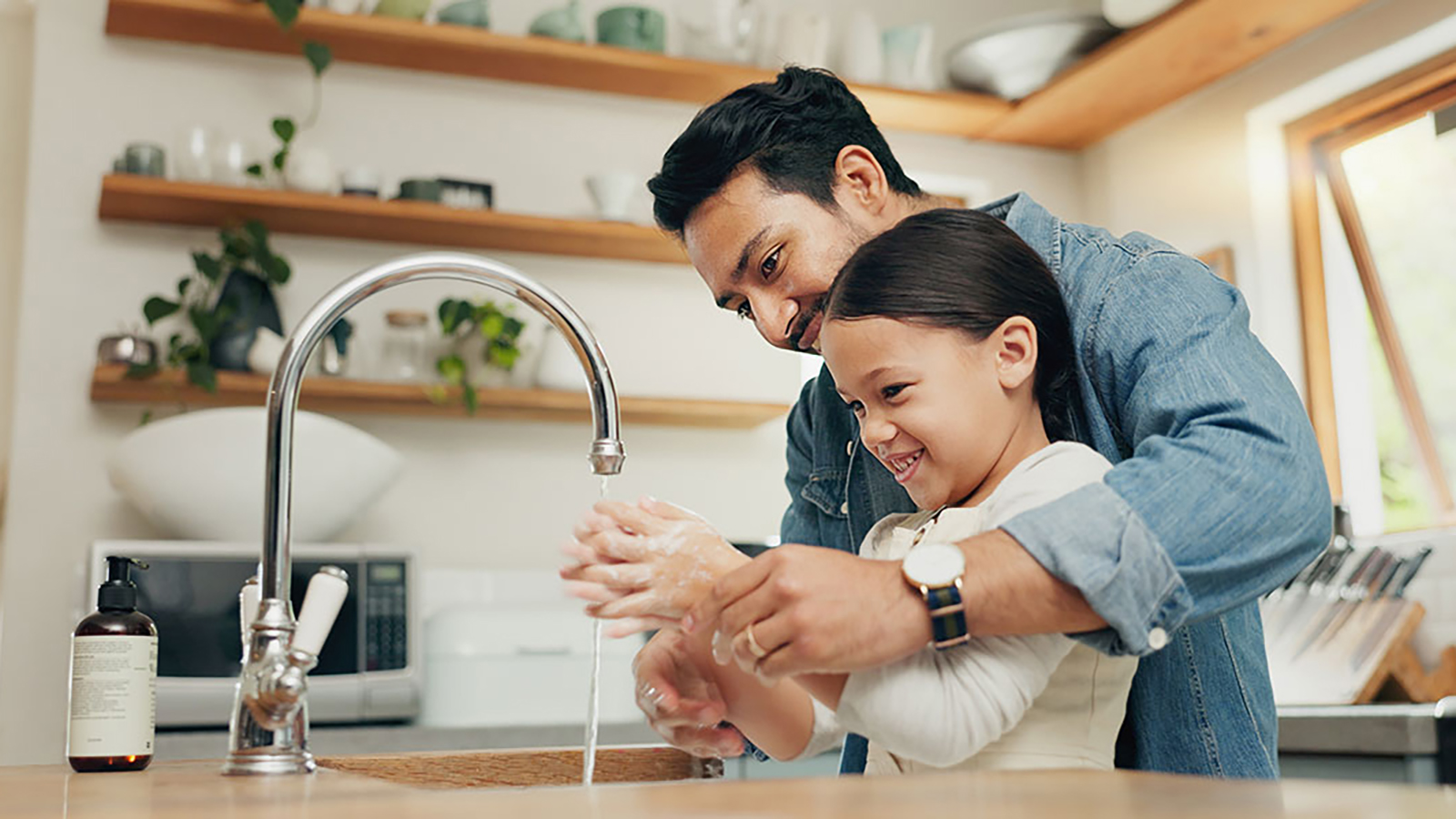
By Melissa Senese, APN, Nurse Practitioner—Virtua Primary Care
From door handles to phones to grocery carts, our hands touch a lot every day. And along the way, they pick up germs we don’t even see. And let’s be honest, we don’t think about handwashing much—until someone in the house gets sick. Then suddenly, soap and water feel like superheroes.
Handwashing plays a powerful role in preventing the spread of everyday illnesses like colds, flu, and stomach bugs. These 10 hand-washing facts go beyond the basics to help you and your family stay healthier all year long.
10 essential hand washing tips
Soap and water – the gold standard for hand washing.
The soap’s ingredients are not as important as the lather it creates. The lather is the mechanism for trapping, removing, and rinsing away microorganisms. Friction is your friend—make sure to work up a good foamy froth with whatever soap you use.
Think of your thumbs.
Studies show that when people wash their hands, thumbs are often the most forgotten—especially the outer sides. It turns out our thumbs are sneaky little germ hideouts.
Don’t shortchange your dominant hand.
People also have a tendency to wash their non-dominant hand more thoroughly, so take extra care to wash the hand you use most—it’s also the hand that most frequently touches (and spreads germs to) your face and mouth.
Twenty seconds of hand washing is longer than you think.
Twenty seconds is the minimum recommended amount of time to lather and scrub your palms, fingertips, and the backs of your hands. That’s about how long it takes to sing “Happy Birthday.” If that isn’t your jam, try the chorus of a Taylor Swift song like “Shake It Off” — which feels pretty fitting when you’re literally washing germs away.
Hot water isn’t necessary to clean your hands.
Cold, cool, or lukewarm water temperatures are actually better for washing your hands, as super-hot water will break down your skin. Wash with whatever temperature water is most comfortable for you.
Be mindful of how you dry your hands.
It doesn’t matter if you use a paper towel or a hot air dryer after you wash your hands, but at home, be mindful of how you use shared hand towels. If someone at home is sick, that person shouldn’t share a towel with others. Regardless, be sure to launder and replace your hand towels frequently, or use disposable hand towels/napkins.
Those reminder signs really do help.
Studies show that those signs you always see in restaurant and doctor’s office bathrooms really do help increase the frequency of hand washing. You might even consider buying or printing a sign for use in your own bathrooms, especially if there are forgetful children (or forgetful adults) in the house.
Hand sanitizer is a good substitute for hand washing with a few exceptions.
The increased availability of hand sanitizer in public settings is a good thing because, when used properly, it kills most germs that can make you sick. However, hand sanitizer isn't as effective as soap and water in preventing the spread of some organisms, including norovirus, which can cause diarrhea and other unpleasant gastrointestinal symptoms.
Wash in and wash out at the hospital.
When you’re visiting someone in the hospital, follow the “wash in, wash out” rule. Washing your hands on the way into the room ensures you don’t introduce a new illness to the person you’re visiting. Washing your hands on the way out ensures you don’t bring any new germs home with you.
Hand washing really does make us healthier.
According to the latest research from the Centers for Disease Control, hand washing reduces the number of people who get sick with diarrhea by up to 50%, and reduces respiratory illnesses by up to 21%.
You can’t avoid coming into contact with sick people, but, coupled with wearing a mask, a good hand-washing habit is your best line of defense against picking up germs (and bringing them home to your loved ones).
Know where to go when you get sick
Virtua offers high-quality urgent care at convenient locations throughout South Jersey, and telehealth visits, so you can get the care you need when you need it. We treat minor illness like colds, flu, and stomach virus, and minor injuries like sprains, strains and small cuts – stitches provided.
We’re open 7 days a week, 365 days a year, including weekends and holidays.
There's So Much More to Explore















































































There's So Much More to Explore