5 Ways to Stop Night Sweats and Get Better Sleep During Menopause
Discover 5 doctor-approved ways to manage night sweats and sleep better during menopause, from lifestyle changes to hormone replacement therapy (HRT) options.

By Nermin Lazarus, DO, Family Medicine and Lead Physician, Virtua Menopause & Midlife Center
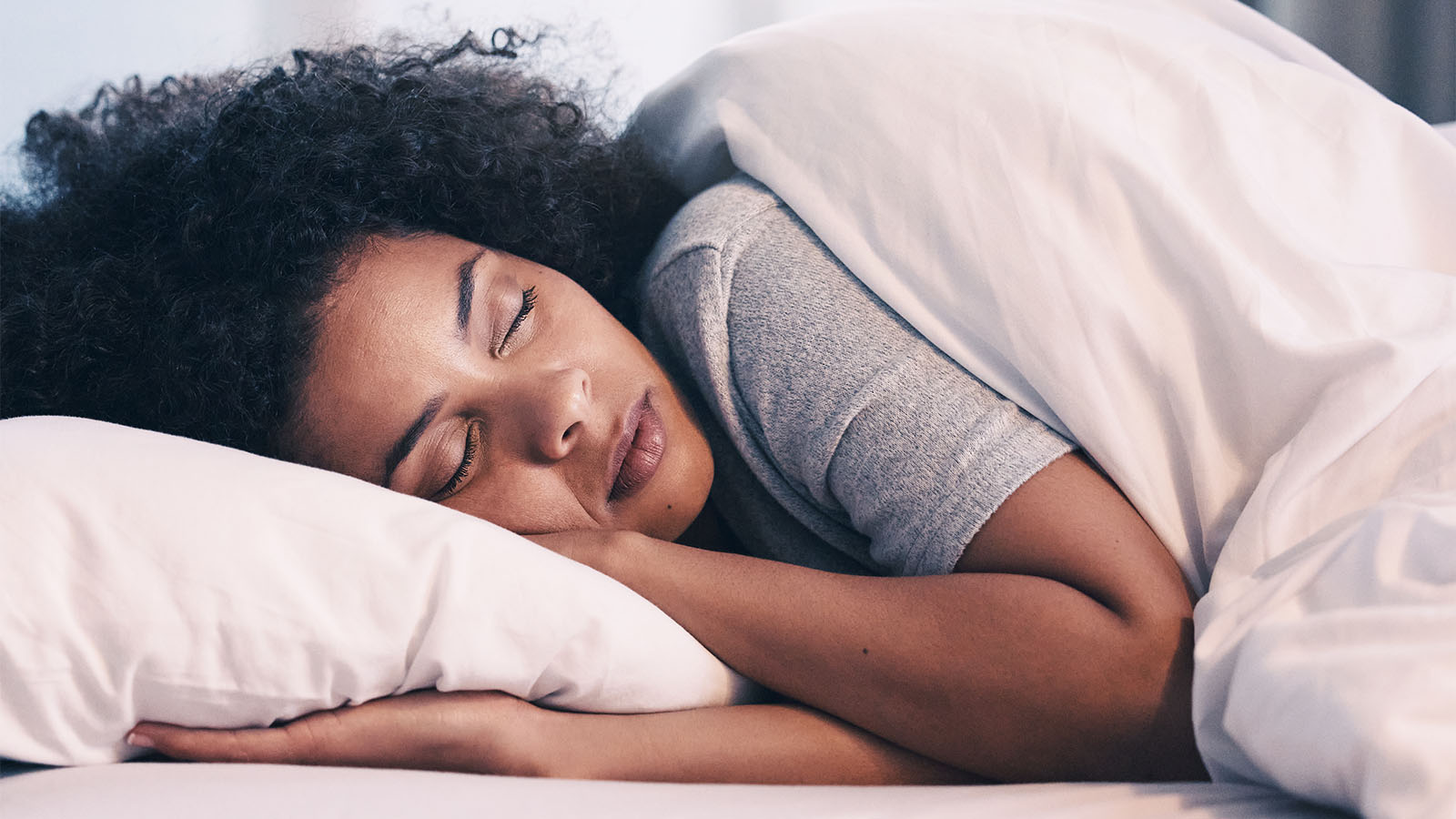
Women experience many symptoms during menopause, but sleeplessness and frequent waking may be the most challenging. Lack of sleep can leave you feeling foggy, distracted, and fatigued during the day. Over time, chronic sleep loss can also increase your risk of heart disease, high blood pressure, stroke, and diabetes.
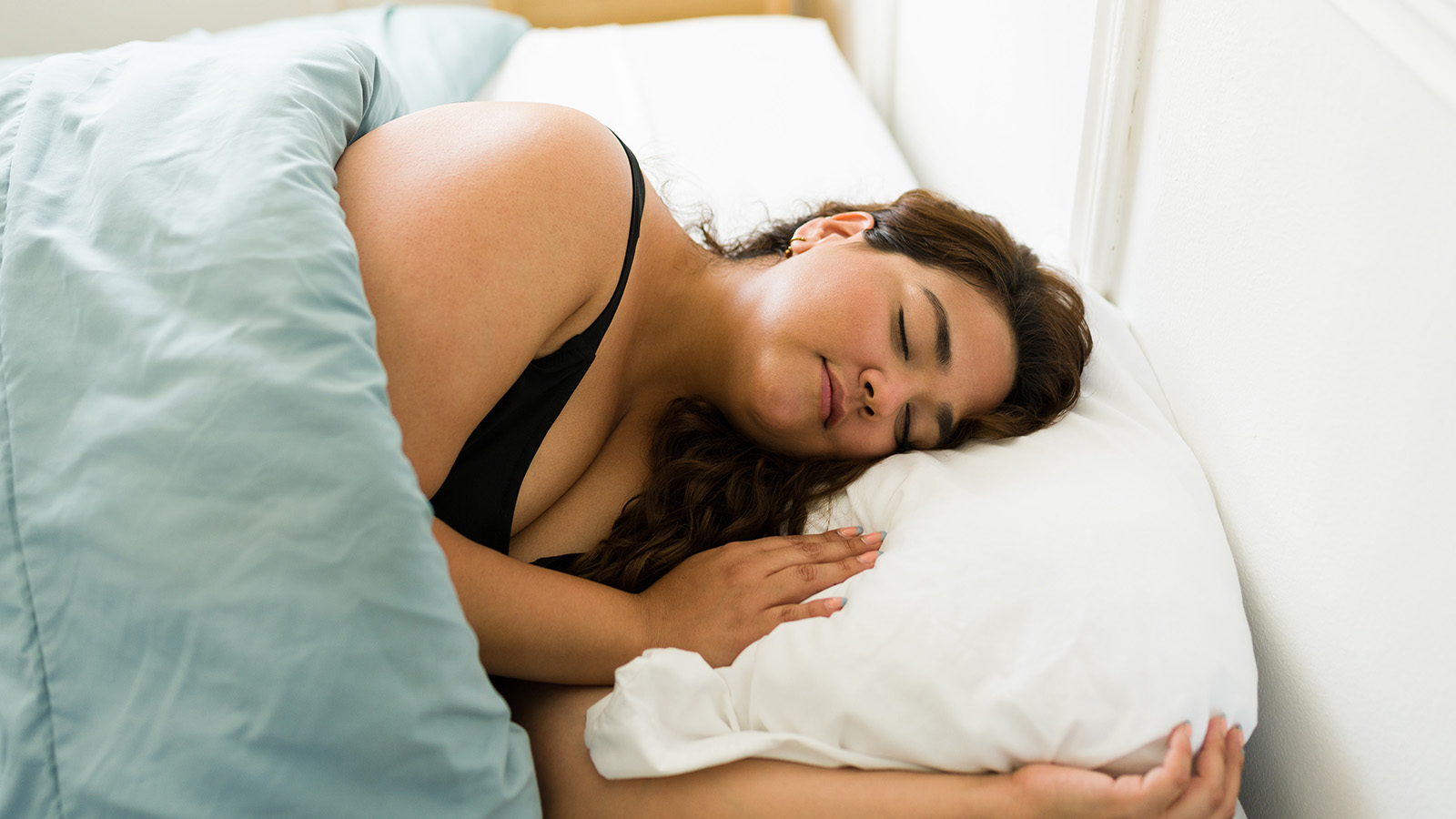
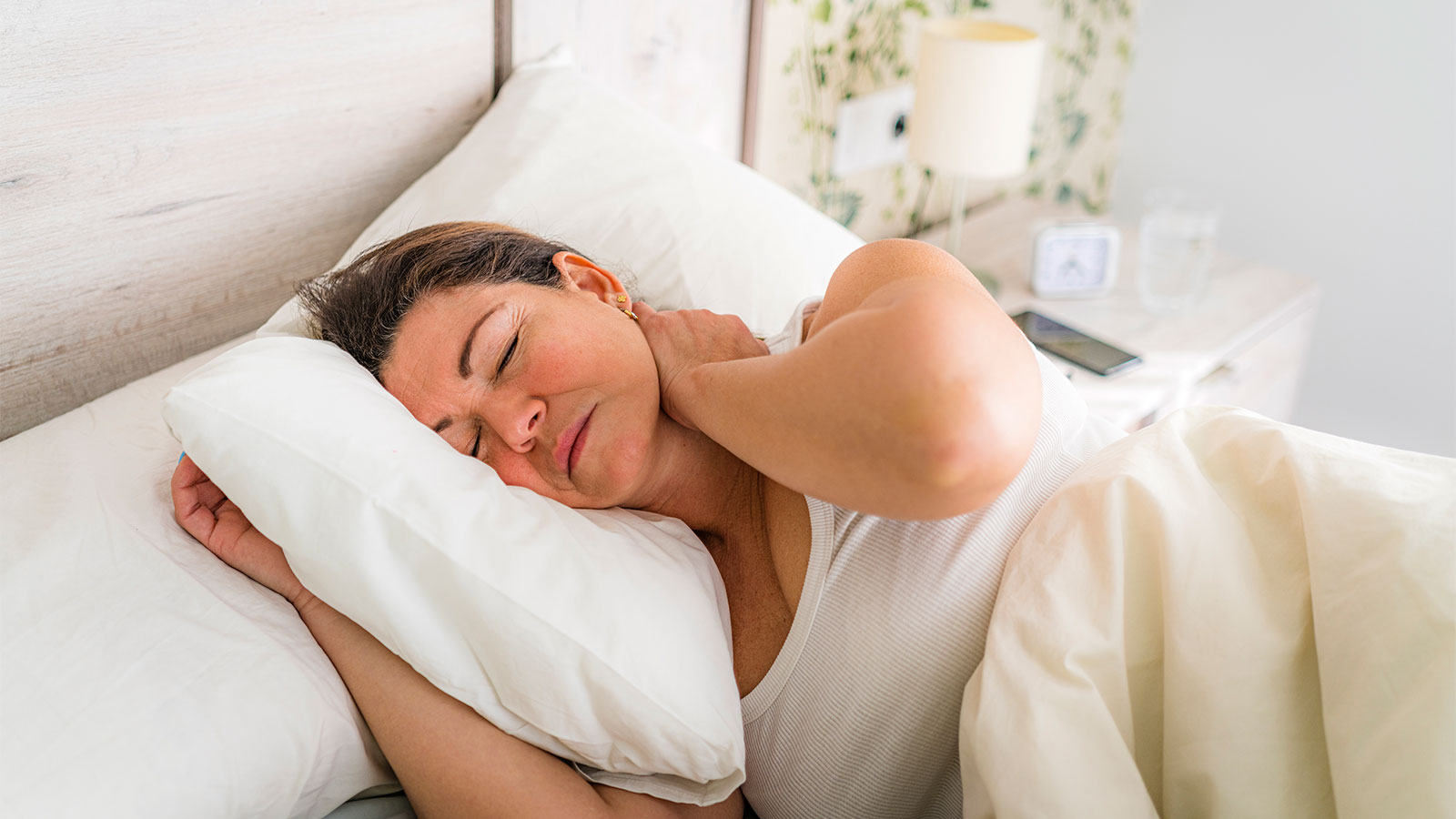
Night sweats are a major cause of sleepless nights during perimenopause and menopause. Hormonal changes can raise your body temperature, which can wake you from a deep sleep. Managing your body temperature and balancing your hormone levels are two of the most effective ways to restore your sleep.
Ideas to avoid night sweats during menopause and stay cool while you sleep
Avoid alcohol and spicy foods
Certain foods act as "thermogenic" triggers, meaning they cause sudden spikes in core body temperature and blood vessel dilation.
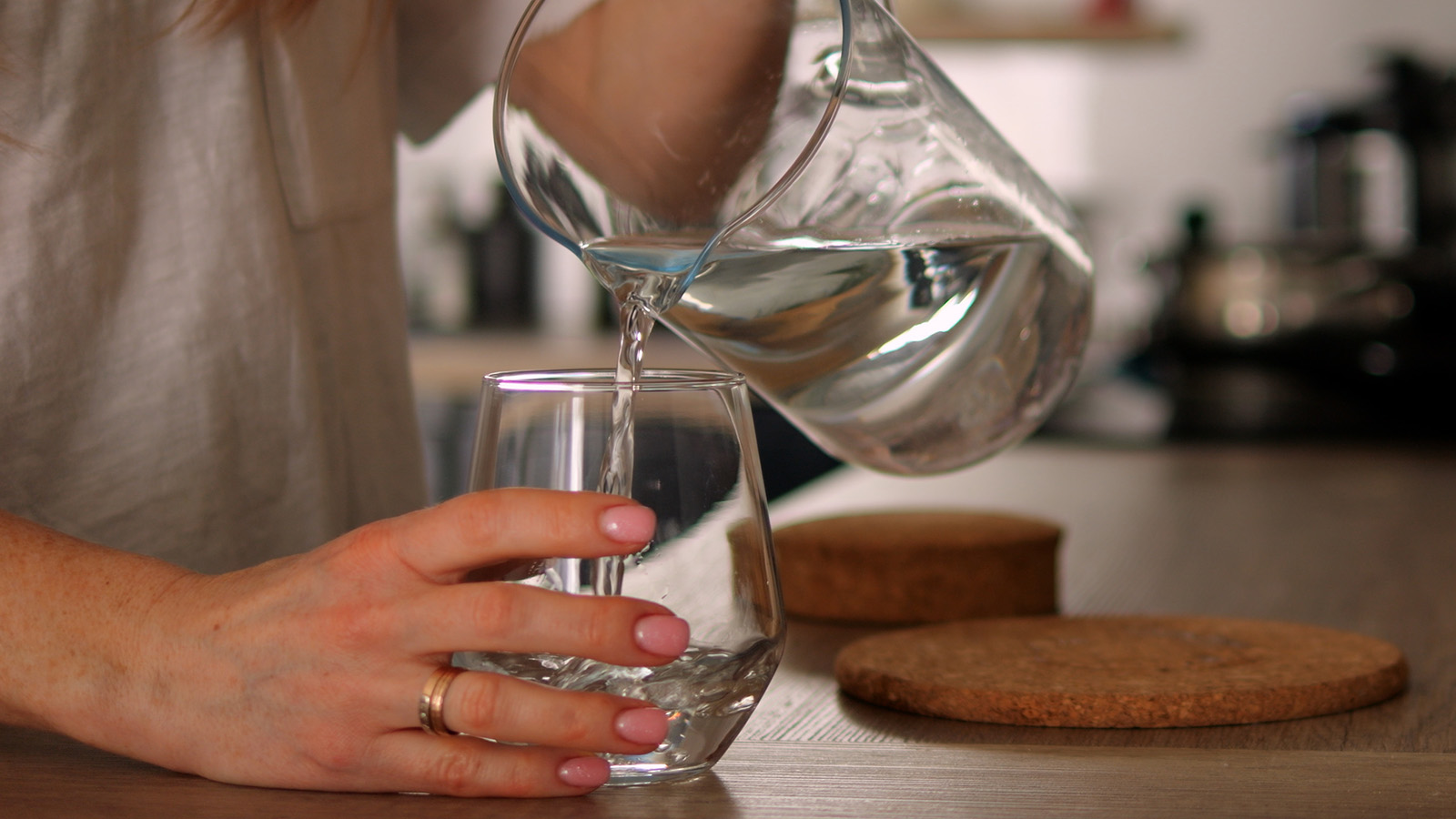
To prevent this, avoid alcohol, caffeine, and spicy foods late in the afternoon or evening. Instead, drink a glass of cool water as part of your bedtime routine. Staying well hydrated supports your body's natural temperature regulation throughout the night.
Don’t exercise in the evening
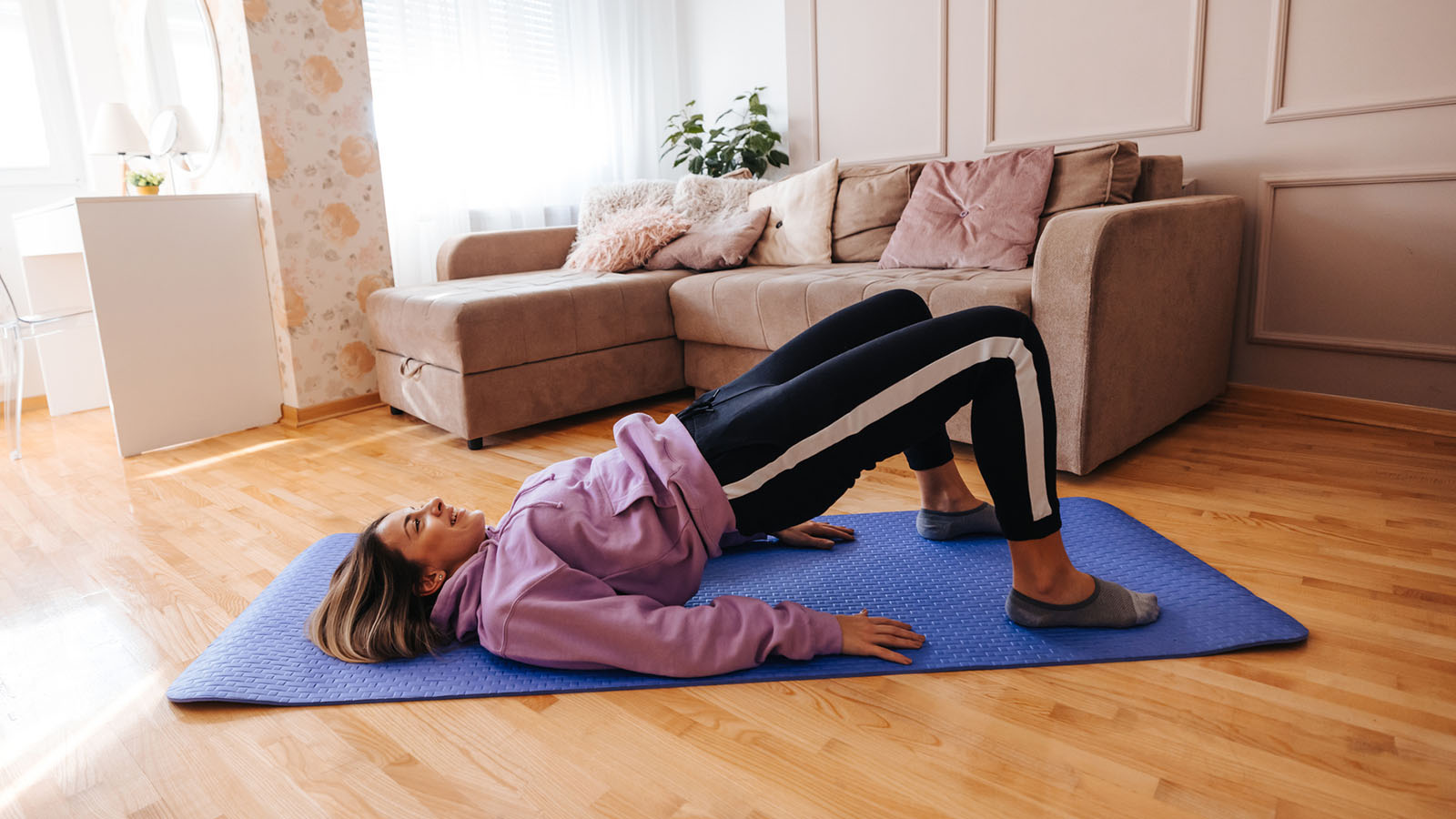
While regular physical activity improves overall sleep quality, vigorous exercise too close to bedtime raises your core temperature and heart rate, making night sweats more likely.
Schedule cardio and high-intensity workouts earlier in the day. In the evening, opt for low-impact activities like gentle yoga, light stretching, or breathing exercises to lower stress hormones and help drop your core temperature.
Take a cool bath or shower
Lowering your skin temperature before getting into bed signals your brain that it's time to sleep and reduces your chance of overheating.
Take a cool or lukewarm shower or bath shortly before bed. This immediately lowers your skin temperature and supports your body's natural sleep rhythm, while reducing your likelihood of waking up drenched in sweat.
Optimize your sleep space
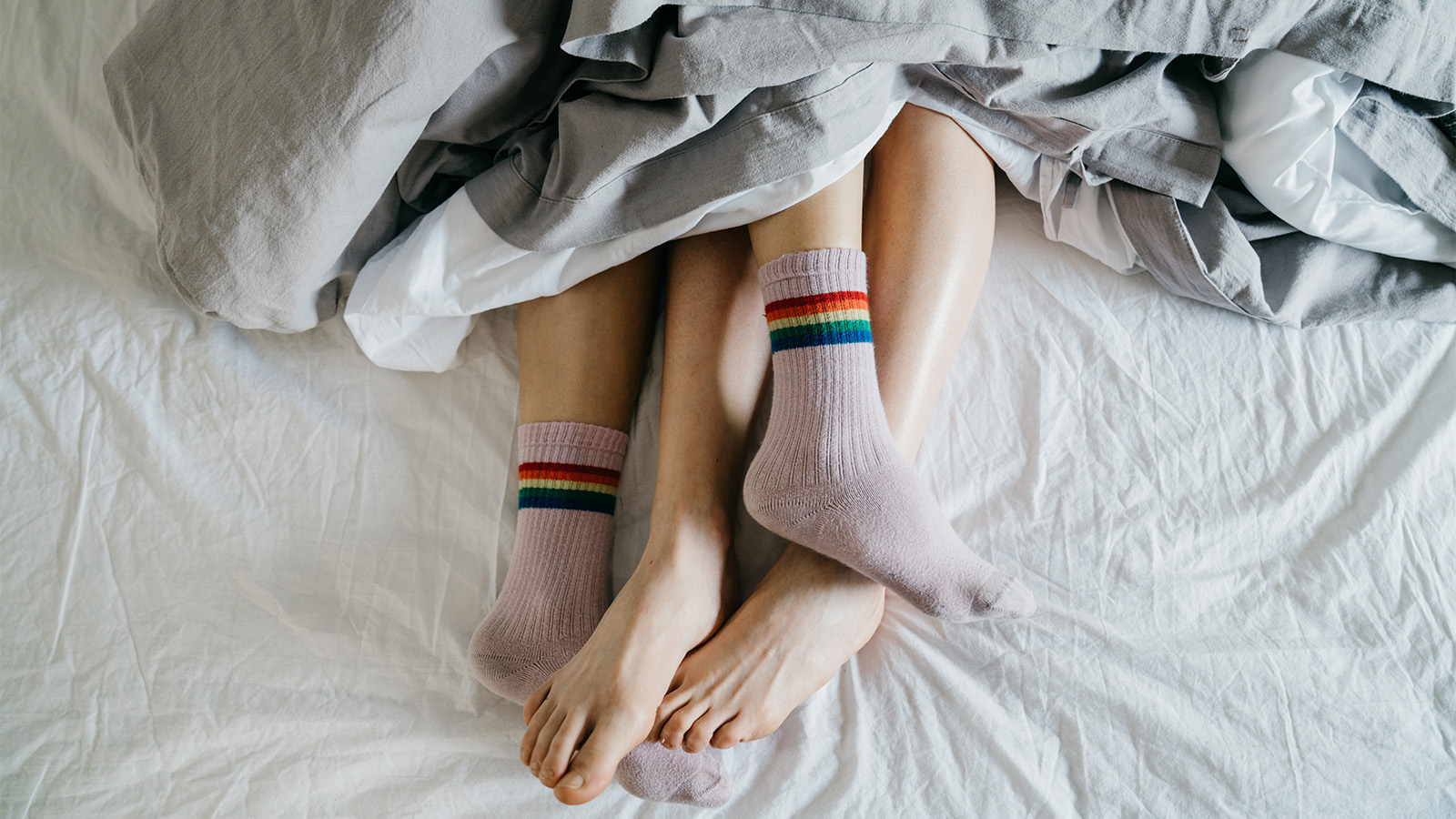
Your bedroom sleep environment plays a huge role in preventing nighttime waking during menopause. Try the following to improve your sleep space:
- Choose 100% cotton, linen, or bamboo sheets, which are breathable and wick away moisture, unlike polyester fabrics.
- Lower your thermostat to between 60°F and 67°F at night.
- Run a ceiling or bedside fan to keep cool air flowing around you all night.
Consider hormone replacement therapy
While lifestyle adjustments help reduce triggers of night sweats, medical options directly address the underlying thermoregulation issues and hormonal fluctuations that cause them. Talk to your health care provider about how you can relieve symptoms with hormone replacement therapy, including:
- Systemic HRT (patches, pills, gels): Traditional FDA-approved HRT replenishes estrogen (and progesterone) to treat hot flashes and night sweats throughout the body. Transdermal patches and gels deliver hormones through the skin, while estrogen tablets provide a daily oral option.
- Bioidentical hormone replacement therapy, or BHRT (pellets, creams): Exuberan by Virtua customized BHRT therapy restores estrogen and testosterone levels that drop during perimenopause and menopause. Plant-based hormones are tailored to your specific lab work, medical history, and wellness goals for consistent symptom relief.
- Non-hormonal prescription alternatives: If you can’t or prefer not to take hormones, non-hormonal medications (like Veozah or low-dose antidepressants) work by targeting the brain’s temperature center to reduce night sweats.
Get better sleep as you go through menopause
If hot flashes, night sweats, and insomnia are interfering with your quality of life, schedule a consultation with Virtua Menopause & Midlife Center to discuss your specific goals. Together, you can weigh the benefits and risks of systemic HRT, customized BHRT pellets, or non-hormonal alternatives to create a plan that helps you sleep better and feel like yourself again.
Call 856-325-5601 to explore your personalized menopause care options.
There's So Much More to Explore