How to Avoid Stress Eating When Your Stress Is High
Reaching for a snack when you’re stressed or overwhelmed? Learn why stress eating happens and simple strategies to recognize it and respond differently.

By Erin Wickersham, RD, Registered Dietitian — Virtua Nutrition
It’s been a day.
Your inbox won’t quit. You’re putting out fires everywhere. Traffic on Route 30 was terrible. The kids need something. Your to-do list somehow got longer instead of shorter. And suddenly, you’re standing in the kitchen looking for a snack.
Are you hungry? Maybe. Maybe not.
Sometimes, we reach for food because we’re stressed, tired, bored, overwhelmed, or simply looking for a little comfort. That’s called stress eating or emotional eating — and it’s something most of us experience from time to time.
So, if you just realized you’ve been stress eating, there’s no need to add feeling bad about stress eating to the list of things stressing you out.
Instead, take a moment to understand what’s going on. Recognizing why you’re reaching for food can help you decide what you actually need in that moment.
Why do we eat when we're stressed?
Stress can affect more than your mood. It can also influence your appetite, cravings, sleep, and everyday habits. And food can be comforting. There’s a reason we call certain dishes “comfort food.”
You might notice yourself grazing throughout the afternoon, heading to the pantry after a stressful meeting, or reaching for a snack even though you recently ate. That doesn't automatically mean something is wrong. But if it happens frequently, it can be helpful to start noticing what’s happening before you reach for food.
Are you physically hungry? Or are you looking for a break, distraction, energy boost, or a little comfort?
There’s no judgment either way. The goal is simply to recognize the difference.
Feeling the urge to stress eat? Try the STAR method
Before automatically reaching for something to eat, give yourself a moment to check in. One easy way to remember how is with the acronym STAR:
Stop what you're doing.
Habits can happen almost automatically. You may find yourself opening the refrigerator or grabbing something from the pantry before you've even thought about whether you're hungry.
Simply stop for a moment. No judgment. Just notice what you're doing.
Take a deep breath.
One breath isn't going to magically make your stress disappear. But pausing can give you a moment to slow down and think about what you're feeling instead of immediately reacting to it.
Ask yourself what you really need right now.
Maybe you're hungry — in which case, eat! But maybe you're exhausted, bored, lonely, frustrated, or overwhelmed. Or you desperately need five minutes away from whatever is stressing you out.
Ask yourself: What would make me feel better right now? Food may make you feel better in the moment, but you might actually need something else to truly manage your stress.
Redirect yourself.
If hunger isn't what's driving you toward the kitchen, try responding to what you're actually feeling. It simply gives you another way to address the stress behind the craving.
What can you do instead of stress eating?
There isn't one perfect stress reliever. Find something that fits what you need in the moment.
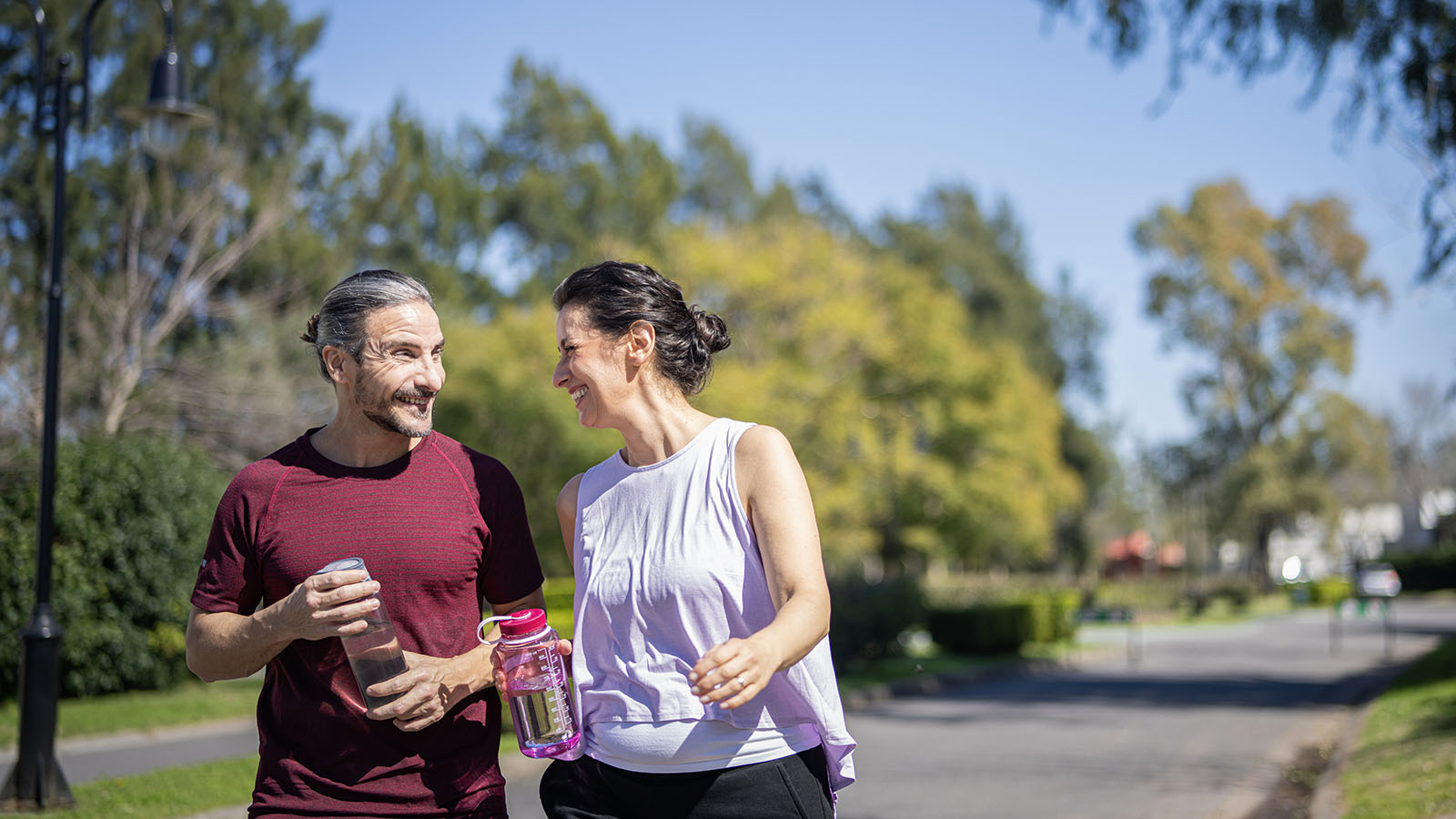
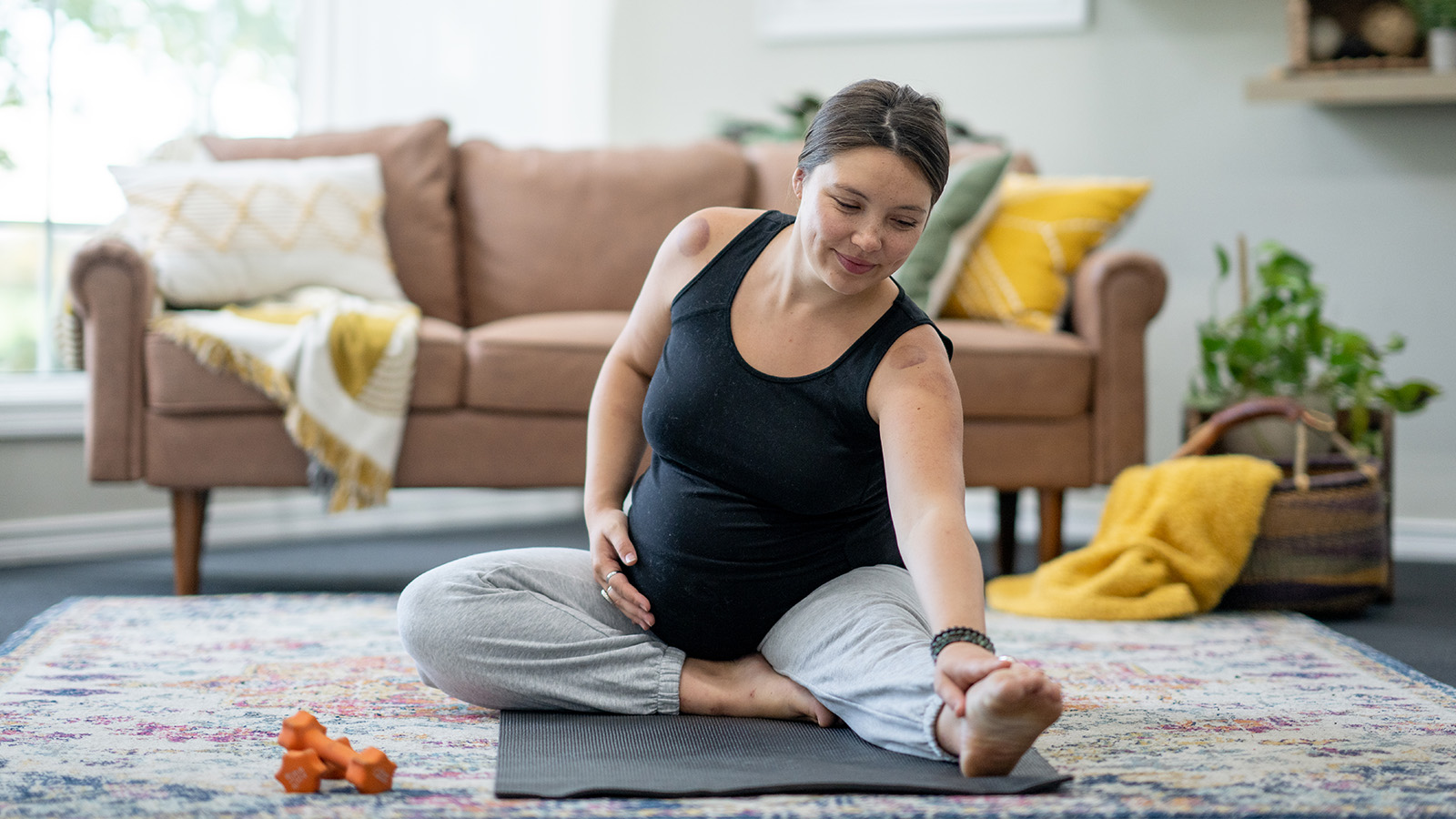
- Feeling restless? Take a quick walk or stretch.
- Feeling overwhelmed? Step away from your screen for a few minutes or try a short breathing exercise.
- Feeling lonely? Text, call, or FaceTime someone you enjoy talking to.
- Feeling mentally drained? Read a chapter of a book, work on a puzzle, play a game, or put on a favorite show.
- Feeling like your surroundings are adding to your stress? Tackle one small chore you've been putting off — emphasis on small.
- And if you're exhausted? Sometimes the best answer really is going to bed a little earlier.
The important thing is building a few non-food ways to comfort yourself, recharge, or manage stress when you need them.
Don't forget to eat enough during the day
Here's something that can easily get overlooked when talking about stress eating: Sometimes you're reaching for food because you actually need food.
Skipping breakfast, working through lunch, or going long stretches without eating can leave you especially hungry later in the day. Add stress to the mix, and that bag of chips in the pantry can start looking pretty irresistible.
Maintaining a regular eating pattern and choosing meals and snacks that help you feel satisfied can make it easier to recognize physical hunger versus eating primarily in response to an emotion.
And remember, nourishing yourself doesn't mean eating “perfectly.” Your favorite foods can absolutely have a place in a balanced eating pattern.
Build a healthier relationship with food
Healthy eating isn't about perfection or eliminating the foods you love. It's about finding an approach to food that supports your health, fits your life, and feels sustainable.
Whether you're looking to improve your eating habits, manage a health condition, reach a healthy weight, or simply feel more confident about your nutrition choices, a Virtua registered dietitian can provide personalized guidance based on your goals and lifestyle.
There's So Much More to Explore