How to Exercise Safely with Asthma: Tips, Triggers, and Rescue Inhaler Use
Don't let asthma stop you! Learn how to safely manage exercise-induced asthma and identify triggers so you have an effective plan to stay active.

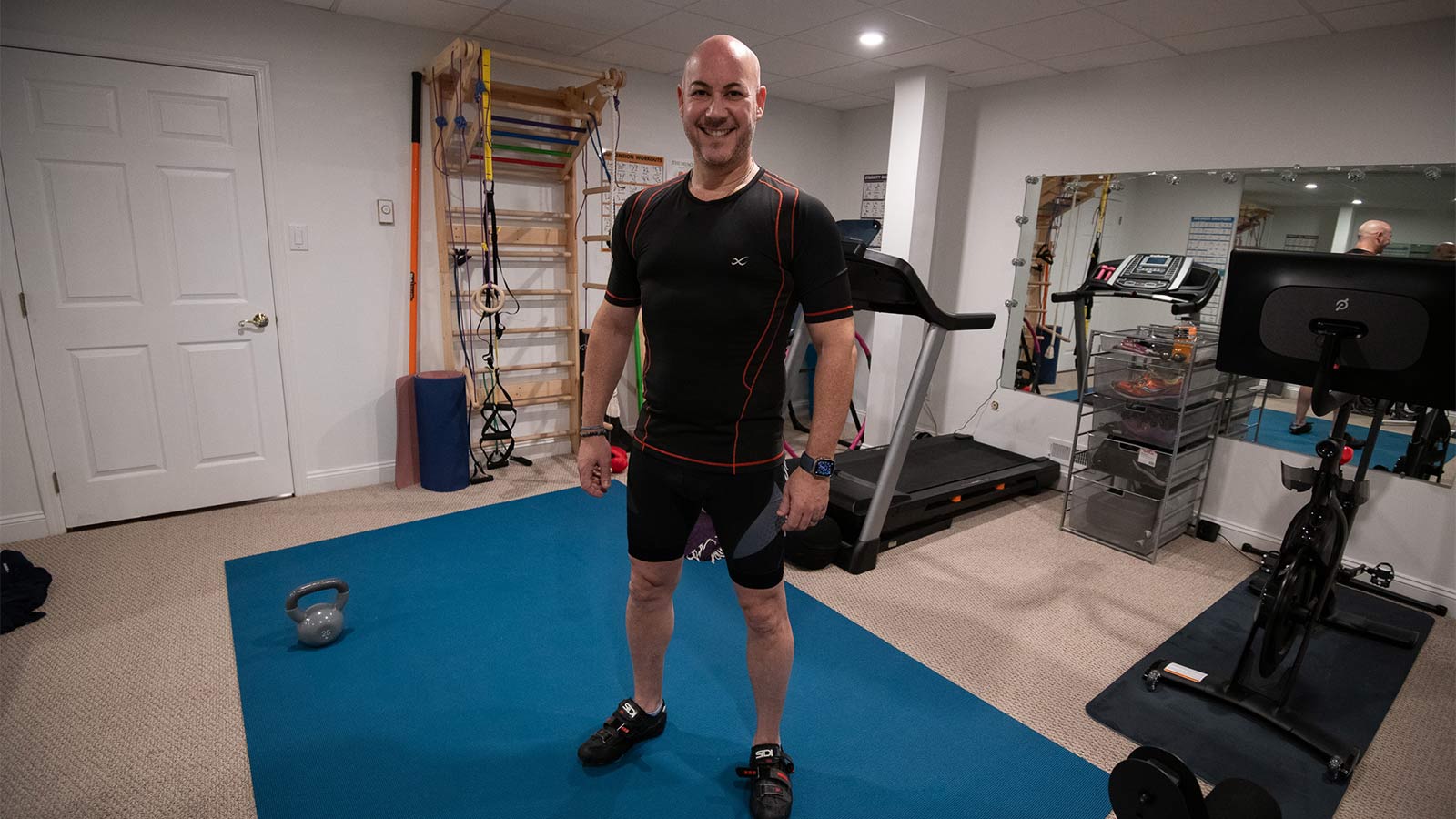
By Eric Sztejman, MD, Pulmonologist, Virtua Pulmonology
Don't let asthma stop you from staying active! If you've been diagnosed with asthma, you might assume intense cardio or heavy breathing while exercising is unsafe. The good news is that with proper preparation and management, you can have asthma and still enjoy physical activity.
Here's how you can safely manage exercise-induced asthma, identify your specific triggers, and take steps to avoid having an asthma attack while exercising.
What are the symptoms of asthma?
Asthma is a chronic condition that causes inflammation and narrowing of the airways in the lungs. When it flares, it can be difficult to breathe.
Asthma symptoms include:
- Shortness of breath: This is often described as feeling like you can't get enough air into your lungs. During exercise, it becomes more severe and happens sooner than expected, exceeding the usual heavy breathing experienced during a vigorous workout. It may also make simple tasks, like talking, difficult.
- Tightness in your chest: This symptom feels like squeezing, pressure, or a dull ache in your chest. It's caused by the muscles around the airways tightening (bronchospasm). Because this discomfort can sometimes mimic heart-related issues, it's a common reason people seek a diagnosis from a cardiologist.
- Wheezing: This is a high-pitched, whistling sound made while breathing, especially when exhaling. It occurs when air is forced through severely narrowed airways.
- Coughing: The cough is often dry and persistent and may be worse at night or early in the morning.
- Fatigue during exercise: This is a key sign of exercise-induced asthma. It's a noticeable feeling that you can no longer continue or maintain your current activity level. You may feel unusually fatigued, weak, or simply unable to "catch your breath," forcing you to stop what you're doing.
Learn to identify your asthma triggers
The key to successfully managing asthma, especially during exercise, is understanding your triggers. People with asthma have different triggers, but learning to identify and minimize exposure to yours is the best way to prevent a flare-up. The most common triggers include:
- Exercise
- Weather, especially breathing cold, dry air
- Allergens, such as dust, mold, pet dander, or household chemicals
- Upper respiratory illnesses
- Air pollution, such as wildfire smoke or vehicle exhaust
- Smoking
You may have to endure a period of trial and error—noting what makes your symptoms worse—before you and your doctor can determine a safe plan for your fitness routine. But remember, it can be done.
4 steps to take if you experience an asthma attack while exercising
- Stop what you’re doing.
- Use your rescue inhaler.
- Rest until you feel better.
- Discontinue the activity that caused these symptoms for the rest of the day.
Pro-tip for avoiding exercise-induced asthma
Use your rescue inhaler 30 minutes before beginning exercise. I, myself, have exercise-induced asthma, and this has long been my strategy. Planning for this is usually the most challenging part.
Can asthma develop later in life?
You can have asthma without realizing it, and it can develop later in life. That's why it's crucial to be aware of the symptoms (listed above) and listen to your body. Some people mistake their symptoms for other issues, like a lack of exercise or being overweight.
Take control of your asthma and fitness
An asthma diagnosis should never stop you from achieving your fitness goals. By learning your body’s triggers, following the 4-step plan for managing flare-ups, and planning to use your rescue inhaler before exercising, you can safely incorporate exercise into your life.
If you suspect you have exercise-induced asthma, or if your current symptoms are interfering with your physical activity, schedule an appointment with your Virtua primary care provider. Getting the correct diagnosis and a personalized asthma action plan is the first step toward safe and effective exercise.
There's So Much More to Explore