Are You Eating Too Much Salt? High-Sodium Foods to Watch For
Salt hides in many everyday foods. Some high salt foods are obvious, others are meal staples you may not expect. See what foods you should avoid.
Madeline Holt, RD, Virtua Nutrition & Diabetes Care
Here’s a salty truth: the average American eats way more sodium than experts recommend. The American Heart Association and Institute of Medicine suggest keeping daily intake under 2,300 milligrams — or around 1,500 if you have certain conditions like high blood pressure or diabetes. Yet most of us are topping 3,400 milligrams a day.
A teaspoon of table salt might not look like much, but it contains more than 2,300 milligrams of sodium — the full day’s limit for most adults.
When trying to cut back, many people reach for sea salt, kosher salt, or Himalayan pink salt instead. While those salts may feel more natural or gourmet, they’re still about 40% sodium. The only difference is that their larger crystals take up more space, meaning you might get a little less sodium per teaspoon.
Putting away the saltshaker is a good first step — but it’s only part of the story. The salt we sprinkle on our food makes up just about 11% of our total sodium intake. More than 70% actually comes from packaged foods, takeout, and restaurant meals.
The biggest way to cut back? Cook more whole or minimally processed meals at home and pack your own snacks when you can. And if you do rely on packaged foods, make it a habit to check the nutrition label — sodium hides in plenty of places you’d never expect.
Sneaky Salty Foods
Anything cured or preserved to have a long shelf-life likely has a high sodium content (salt, after all, has been used for centuries to preserve and flavor foods). The following should be eaten in moderation (pay attention to your portion sizes), limited in frequency (monitor how often you use them), or, depending on your health, avoided:
- Cured meats (ham, bacon, deli/lunch meat). TIP: try prepping chicken or turkey for the week (grilled, baked, shredded, slow cooked, air fried, ground), or using tuna or egg salad made with 1 tablespoon light mayonnaise, plain Greek yogurt, and/or avocado.
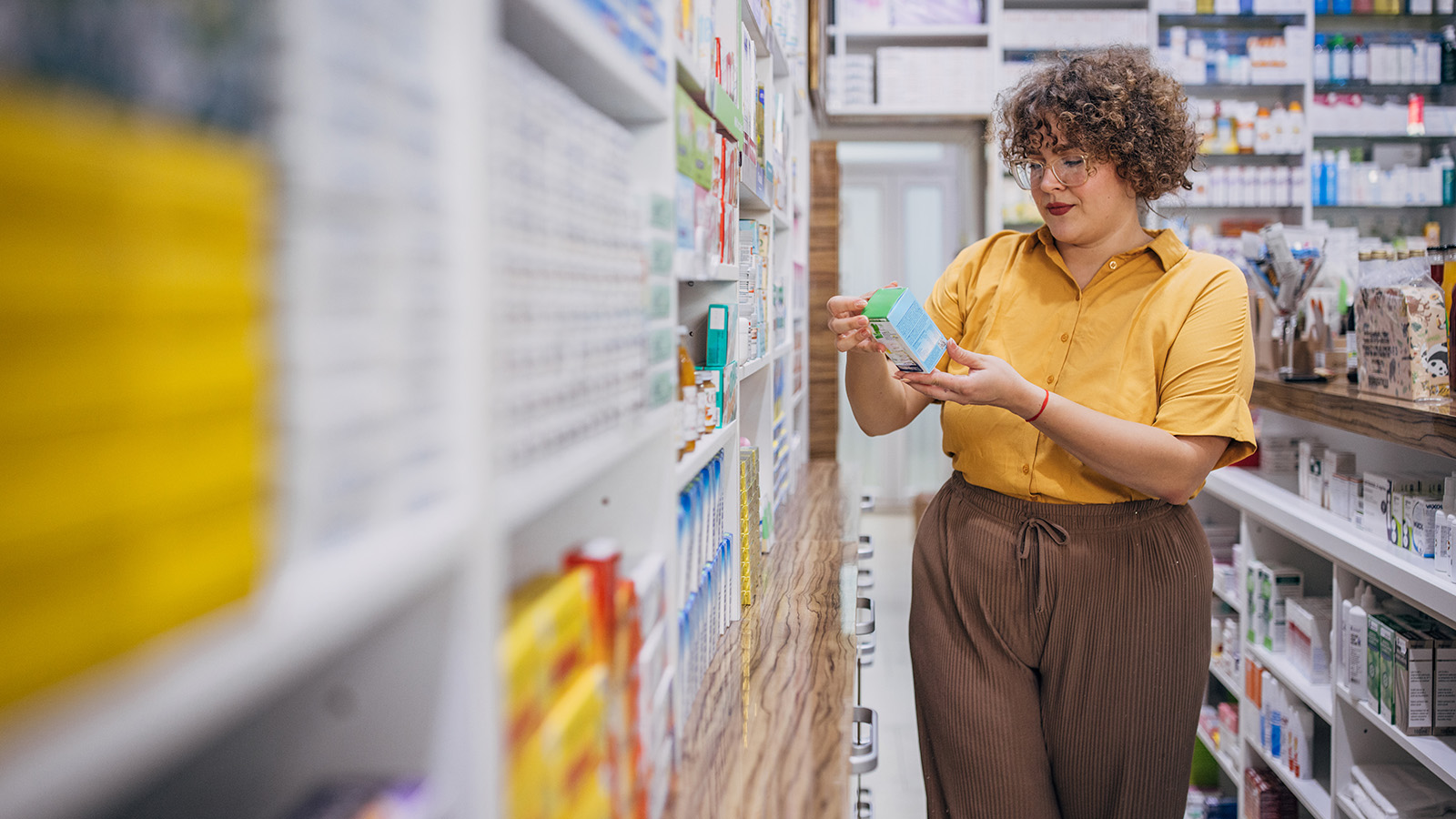
- Many canned and jarred foods. TIP: look for options that say “salt-free”, “sodium-free”, “very low sodium” or “low sodium”, or that have less than 140 mg sodium per serving. Always rinse canned foods well before using to further reduce sodium.
- Most condiments. TIP: read labels for sodium content and choose lower sodium dips/dressings when you can. Check the label for the recommended serving size and keep your portion to a single serving, or opt for salt-free seasonings like herbs, spices, citrus juices, or vinegar.
Beware of Hidden Salt in Bread
Bread, really? It’s true: most breads (especially yeast breads, tortillas) are sodium rich, as salt plays a key role in fermentation, flavor, and structure.
- The average slice of store-bought bread contains around 150-200 mg of sodium (That’s 300-400 mg if you’re making a sandwich with two slices).
- The rolls at popular bakery chain restaurants can have as much as 600 mg of sodium per roll.
- Alternative bread options, like those made with sprouted grains, legumes, soybeans, and spelt, are often low sodium and contain little to no added salt.
- Consider making an open-faced sandwich or try including fresh veggies to add volume to your sandwiches, and opt for lower-sodium fillings, spreads, or meats.
'Seasoned' Often Equals 'Salty'
Any pre-seasoned, off-the-shelf food item is likely to be high in sodium, even if it appears healthy at first glance. Take frozen vegetables, for example. Alongside the plain frozen vegetables, you can usually find sauced and seasoned vegetable blends – whether it’s Italian seasoned squash or a “fiesta” stir-fry, it’s likely to contain a lot of sodium.
Seasoning your food at home gives you more control over sodium content. But seasonings themselves can also be a source of excess sodium, especially spice blends. You can make many popular seasoning blends at home by replicating the contents on the label while reducing or omitting the salt. Some popular brands also sell delicious salt-free seasoning blends right off the shelf. The same goes for bottled salad dressing—making your own at home is always a good idea but look for low-sodium varieties if you can’t.
Don’t Sip Your Sodium
Soups and some popular drinks also contain more sodium than expected.
- Many popular electrolyte powder mixes and drinks contain 1000 mg sodium or more per serving. If you’re not doing multiple workouts within a day and losing excessive sodium through sweat, you likely won’t need this much salt to replace what was lost.
- Canned soups are known for providing comfort when you’re sick but can contain more than 900 mg of sodium.
- Popular vegetable juice blends, marketed for their health benefits, can have more than 400 mg of sodium per serving.
The Bottom Line: Read the Label, and Cook at Home When You Can
Everyone, regardless of their health status, should check nutrition labels when grocery shopping to make informed food choices. Many packaged and prepared foods have surprisingly high sodium content—many more than we listed here.
Let’s face it — life gets busy, and sometimes a drive-thru or frozen meal is the best you can do. That’s okay. When you have time to cook, make a little extra and freeze it for later. It’s one of the easiest ways to have healthy, homemade meals on standby.
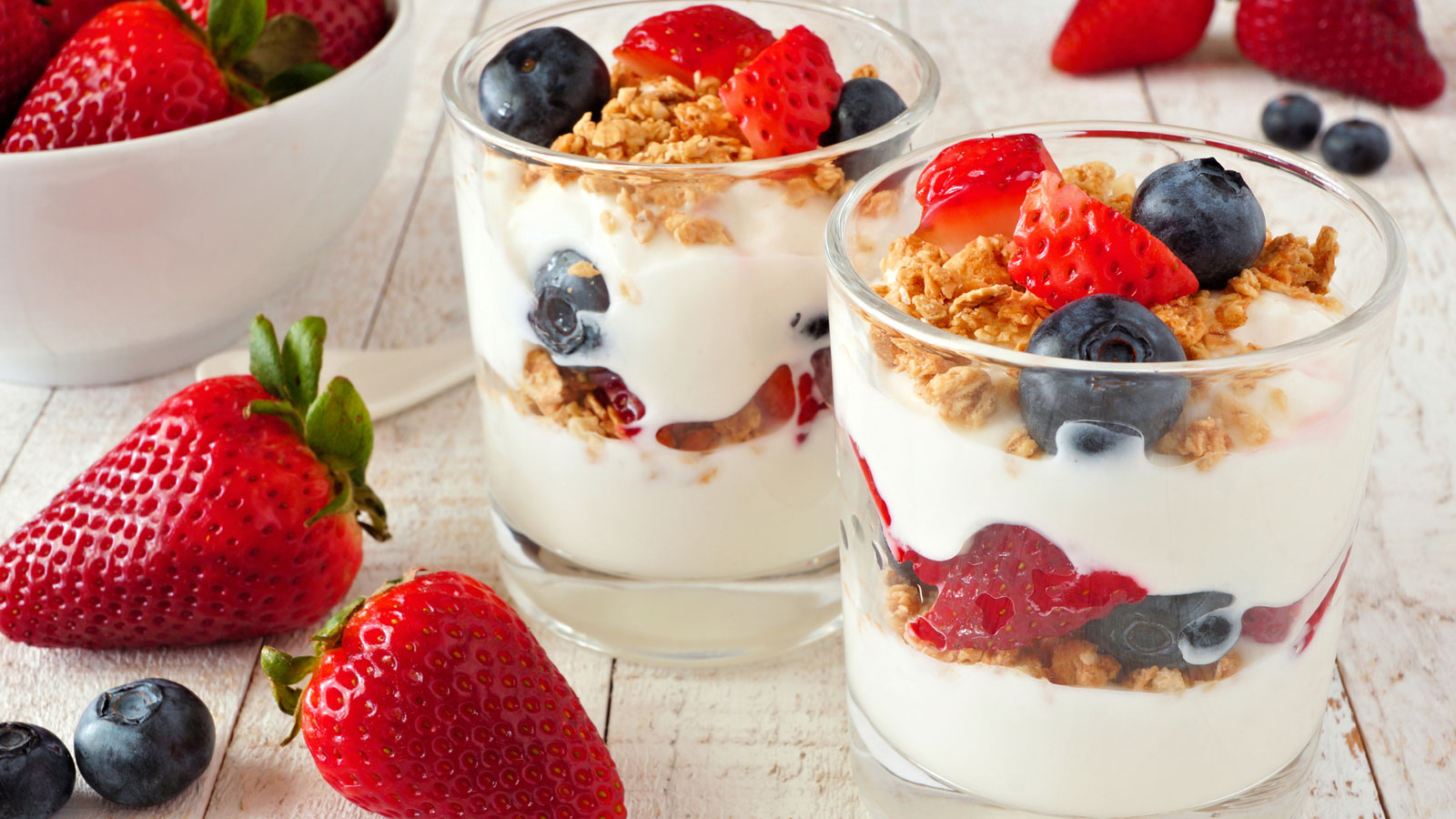
To help you stay on track during the day, prep some grab-and-go snacks that are naturally low in sodium, like Greek yogurt with berries or apple slices with natural peanut butter. And when you do eat out, take a minute to check the restaurant’s online menu for nutrition info — a little awareness goes a long way.
Remember, all foods can fit into a healthy diet. It’s those small, steady habits that make the biggest difference over time.
There's So Much More to Explore