Your Diet Before Bariatric Weight Loss Surgery
A change in diet is key to preparing your body for weight loss surgery. This guide walks you through some common pre-surgery diet and nutrition guidelines.

By Lisa Shaw, RN, MSN, MBA, CBN, Director, Digestive Health Surgery Programs, Virtua Complete Weight Management Program
Weight loss surgery, also known as bariatric surgery or metabolic surgery, is a type of surgery that adjusts your digestive system primarily to promote weight loss. Losing weight may also have other positive effects on your health, such as lowering high blood pressure or preventing heart disease.
If you’re preparing for weight loss surgery or want to know more about what the process looks like, this article will take you through how your diet might change pre-surgery.
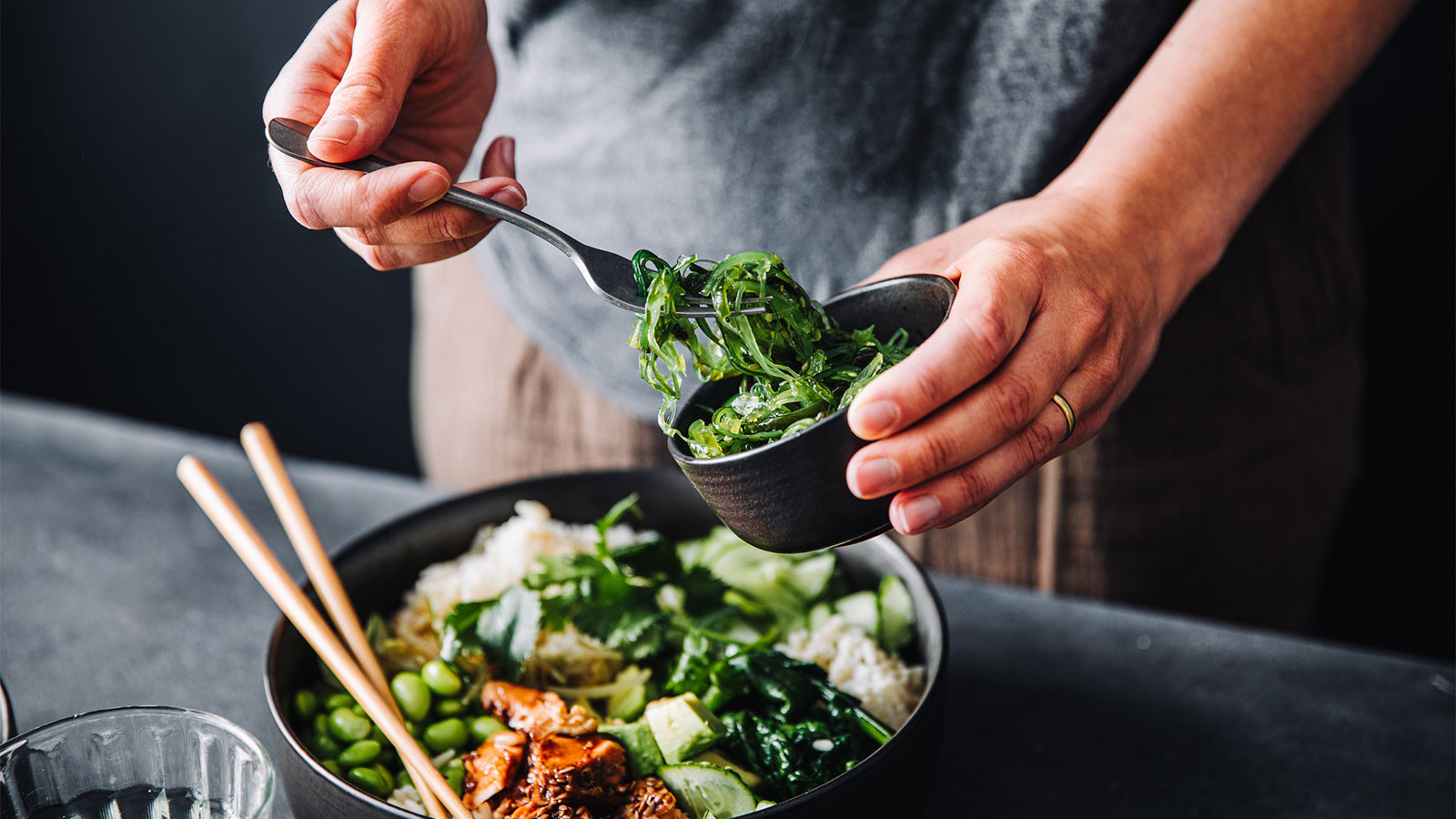
What your diet might look like before weight loss surgery
Your surgeon may require that you start the following pre-surgery diet two weeks before surgery.
- Begin taking protein supplements (protein powder or shakes)
- Decrease all fats (fatty meats, fried foods, whole milk products, and others)
- Decrease sugary foods and drinks (sweets and soda)
- Decrease high-carbohydrate foods (white bread and white pasta)
- Stop all nicotine use, including smoking, vaping, and chewing. This is a requirement for bariatric surgery.
- Avoid alcohol
- Avoid binge eating
- Don’t use certain over-the-counter medications and prescription medications. Ask your doctor for specifics, but this may include aspirin, ibuprofen (Advil/Motrin), naproxen (Aleve), acetaminophen (Tylenol/Excedrin).
Your pre-surgery diet is meant to give you the following benefits:
- Reducing body fat: Reducing fat in the abdomen and liver is an important part of ensuring your safety during and after surgery.
- Preserving and protecting muscle tissue: Increasing protein keeps the body from using muscle tissue as an energy source on a reduced-calorie diet. The body will burn fat instead.
- Preparing the body for surgery and recovery: Eating healthy, increasing protein intake, and taking vitamin and mineral supplements will help the body heal and recover after surgery.
- Preparing you for your post-surgery diet: The pre-surgery diet is very similar to the post-surgery diet (reduced-calorie, high-protein, low-fat, low-carbohydrate) and will prepare you for the new way you will be eating after weight-loss surgery.
Pre-surgery weight loss increases safety
Losing weight before surgery will lower the risk of complications and make weight-loss surgery safer.
The main purpose of losing weight before weight-loss surgery is to reduce body fat in the abdominal region, especially in and around the liver. In some instances, a bariatric surgeon must postpone surgery if the liver of the person receiving surgery is too large. Reducing the size of the liver can shorten the operating time for laparoscopic surgery, and this makes the procedure safer.
For those with a body mass index greater than 50, losing sufficient weight before surgery allows the procedure to be performed using a minimally invasive surgical approach performed through small incisions (laparoscopic), rather than as open surgery.
Amount of pre-surgery weight loss
The amount of weight loss necessary before surgery can only be determined by your bariatric surgeon based on your health, weight, and bariatric procedure. Some people are required to lose 10 percent of their weight before weight-loss surgery is performed. For other people, losing just 15 to 20 pounds right before surgery is enough to reduce the risk of complications.
It’s important to follow your surgeon’s pre-surgery diet and nutrition guidelines. A pre-surgery diet helps prepare your body for surgery and improve the outcome. It also helps you adjust to the food and eating changes you need to make following weight-loss surgery—and for the rest of your life.
Learn more about what your diet may look like after bariatric surgery. You may also want to read and understand why water, fluids and protein are so important to your bariatric surgery recovery.
Seeking support on your weight loss journey? Talk with a specialist
You are more than capable of achieving your weight loss goals—and Virtua is here to help you get there. Our expert weight-loss specialists provide all the support you need to keep you accountable to your health and fitness goals.
Sound good? Learn more about our Complete Weight Management Program and connect with weight loss specialist today.
There's So Much More to Explore