Your Diet Right After Bariatric Surgery
Preparing for bariatric or weight loss surgery? Here’s what your diet might look like, and some pointers for each step of the post-surgery process.

By Lisa Shaw, RN, MSN, MBA, CBN – Director, Digestive Health Surgery Programs, Virtua Complete Weight Management Program
Bariatric surgery, also known as weight-loss surgery or metabolic surgery, is a type of surgery that adjusts your digestive system primarily to promote weight loss, and may have other effects such as preventing high blood pressure or heart disease.
If you are considering this kind of surgery, you will need to connect with a provider who can walk you through the process and determine if this procedure is appropriate for your unique situation. (You can also learn more about what your diet might look like before you have bariatric surgery.)
If you’re already in the process of preparing for bariatric surgery, let us paint a picture for you of how your diet might look after your procedure. This guide will walk you through what to expect, and what your diet might look like at each stage of recovery.
Your diet after bariatric surgery
Stage 1 at the Hospital
Immediately after surgery, you’ll follow the Stage 1 clear liquid diet that’s prescribed by your bariatric surgeon. This is what will be provided for breakfast, lunch, and dinner in the hospital following your surgery:
- Clear liquid protein drink
- 4 ounces fat-free broth
- 4 ounces decaffeinated coffee/tea
- 4 ounces sugar-free gelatin
- Unlimited water and ice chips
- IV fluids and vitamins
You CANNOT have the following immediately after surgery:
- Caffeine
- Soda or carbonated beverages
- Cream or sugar for coffee/tea
- Salt packets
- Lemon packets
In addition, you’re not allowed to use straws. It’s recommended that you slowly sip the liquids provided to avoid nausea. Sip a 1-ounce cup every 15-20 minutes, aiming for 4 to 5 ounces per hour.
Stage 1 at Home
After you’re discharged from the hospital, you’ll continue a Stage 1 clear liquid diet.
Your at-home clear liquid diet may include:
- Water
- Fat-free broth
- Sugar-free gelatin
- Sugar-free water enhancers
- Sugar-free sports drinks
- Sugar-free popsicles
- Decaffeinated coffee/tea WITHOUT creamer
- 1 clear liquid protein drink each day – must be AFTER you drink 50 ounces of clear, hydrating liquids
It’s recommended that you slowly sip liquids to avoid nausea. And remember, no straws.
You CANNOT have the following:
- Caffeine
- Soda or carbonated beverages
- Cream or sugar for coffee/tea
- Sweetened drinks
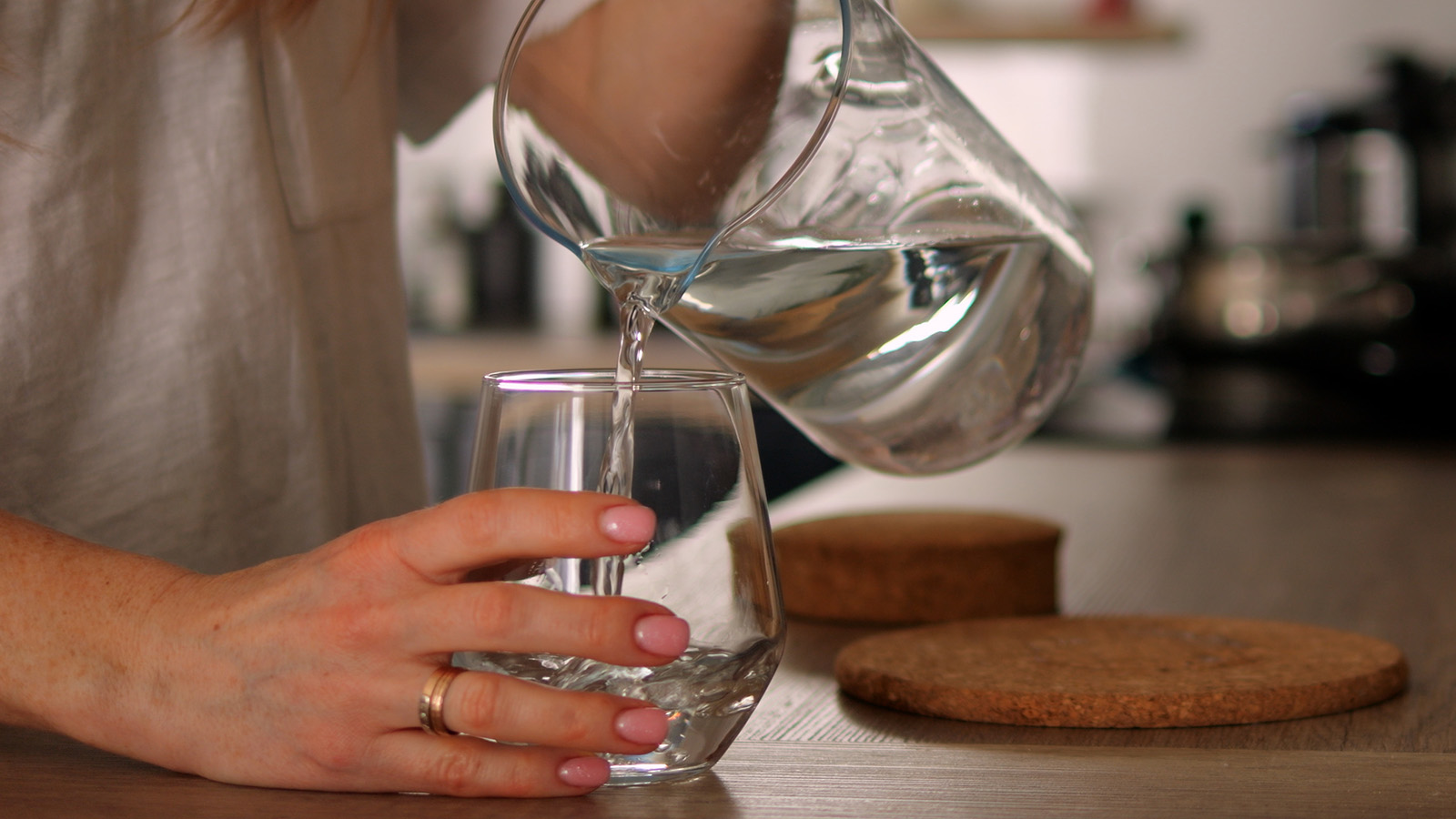
To prevent dehydration during Stage 1, be sure to drink 50 to 64 ounces daily, sip 4 to 5 ounces per hour, and track your fluid intake every day.
Moving to Stage 2
Stage 2, full-liquid diet, starts once you can tolerate at least 50 ounces or more of clear liquids daily, which will be around day 6. This stage will last about 1 to 2 weeks, but be sure to follow your surgeon’s instructions.
You’ll want to eat at least 40 grams of protein in Stage 2. Do not be alarmed if you are not meeting your full protein goal yet.
A full-liquid diet includes:
- 1 to 2 milky consistency protein drinks
- Fat-free milk
- Unsweetened soy or almond milk
- Thinned out Greek yogurt or Greek yogurt drinks – no fruit on the bottom or added sugar
- Thinned out sugar-free pudding
- Strained cream soup (no chunks) – select low-fat versions made with water or fat-free milk
Full liquids and milky liquids do NOT count towards your 50 to 64 ounces of clear fluid intake.
Tips and Reminders for Stage 2:
- Set a reminder to sip at least 1 ounce every 5-10 minutes
- No caffeine, carbonation or straws
- Try adding unflavored protein powder to cream soups or pudding
- Liquids that are too hot or too cold may cause nausea
Learn more about the importance of water, fluids, and protein after weight-loss surgery.
Need weight loss guidance? Connect with a specialist
If you’re on a journey to tackle your weight loss goals, you never have to go it alone. Virtua’s team of board-certified obesity medicine experts are ready to work with you and design a comprehensive plan that fits your needs.
Ready to start? Learn more about our Complete Weight Management Program and reach out to a weight-loss specialist today.
There's So Much More to Explore