What To Eat Before And After Your Workout
Are you going into your workout with the right fuel to power you through pushups, long runs, or cardio? Learn how to nourish your body so you can crush your workout goals.
By Gabriella Prettelt, Registered Dietitian, Virtua Nutrition & Diabetes Care
You go into your workout with the right clothes, sneakers, and attitude. But are you going into it with the right fuel to help you power through pushups or crank up your calorie burn during cardio?
To get the most benefit from your workout, you need to eat the right kinds of food before exercise and refuel well afterward. Knowing how to nourish your body before, during, and after exercise will help you crush your workout goals.
Before your workout: What and when to eat
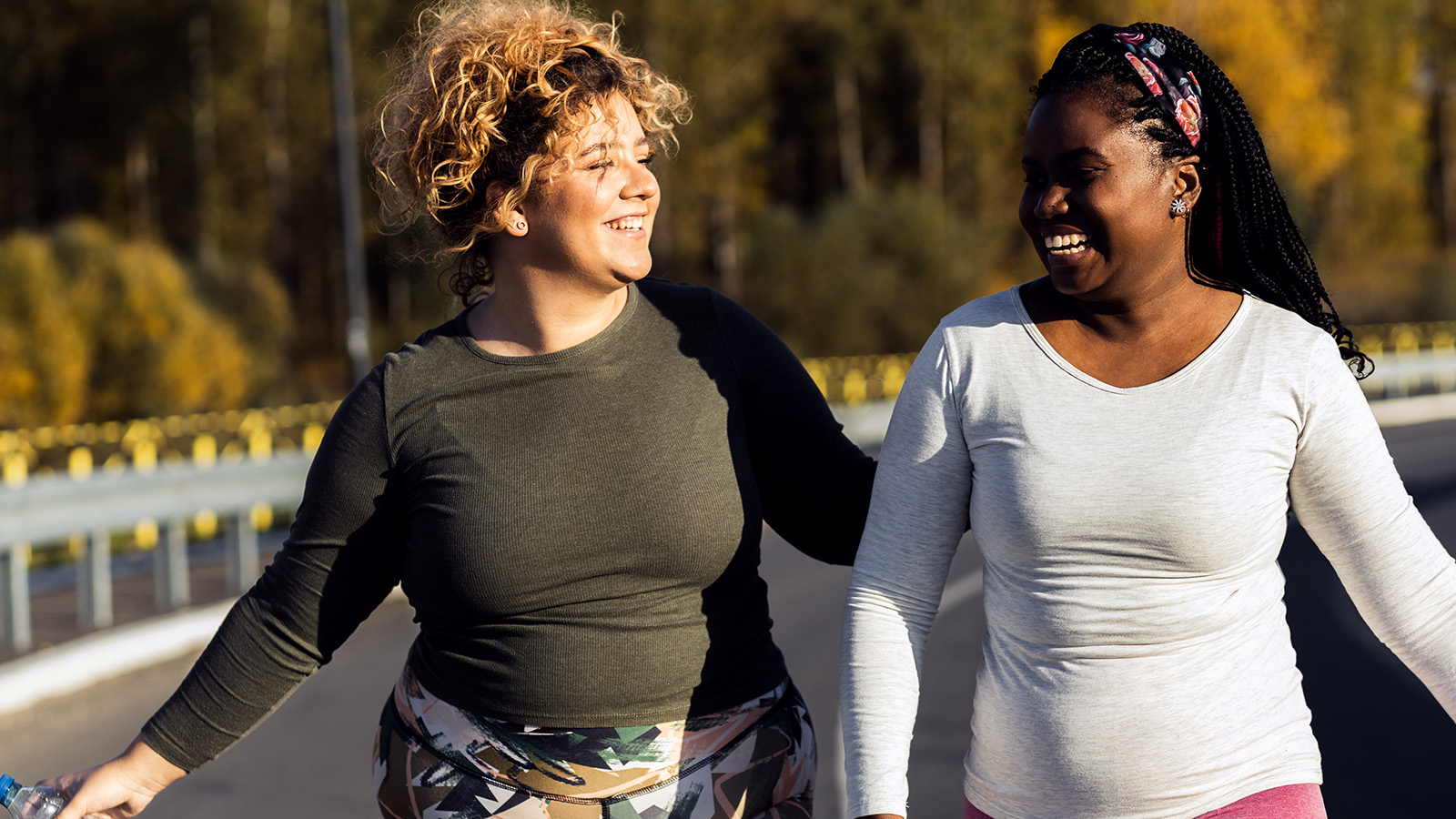
The amount and type of food to eat before workouts depend on your exercise goals. For example, if you’re exercising for leisure—like taking a stroll with a friend—you’ll have different nutritional needs than if you’re training for a marathon. The greater the physical endurance of your chosen activity, the more you’ll need to increase the amount of carbs and protein in your daily diet.
Always try to eat something within 2 hours of a work out. Focus on easily digestible nutritious foods with moderate protein, and avoid saturated fat – this nutrient takes longer to digest, and the body will prioritize digestion over muscle building.
Healthy carbohydrates (carbs) from whole grains like oatmeal or cold cereals, rice, pasta, beans or starchy vegetables provide long-lasting energy that will help you to get the most from your workouts. Lean protein like chicken, low-fat dairy products, and eggs also are good sources of pre-workout fuel.
Avoid eating sugary or salty snack foods to boost your energy before a workout—they just add unnecessary calories that could delay your ability to achieve your exercise goals. Instead, utilize the meals you’re already eating to get the workout fuel you need. Also, stick with healthy food for your daily dose of nutrients, since dietary supplements aren’t as beneficial as good nutrition.
Putting it all together, some good options for nutritious meals to eat prior to a workout might include:
- whole-grain cereal with low-fat or fat-free milk
- oatmeal and fruit
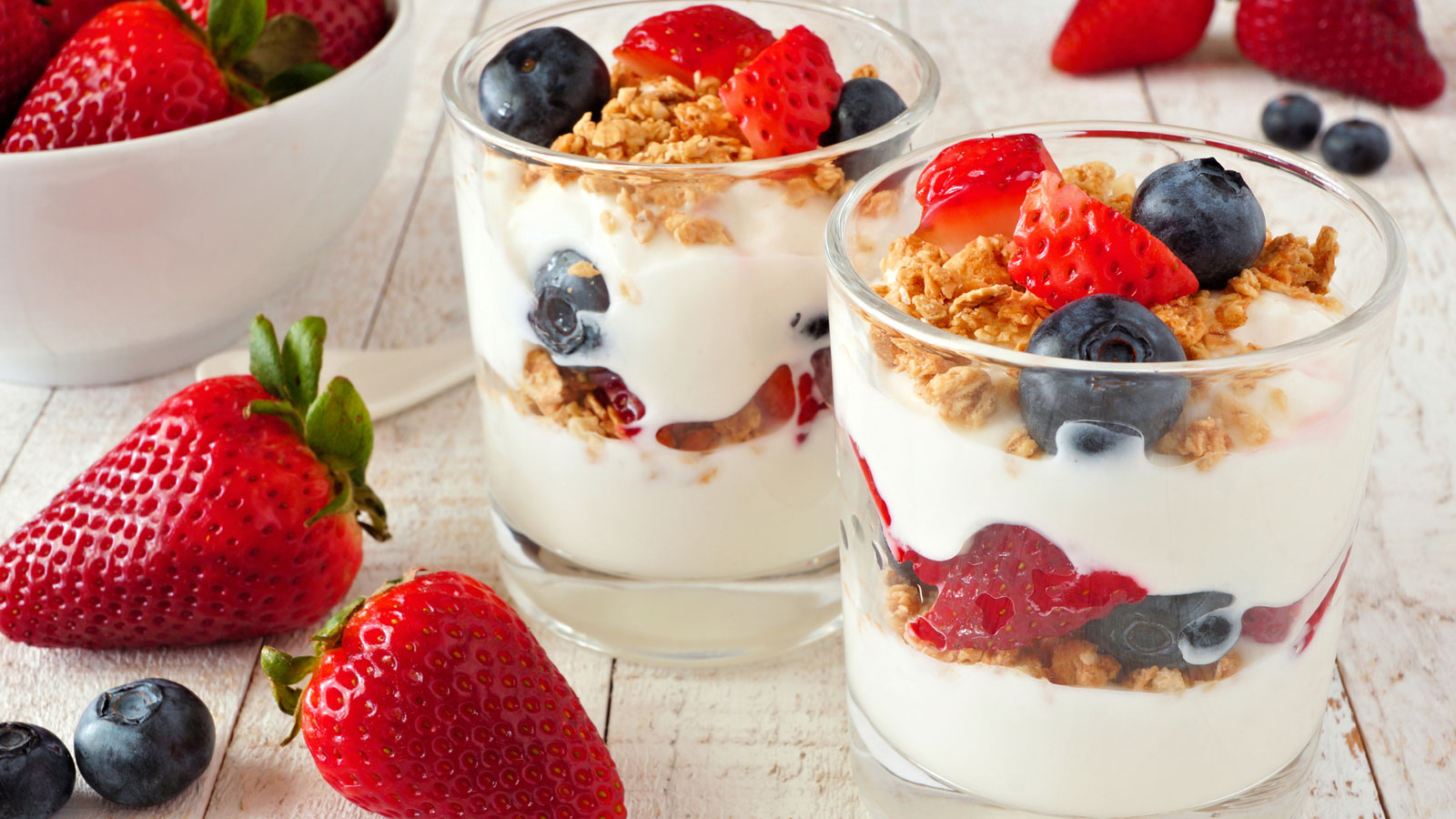
- low-fat Greek yogurt
- whole grain toast and peanut butter
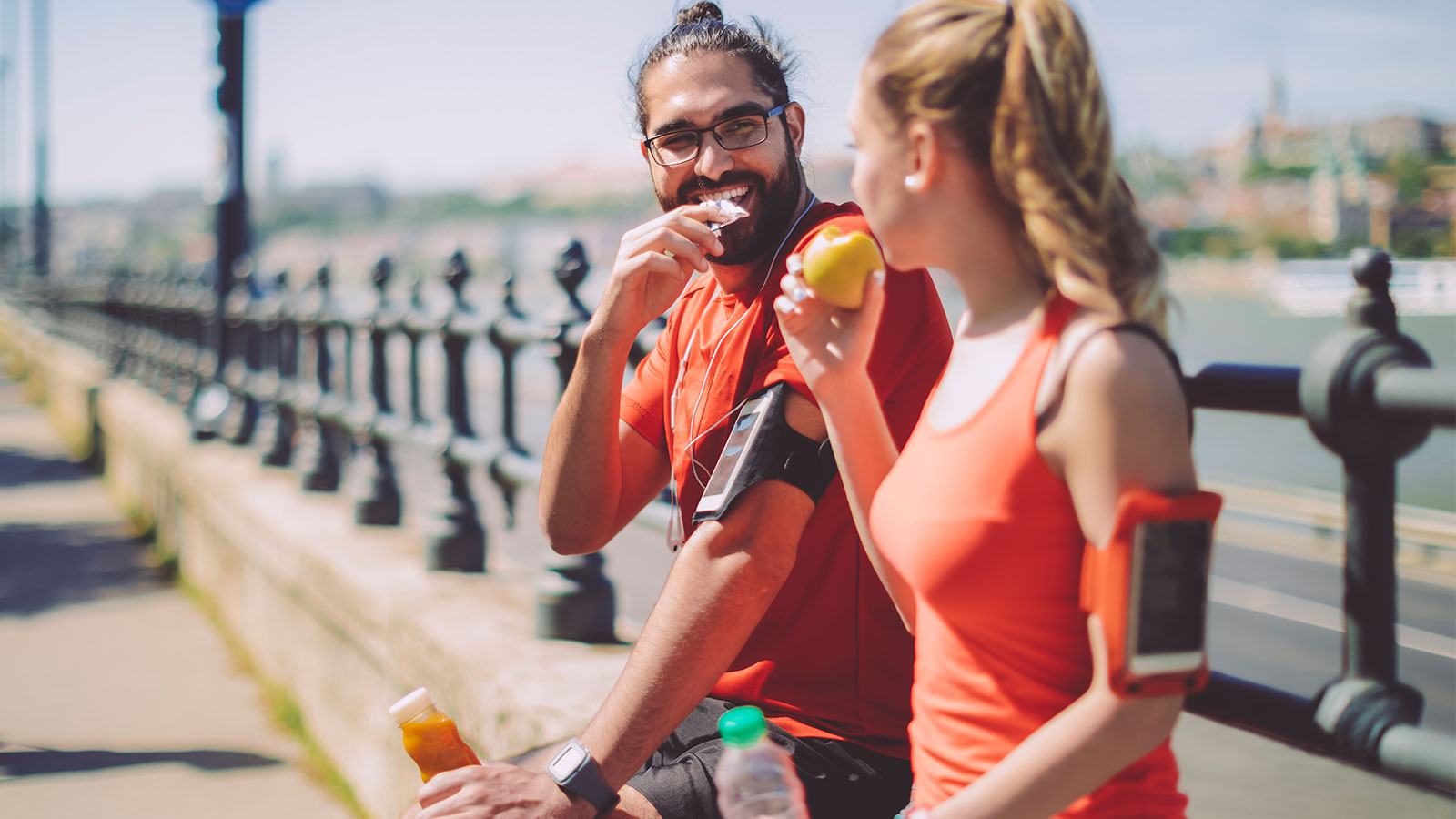
In addition to paying attention to nutritional content, also be mindful of the timing and frequency of your eating to make sure you’re not feeling too full or too hungry during your workouts. Eat a small, well-balanced meal every 3 to 4 hours throughout the day to keep your energy levels high. Also, keep your energy up by staying hydrated and drinking plenty of plain water throughout the day. If you're feeling peckish 30 minutes or less prior to a workout, make sure to chose easily digestible carbohydrate foods – such as a piece of fruit or a granola bar.
Should I eat during a workout?
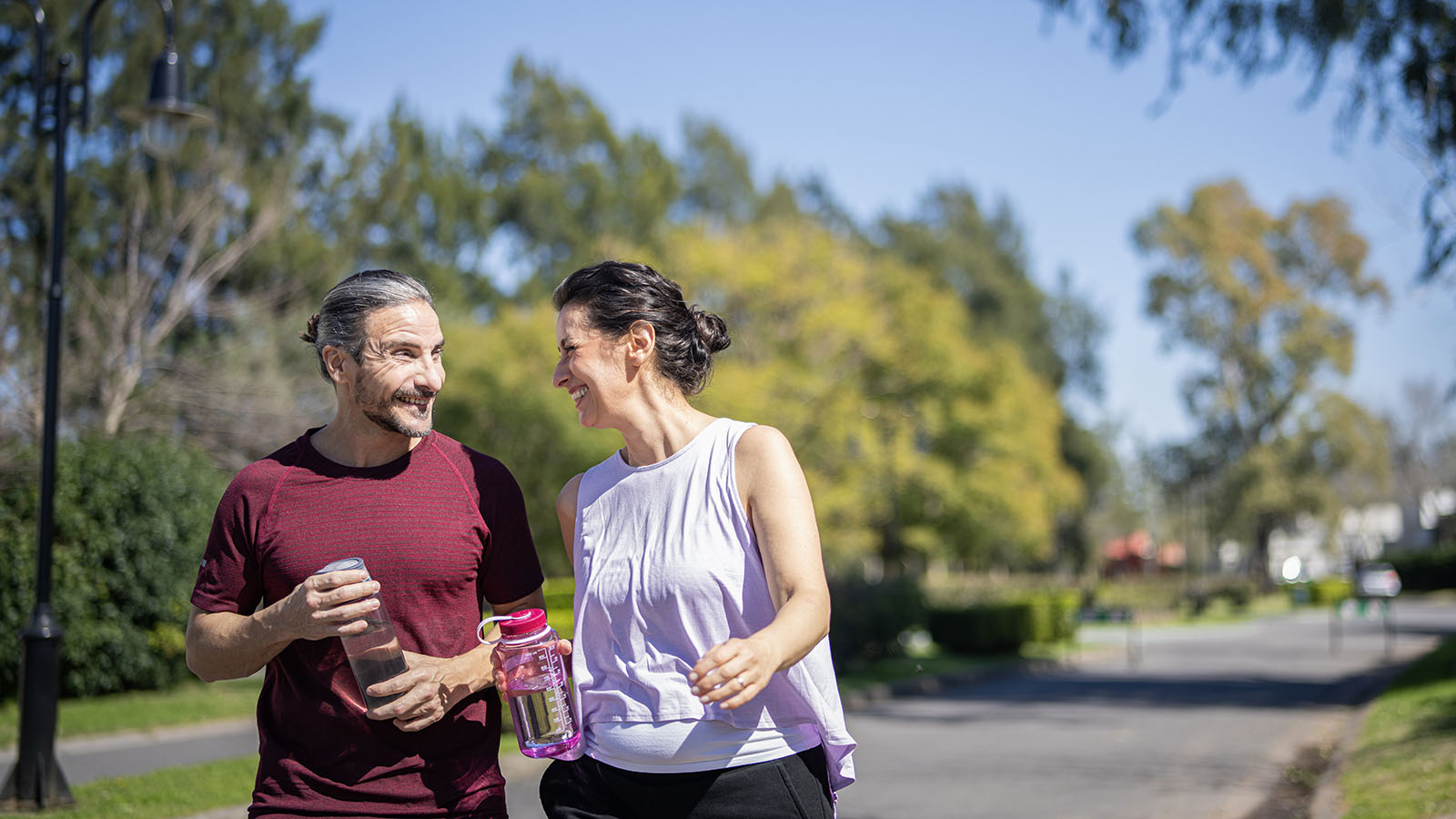
If your workout is shorter than 60 minutes, you don’t need to eat while you work out. Just drink water to stay hydrated.
If you’re doing an intense workout that’s longer than 60 minutes, drink a sports drink to replace lost electrolytes. During a long run, for example, try boosting your energy by eating something that your body can process quickly, such as:
- A banana
- Energy gels
- Fruit leather or other dried fruit
- Swedish Fish (dried fruit is preferable)
For moderate to intense workouts that go beyond 60 minutes, refuel with 30-60 grams of carbs every hour after the first hour.
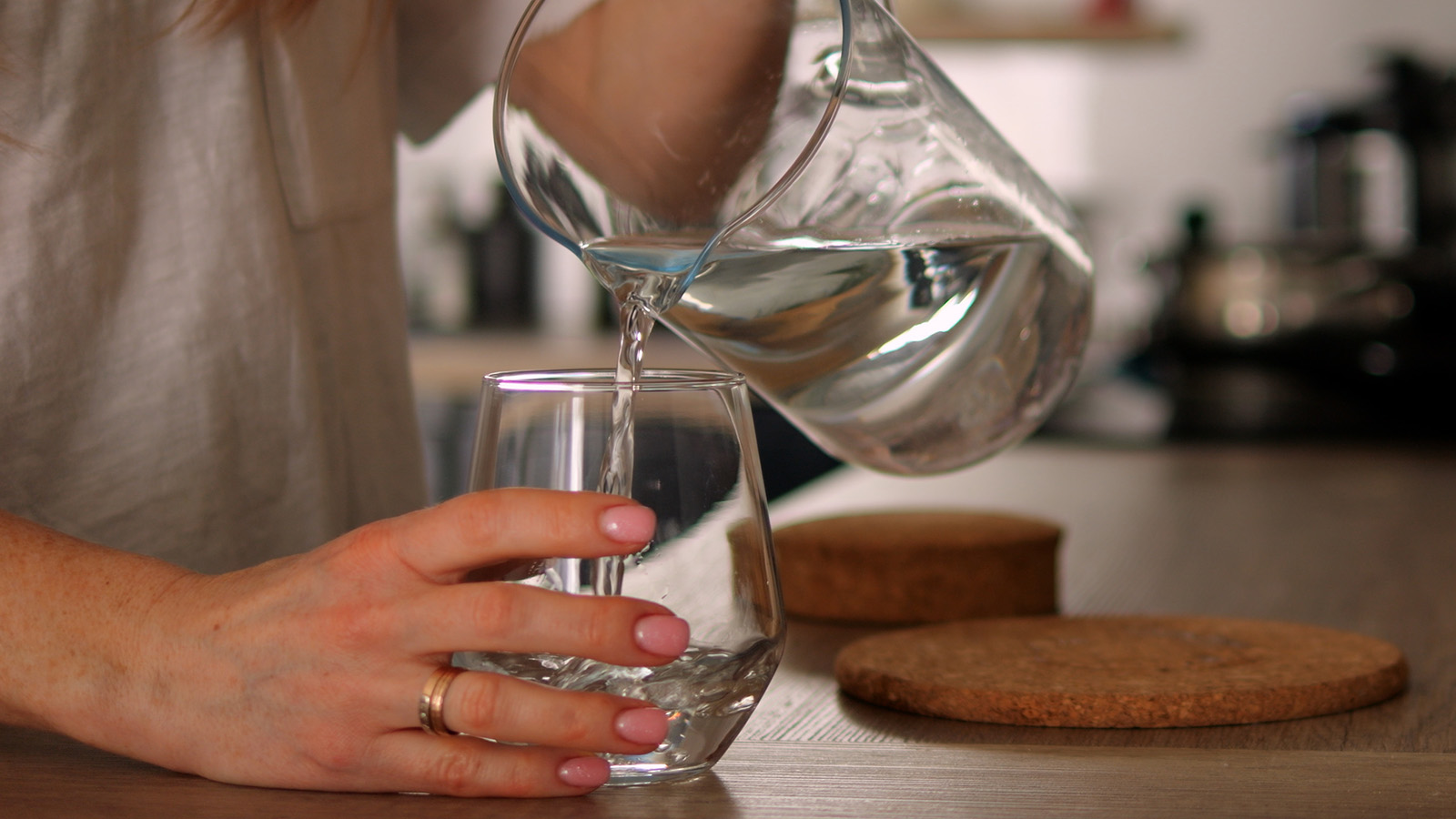
And you can’t say it enough—drinking water to stay hydrated is key in EVERY workout, but doing this is especially important during long workouts. If you’re wondering how much water to drink, weigh yourself before and after workouts. For every pound you lose right after a workout, drink 16 ounces of water to replace the lost fluids.
After your workout: What and when to eat
Eating protein and carbs 30-60 minutes after a workout allows your body to use nutrients effectively to build and repair muscle. Nutritious post-workout options include:
- A banana with peanut butter (or another nut butter) on whole-grain toast
- Veggie burger
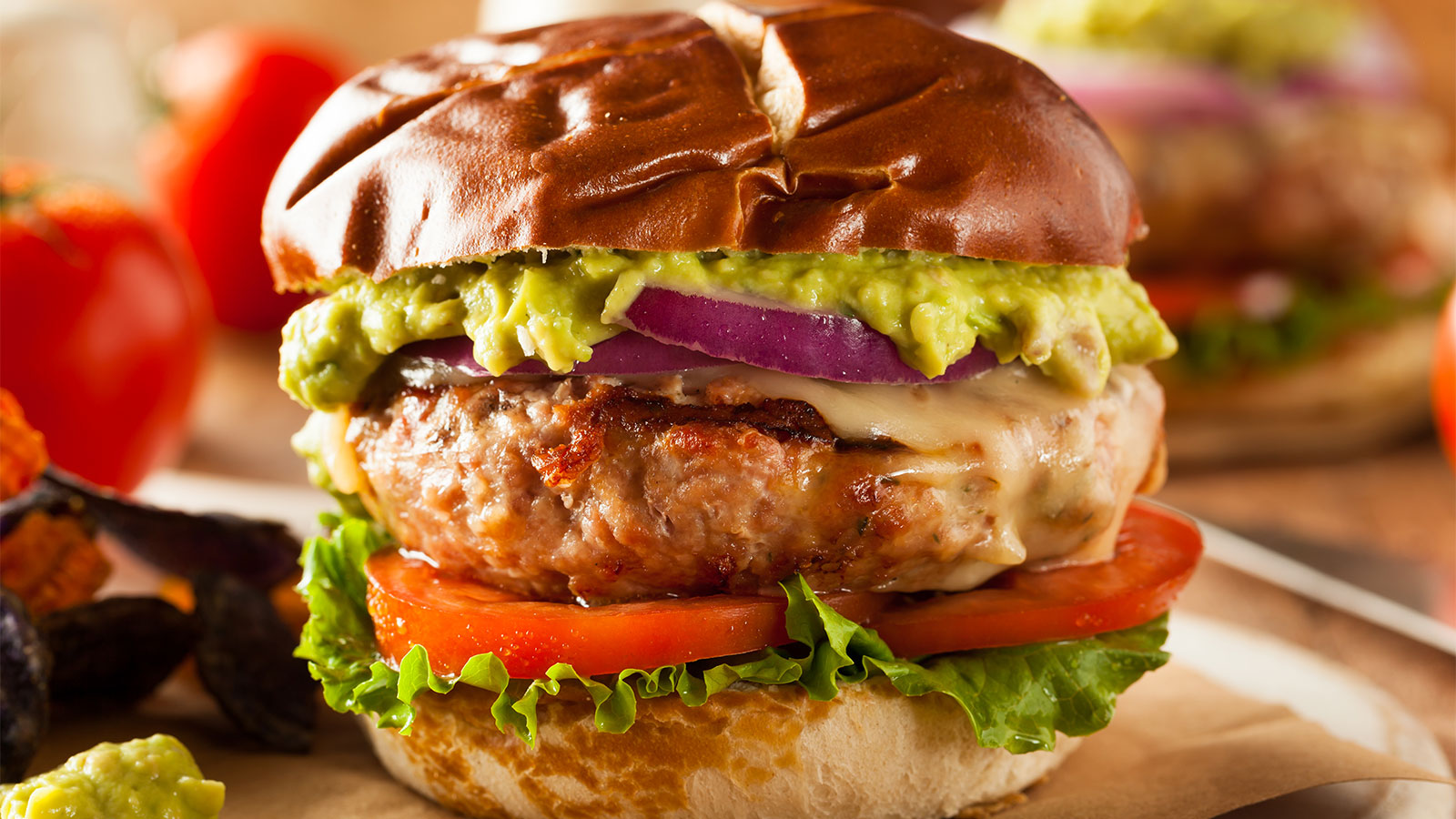
- Sandwich with turkey/chicken
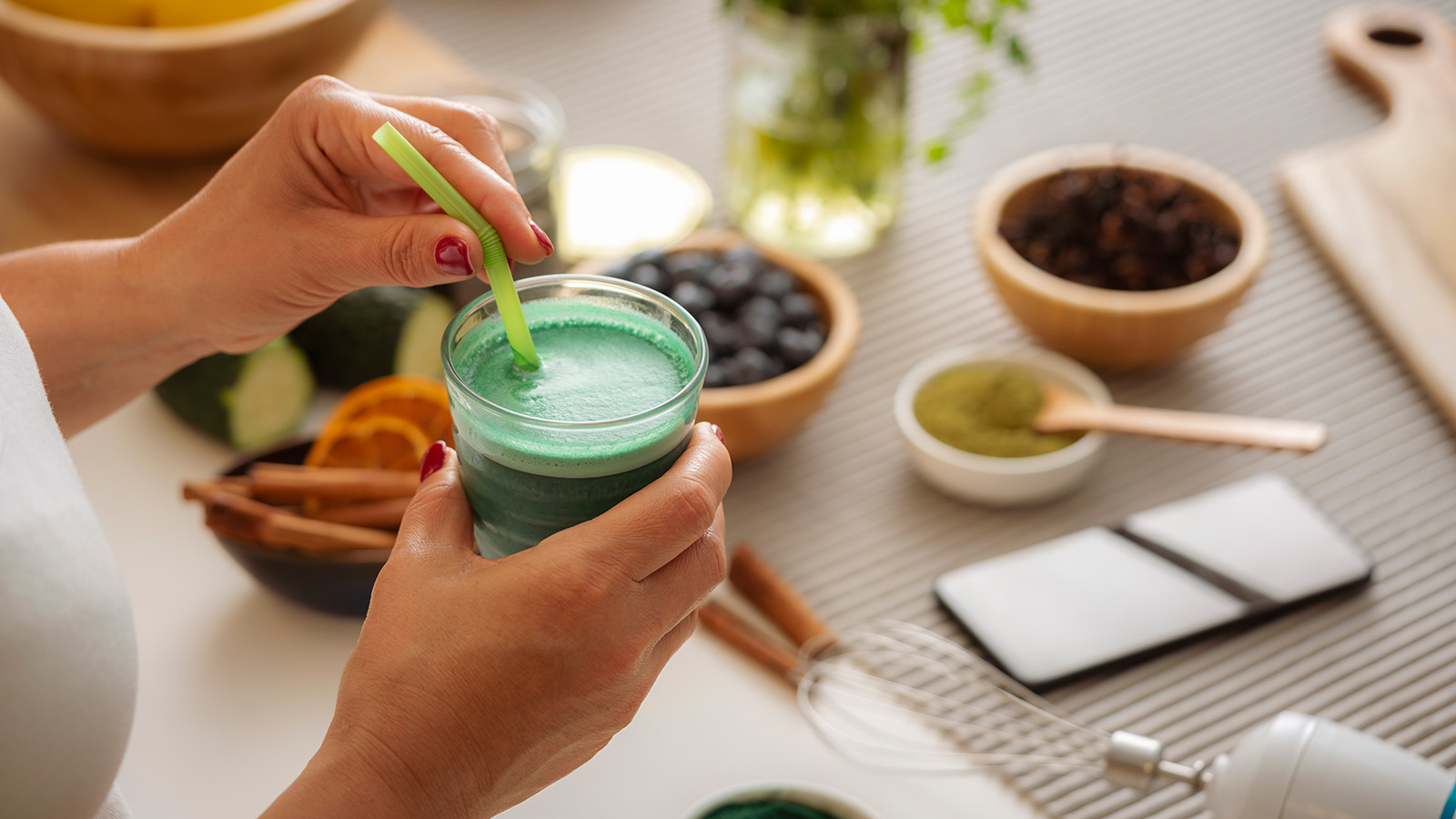
- A fruit smoothie made with fresh or frozen fruit, protein powder, and low-fat yogurt
- Chocolate milk
High-antioxidant foods also help repair muscles damaged during exercise and help build a strong immune system. These include:
- Colorful fruits and vegetables
- Cranberries
- Dark-colored foods such as kale, red beans, and blackberries
- Walnuts
To reduce muscle soreness, eat foods with anti-inflammatory properties, such as:
- Beets
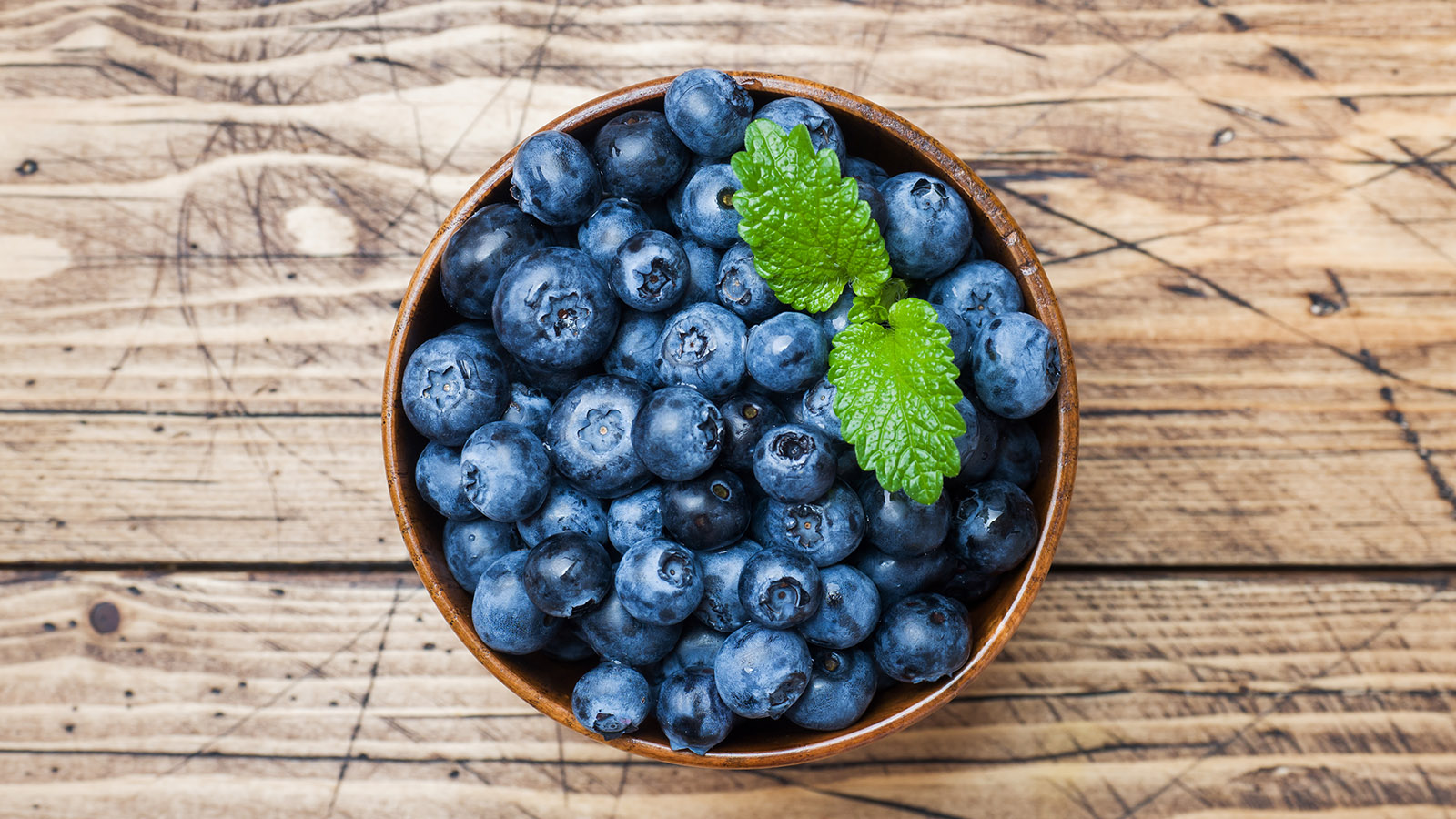
- Blueberries
- Green tea (though, remember this can be caffeinated and can dehydrate the body)
- Healthy fats like avocado or olive oil
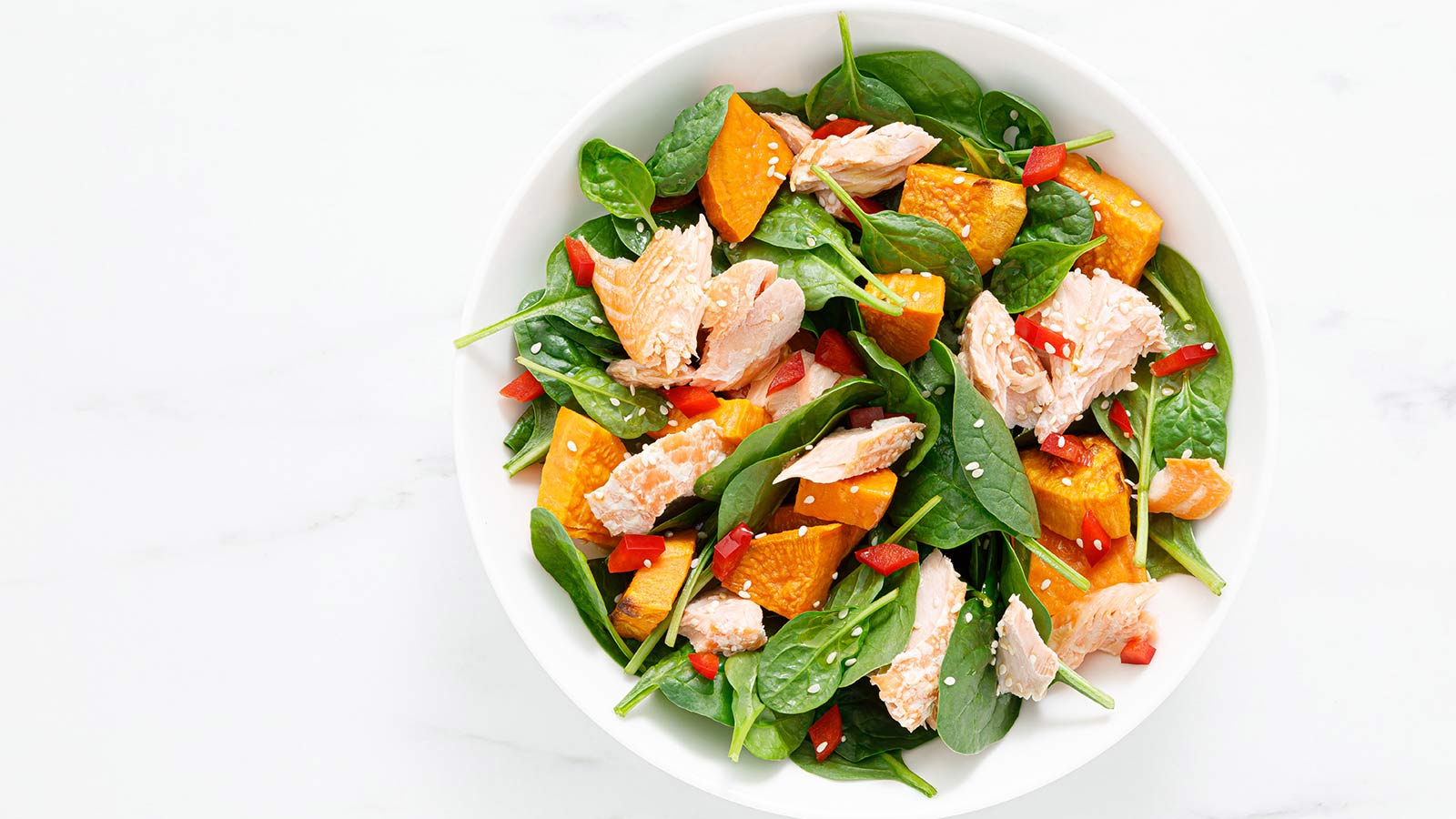
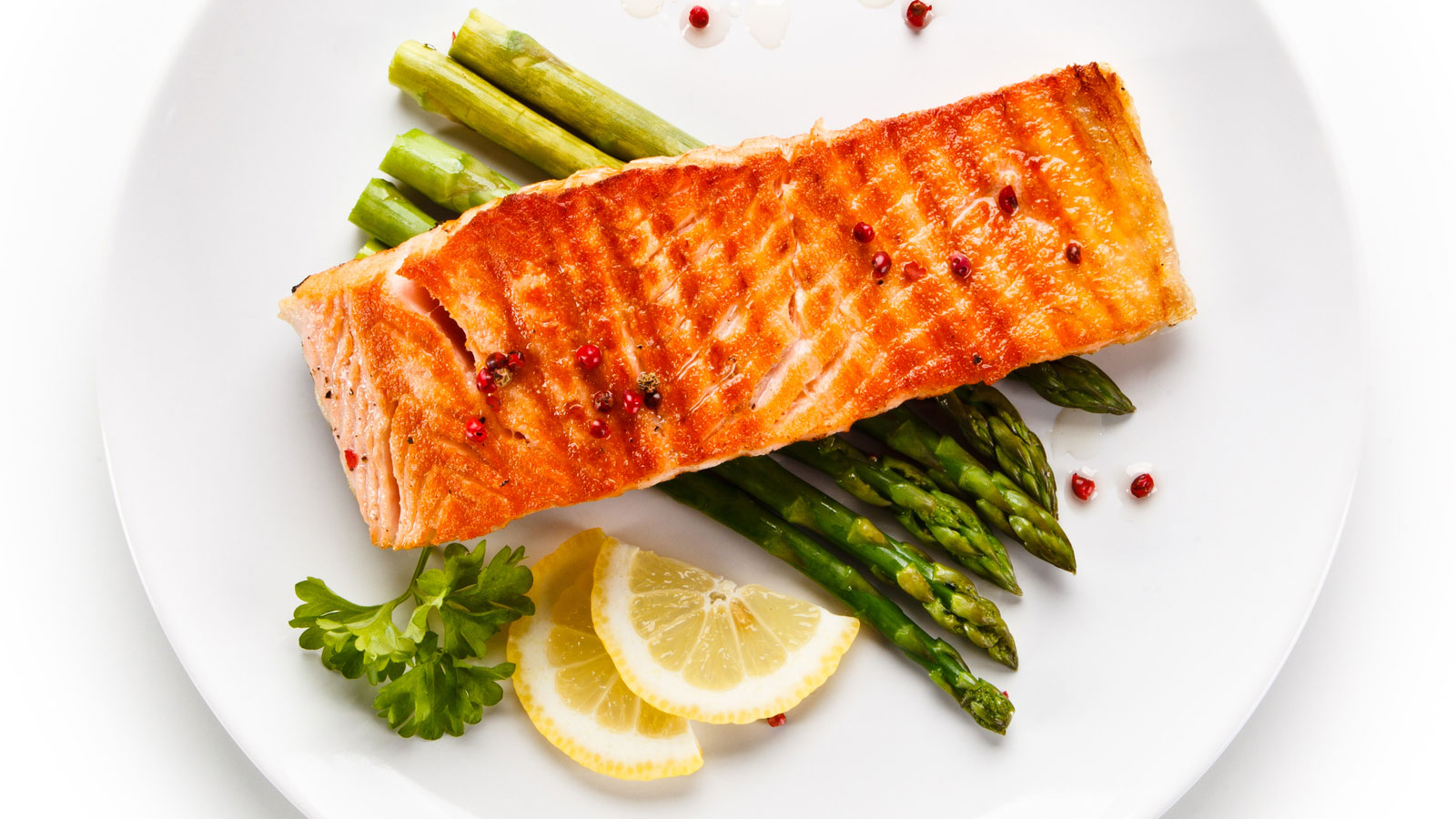
- Salmon (wild-caught)
- Tart cherry juice
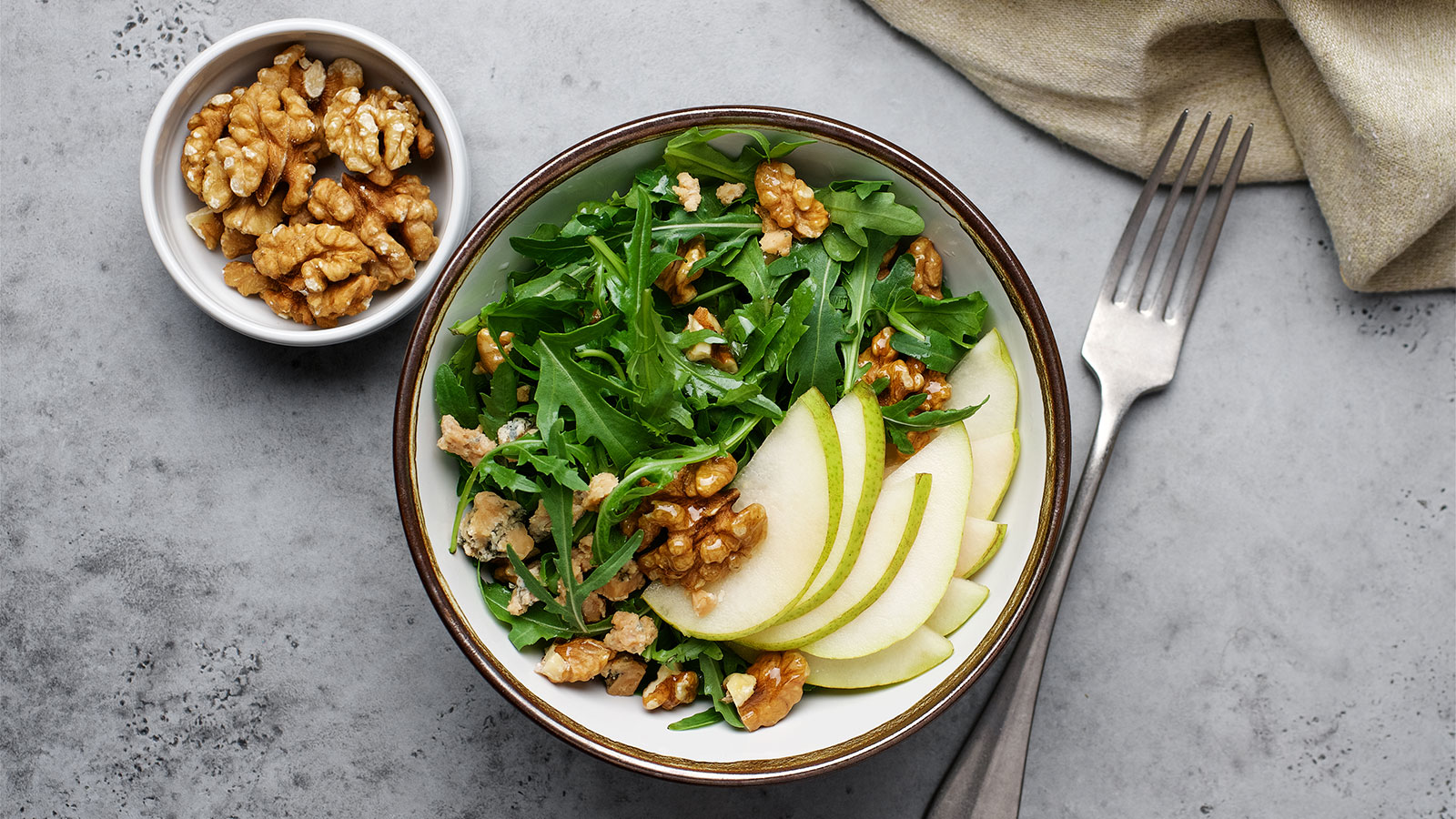
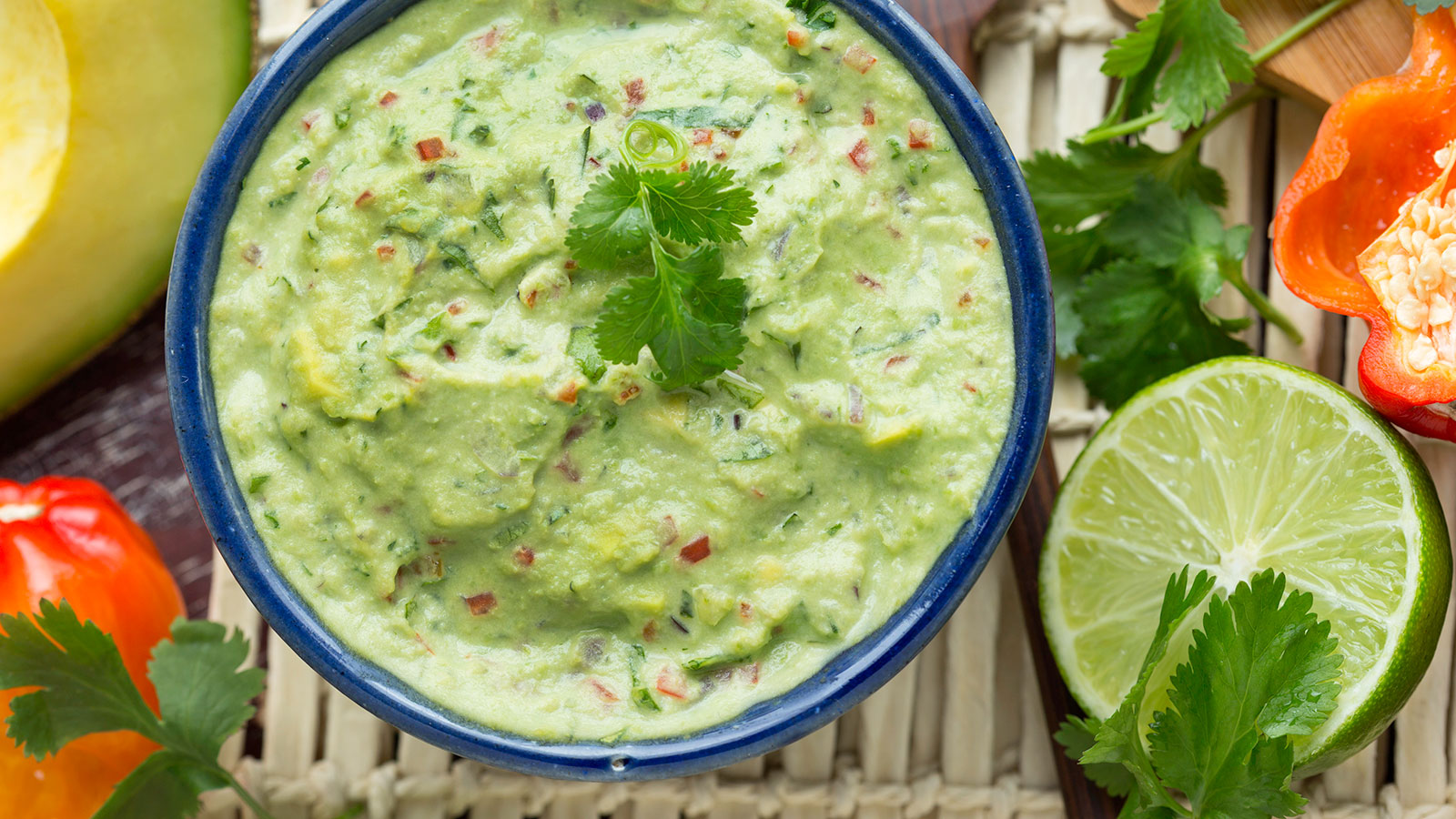
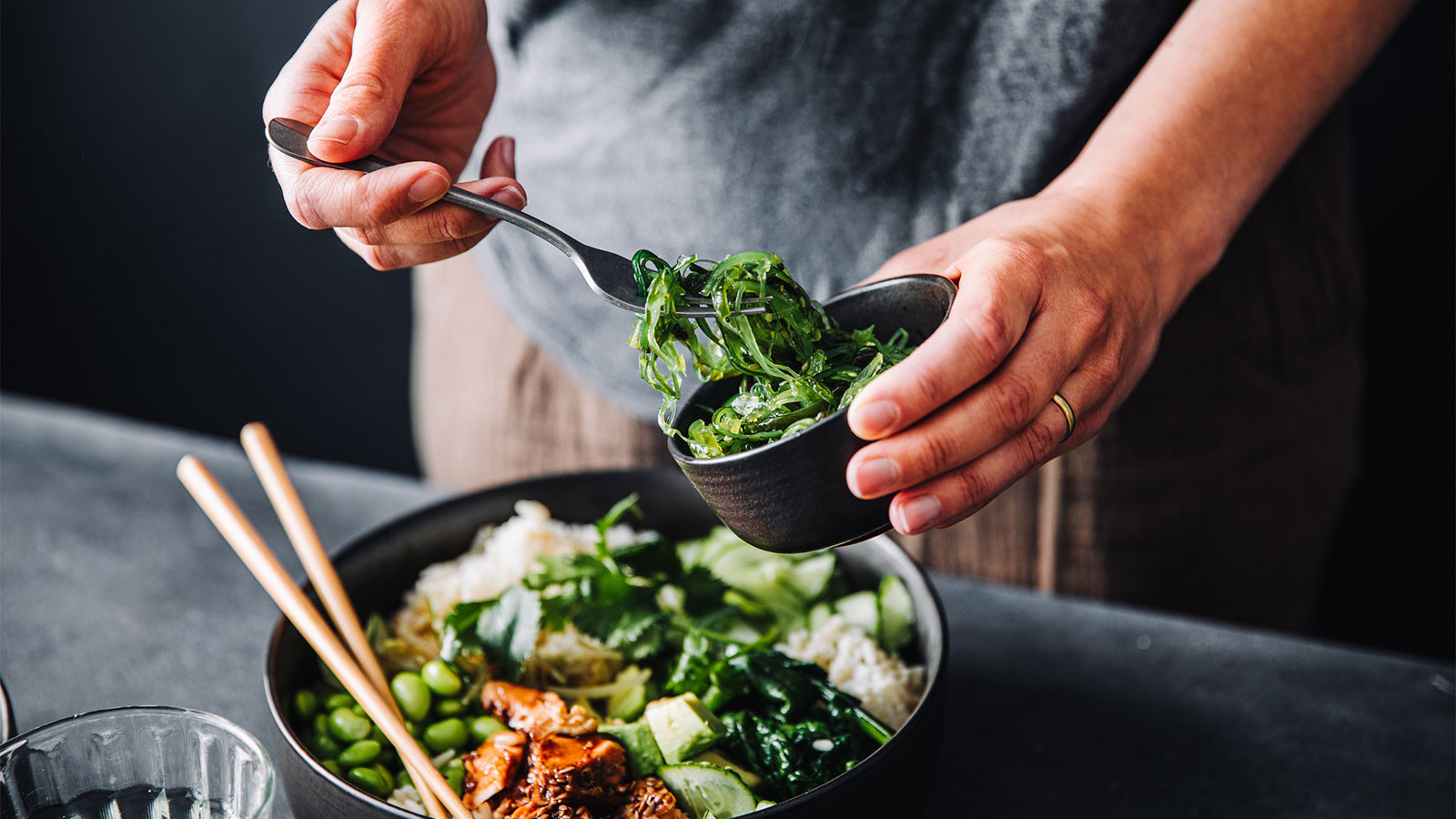
If you’re looking to add some different flavors to your daily diet and boost your post-workout recovery, try salmon with cilantro pesto, skinny guacamole, or quinoa with watercress, pears, and pomegranates. For some more meal ideas, you can try:
- Salmon with quinoa and colorful veggies like cucumber, carrot, and pickled cabbage
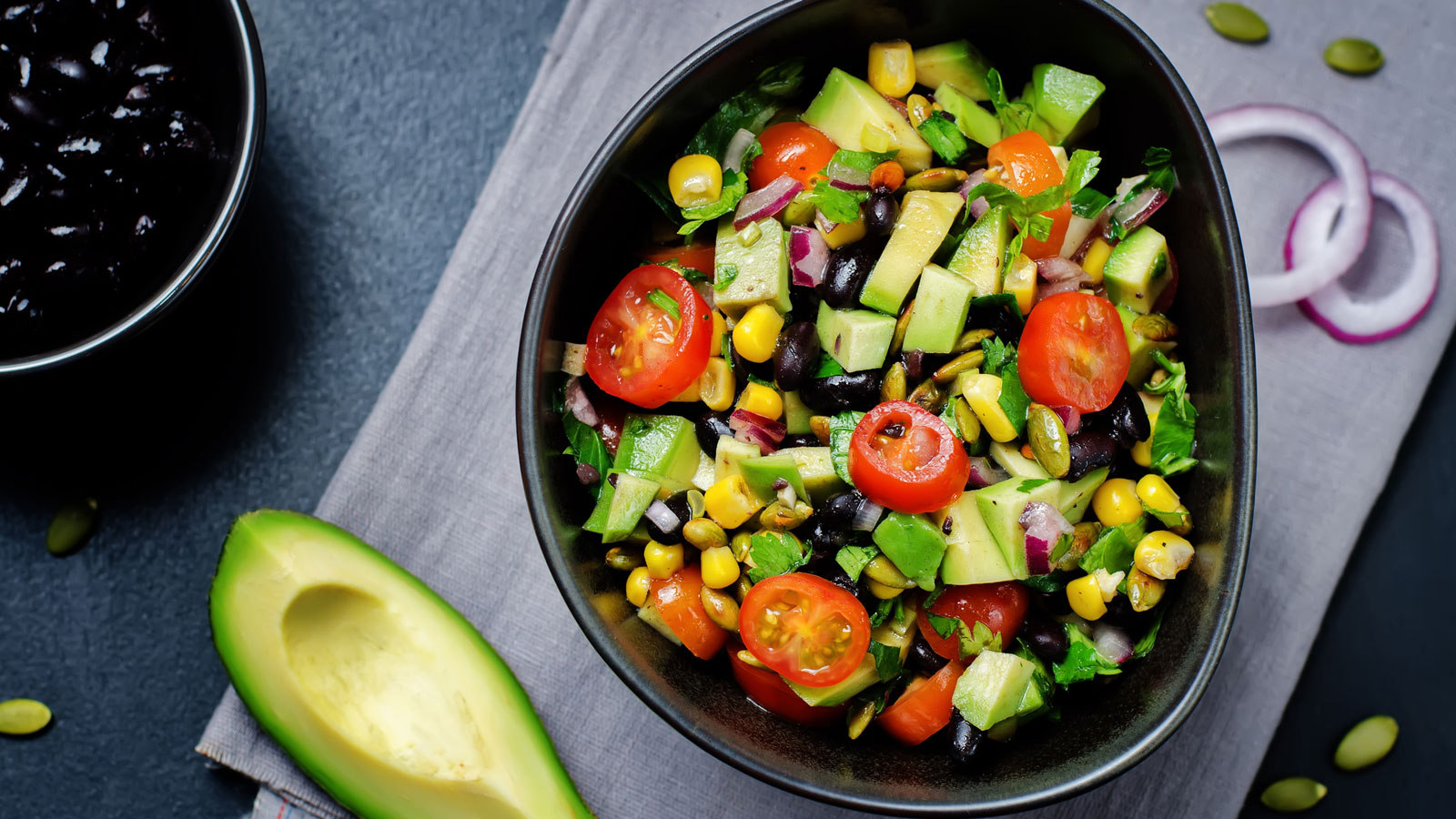
- High protein guacamole that cuts calories by using 1/2 an avocado, and adds extra protein with mashed cooked edamame
- A bright harvest bowl with sweet potatoes, grilled chicken, kale and pomegranate
Each of these healthy recipes contains foods that are high in antioxidants or have anti-inflammatory benefits.
Although it may be tempting to reward yourself with a sweet treat or an extra snack after your workout, adding empty calories could be counterproductive to your performance goals — especially if you’re trying to lose weight. At the same time, don't deprive yourself – opt for a healthier option when you're really feeling snacky, such as:
- A low-sugar Greek yogurt with dark chocolate chips (try sticking in the freezer for an hour for a froyo-like consistency)
- A rice cake topped with nut butter, fruit, and cinnamon
A registered dietitian can help you achieve your fitness goals by customizing your diet to provide the best possible fuel for your workouts.
Schedule an appointment with a dietitian today
Call 888-847-8823 to schedule an in-person or telehealth appointment with a Virtua Health registered dietitian who can help you with sports nutrition and weight loss or work with you to develop a healthy, well-balanced eating plan.
There's So Much More to Explore