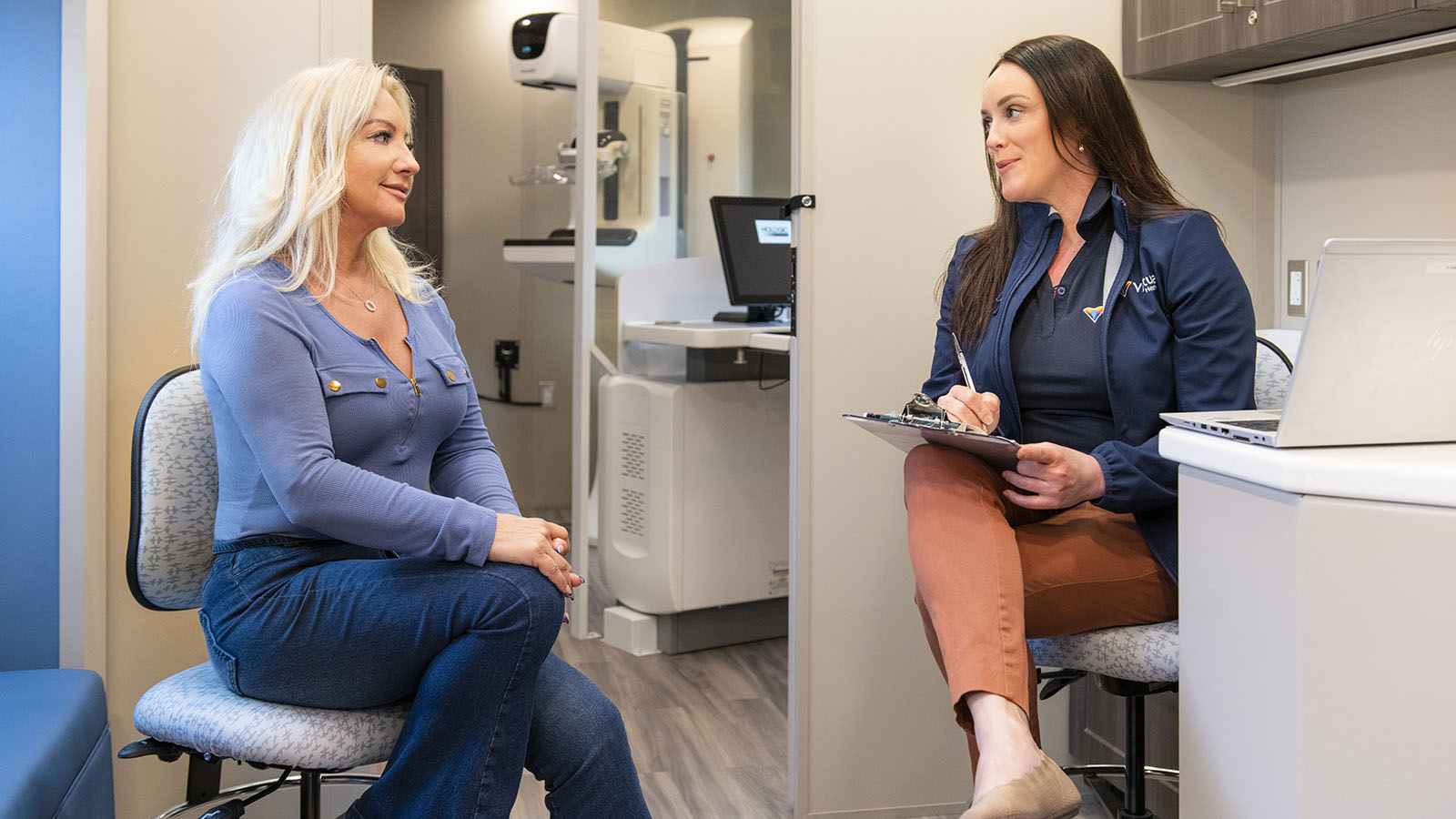
How Human-Centered Technology is Improving Health Care
The best technology in health care doesn't replace human connection—it strengthens it. Discover how human-centered innovation helps clinicians spend more time with patients, improves access to care, and supports better health outcomes.
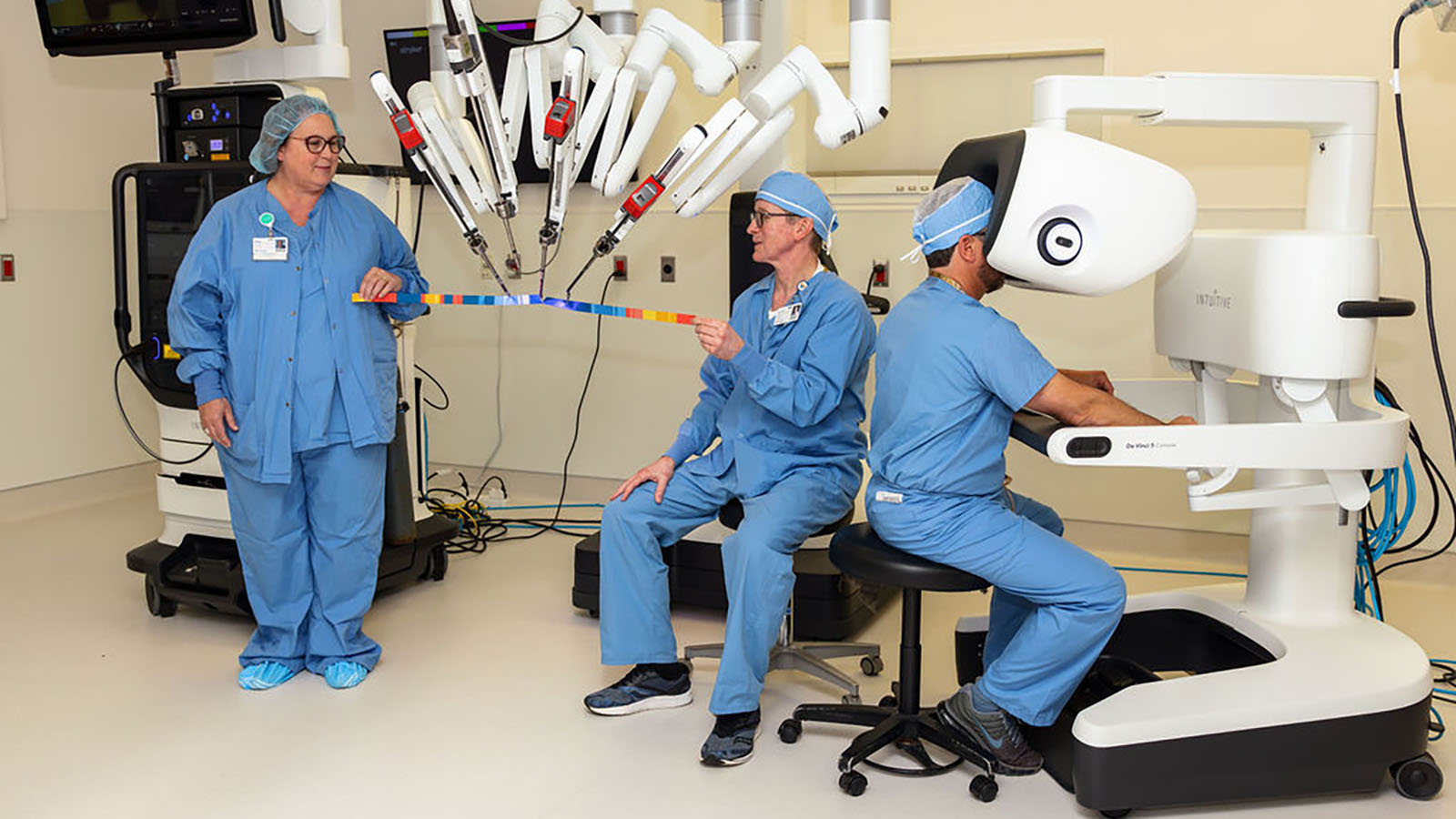
Technology has changed nearly every part of our lives, and health care is no exception. From artificial intelligence to remote monitoring and digital health records, new tools are helping care teams work in ways that weren't possible just a few years ago.
But the real question isn't what technology can do. It's who it helps.
The most meaningful innovations aren't measured by how advanced they are. They're measured by whether they make it easier for clinicians to care for patients, easier for patients to access care, and easier for people to feel seen, heard, and supported throughout their health journey.
At Virtua Health, that's the lens through which every technology decision is made: not innovation for innovation's sake, but innovation that strengthens the human experience of care.
We don't adopt technology because it's new. We adopt it because it helps people.
Health care is evolving quickly. New artificial intelligence tools, digital platforms, and clinical technologies seem to emerge every day.
But not every new innovation belongs in patient care.
At Virtua, we believe technology should solve real problems—not simply add another screen, another alert, or another workflow. Before implementing a new technology, we ask a few important questions:
- Will this give clinicians more time with patients?
- Will this reduce unnecessary administrative work?
- Will this help patients access, understand, or navigate their care more easily?
- Will this improve quality, safety, or health outcomes?
- Does it strengthen—not replace—the human connection that's central to great care?
If the answer is yes, it's worth exploring. If not, then the technology may be innovative—but it isn't meaningful.
That's why our approach to innovation starts with people instead of products.
The best health care technology doesn't replace human connection
Technology sometimes gets positioned as something that will replace people. In reality, its greatest value comes from supporting the people already doing the work.
Health care professionals entered medicine to care for patients—not to spend hours documenting visits, searching for information, or managing administrative tasks. Yet those responsibilities continue to consume a significant portion of a clinician's day.
That's why we’re thoughtfully implementing technologies, including artificial intelligence, in ways that support—not replace—our care teams.
For example, AI-powered documentation tools can help clinicians complete medical notes more efficiently, reducing the amount of time spent after appointments catching up on paperwork. Enhancements to the electronic health record can make important patient information easier to find, while clinical decision-support tools can surface relevant insights that help providers make informed decisions more quickly.
These technologies aren't making decisions for clinicians. They're reducing friction in everyday workflows so caregivers can spend less time behind a computer and more time connecting with people.
Better technology creates better patient experiences
Technology should improve the experience for everyone involved in care—not just the people providing it.
We know that our patients want health care to feel easier to navigate. They want clear communication, convenient access to care, and confidence that their care team has the information they need.
That's where intentional digital innovation comes in.
Online scheduling, patient portals, electronic health records, digital communication tools, and virtual care options all work together to make it easier for patients to connect with their care teams and stay engaged in their health.
When technology removes barriers, patients can spend less time navigating the health care system and more time focusing on their well-being.
Smarter technology can help teams respond earlier
One of the most exciting opportunities in health care technology isn't replacing human decision-making—it's helping clinicians recognize important changes sooner.
Today’s digital tools provide care teams with a more complete picture of a patient's health. Instead of relying on snapshots taken during office visits or hospital stays, clinicians can access more timely information that helps them identify trends, monitor progress, and recognize subtle changes that may need attention.
Whether it's remote patient monitoring for someone managing a chronic condition, wearable devices that track key health metrics, predictive analytics that identify patients at higher risk for complications, or enhanced clinical alerts within the electronic health record, these technologies help bring important information to the right people at the right time.
Every alert, recommendation, and data point is interpreted by experienced clinicians who combine that information with their medical expertise, conversations with patients, and a deep understanding of each person's unique needs.
Technology simply provides another layer of insight—helping care teams make informed decisions with greater confidence and respond when patients need them most.
Keeping humanity at the center of innovation
Artificial intelligence will continue to evolve. Digital health tools will become even more sophisticated. Technology will continue changing the way health care is delivered.
But one thing should never change: Health care is, and always will be, about people.
Because the future of health care isn't about choosing between technology and humanity. It's about using technology to make health care even more human.
There's So Much More to Explore