Why Community Health Matters More Than Ever
Health doesn't begin at a doctor's appointment. Learn how access to food, preventive care, education, and community support helps people stay healthier—and why investing in communities benefits everyone.
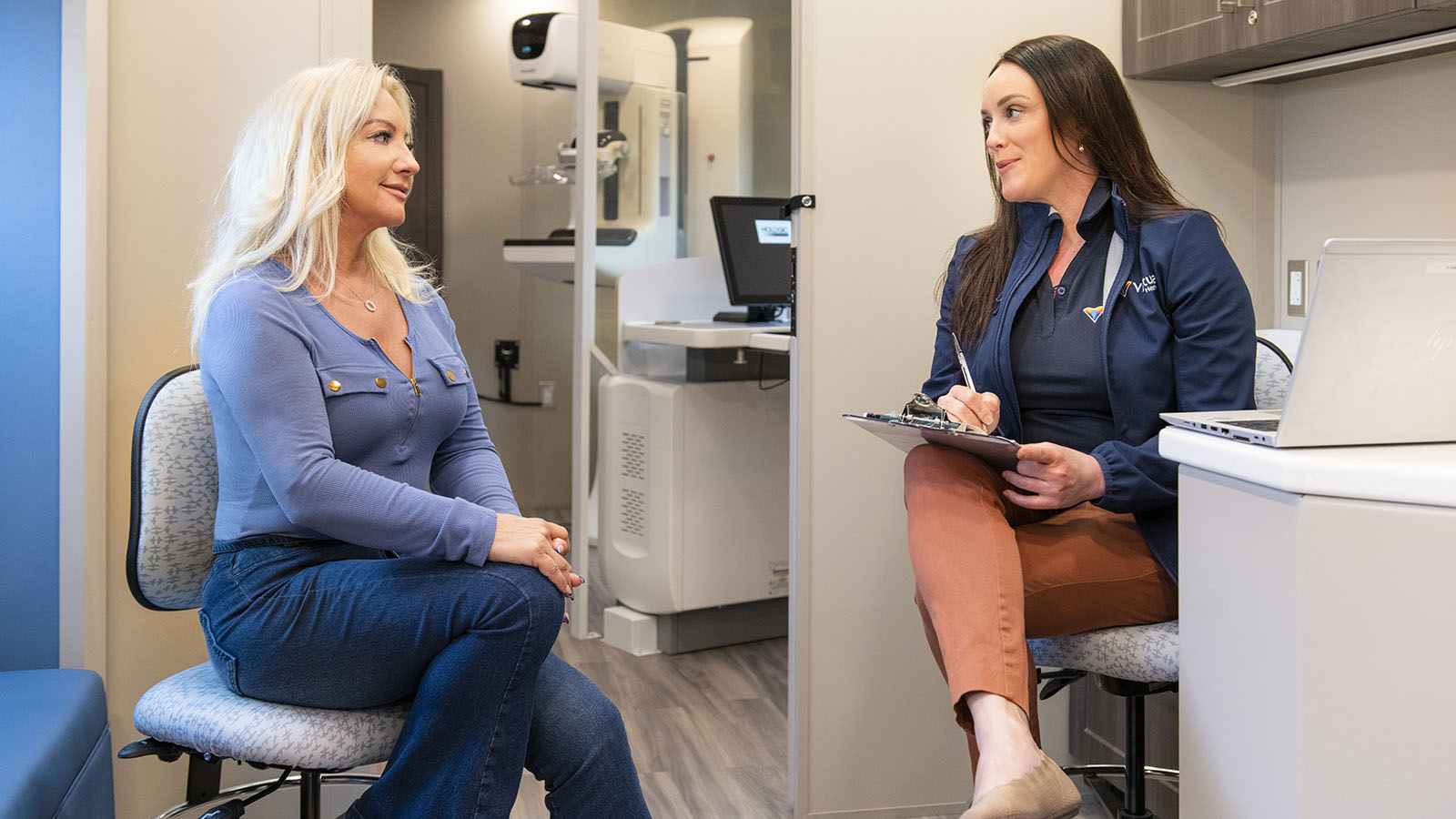
Most people think health care begins when you schedule an appointment. But the truth is, it begins much earlier.
It begins with having healthy food at home. Safe, affordable housing. An interpreter who helps someone understand their care. Reliable transportation to a doctor's office. Or simply having trusted health care facilities that are in your neighborhood.
These everyday resources shape our health long before we ever need medical treatment.
They're known as the social drivers of health—the conditions that influence how healthy we are throughout our lives. And while they don't always make headlines, they often determine whether someone gets the care they need before a small problem becomes a serious one.
Communities that invest in these building blocks don't just improve individual health. They create stronger neighborhoods, healthier families, and a better future for everyone.
What is community health?
Community health is the health and well-being of the people who live, work, learn, and play in a community.
It goes beyond treating illness after it happens. Community health focuses on creating the conditions that help people stay healthy in the first place.
That can mean making it easier to access primary care, preventive screenings, and behavioral health services. It can also mean ensuring people have access to nutritious food, safe places to be active, reliable transportation, stable housing, and the support they need to manage their health every day.
In other words, community health recognizes that our health isn't shaped by medical care alone. It's influenced by the places we live, the resources around us, and the opportunities we have to make healthy choices.
How small barriers can become bigger health issues
Many health challenges don't start with an emergency. They start with a delayed annual physical. A prescription that's stretched a little longer than it should be. A recommended screening that's postponed because life gets in the way.
Those small delays can have lasting consequences.
According to the Kaiser Family Foundation, nearly three in ten adults in the United States say they've delayed or skipped medical care because of cost—even when they have health insurance. Research from the Agency for Healthcare Research and Quality also shows that adults without a regular source of care are significantly more likely to rely on emergency departments for conditions that could have been treated earlier.
At the same time, the Centers for Disease Control and Prevention reports that about six in ten U.S. adults live with at least one chronic disease, many of which can be better managed through regular preventive care and ongoing support.
The earlier people can access care, the better the opportunity to prevent bigger health issues down the road.
How Virtua Health is empowering community health in South Jersey
At Virtua Health, community health means meeting people where they are—not just caring for them when they're sick.
That's why we invest in programs and partnerships that bring health care beyond the walls of our hospitals and into the neighborhoods we serve. By making care more convenient and addressing everyday barriers, we're helping more people get the support they need before small concerns become bigger health issues.
Some of the ways we're supporting healthier communities include:
- Community Screenings and Health Education: Free and low-cost screenings, educational programs, and outreach events help people better understand their health, identify potential concerns early, and connect with care before problems become more serious.
- Neighborhood-Based Care: With primary care practices and neighborhood health centers throughout South Jersey, we're making it easier for people to access preventive care and ongoing support close to home.
- Pediatric Mobile Services: Our mobile medical units bring pediatric primary care directly to schools and community locations, helping children receive routine care, immunizations, physicals, and treatment without unnecessary barriers.
- CASTLE (Children Achieving Success Through Therapeutic Life Experiences): CASTLE provides behavioral health services for children and adolescents, connecting families with therapy, counseling, and support to help young people thrive emotionally and mentally.
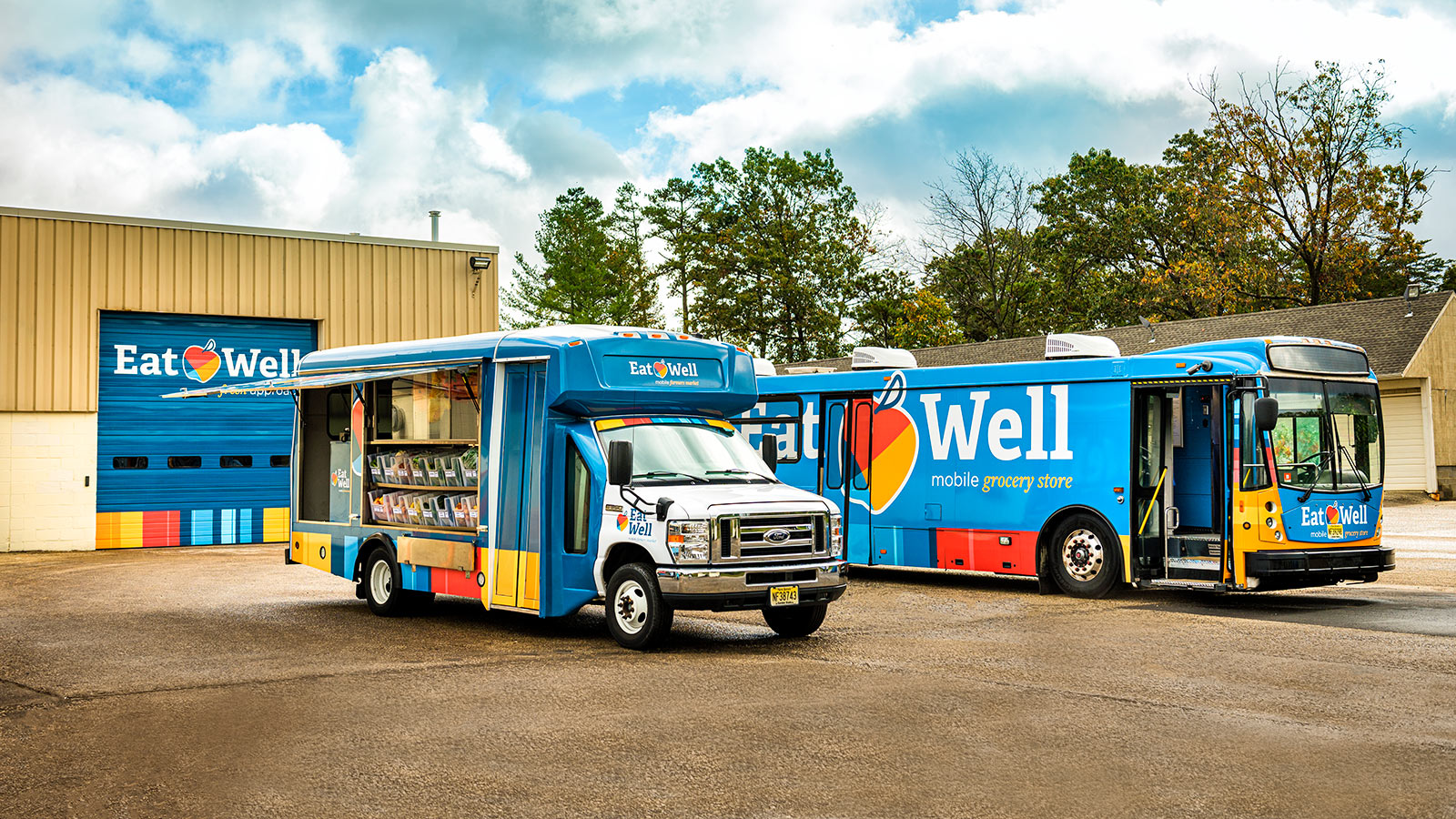
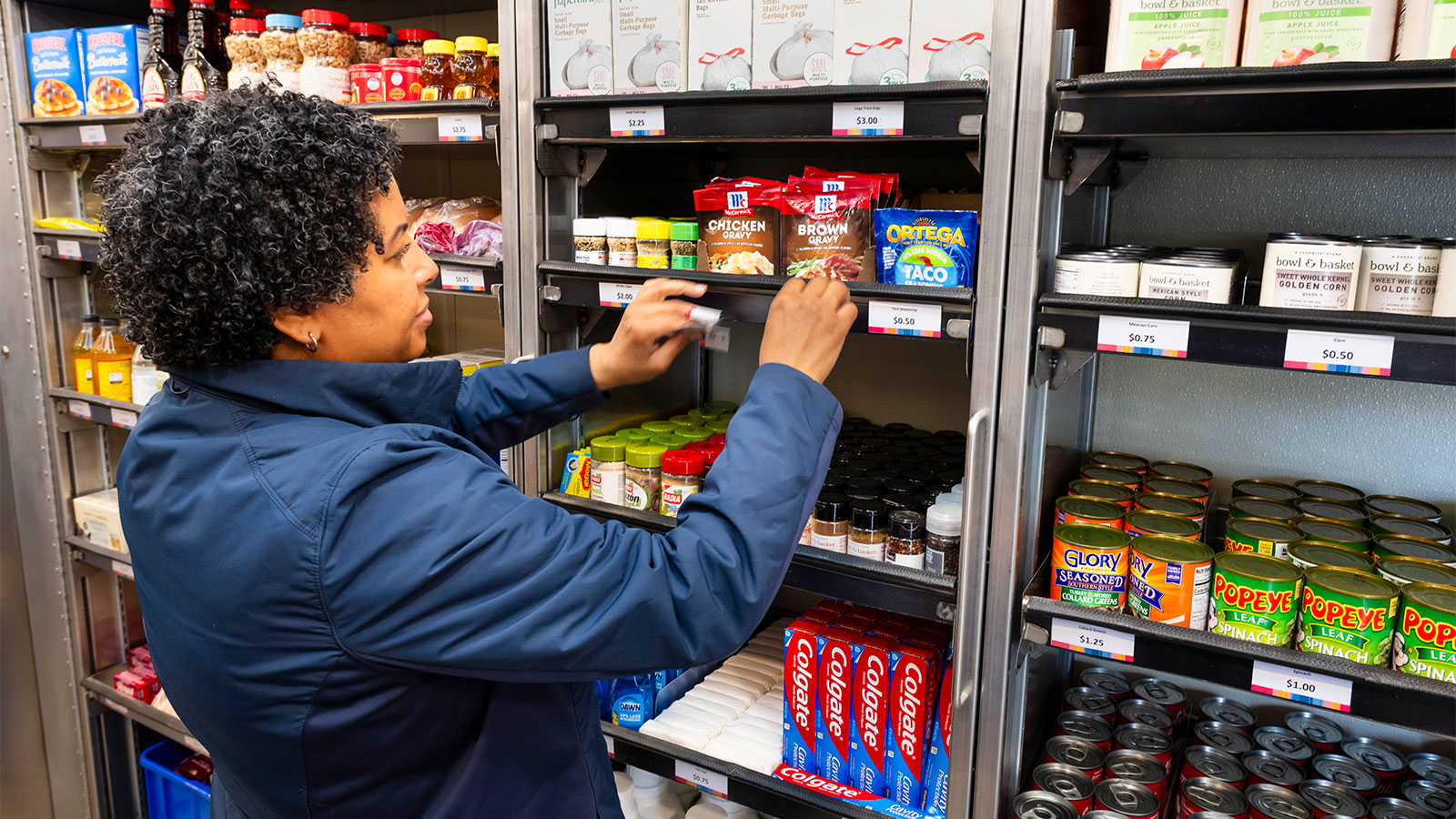
- Eat Well: Through nutrition education, healthy food access, and community partnerships, Eat Well helps address food insecurity while empowering neighbors to make choices that support long-term health.
- Community Partnerships: We work alongside schools, nonprofit organizations, food banks, local governments, and community groups to improve access to care and address the everyday factors that influence health across our region.
Community health is built one connection at a time. Whether it's bringing care closer to home, supporting children and families, expanding access to nutritious food, or partnering with local organizations, every effort helps create healthier communities for everyone.
Explore additional community programs to learn how we're working alongside our neighbors to improve health across South Jersey—and discover resources that may benefit you and your family.
There's So Much More to Explore