The Power of Dignity in Health Care: Why Respect Improves Outcomes
Dignity plays a powerful role in health care. Discover how Virtua Health integrates respect, communication, and patient partnership to improve health outcomes and advance health equity.

At Virtua Health, dignity is more than a guiding principle — it’s a critical part of how care is delivered.
Every interaction between a patient and a care team carries an opportunity to make someone feel valued, understood, and respected. When people feel seen and heard, they are more likely to trust their providers, share important information about their health, and stay engaged in their care.
In other words, dignity isn’t just compassionate — it’s essential to better health outcomes.
For us, embracing dignity is also part of what it means to be a Champion of Humanity: recognizing the humanity in every person and ensuring care reflects that respect.
Why dignity matters in health care
Trust is one of the most important factors in a patient’s health journey. When patients trust their health care providers, they are more likely to follow medical guidance, attend follow-up appointments, and actively participate in treatment decisions.
Research consistently shows a strong connection between respectful care and better outcomes.
Patients who trust their health care providers are two to three times more likely to follow treatment recommendations, according to the National Institutes of Health.
Experiences of disrespect or perceived discrimination in medical settings are linked to delayed care, reduced treatment adherence, and poorer health outcomes, particularly among marginalized populations. (Agency for Healthcare Research and Quality)
Patients who report feeling listened to and respected also experience higher satisfaction, improved emotional well-being, and stronger recovery outcomes, according to studies published in the National Library of Medicine.
Simply put: when dignity is present, care works better.
How dignity shows up in everyday care
At Virtua, dignity isn’t limited to policies or large-scale initiatives. It shows up in the everyday details of how care is delivered — through communication, collaboration, and the ways patients are invited to participate in their own care.
Clear communication and cultural understanding
South Jersey is home to a diverse and vibrant community, and effective communication is essential for delivering equitable care.
Virtua supports patients through multilingual clinicians and comprehensive translation services that help ensure language differences never become barriers to understanding. When patients can communicate comfortably in their preferred language, they are better able to ask questions, express concerns, and make informed decisions about their health.
Listening to patients’ experiences
Understanding patients as individuals—not just diagnoses—is another important part of respectful care.
Through our MyChart platform, patients have the opportunity to share information about their backgrounds, including race, ethnicity, language, sexual orientation, and gender identity. This data helps care teams better understand the communities they serve, identify gaps in care, and design programs that respond to real needs.
Strengthening maternal health through partnership
Respect and communication are central to improving maternal health outcomes.
Through TeamBirth NJ, we empower shared decision-making between expectant mothers and their care teams. The program gives our community a stronger voice in conversations about labor and delivery, ensuring they feel informed, supported, and involved in decisions about their care.
By strengthening communication and collaboration, initiatives like TeamBirth help address disparities and improve safety for both mothers and babies.
How we’re putting dignity into action
Our commitment to dignity extends beyond individual patient interactions. It also shapes programs designed to address broader barriers to health, particularly in communities facing challenges such as food insecurity, limited access to screenings, or gaps in preventive care.
Over the past year, that commitment has translated into meaningful impact across the region.
Food is medicine
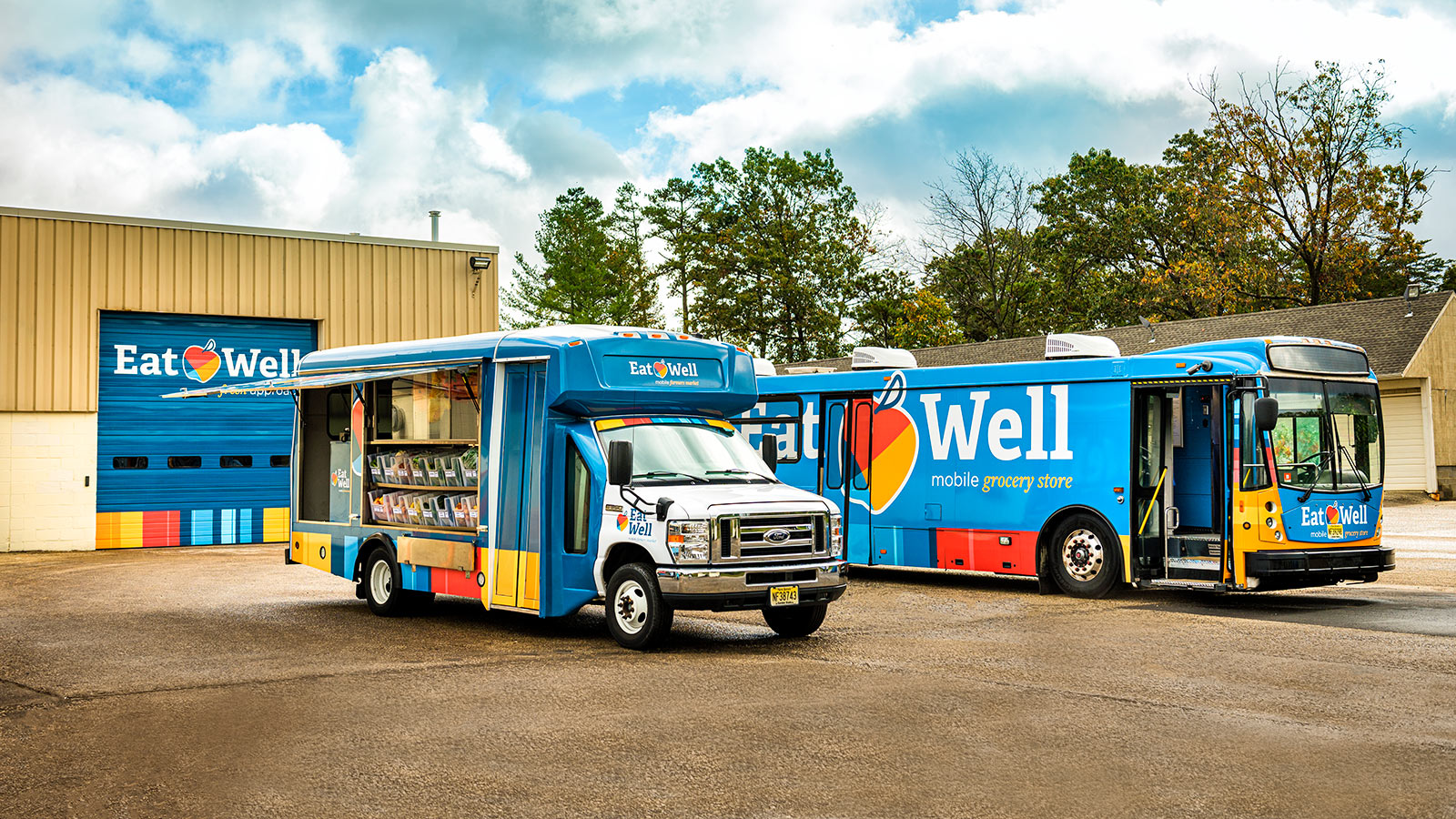
Through our Eat Well initiative, we recognize that health often begins long before a patient enters a medical office. The program brings nutritious food and supportive services directly into communities, ensuring people can access healthy options with dignity and respect.
In a single year, Eat Well helped provide:
- 47,324 food supports for neighbors across South Jersey
- 2,188 individuals receiving nutrition counseling through the Food Farmacy program
- 1,200 preventive health screenings offered at mobile market stops
Supporting the whole person
Health care is about more than medical treatment. Supporting emotional well-being and daily needs can make a meaningful difference for patients facing serious illnesses. Through programs focused on cancer support and prevention, we’ve helped:
- Provide 3,100 free cancer screenings
- Deliver 209 bags of nutritious food to cancer patients experiencing food insecurity
- Offer free salon services, including wigs and scarves, to 164 patients undergoing cancer treatment
Caring for children and families
Healthy communities begin with healthy children. Our pediatric and family-centered programs reached thousands of young patients and families throughout the region, including:
- 10,689 children served through Pediatric Mobile Services
- 1,311 children supported through the CASTLE behavioral health program
- 72 children participating in Camp Oasis, a day camp designed for children coping with a loved one’s cancer diagnosis
A shared responsibility for everybody, always
Dignity in health care doesn’t always appear in dramatic moments. Often, it’s found in small acts.
A conversation in a familiar language.
A question asked with genuine curiosity.
A patient invited to participate in an important decision.
A grocery store that arrives in a neighborhood where fresh food is hard to find.
These moments may seem simple, but together they shape the experience of care.
At Virtua Health, we believe that when people feel respected, they are more likely to trust the care they receive — and trust leads to better health.
There's So Much More to Explore