Virtua Health is First in Region to Offer Two Advancements in Breast Cancer Surgery
August 10, 2026 - New surgical options can offer improved cosmetic outcomes, restored sensation, and easier recovery
Virtua Health is the first in the South Jersey region to offer two new advancements in breast cancer surgery designed to improve patients’ lives both physically and emotionally.
For many facing breast cancer, mastectomy—complete removal of the breast tissue—is the recommended treatment approach. Two new surgical techniques now aim to provide patients with significantly improved cosmetic outcomes, less painful recovery, and better quality of life after surgery.
The procedures are a new type of minimally invasive mastectomy and an innovative technique that has the potential to restore sensation. Virtua is the first to provide the new endoscopic mastectomy procedure in both the Philadelphia region and South Jersey. Additionally, Virtua is the first in South Jersey to offer the sensation-restoring procedure.
Both procedures are now being performed by Virtua Health, South Jersey’s largest health system, as part of the Penn Medicine | Virtua Health Cancer Program.
Minimally Invasive Mastectomy
A new, minimally invasive breast mastectomy called endoscopic nipple-sparing mastectomy (E-NSM) is the first-ever laparoscopic technique for breast surgery and is at the forefront of adoption in the U.S. and brand new to the region.
Laparoscopic surgery enables smaller incisions, which can support faster recovery and less pain after surgery. E-NSM also preserves the nipple—with scars virtually hidden—in contrast with a traditional mastectomy. Moreover, the procedure may eliminate the need for a second reconstructive surgery. With E-NSM, tissue removal and breast reconstruction with implants are performed in a single operation.
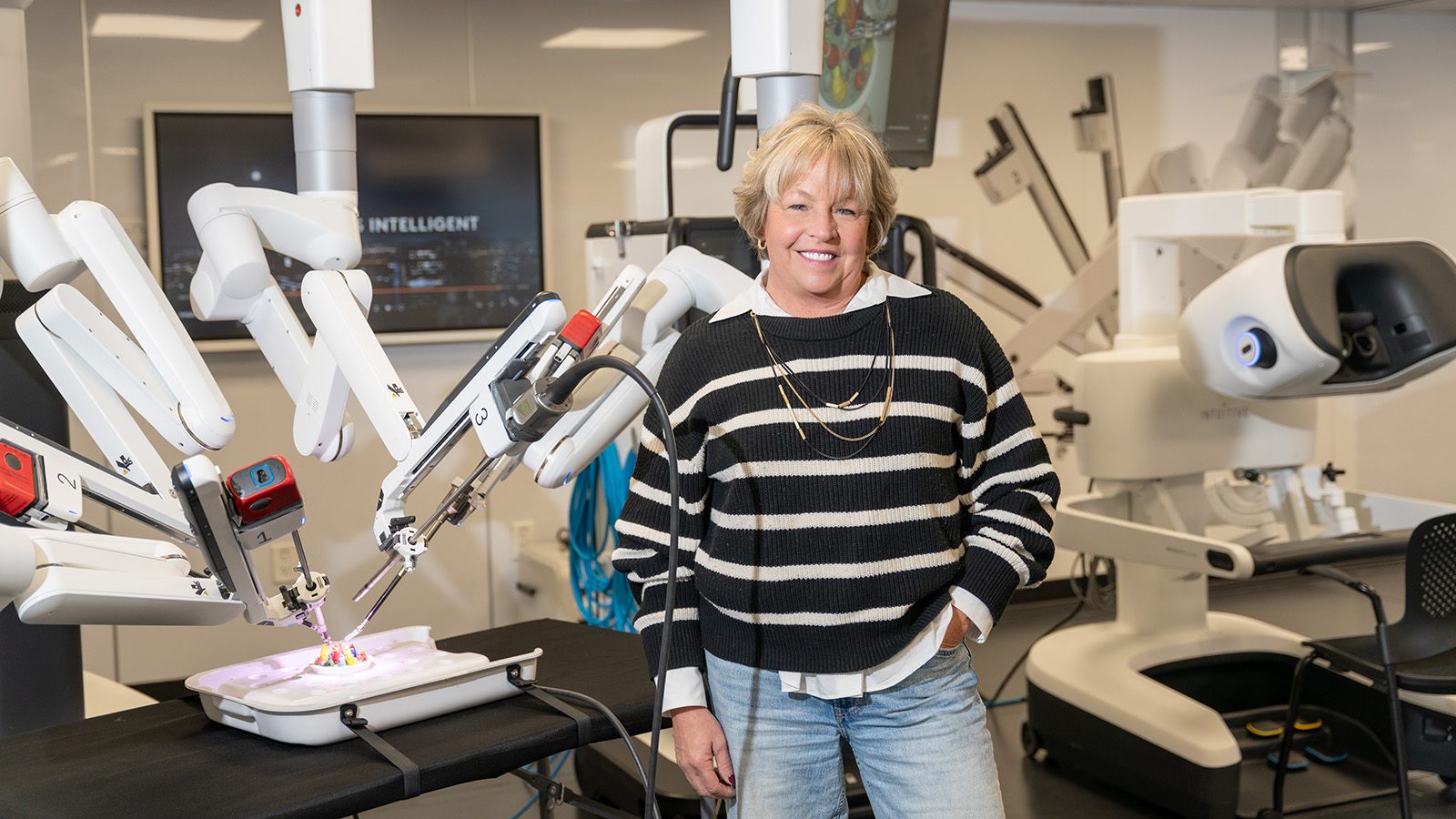
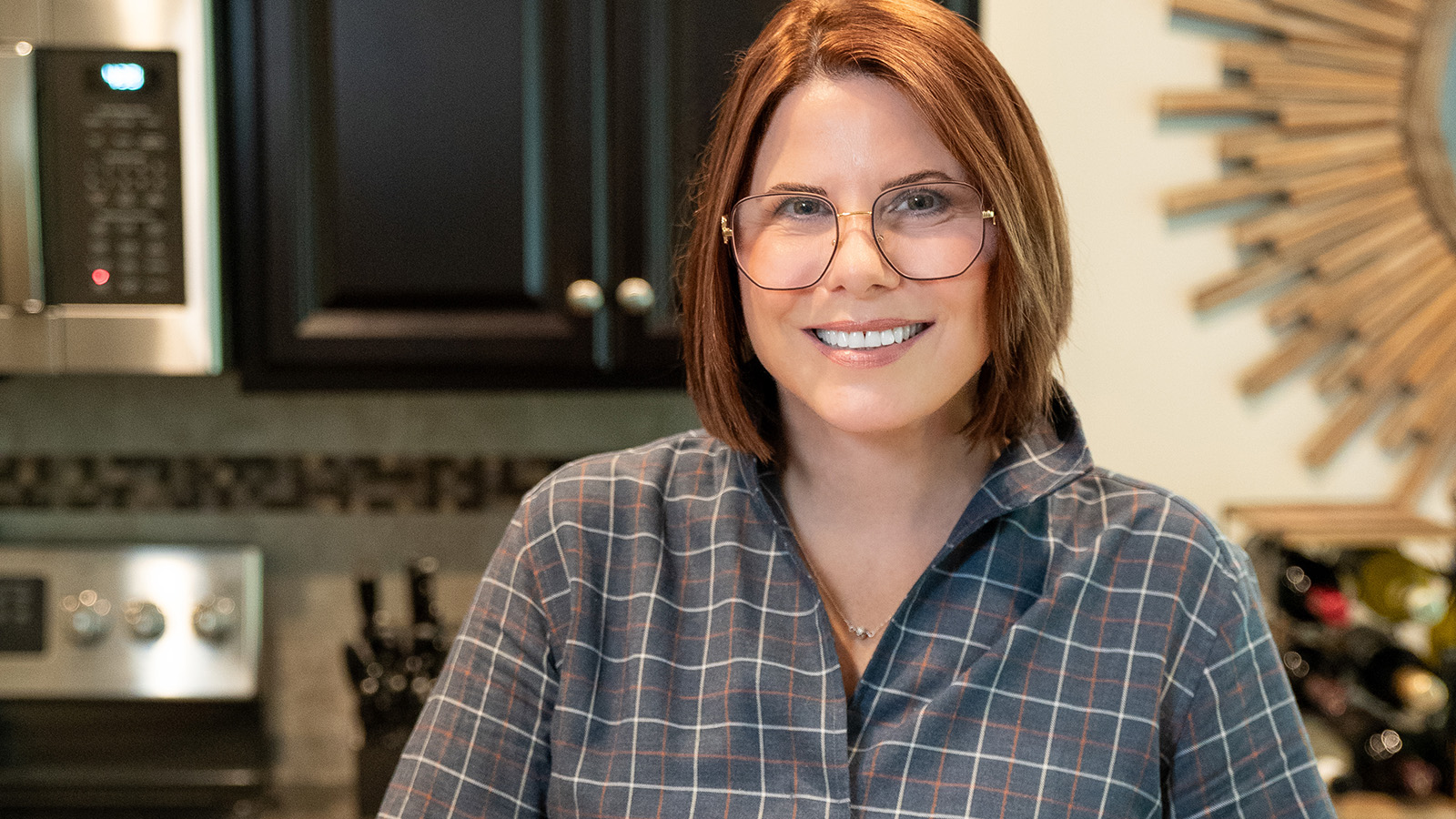
Lori Timmerman, DO, breast surgical oncologist at Virtua Health, is the first in the Philadelphia and South Jersey region to perform this innovative surgical procedure.
“This is an enormous step forward for patients undergoing mastectomy,” said Dr. Timmerman. “Preserving their body image and reducing pain as much as possible are incredibly important.”
Dr. Timmerman recently completed specialized training in this advanced approach at Columbia University hosted by Applied Medical, the manufacturer of the device that enables the procedure, and has successfully performed several cases at Virtua.
She notes that the endoscopic approach supports women’s overall well-being by delivering effective cancer treatment with better cosmetic results and recovery. Incisions are just 2 to 3 cm, compared with 6 to 7 cm for a traditional nipple-sparing mastectomy.
For eligible patients, a nipple-sparing mastectomy (NSM) removes all breast tissue while preserving the nipple, areola, and skin. Until now, this procedure required an open approach that left larger and more visible scarring. Compared with the open approach, E-NSM has been shown to provide highly improved cosmetic outcomes, less postoperative pain, and higher patient satisfaction and well-being.[i]
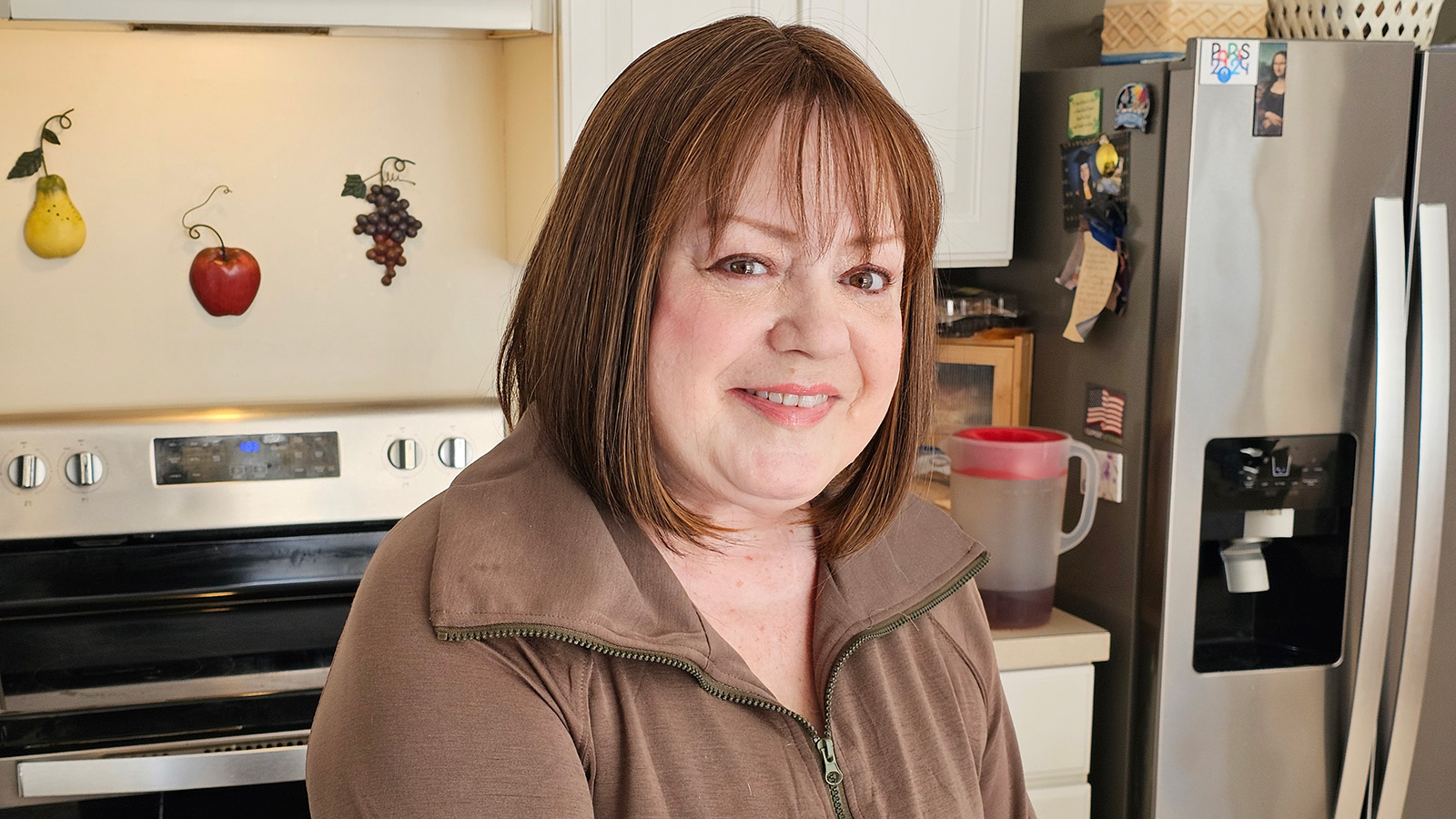
“My surgeon said to me, ‘You have breast cancer, but you’re also going to have a life afterward. We need to think beyond your surgery,’” said Jacquelyn Ross, a 46-year-old nurse practitioner from Marlton and Dr. Timmerman’s first E-NSM patient in early 2026. “I was back to work and the gym after eight weeks and am feeling good, doing all the things I did before. I feel very blessed to have gone through this with my team at Virtua and the support of my family.”
The E-NSM technique uses a small, discreet incision along the side of the breast rather than a more prominent incision on the front of the breast. A surgical device known as the GelPOINT® Mini advanced access platform is placed through the incision, allowing a high-definition camera and specialized instruments to be used endoscopically. The endoscope provides surgeons with enhanced visualization of breast tissue, a key factor in improving patient outcomes.
Breast Neurotization: Restoring Sensation to the Breast
Further evolving the capabilities of traditional breast surgery, breast neurotization (known as the Resensation® technique) is an emerging surgical technique that can restore sensation in the breast after nipple-sparing mastectomy.
Breast reconstruction allows women to feel more comfortable and recognizable in their bodies post-mastectomy and plays a crucial role for many in psychological healing. Physical sensation is an important element of breast reconstruction that is now becoming possible, thanks to breast neurotization.
Nearly 80% of women report experiencing pain, numbness, or both after breast cancer surgery.[ii] This is an unfortunate but understood side effect of surgery: when breast tissue is removed during a mastectomy, nerves in the area are severed, which can leave the breasts with a near-total and permanent loss of sensation. For many women, losing sensation can hinder their physical, psychological, and emotional recovery.
Resensation® enables breast and reconstructive surgeons to work together intentionally to restore this important aspect of reconstruction. The procedure involves inserting a small length of donated nerve graft to bridge two nerve ends, one located in the nipple and the other behind the breast, which gives the nerve a chance to regrow.[iii] The procedure can be performed at the time of mastectomy and reconstruction or at a later date. Nerves can take some time to regrow, but many patients have reported meaningful restoration of sensation within 1-2 years.
Prakash Mathew, MD, microvascular plastic surgeon with Penn Medicine | Virtua Health Reconstructive Surgery, is among a limited number of surgeons nationwide and the first in South Jersey to offer the Resensation® technique.
“Donor nerve grafts have expanded what we can offer patients—we can now restore both form and function in the reconstructed breast,” said Dr. Mathew.
Breast cancer is the most commonly diagnosed cancer among American women, affecting approximately one in eight women, according to the American Cancer Society.
“Our patients deserve the very best treatment options that are not only effective, but also have less of an unnecessary impact on their bodies,” Dr. Timmerman said. “I am excited about the opportunity to help many of my patients feel more like themselves, and get back to their lives and families, that much quicker.”
To learn more, visit Virtua.org/BreastCancer or call 856-247-7515.
[ii] Pain, numbness, or both? Distinguishing the longitudinal course and predictors of positive, painful neuropathic features vs numbness after breast cancer surgery - PubMed
There's So Much More to Explore