LVAD for Advanced Heart Failure: Shakur’s Journey With a Heart Pump
After advanced heart failure threatened his life, Shakur Williams received an LVAD at Virtua. Read how the heart pump supports his recovery and future.
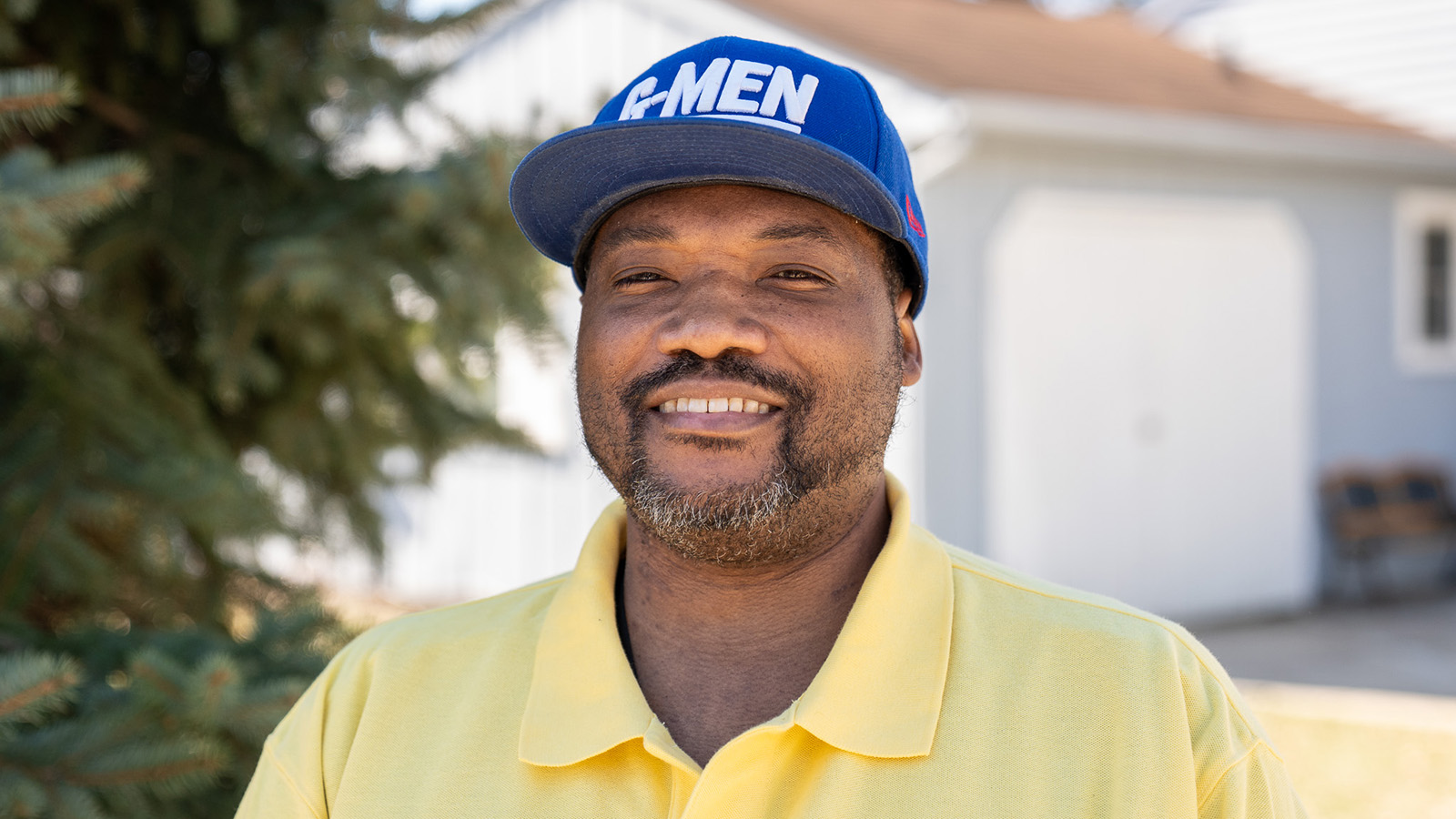
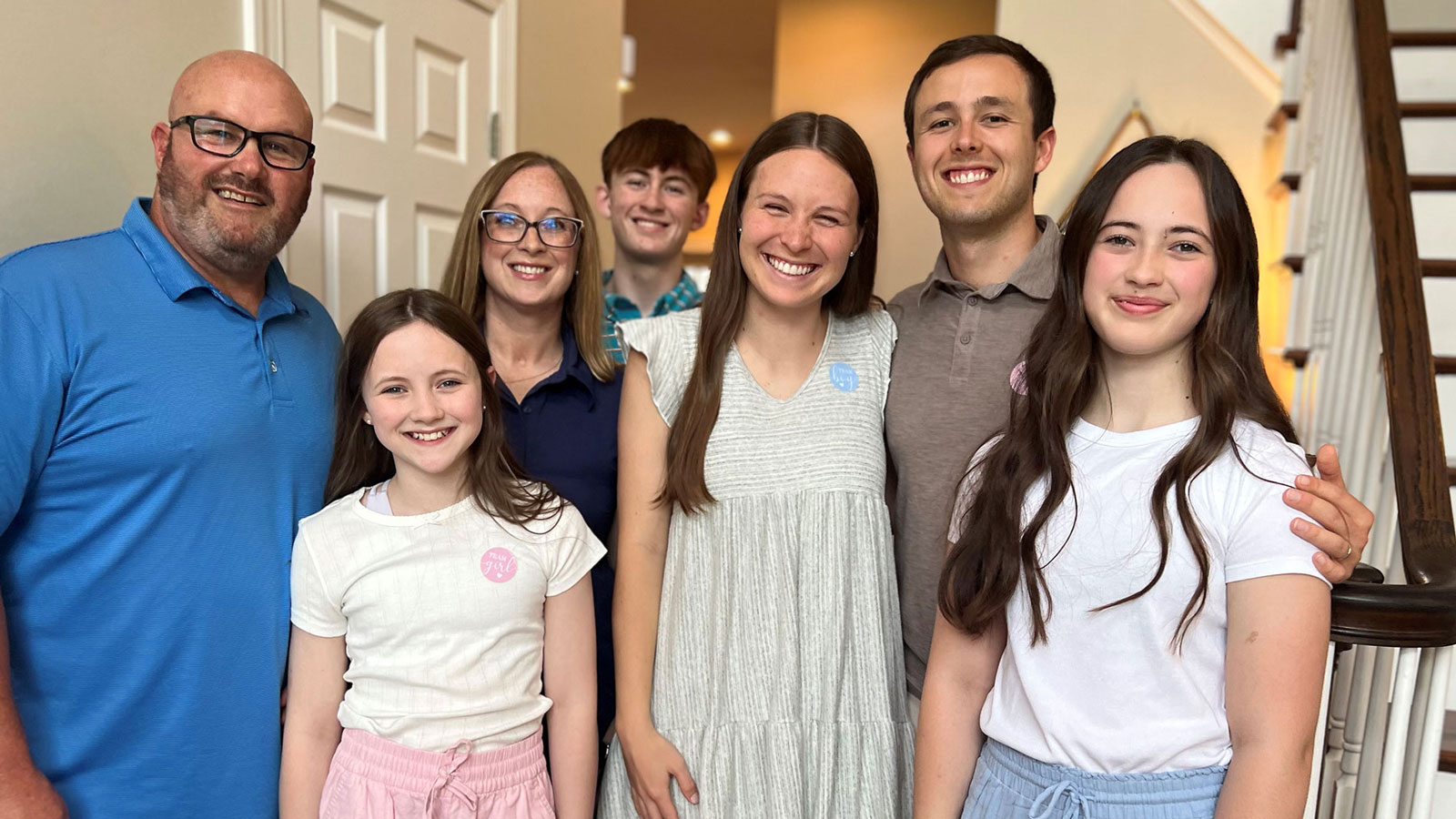
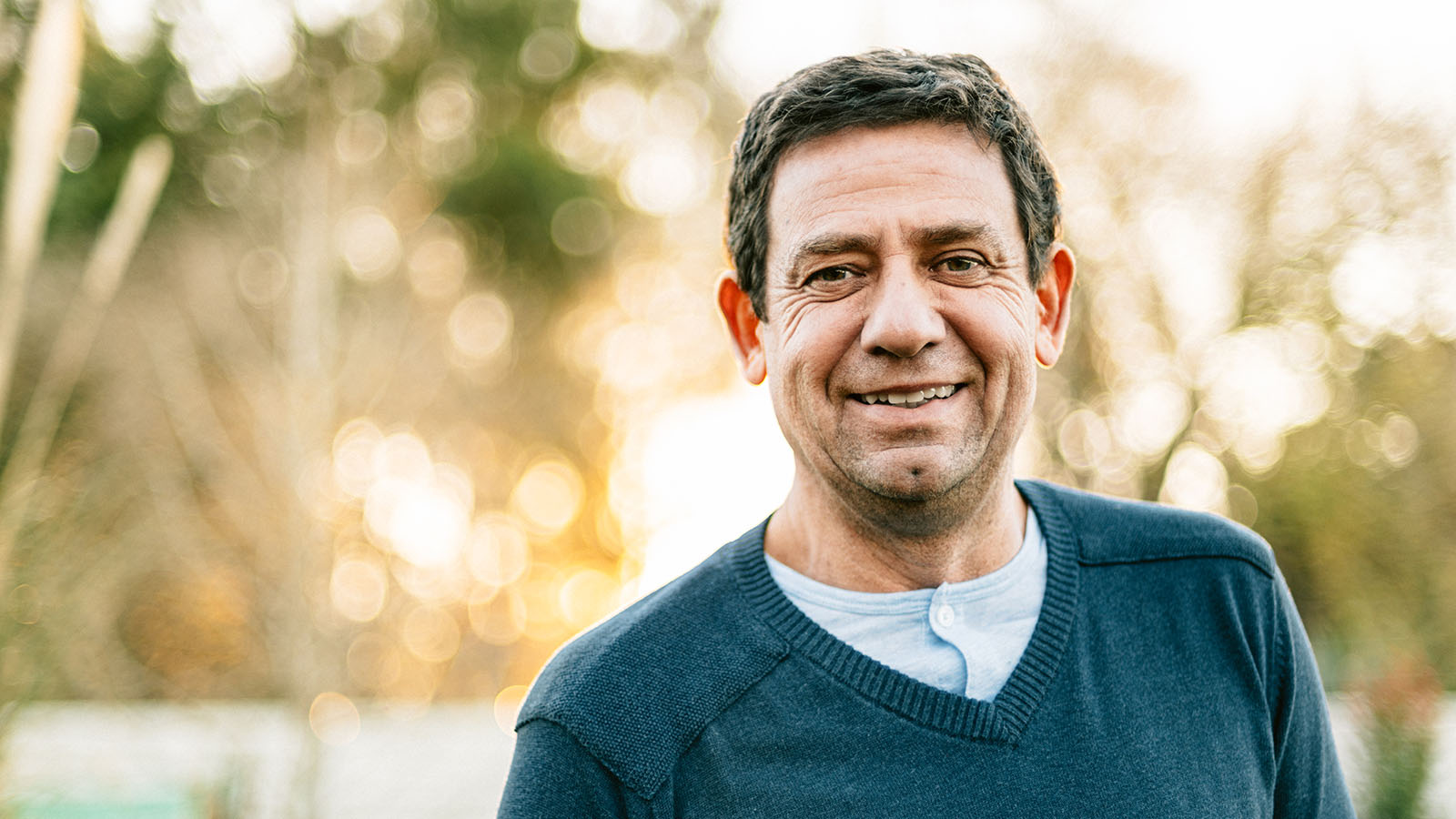
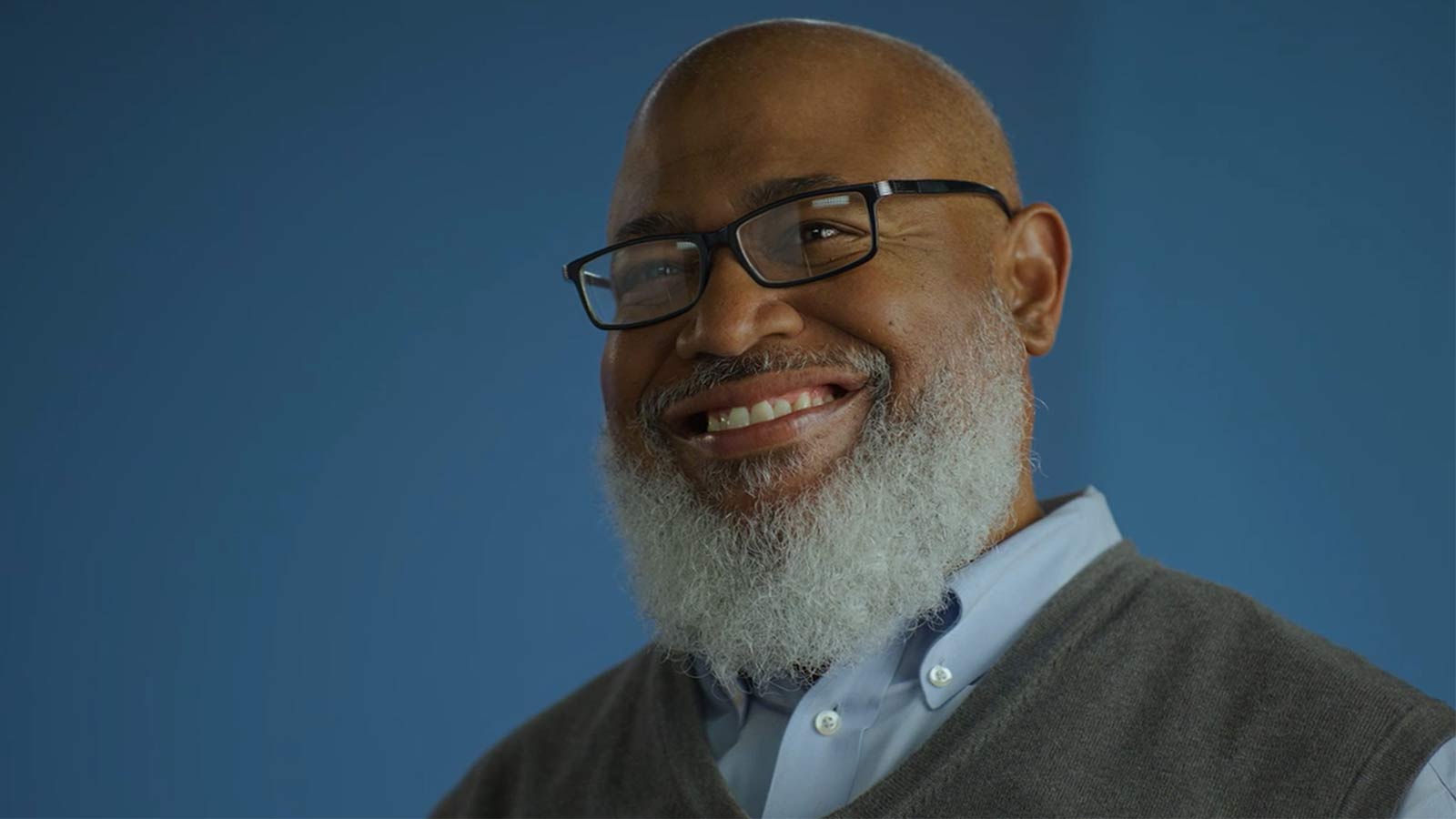
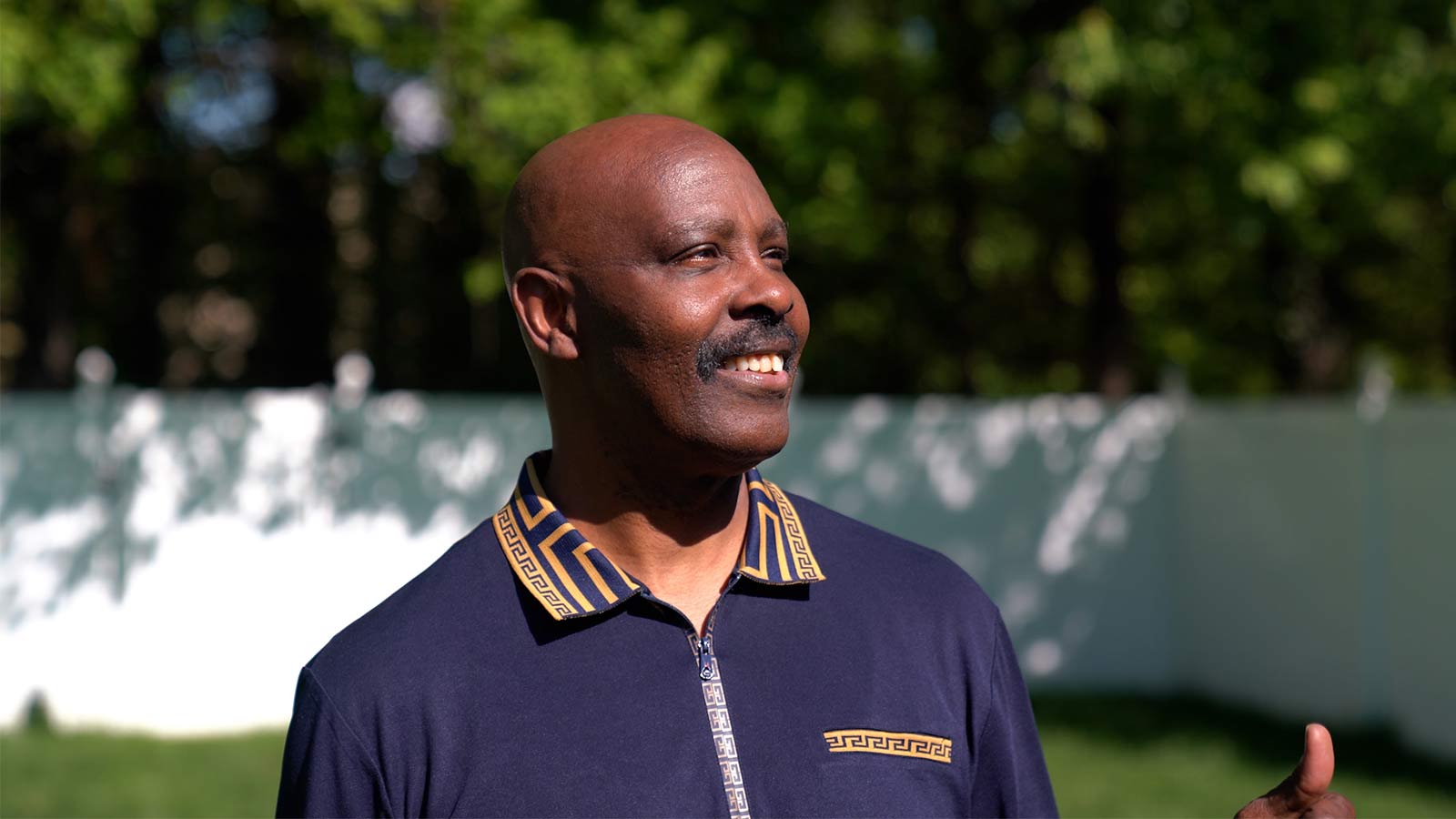
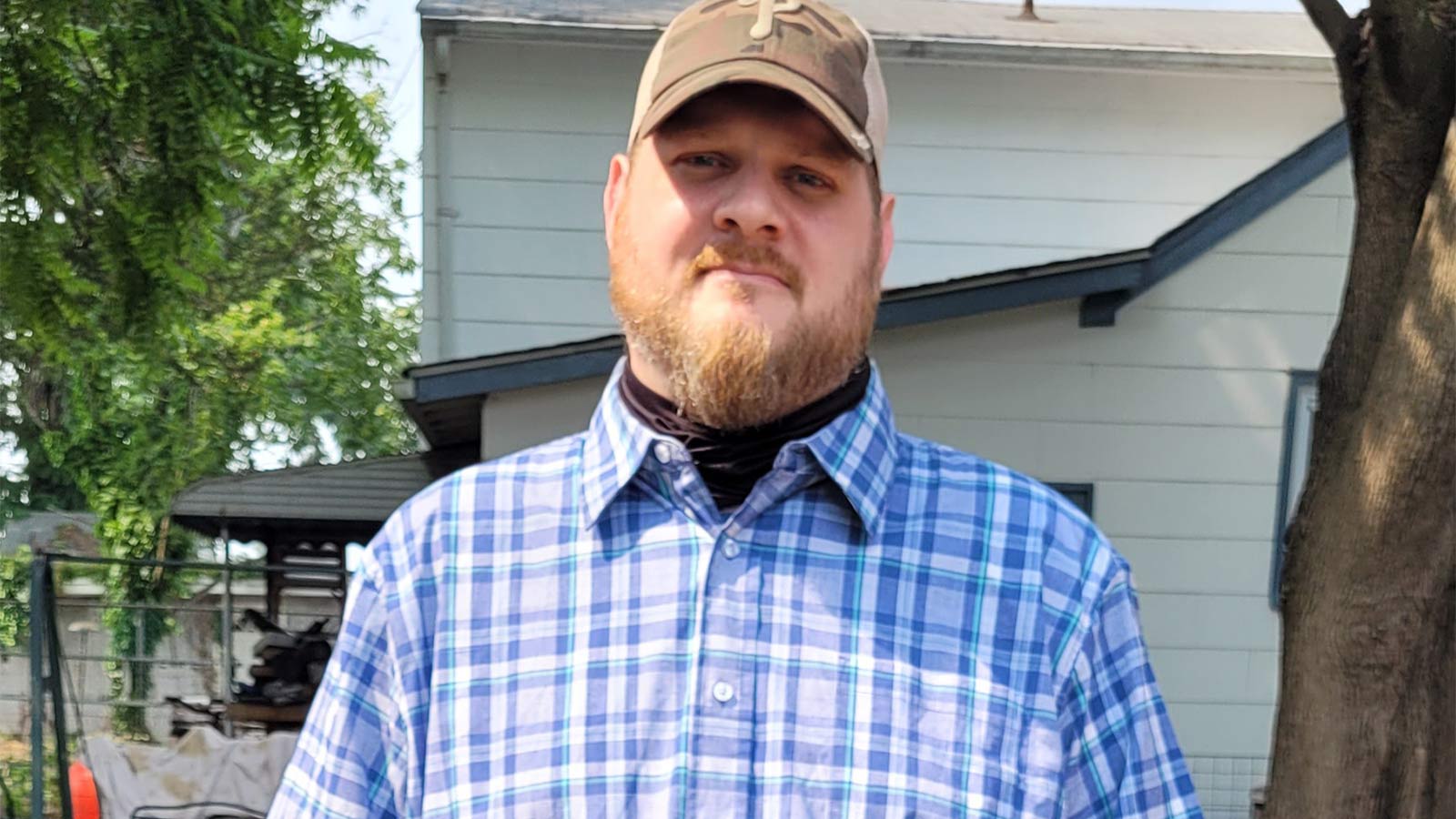
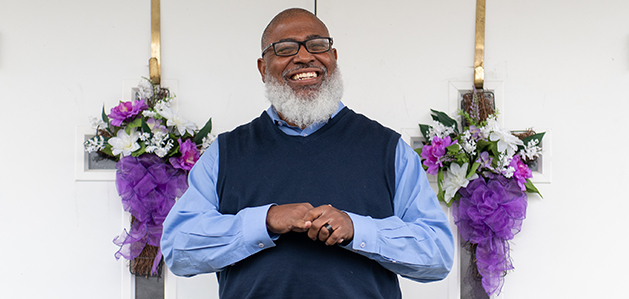
When 46-year-old Shakur Williams thinks about the future, he sees his grandchildren—all seven of them. His family helped him navigate the most frightening health scare of his life and now motivates him as he rebuilds his life with the help of Virtua’s Heart Failure Program.
A Sudden Decline: Shakur’s Heart Failure Diagnosis
Shakur, a Willingboro resident, had an active lifestyle working in the Newark school system during the week and caring for adults with disabilities on the weekends. But in late 2025, his health took a sharp turn. He struggled to breathe. His energy evaporated. Something felt deeply wrong.
Although he had been receiving cardiac care from a doctor near his workplace, Shakur knew he needed immediate help. He went to Virtua Mount Holly Hospital, where clinicians quickly diagnosed him with pneumonia, a pulmonary embolism, and congestive heart failure.
Shakur was transferred to Virtua Our Lady of Lourdes Hospital, where the cardiac team spent the next two months stabilizing his health. They determined a left ventricular assist device, or LVAD, could save his life.
What Is an LVAD Heart Pump?
An LVAD is a surgically implanted, battery‑powered mechanical pump that helps the heart’s left ventricle circulate oxygen‑rich blood throughout the body. For people with advanced heart failure, it can serve as a bridge to transplant or as long‑term therapy to improve survival and quality of life.
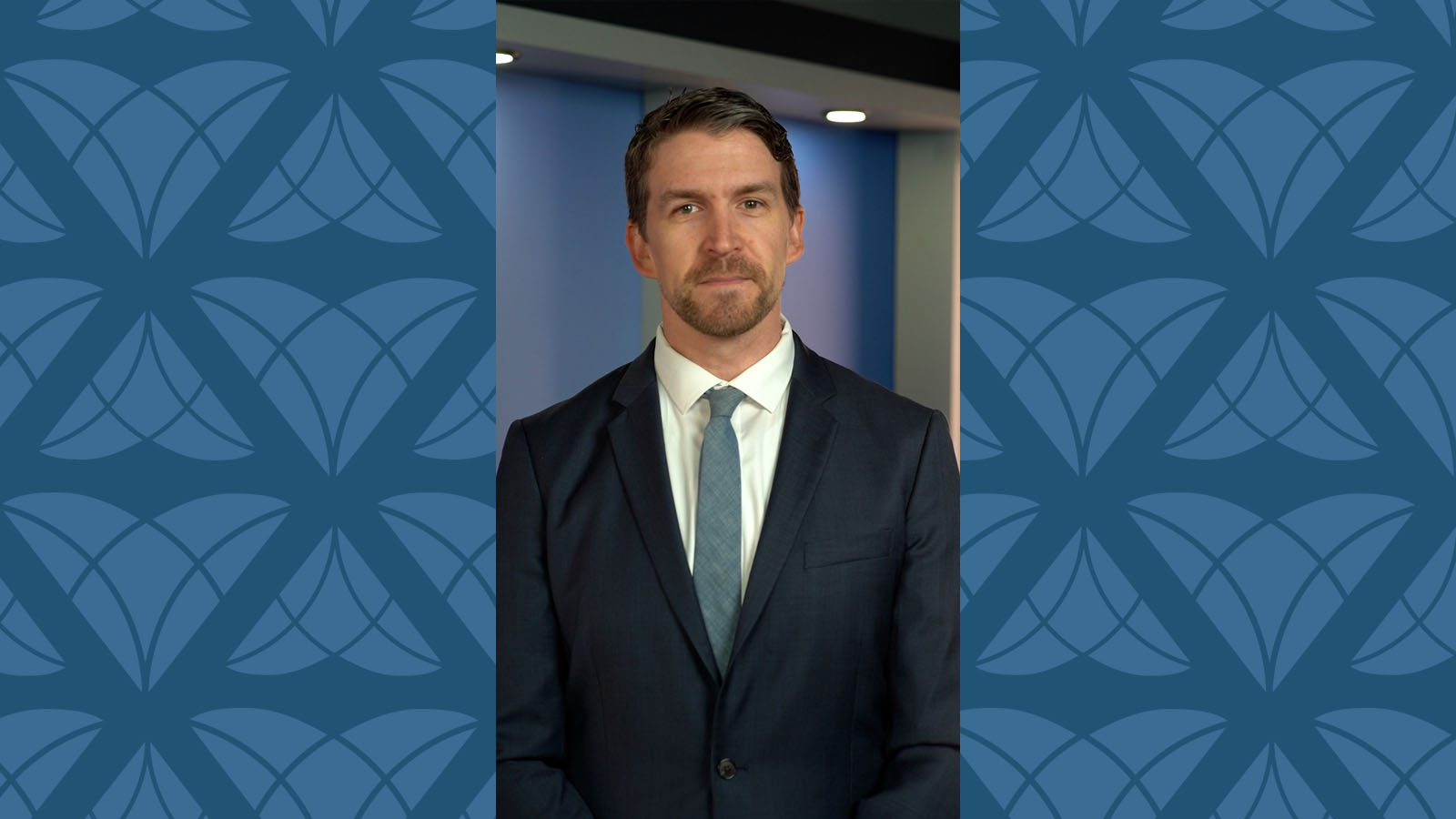
“When heart failure becomes severe, an LVAD can offer a second chance. It stabilizes the heart, improves organ function, and often opens the door to options like transplant. LVAD surgery helps patients regain strength, hope, and often, a new lease on life,” said Tolulope Agunbiade, MD, FACC, medical director of the Virtua Heart Failure Program.
For Shakur, the decision was daunting—but necessary.
“Living with an implanted pump is an adjustment, but I don’t think I would be here today without it,” he said. “It’s a lifesaver.”
Days before Christmas 2025, Shakur returned home, now benefiting from improved heart function and stronger blood flow.
Life After an LVAD: Looking Toward the Future
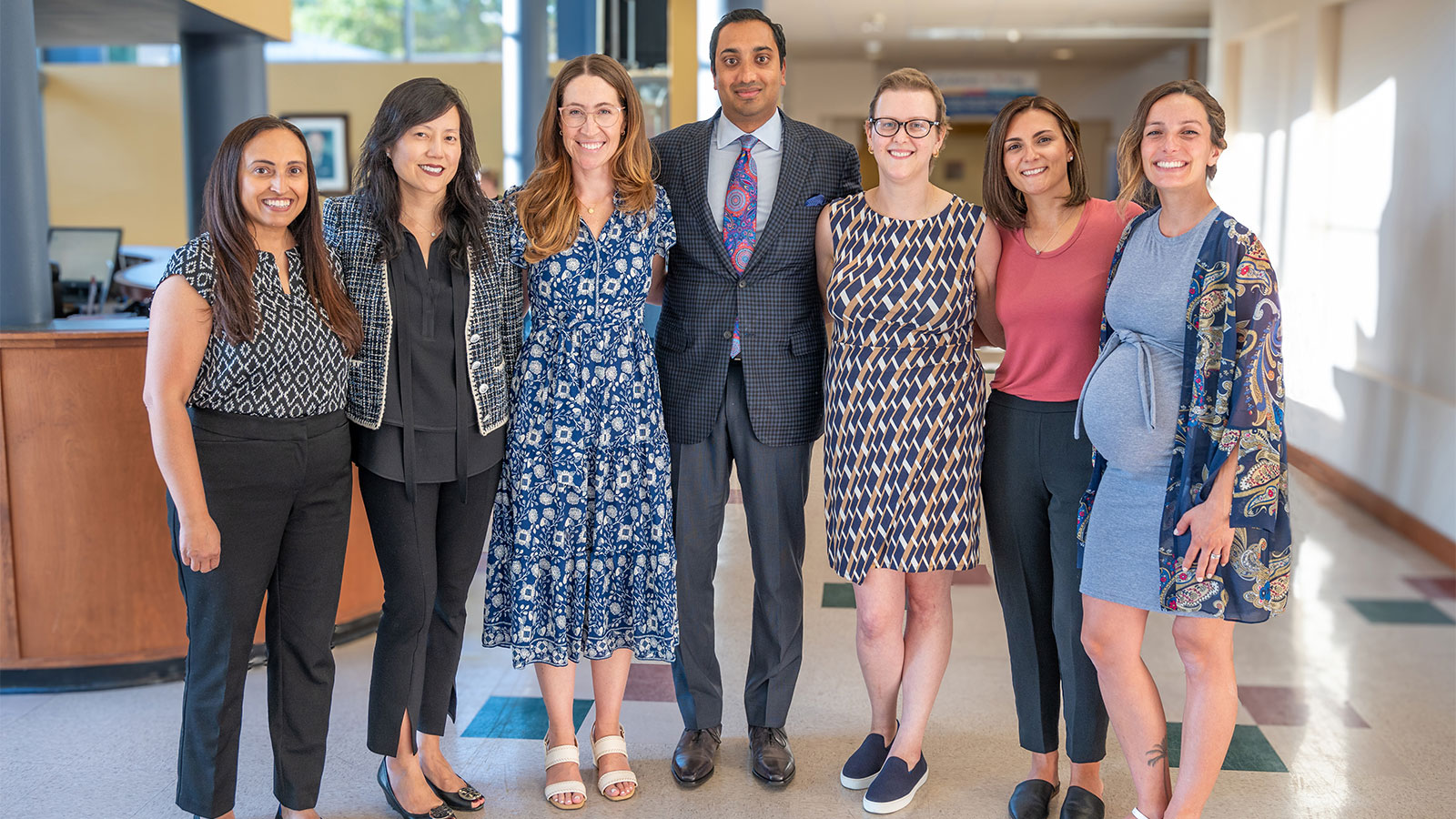
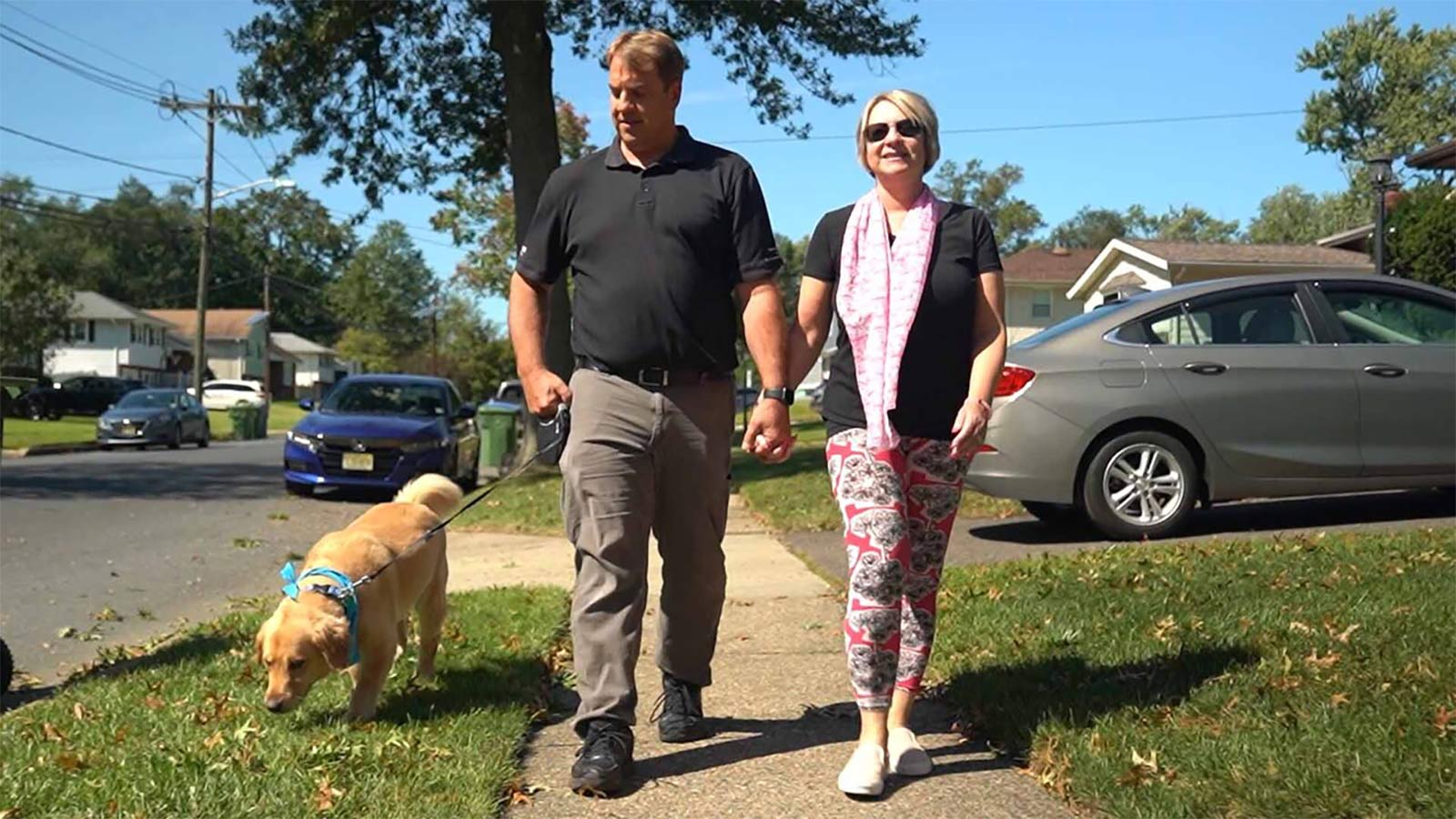
While Shakur’s LVAD may be a lasting solution, he is working closely with his Virtua care team to improve his overall health and prepare for possibly qualifying for the heart transplant list. That includes losing weight and undergoing cardiac rehabilitation.
Shakur credits his heart failure team with helping him survive the most vulnerable moments of his life.
“All of my doctors and nurses are helping me reach my health goals,” he said. “They truly saved my life.”
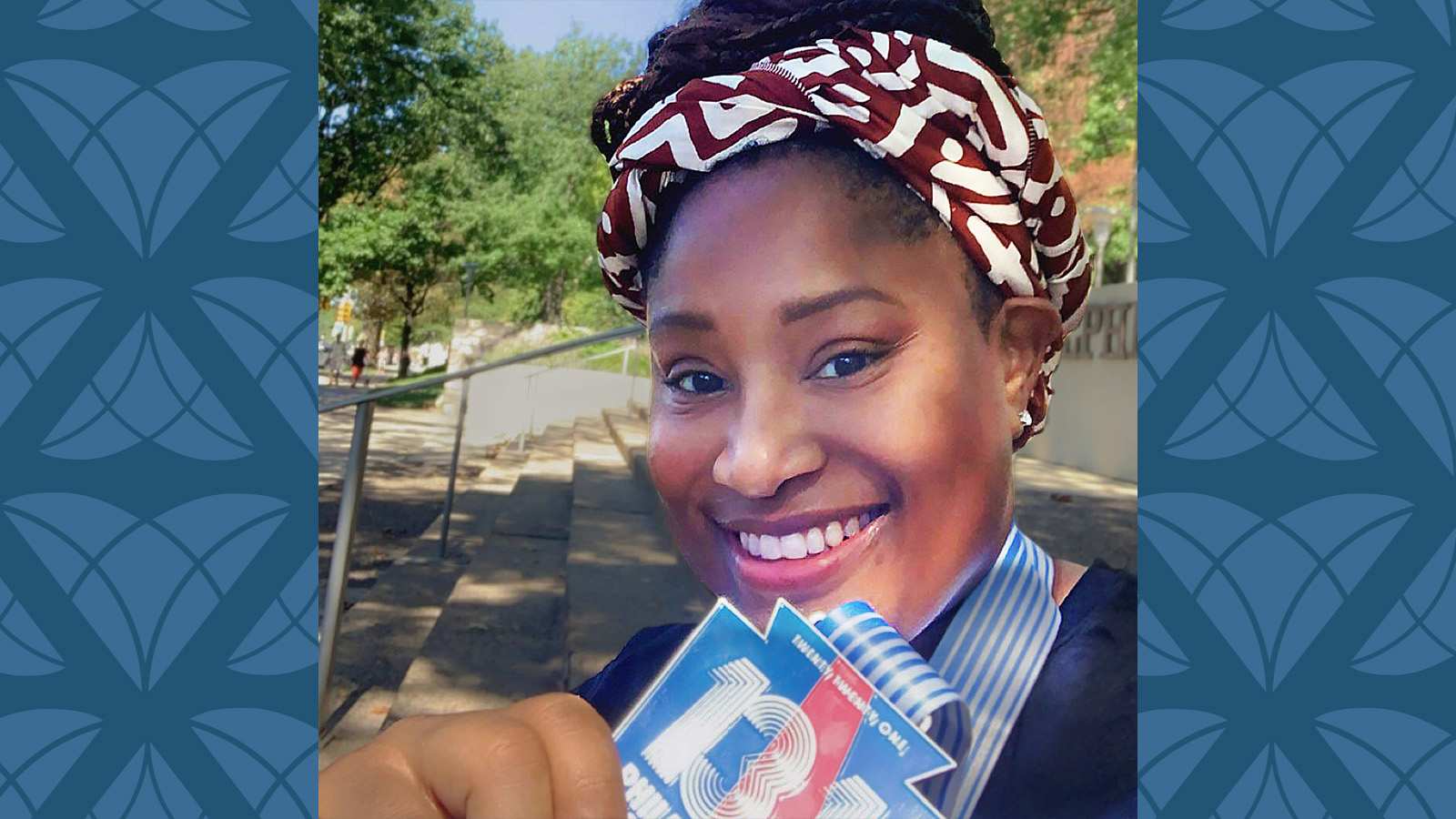
Likewise, Shakur expressed his gratitude for all the support he received from his family and friends, especially his wife, Melonise Webb Williams.
“When my whole world felt uncertain, Melonise gave me the courage to carry on,” he said. “She is a constant source of support and strength for our family and me. She is truly my inspiration.”
Despite challenges, Shakur remains optimistic. The LVAD has given him more energy, stability, and quality time.
“I have a much better quality of life, and I will live longer to see my grandchildren grow up,” he said.
Heart Failure Experts in Your Corner
Global accreditation organization DNV Healthcare and the American Heart Association recognize Virtua Our Lady of Lourdes Hospital for its expertise in treating heart failure with LVADs and other therapies. If you or a loved one is living with heart failure, call 888-847-8823 to make an appointment with one of our heart failure specialists.
There's So Much More to Explore