How to Reduce Inflammation to Lower Your Risk of Heart Attack and Stroke
Managing your blood pressure and cholesterol play a key role in preventing a heart attack or stroke. Being mindful of cardiovascular inflammation can help, too.

By Nikhita Kothari, DO, Cardiologist, Virtua Cardiology
When we think of ways to reduce the chances of having a heart attack or stroke, keeping tabs on our blood pressure and cholesterol levels comes to mind. A new study found that, particularly in women, being mindful of cardiovascular inflammation is important as well.
Heart attacks and strokes can occur in otherwise healthy people who don’t have the standard modifiable risk factors. Inflammation is more of a hidden risk factor, as there are no outward signs that a person may have high levels, and it may not be regularly screened for.
What is inflammation and why does it increase heart attack risk?
Inflammation is the body’s response to an injury, like a cut on your finger.
When plaque builds up and narrows the walls of the arteries—a condition called atherosclerosis—the body sends cells to wall off the damaged area. This can cause the artery to become further narrowed or blocked by a blood clot—leading to a heart attack or stroke.
A 30-year study, published in the European Heart Journal, looked at 12,000 healthy women with no standard modifiable risk factors who had inflammation levels greater than 3 mg/L. They found these women had a 77% increased risk of coronary artery disease and a 39% greater likelihood of stroke than those who had inflammation levels less than 1 mg/L.
9 science-backed ways to reduce inflammation
To help reduce inflammation in your body and lower your risk for heart attack and stroke:
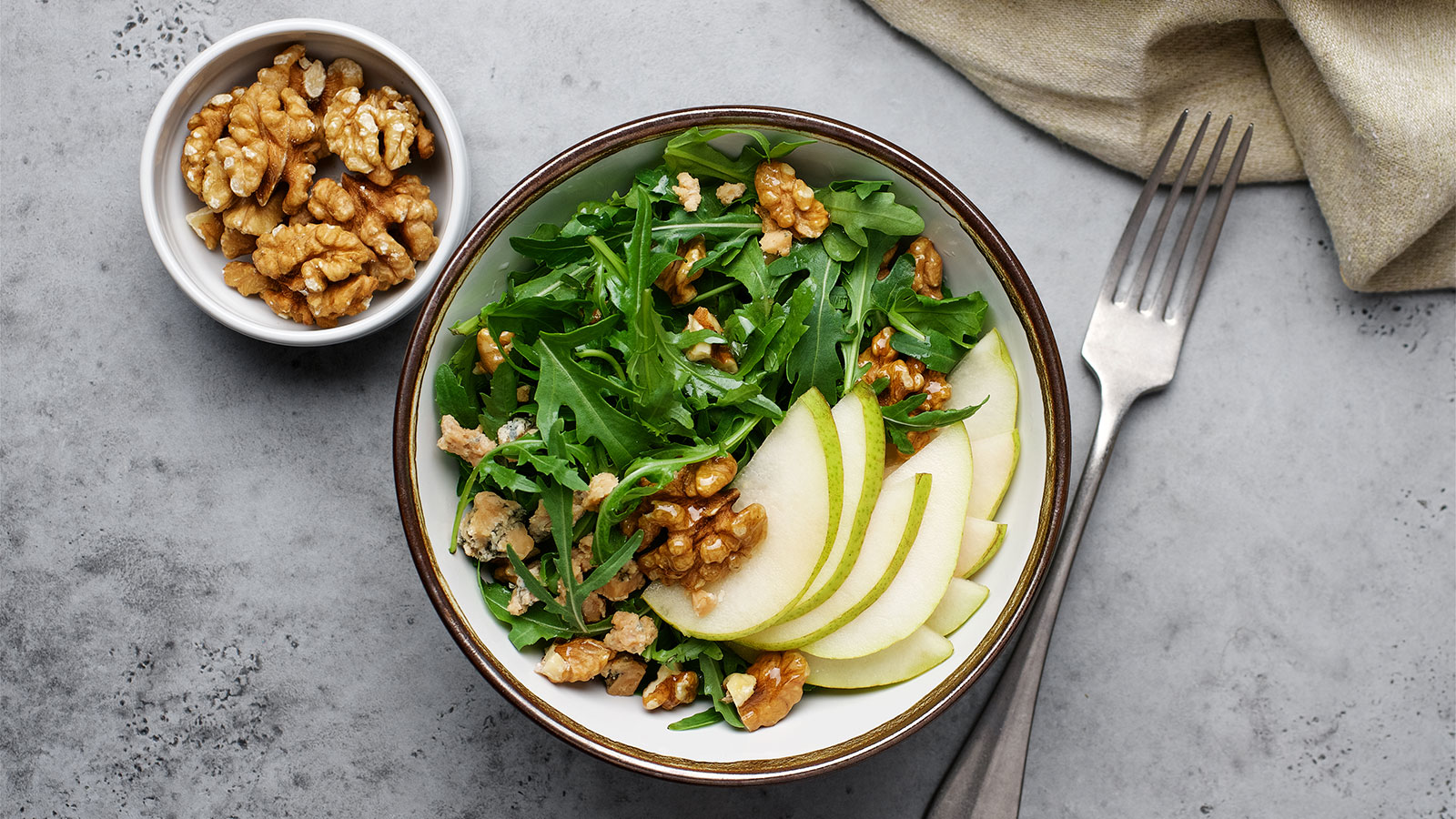
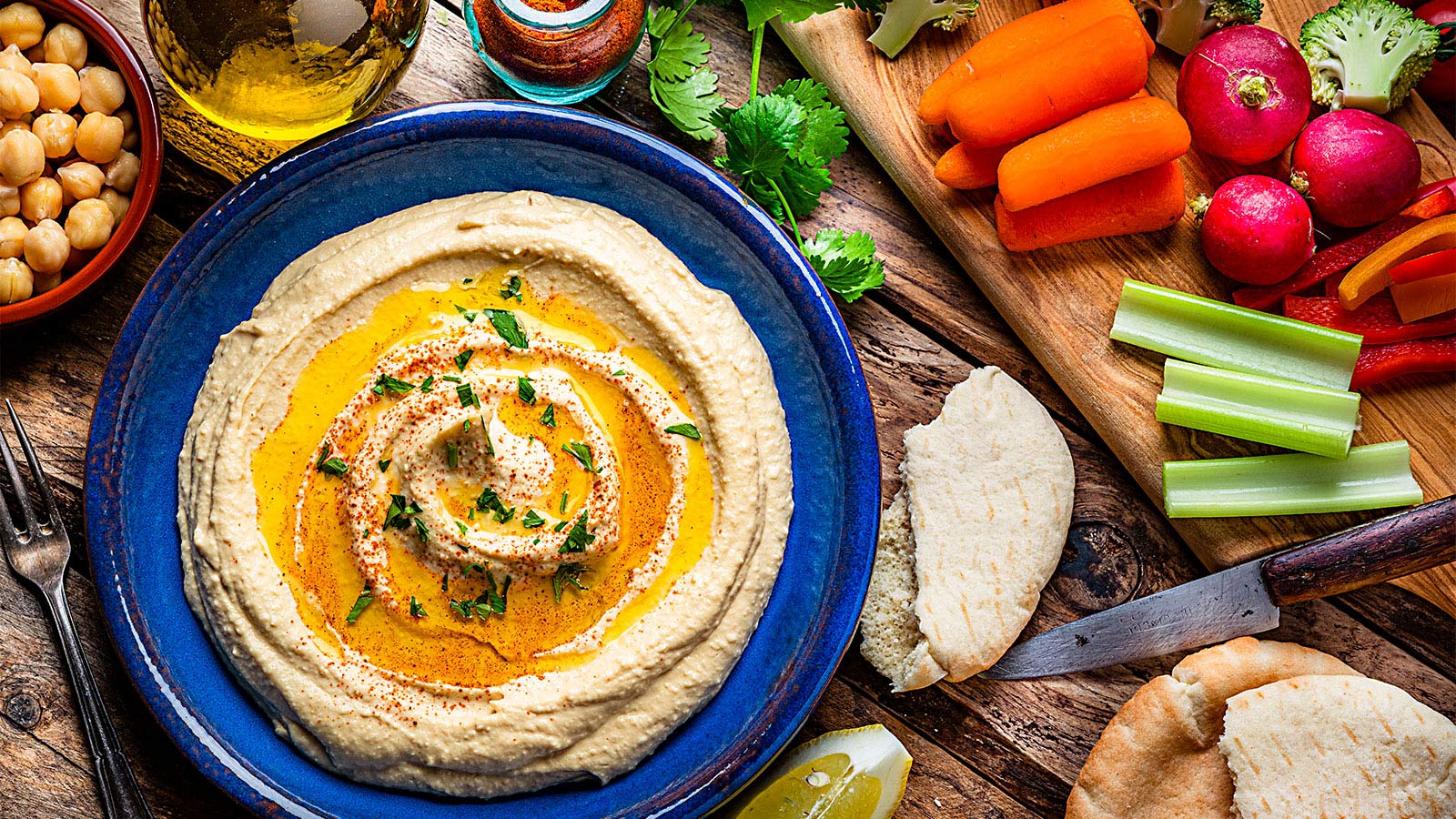
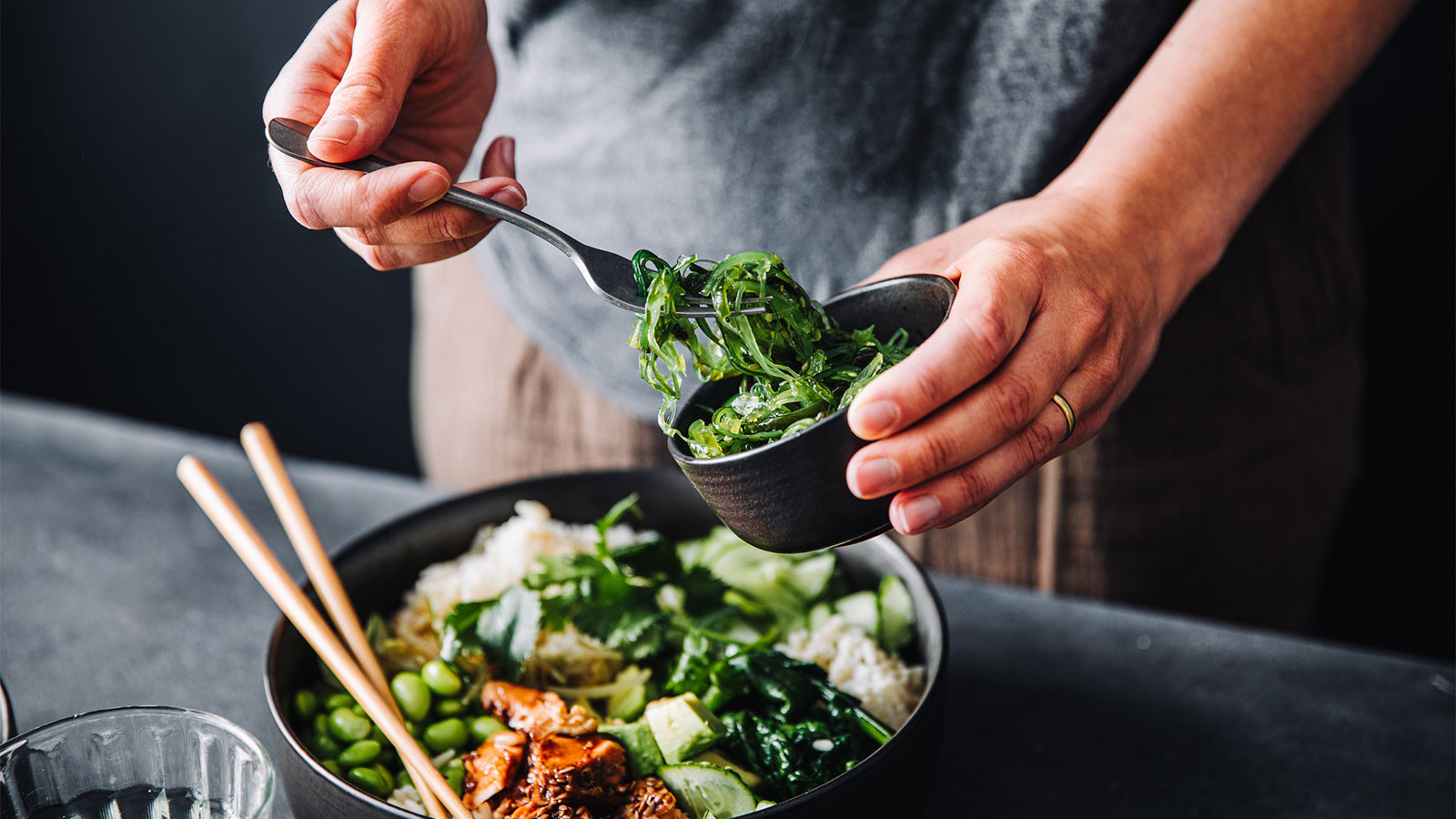
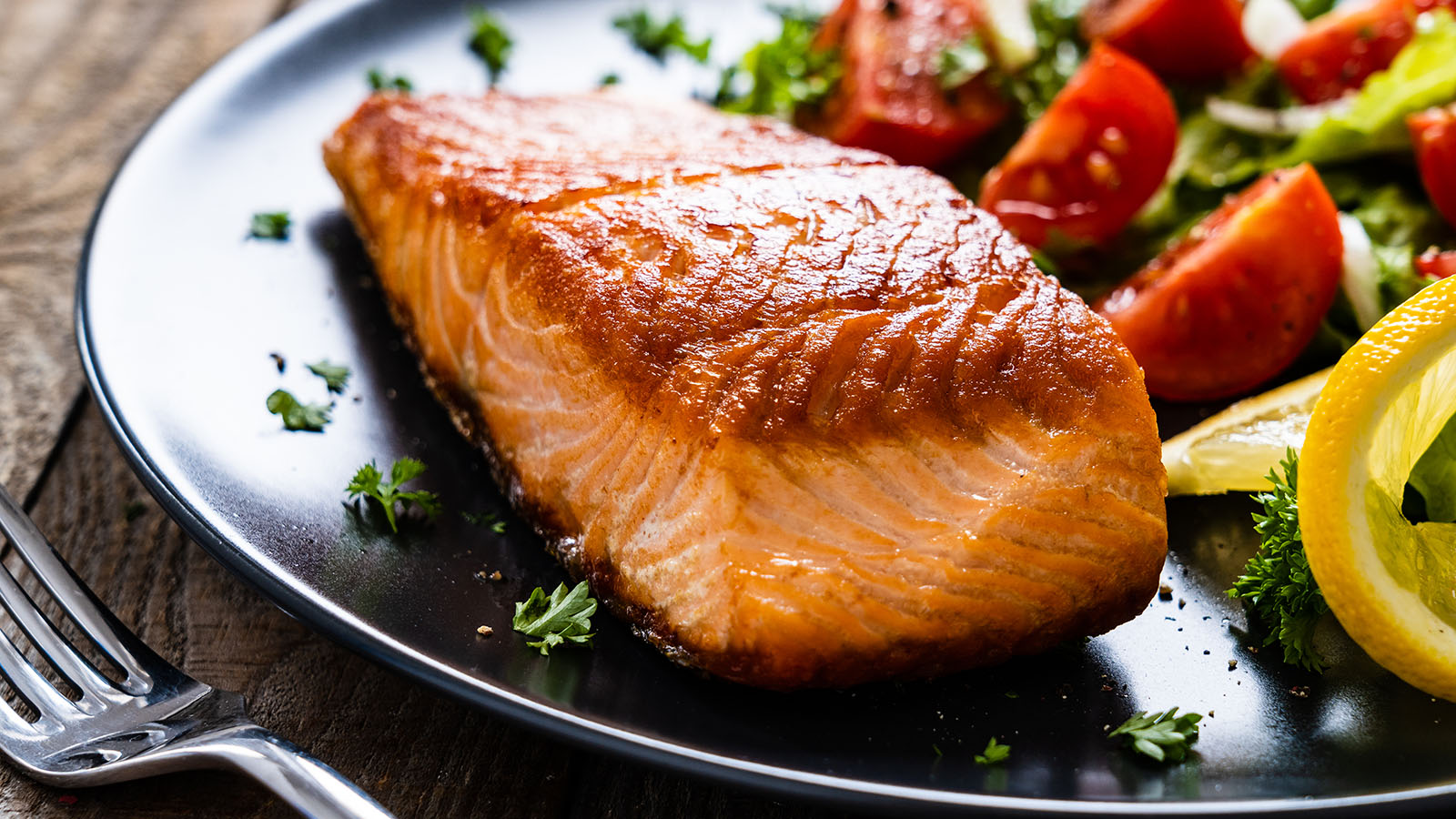
Eat a Mediterranean-style diet
Focus on nutrient-dense fresh fruits and vegetables, lean meats and fish, legumes, nuts, whole grains, and fiber.
Limit ultra-processed foods
Sugars and refined flour promote inflammation.
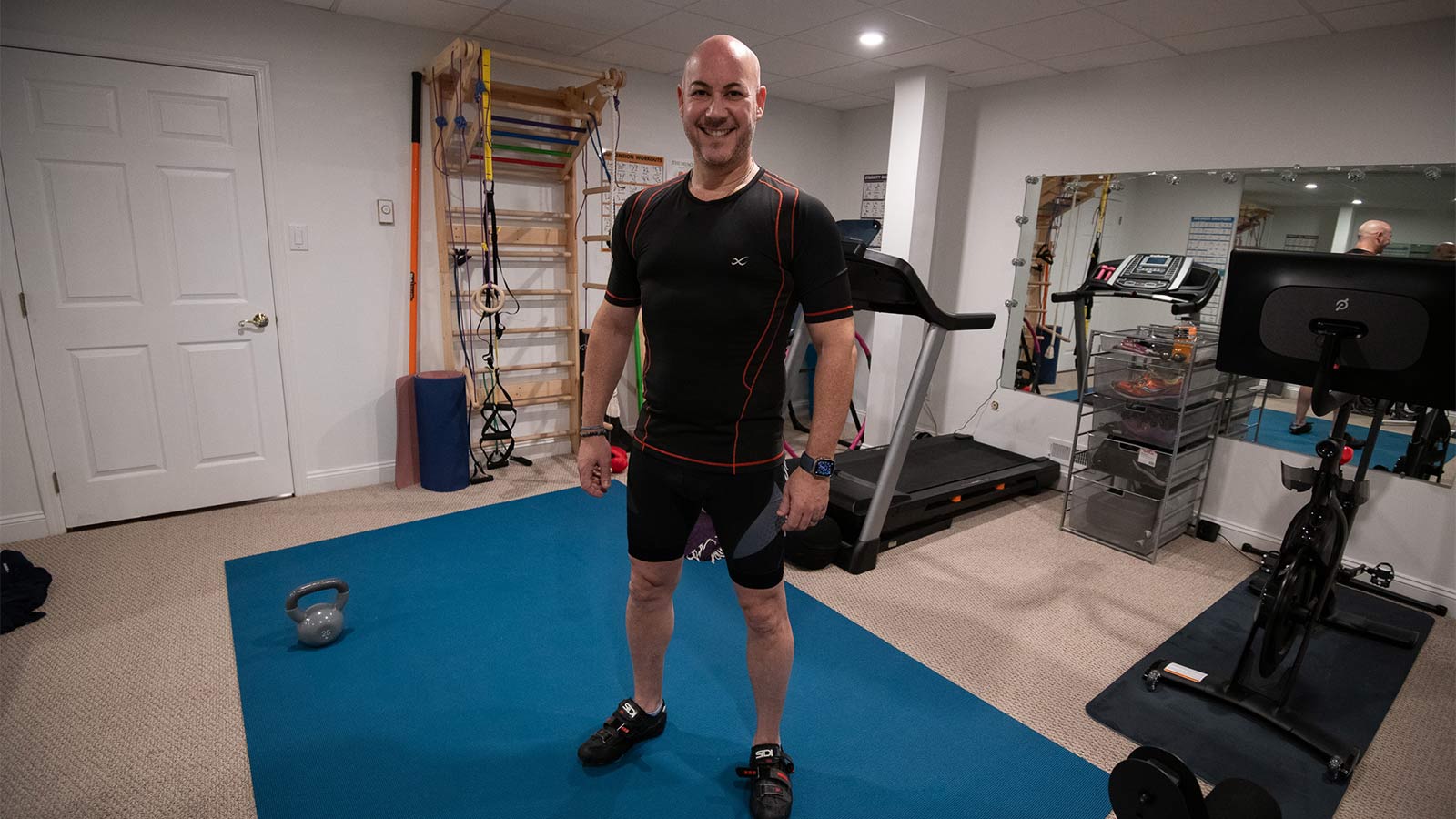
Get moving
Each week, aim for at least 2 hours and 30 minutes of moderate-intensity cardio, like brisk walking, along with two or more days of resistance training.
Maintain a healthy weight
Obesity is associated with chronic, low-grade inflammation.
Quit (or never start) smoking
Smoking damages your heart and blood vessels and is a major cause of cardiovascular disease.
Limit alcohol use
This means no more than two drinks a day for men, one drink for women.
Sleep in
Look to get seven to nine hours of sleep each night and treat sleep apnea if you have it.
Manage stress
Yoga, tai chi, meditation, and deep breathing are all great ways to relax.
Consider medication
Cholesterol-lowering medications called statins have been shown to effectively reduce inflammation of the arteries.
Along with monitoring your cholesterol, blood pressure, and blood sugar levels, ask your health care provider for a high-sensitivity CRP blood test to measure your inflammation. We can then use a statin and other treatments to reduce your inflammation and improve your overall cardiovascular health.
Top heart care, right here in South Jersey
Virtua cardiologists use the latest approaches to prevent and treat heart disease. Call 888-847-8823 to schedule an appointment with a Virtua heart specialist near you.
There's So Much More to Explore