COPD vs. Asthma: Understanding the Difference in Symptoms
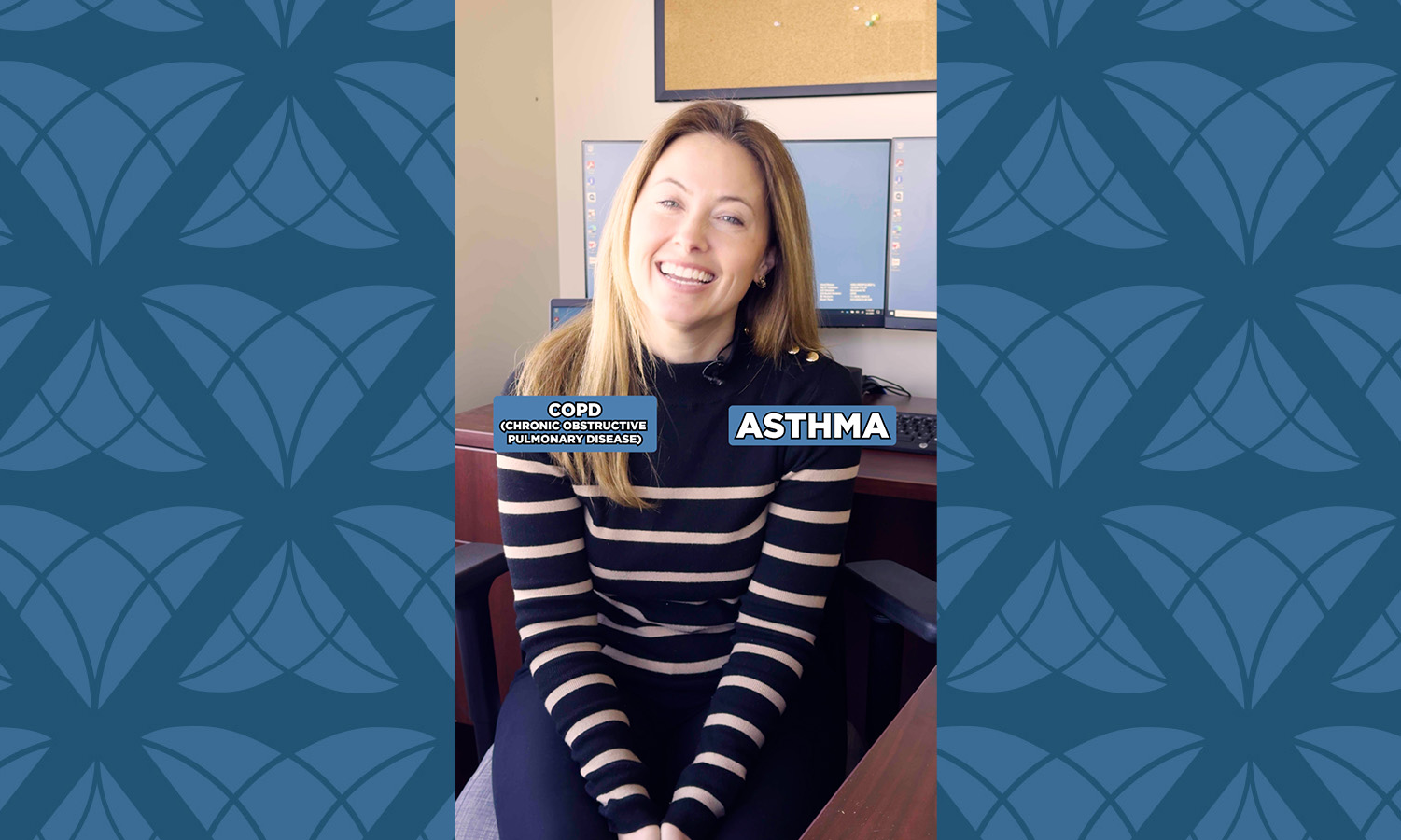
COPD and asthma both affect breathing, but they are not the same condition. Understanding the differences can help you recognize symptoms and get the right care.
By Heather M. Giannini, MD, Pulmonologist, Virtua Pulmonology & Sleep Medicine
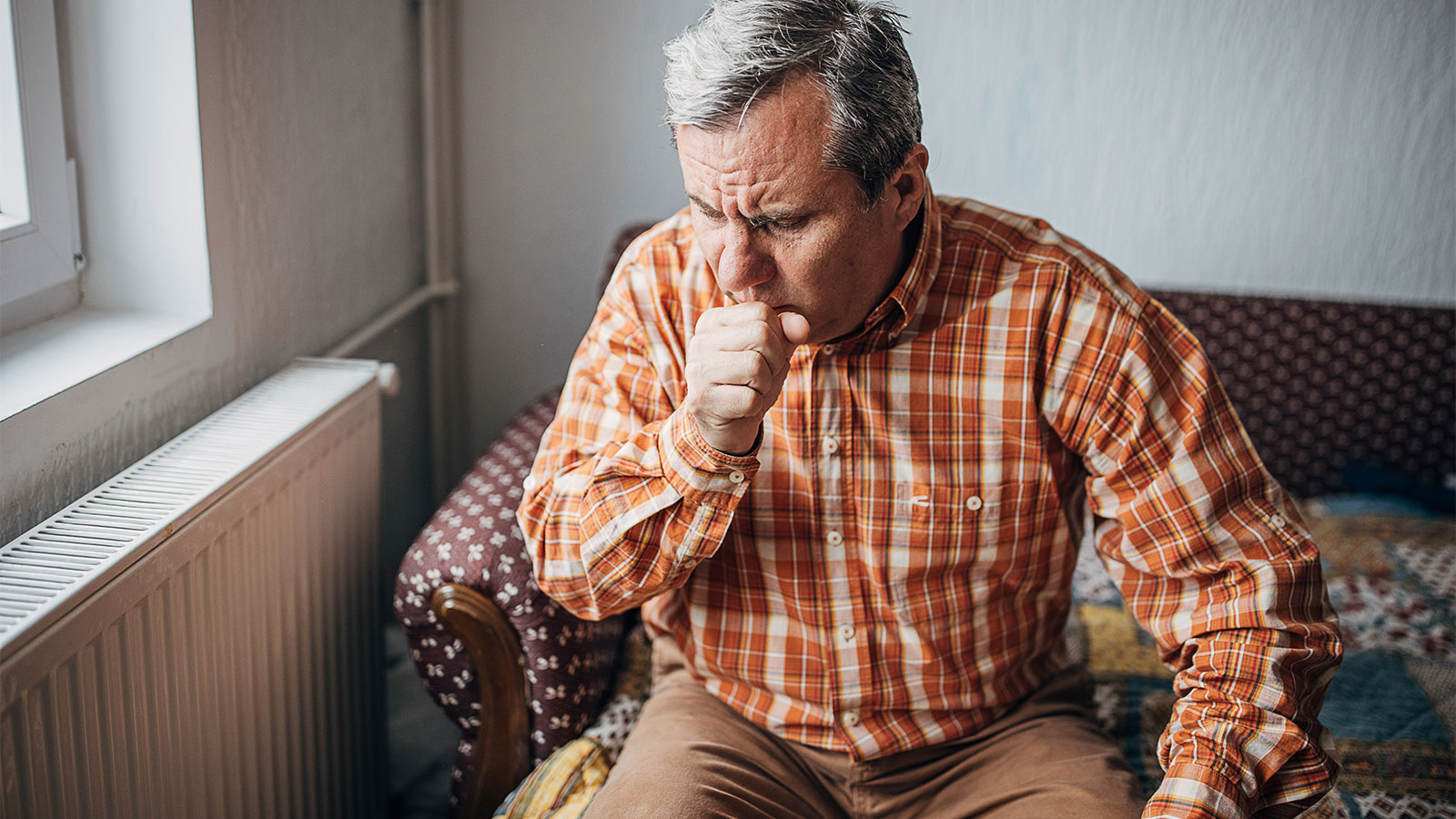
Shortness of breath, chest tightness, and wheezing are often signs that something’s going on with your lungs. Two common conditions that cause these symptoms are chronic obstructive pulmonary disease, known as COPD, and asthma.
While they share some similarities, they are very different in how they develop, how they affect the lungs, and how they are treated.
Differences between COPD and Asthma
What is COPD?
COPD is a chronic lung disease that causes ongoing breathing problems.
It is most often linked to a history of smoking or long-term exposure to air pollutants and irritants. People with COPD commonly experience:
- Chronic shortness of breath, especially with activity
- Persistent cough
- Increased mucus production
- Fatigue with exertion
Unlike asthma, COPD symptoms are usually present every day and tend to gradually worsen over time.
What is asthma?
Asthma is a condition where the airways become inflamed and narrowed in response to certain triggers.
Asthma symptoms are usually episodic, meaning they come and go rather than being constant. Common symptoms include:
- Wheezing
- Chest tightness
- Shortness of breath
- Cough, especially at night or early morning
Asthma is often triggered by environmental factors such as pollen, dust, pet dander, cold air, exercise, or respiratory infections.
Can you have both COPD and asthma?
Yes, some people develop both COPD and asthma. This typically happens in individuals who had asthma earlier in life and later developed COPD due to smoking or long-term exposure to lung irritants.
In these cases, symptoms may overlap and require a more personalized treatment plan.
Lifestyle changes that help manage both conditions
Certain lifestyle modifications can help improve symptoms for both COPD and asthma, including:
- Stopping smoking is one of the most important steps and can slow disease progression and improve lung function.
- For people with asthma, avoiding triggers such as pollen, dust, pet dander, and extreme temperatures is crucial. Hot and cold air can worsen asthma symptoms, and exercise induced asthma may occur in some individuals during physical activity.
- Managing exposure to known triggers can reduce flare ups and improve overall breathing.
When should you see a pulmonologist?
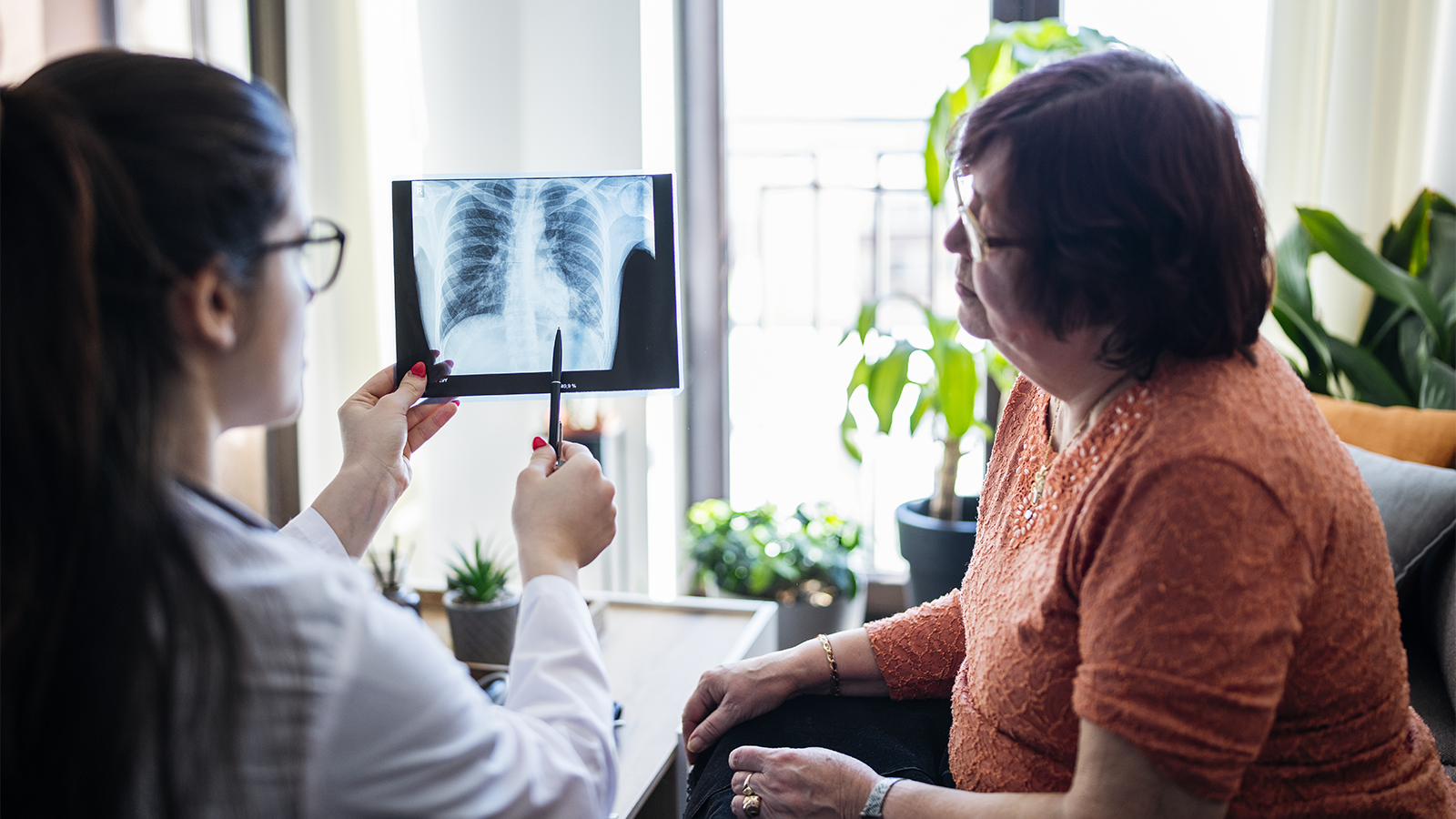
If you experience ongoing breathing problems or are concerned about your lung health, it’s important to consult a pulmonologist, also known as a lung doctor.
Pulmonologists use breathing tests called pulmonary function tests to evaluate how your lungs are working and help determine the correct diagnosis and treatment plan.
Early evaluation and treatment can help you manage symptoms and improve your quality of life.
Virtua provides expert care for lung health
If you are experiencing shortness of breath, chronic cough, or wheezing, schedule an appointment with a Virtua pulmonologist to discuss testing, diagnosis, and treatment options for asthma or COPD.
There's So Much More to Explore