3 Reasons Why Now's the Time to Find Relief From Varicose Veins
If you have varicose veins, the season to wear shorts and swimsuits can bring pain and embarrassment. Here are some tips to provide relief, and when you might want to undergo a medical procedure so your legs can be ready for next summer.

By Luai Tabaza, MD, FACC, FSCAI, RPVI, Vascular Specialist, Virtua Vein & Vascular Experts
Summertime means shedding layers and having some fun in the sun. But for people who have varicose and spider veins, especially women, the season to wear shorts, swimsuits, and flip-flops can bring pain and embarrassment.
While varicose veins can be treated at any time of year, the colder months are prime time to undergo a procedure so your legs can be ready for next summer.
What Are Varicose Veins?
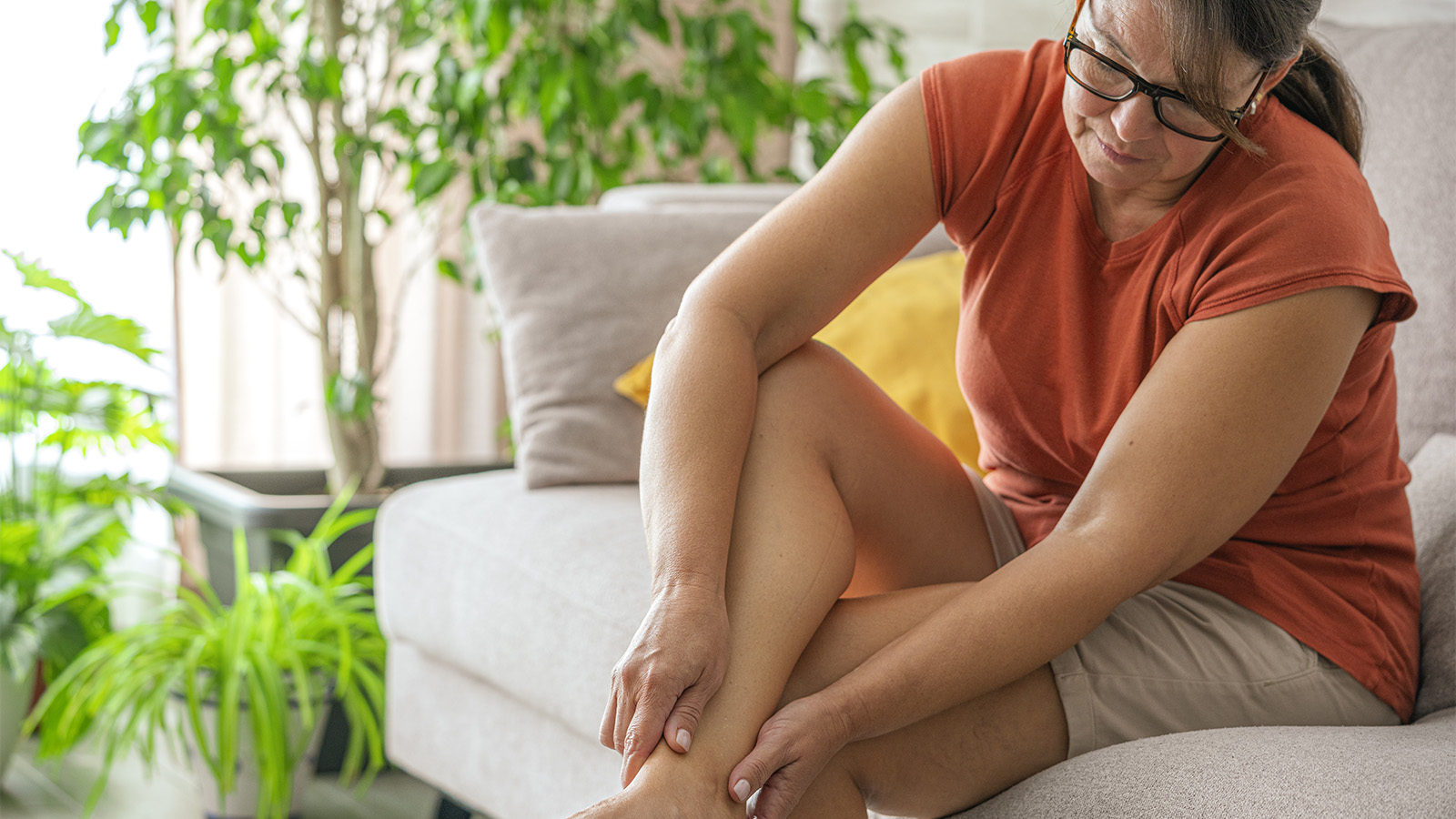
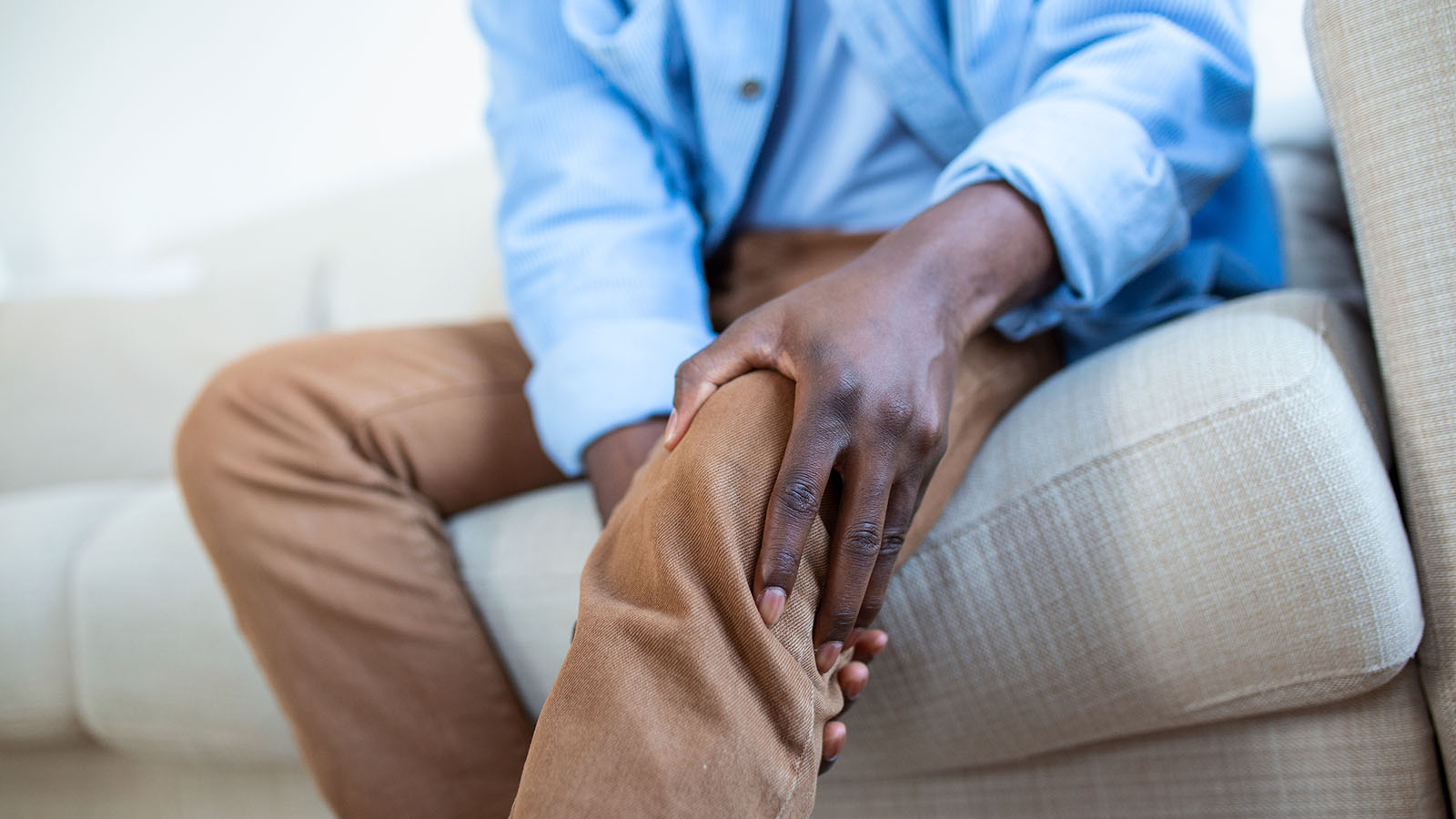
Varicose veins are twisted, enlarged blood vessels in the legs and feet that bulge just below the surface of the skin. They occur when tiny one-way valves inside blood vessels in your legs and feet stop working properly. Instead of flowing smoothly to the heart, blood pools up, stretching the veins and making them bulge.
Besides being unsightly, varicose veins can also be extremely painful, ultimately progressing to bleeding, thrombophlebitis, or chronic venous insufficiency, when blood cannot flow briskly back up to the heart. Some people also experience venous eczema (itching due to fluid buildup in the area) and leg cramps.
Women are more likely to develop varicose veins than men. Other risk factors include being over age 50, menopause, pregnancy, obesity, family history, and having a job that requires standing for long periods.
How Do You Treat Varicose Veins?
Mild cases of varicose veins can be helped with:
-
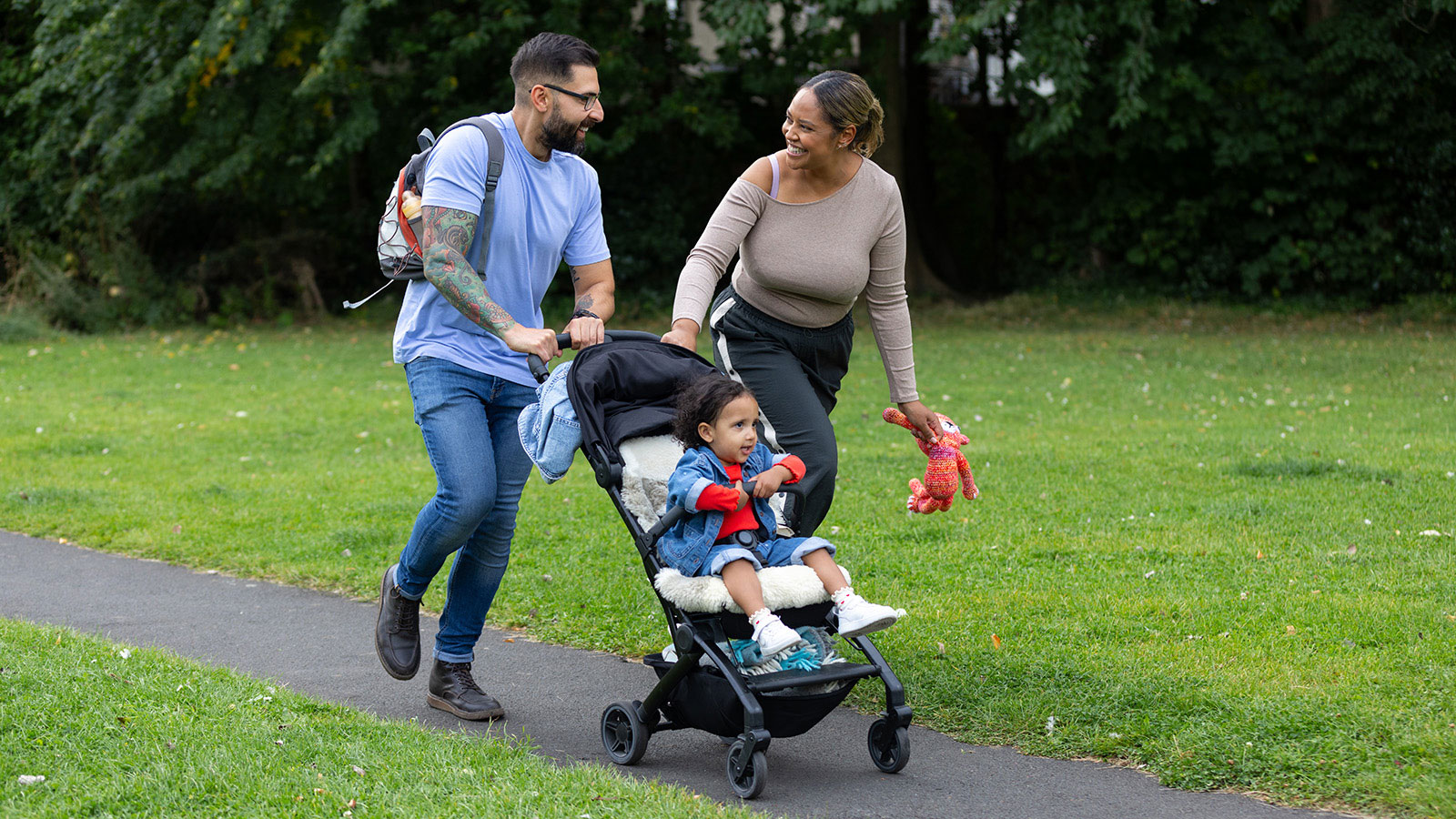
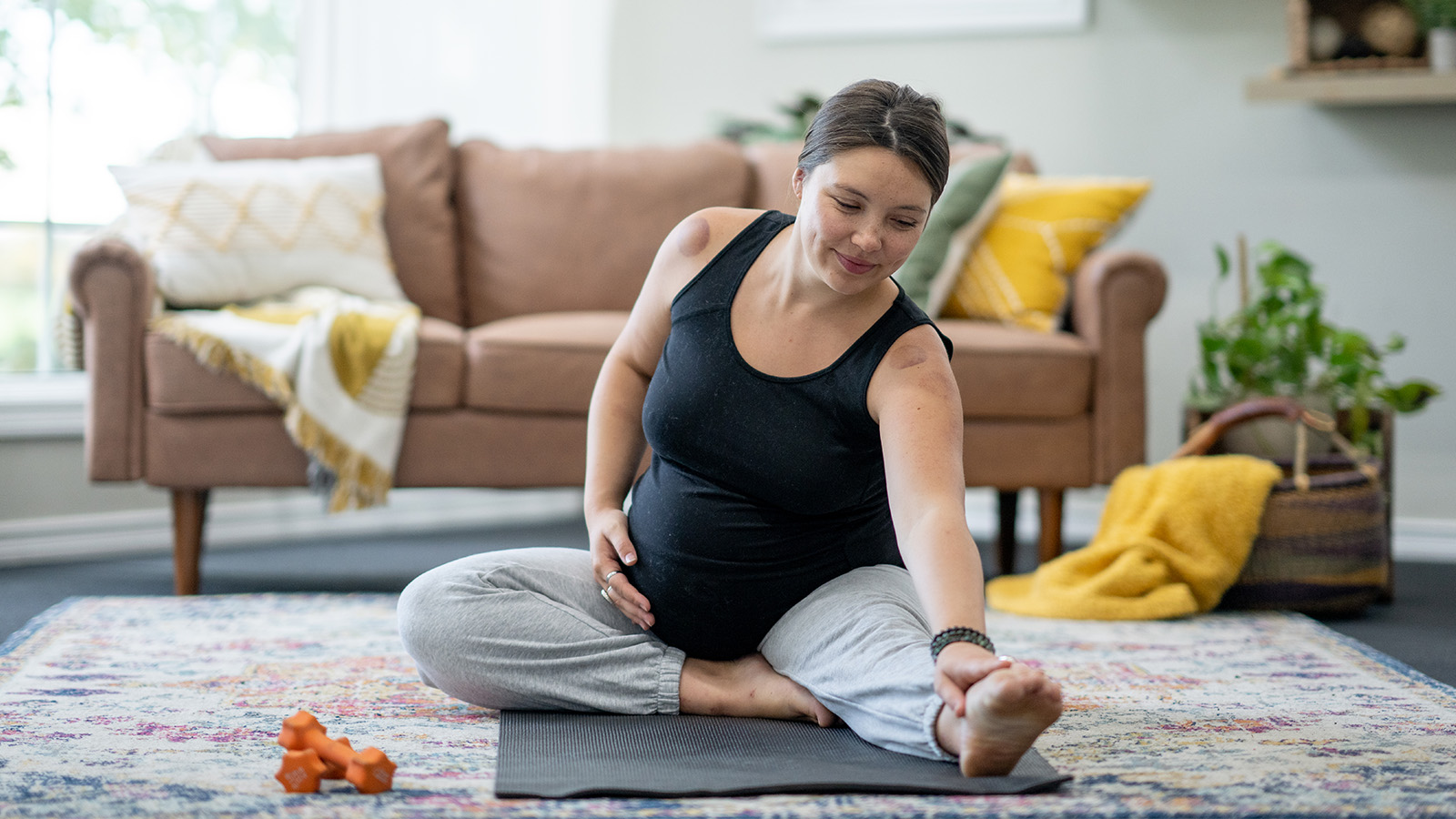
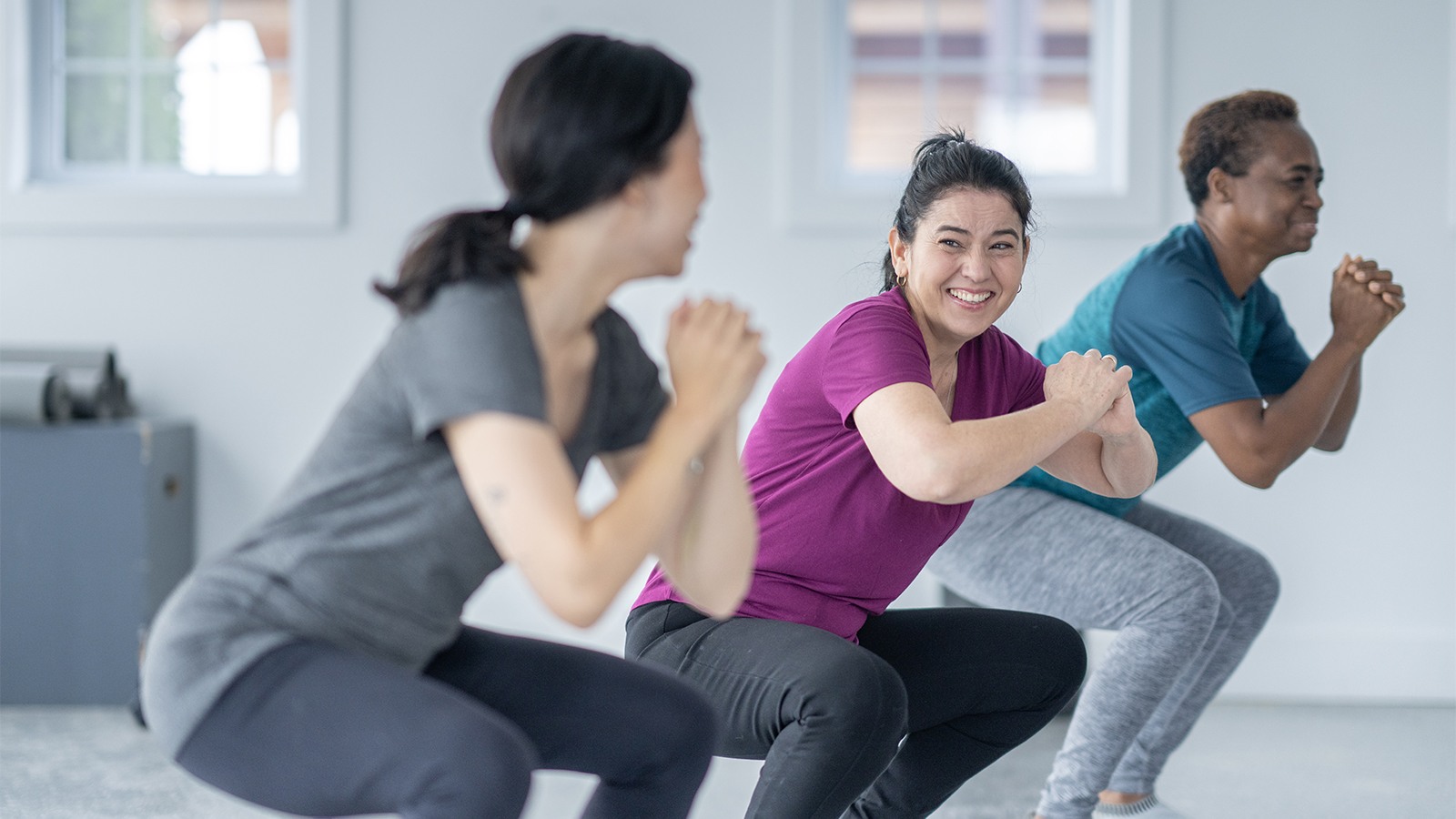
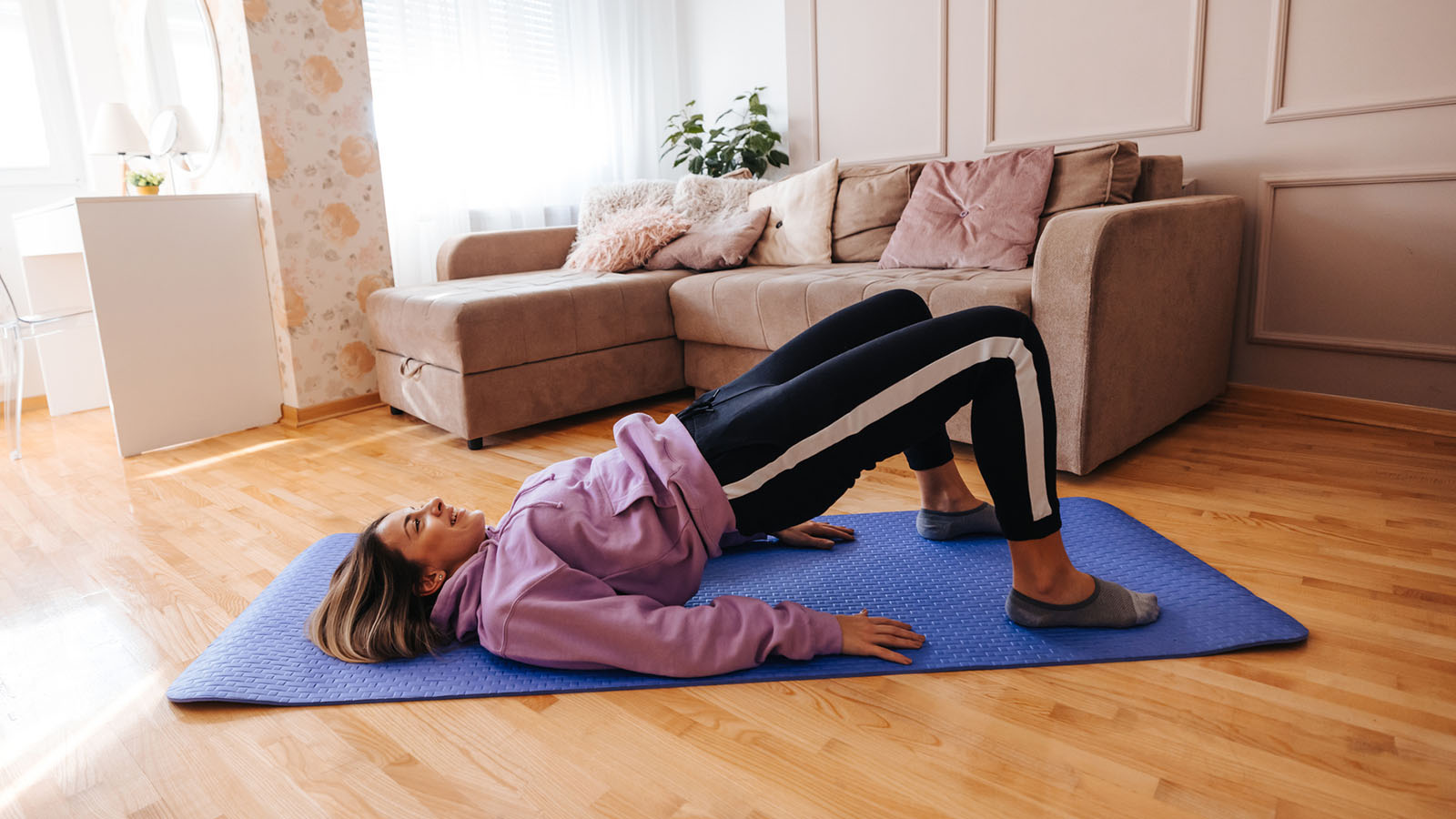
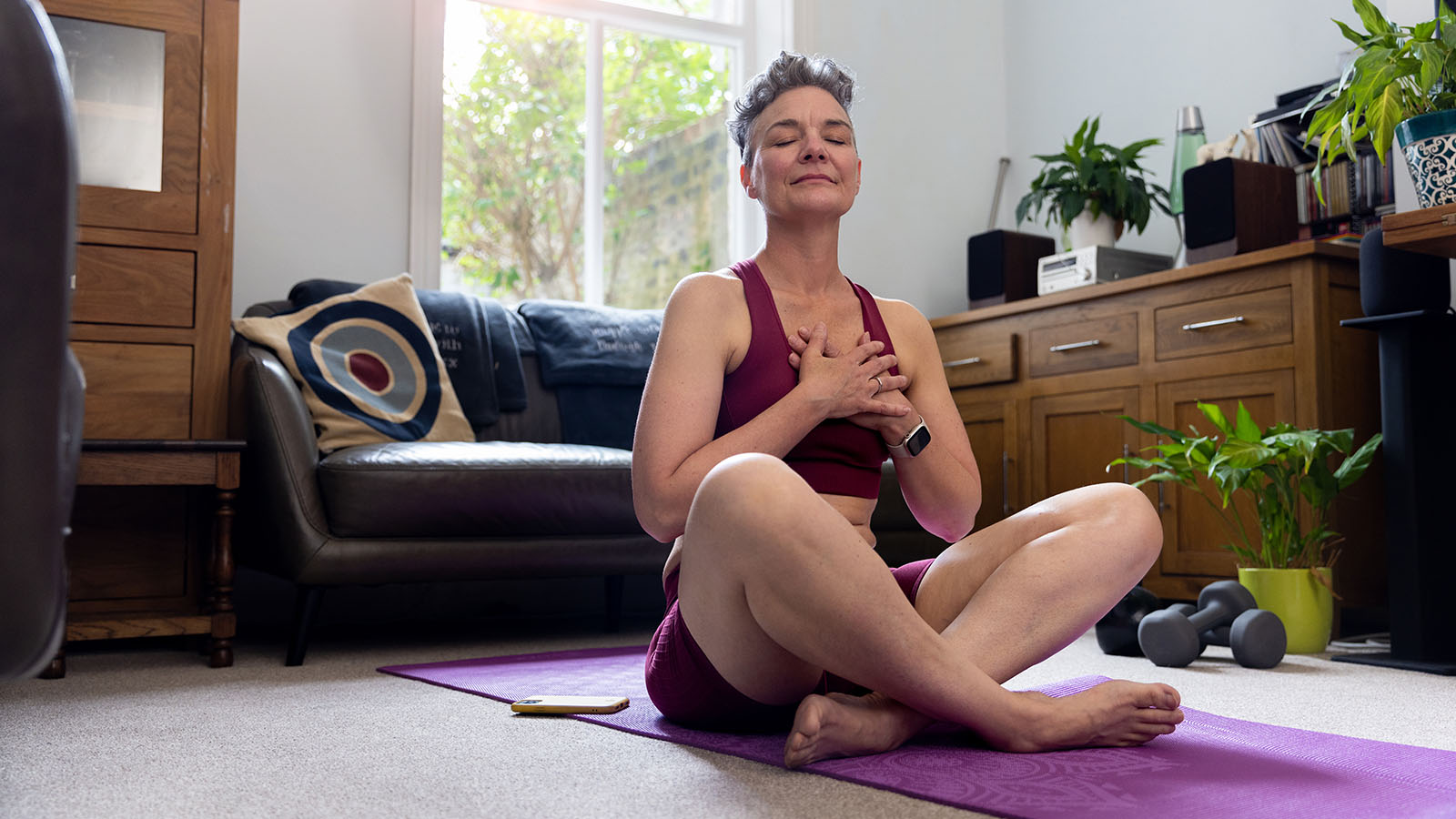
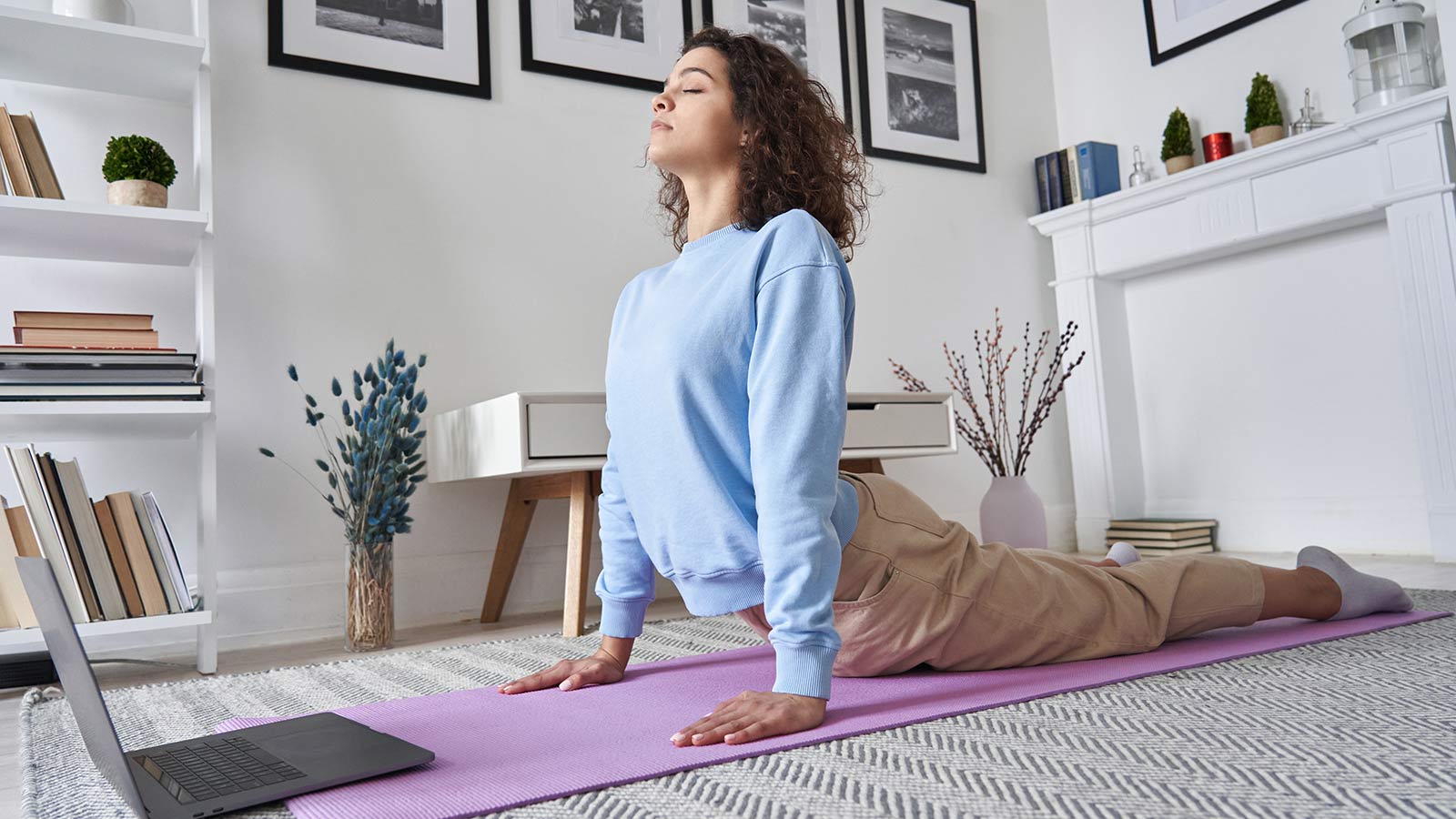
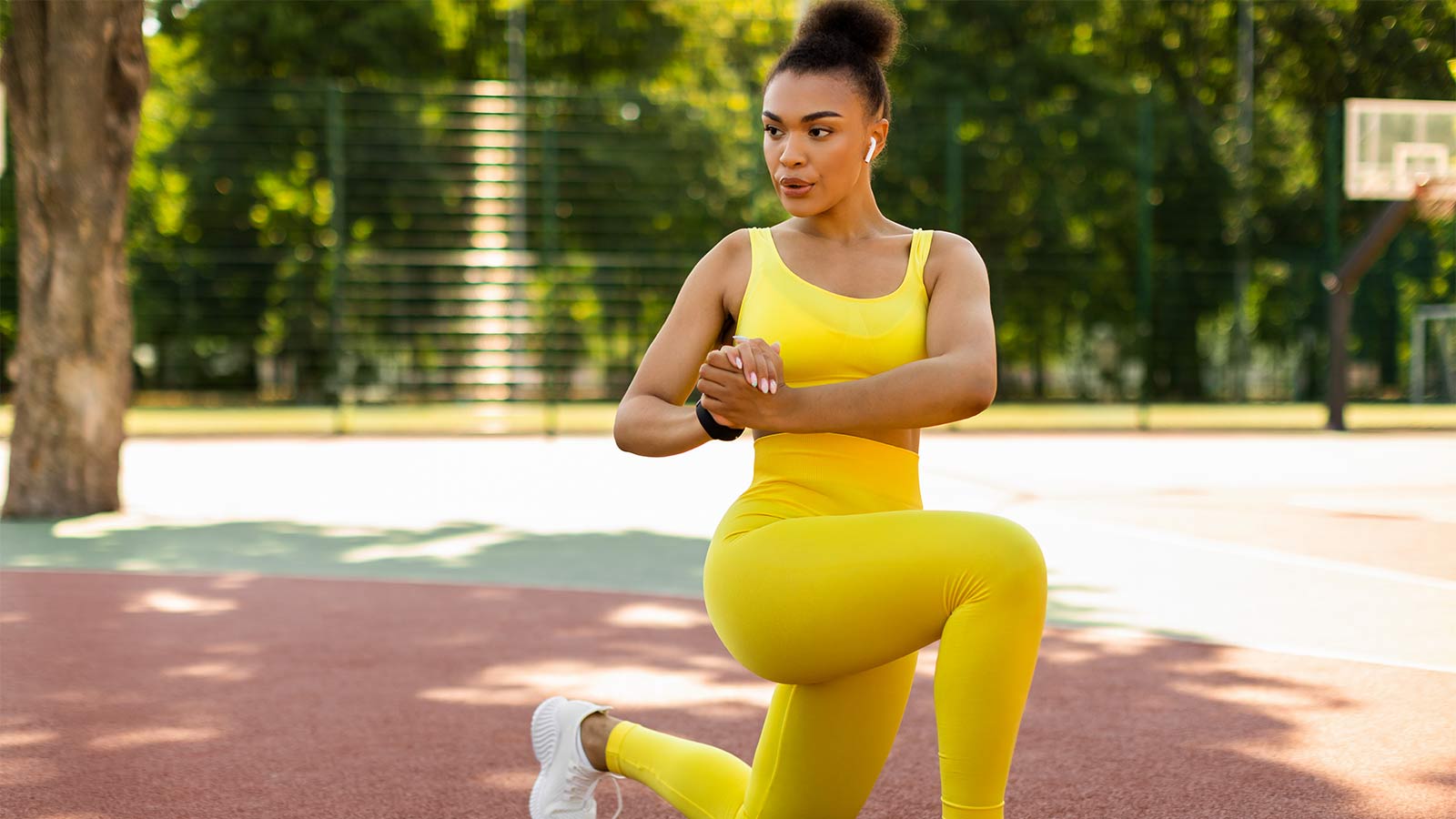
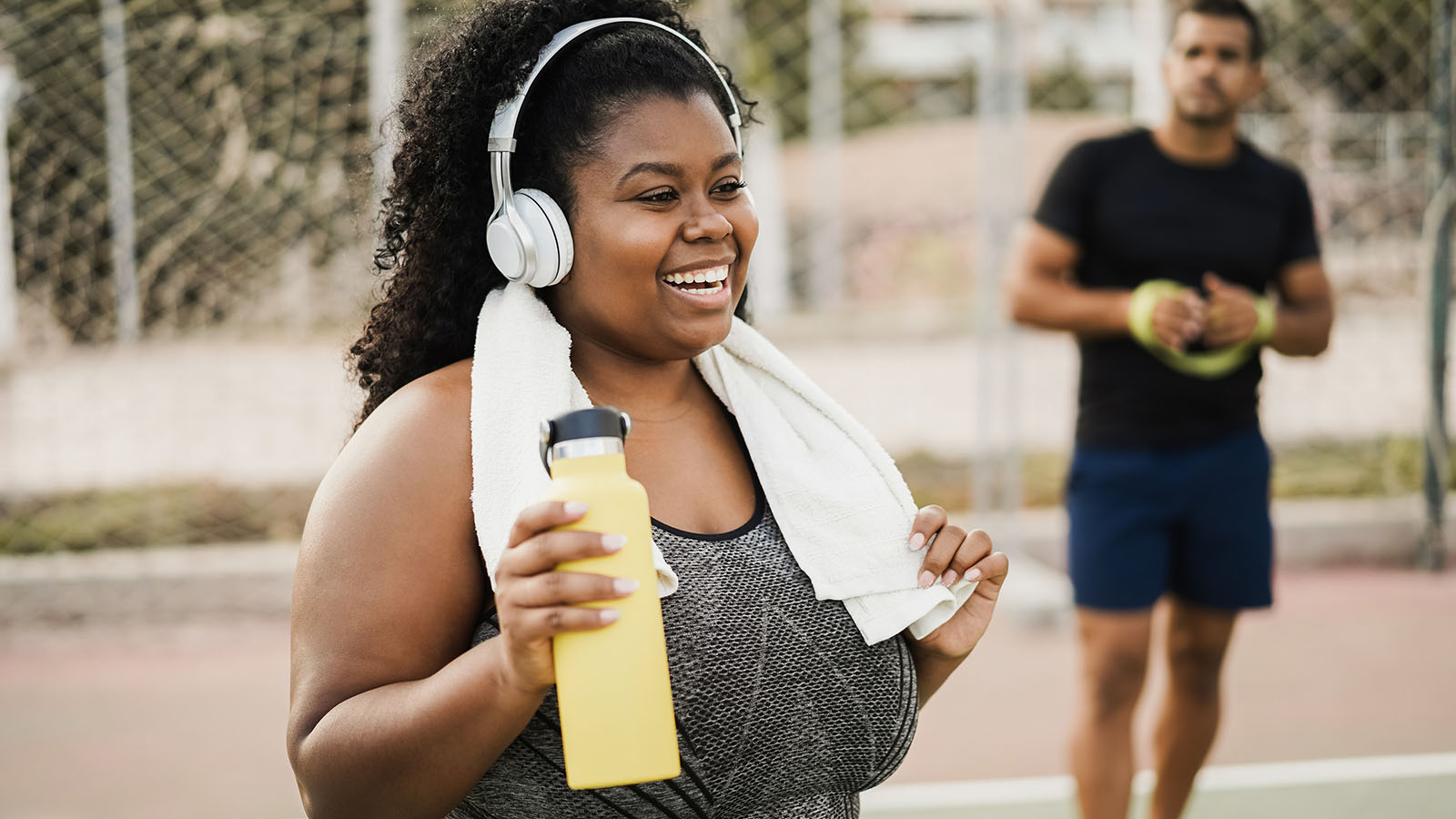
Exercise
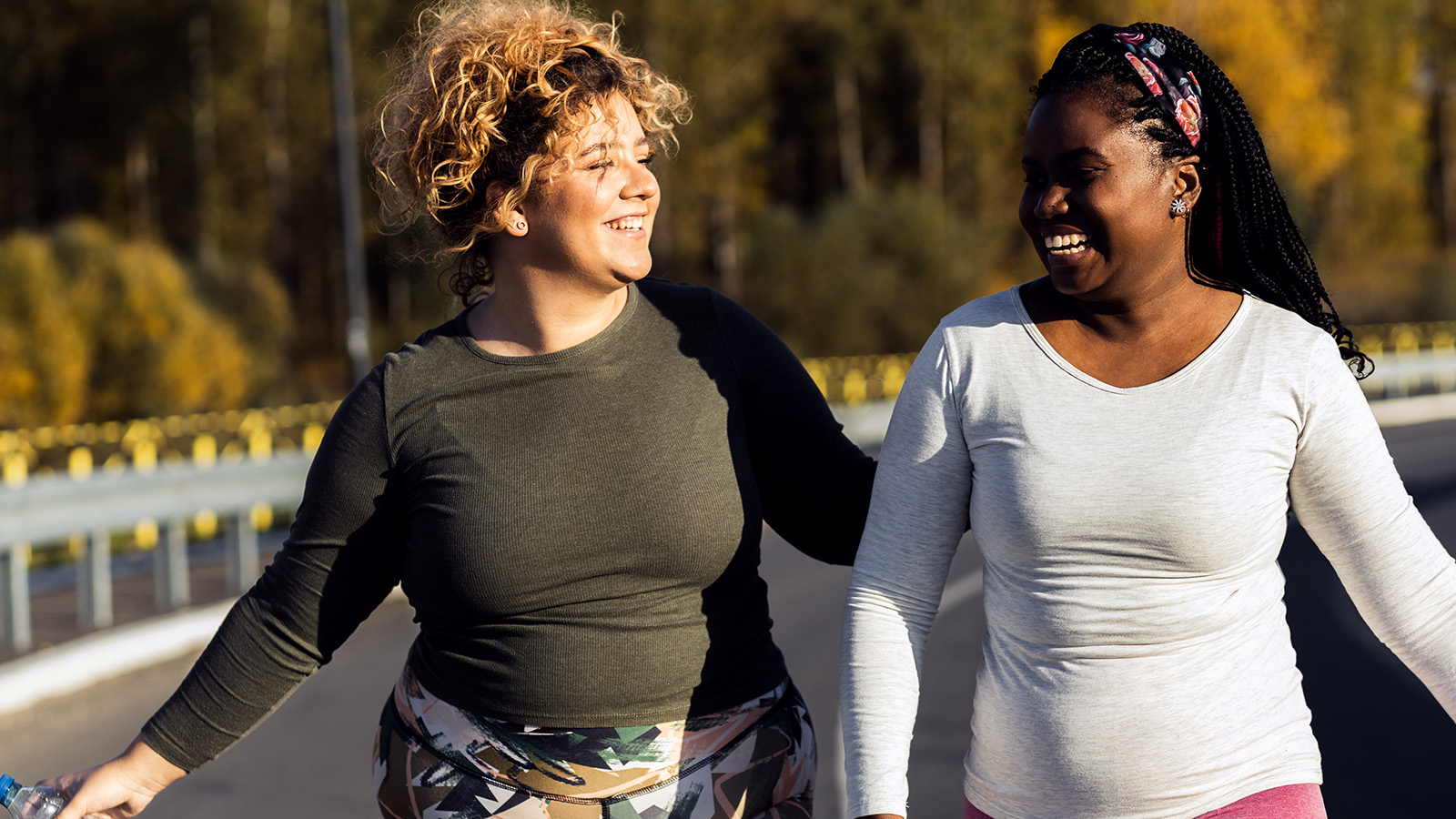
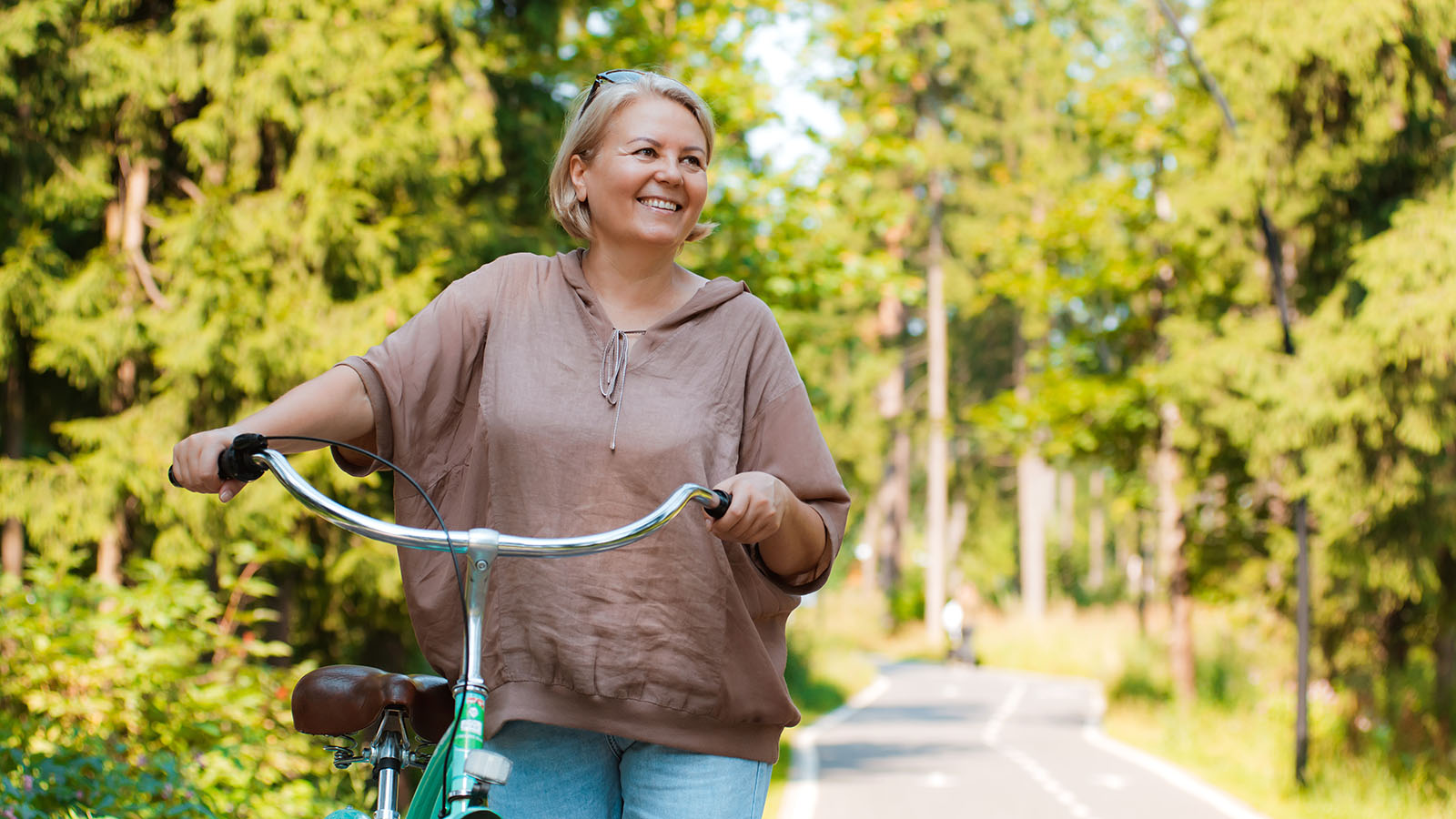
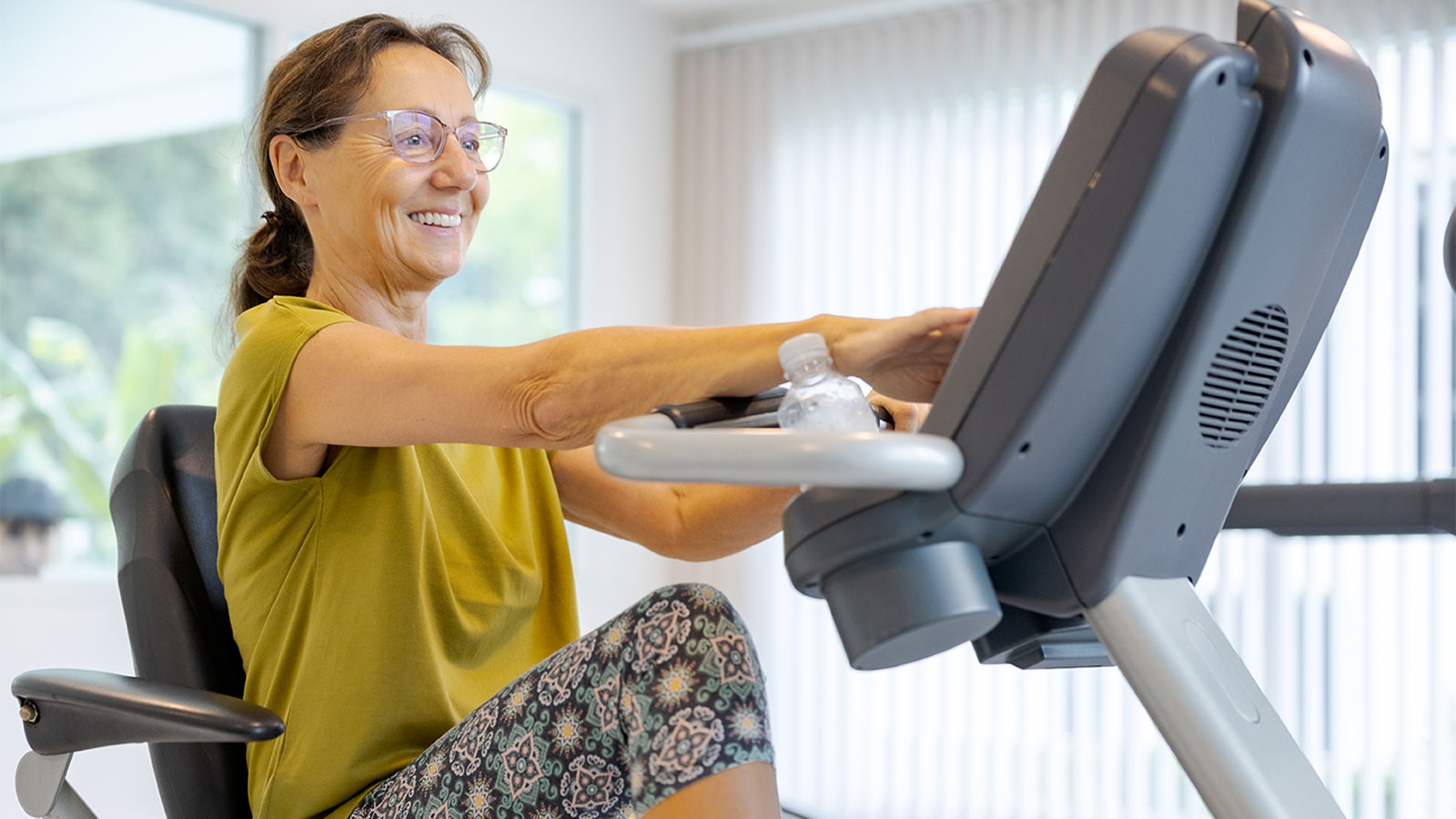
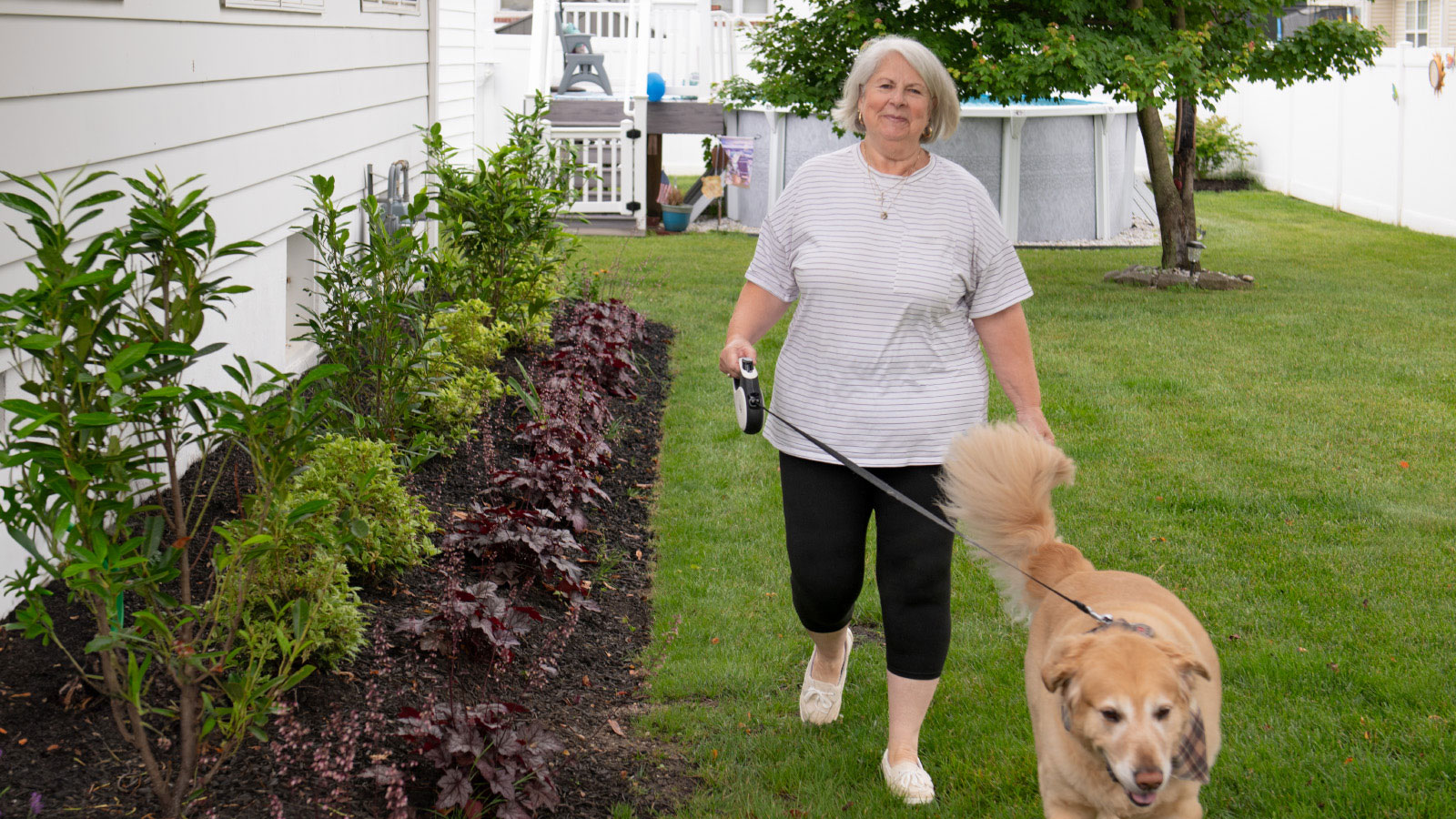
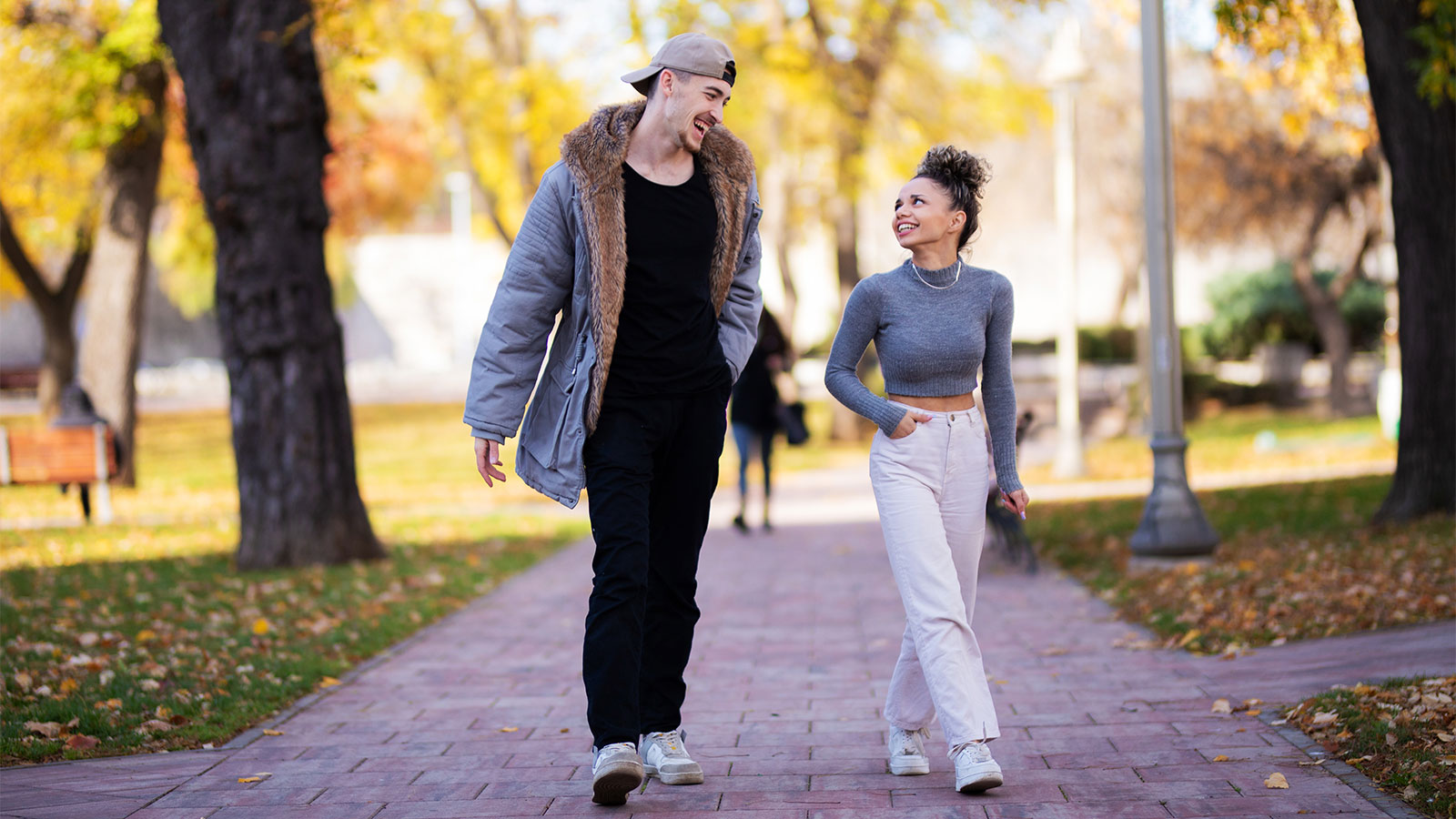
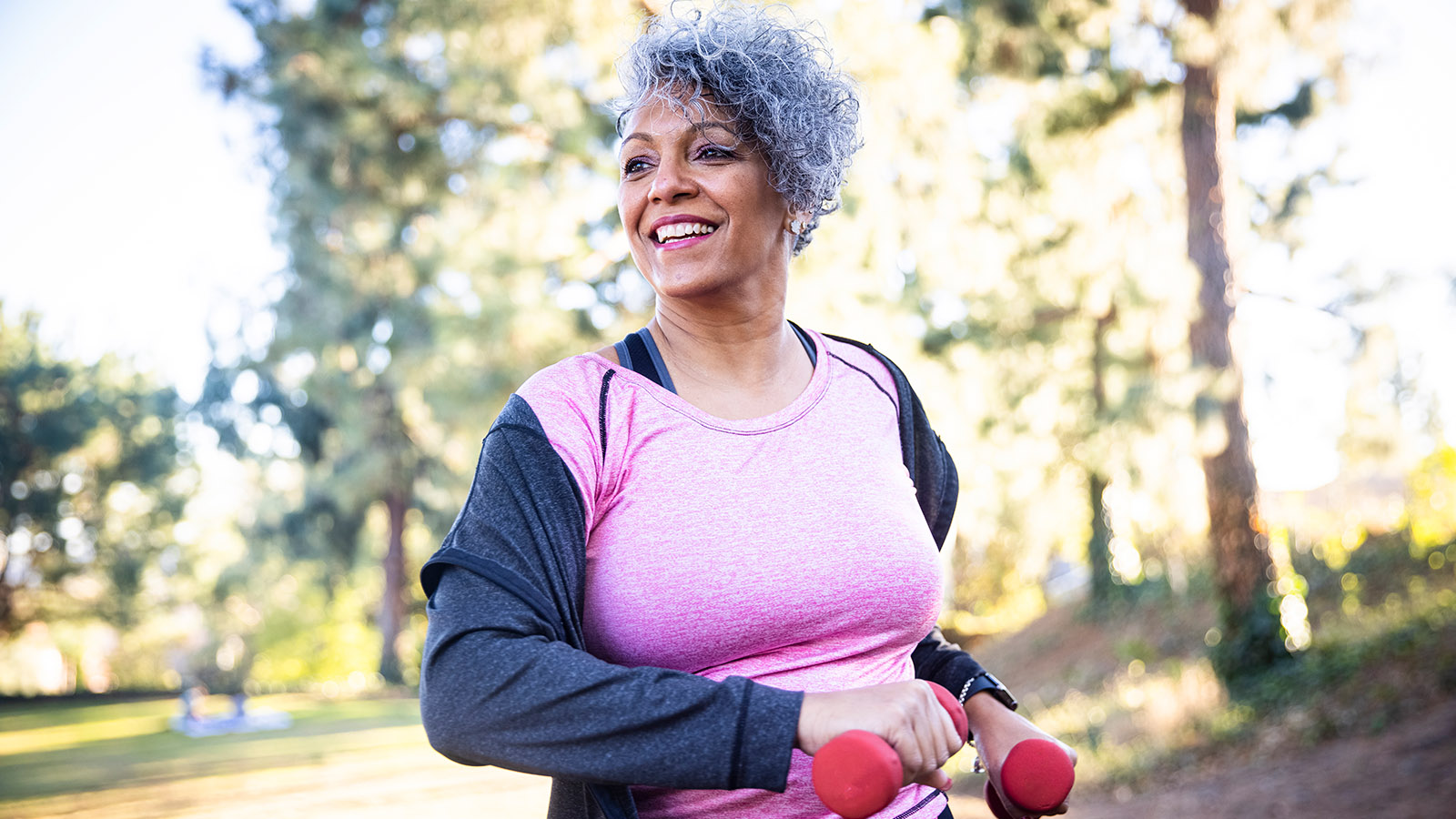
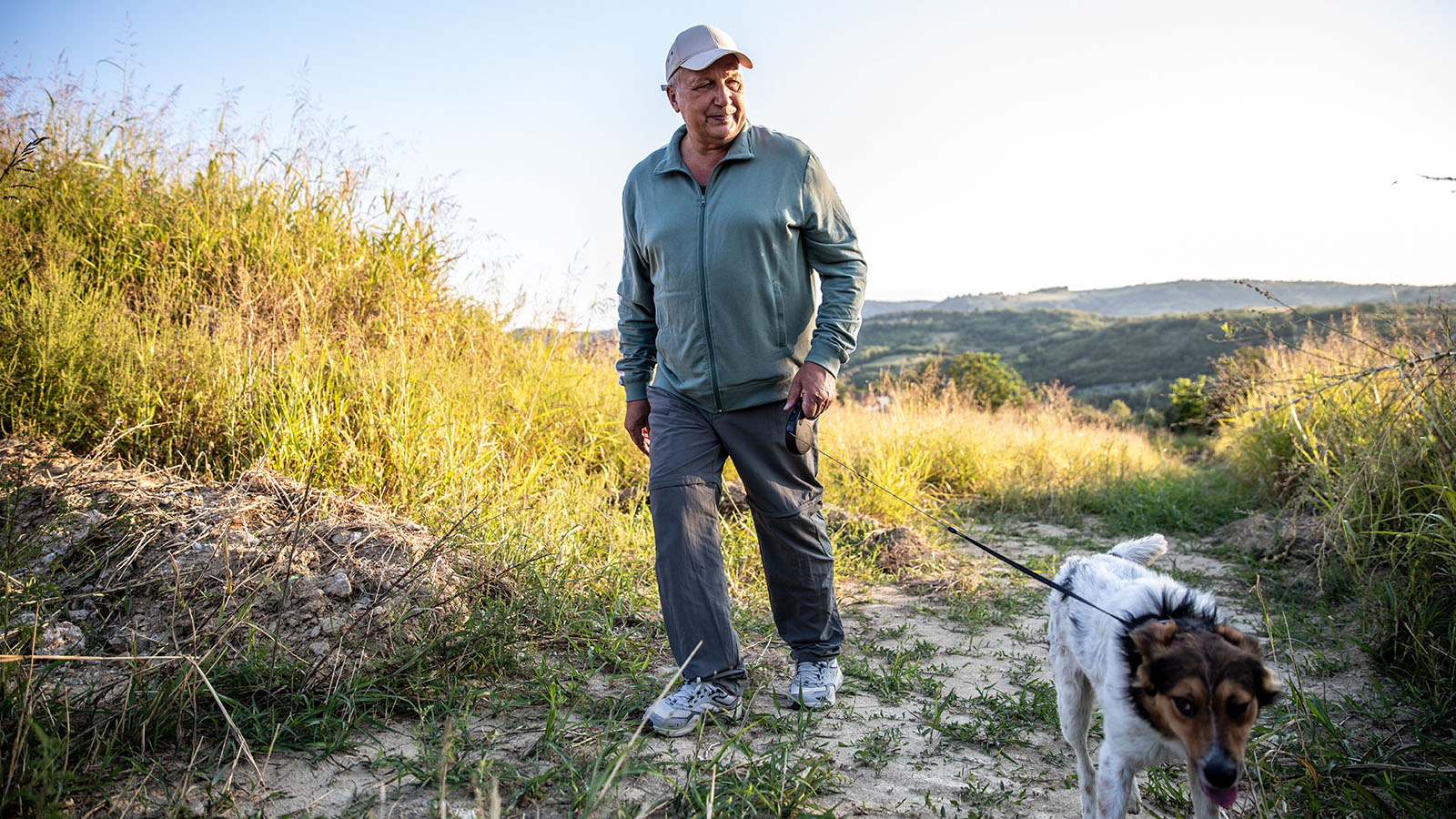
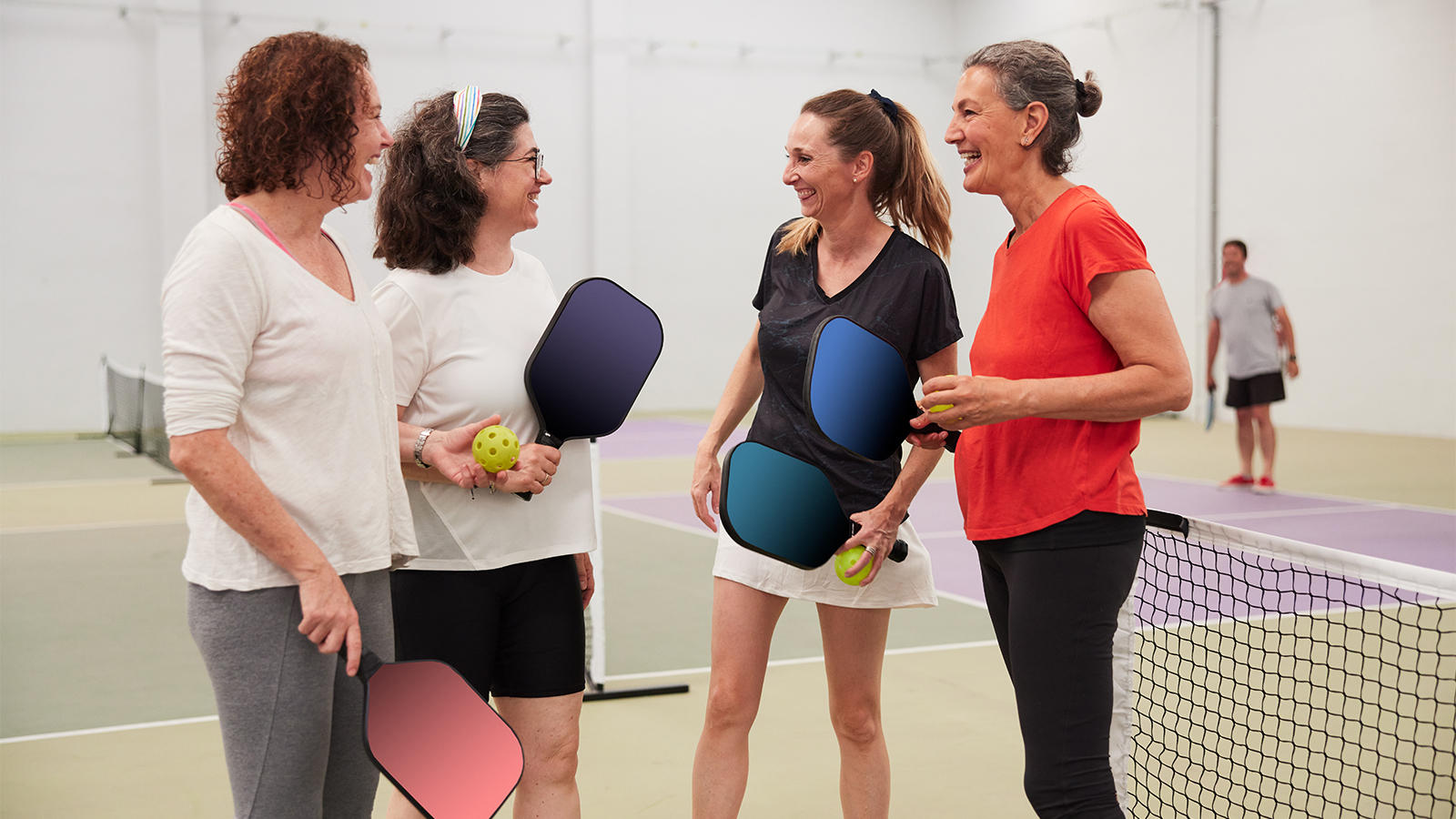
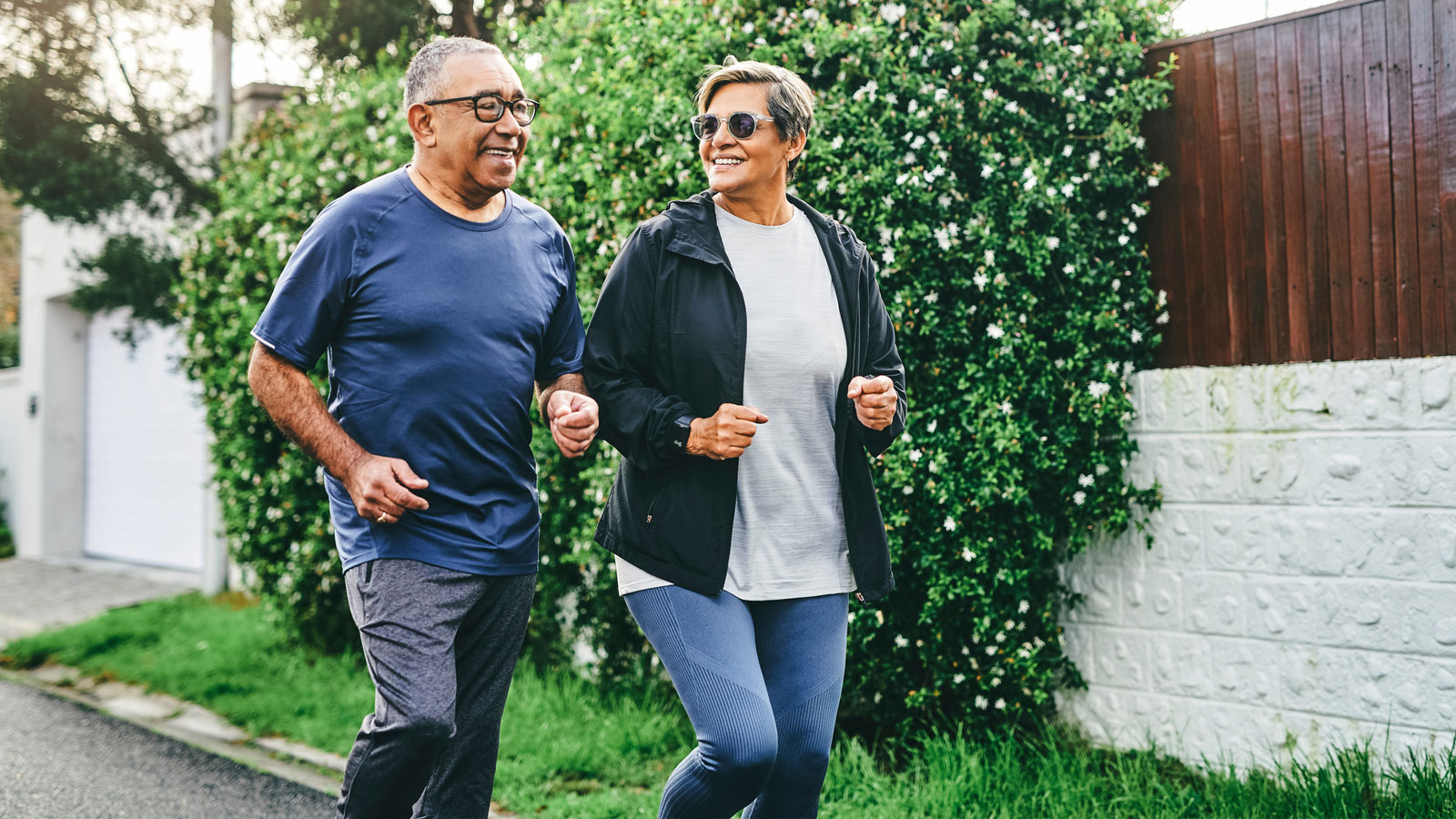
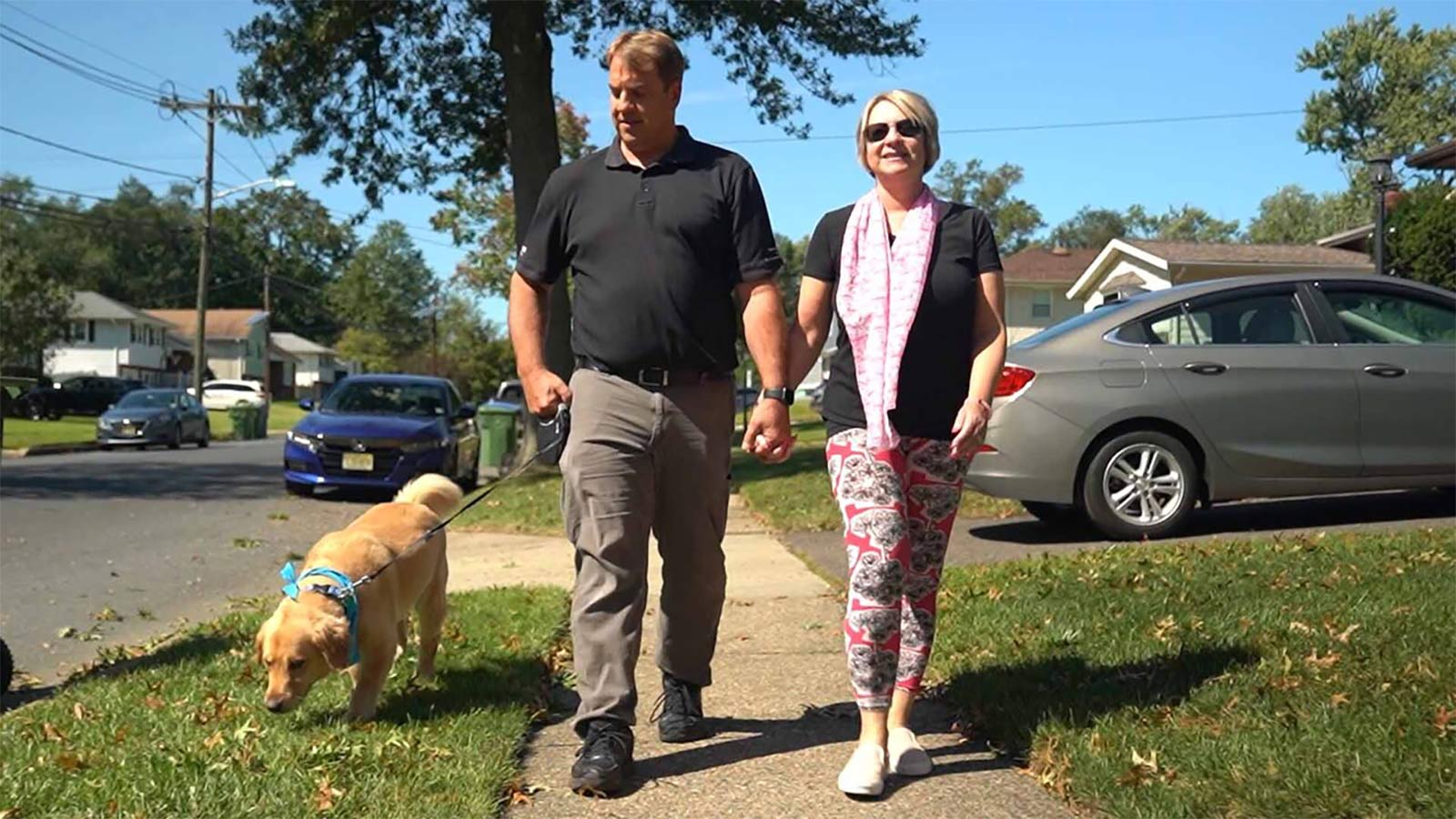
Movement stimulates the calf muscle to act as a pump and helps keep blood flowing properly. Walking is a great, easy choice. -
Maintaining a healthy weight.
Combining a sensible, nutritious eating plan and moderate exercise can help you achieve a healthy weight. -
Not standing for extended periods.
-
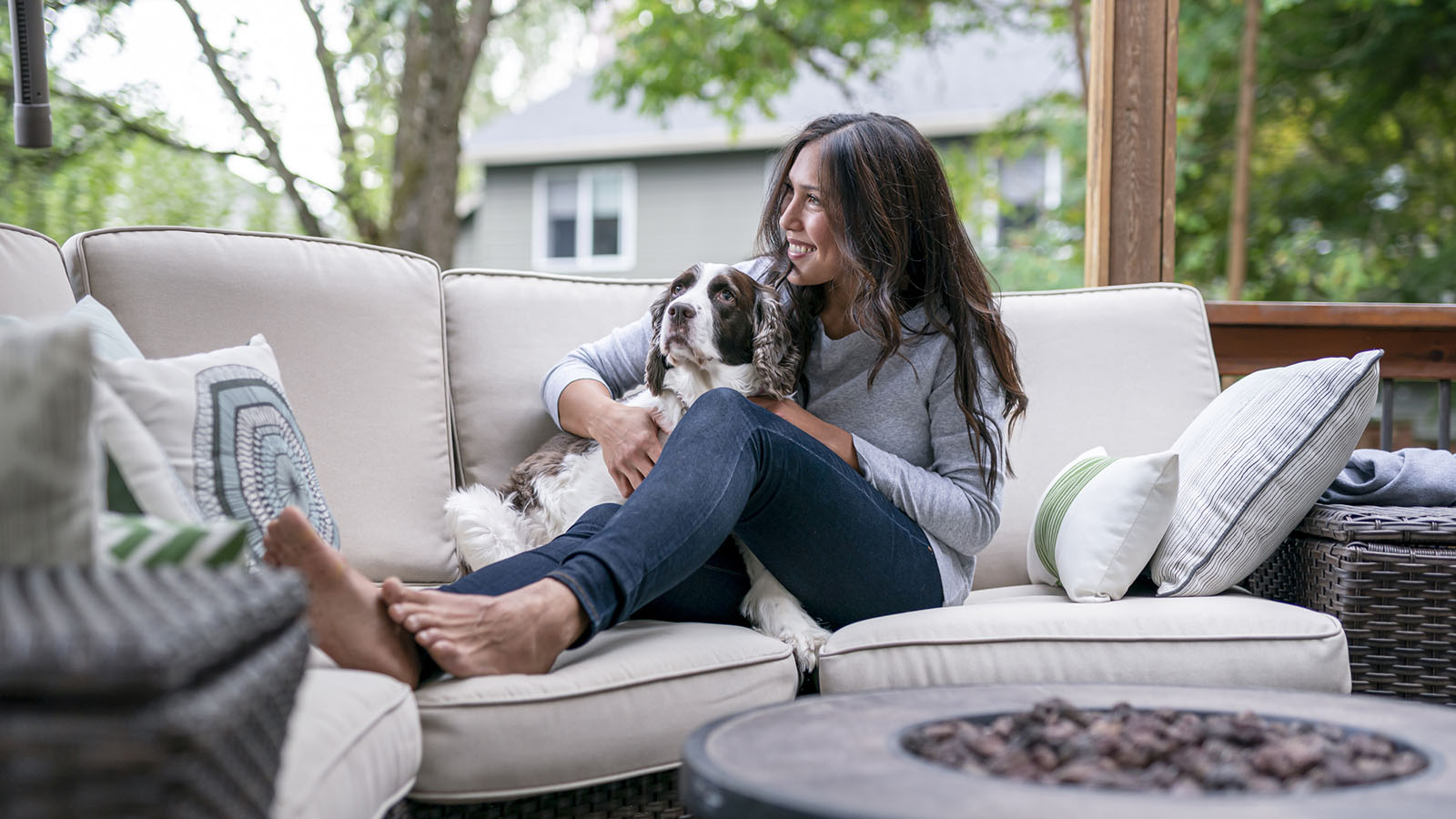
Resting and elevating your legs.
Prop your legs at a 45-degree angle above your heart for 15 to 20 minutes several times a day. This encourages blood to flow from your legs toward your heart and eases swelling. -
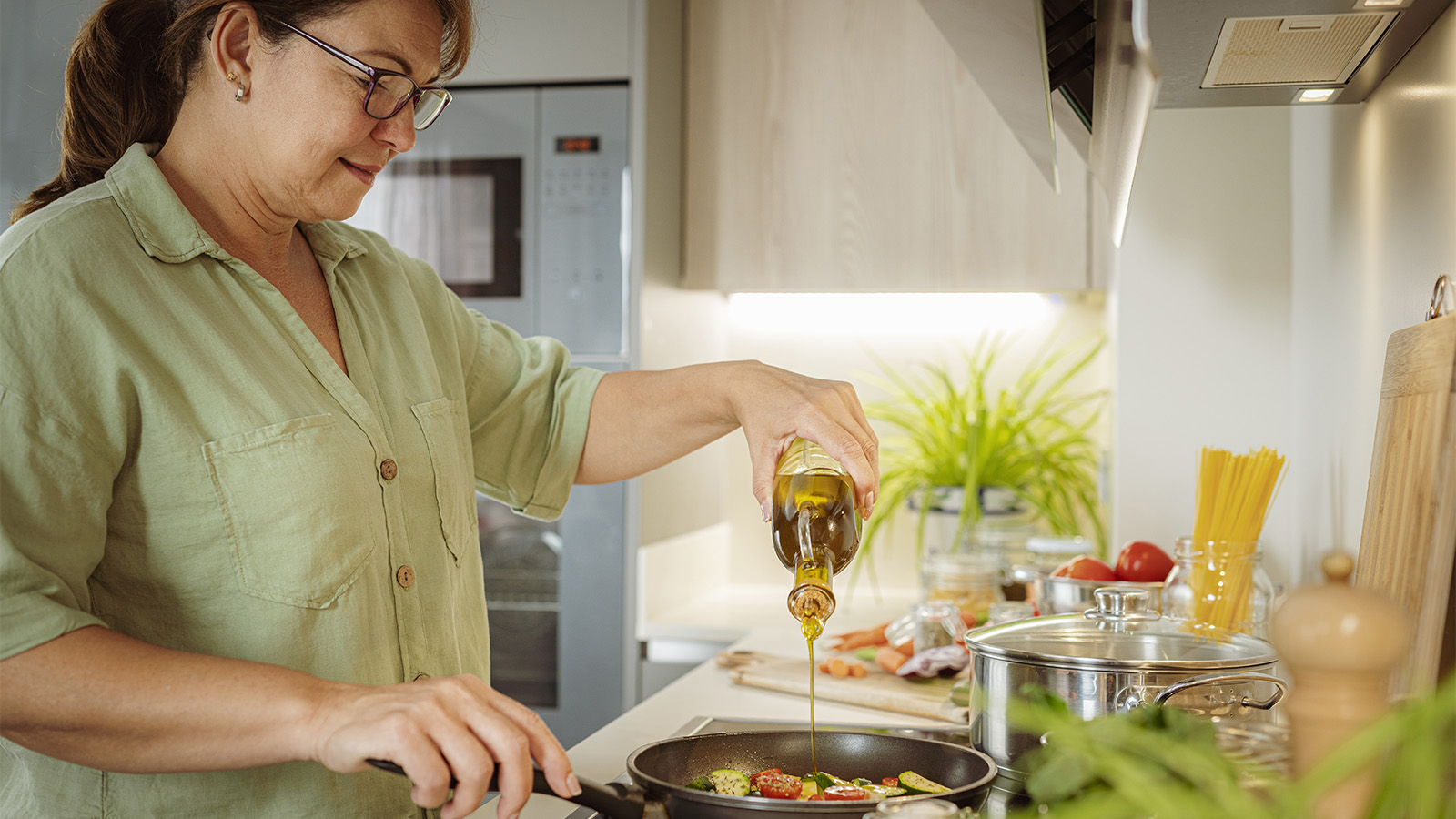
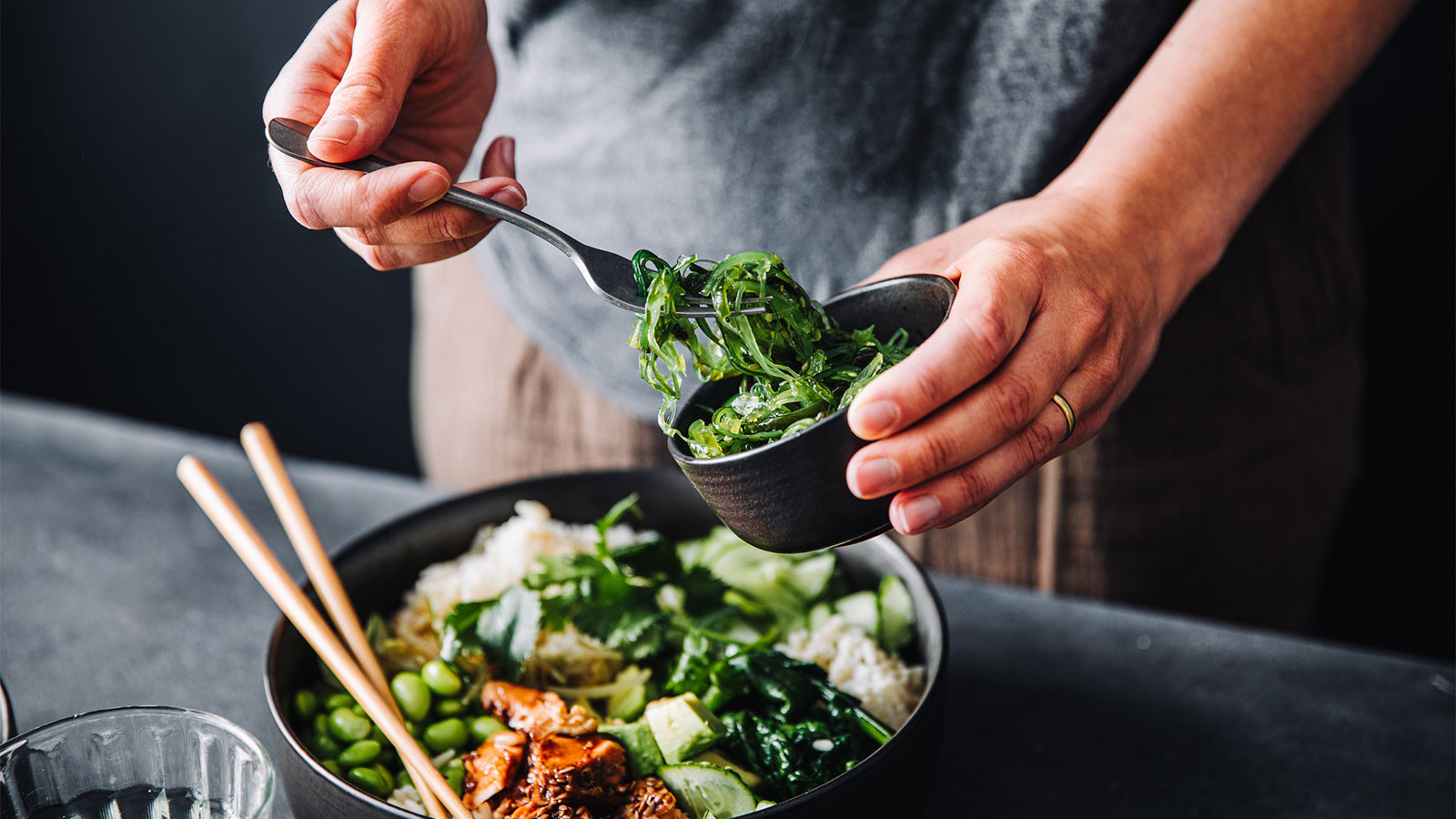
Eating a heart-healthy, low-sodium diet.
Cut down on eating salty foods like canned soups and deli meats to reduce water retention. -
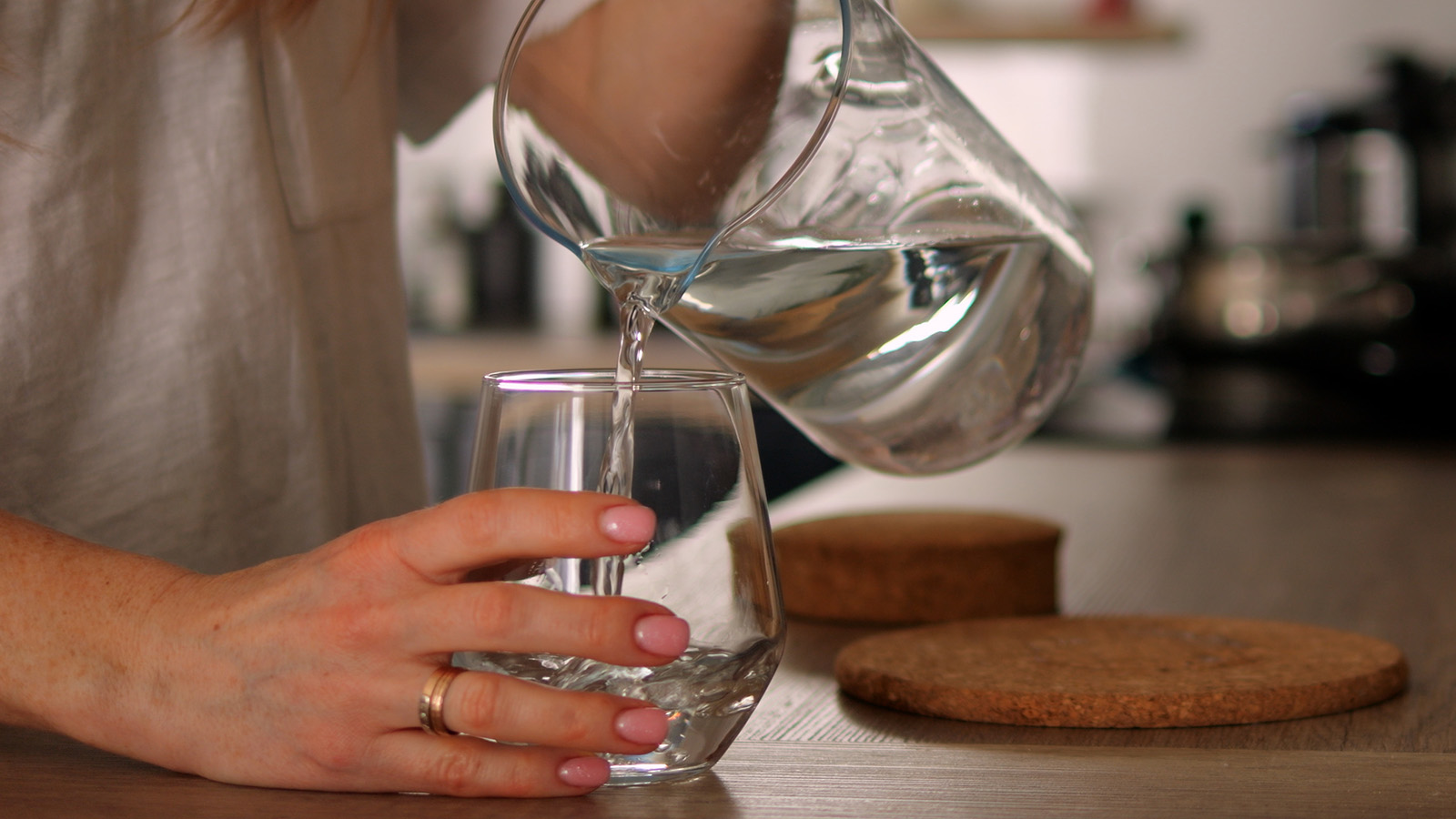
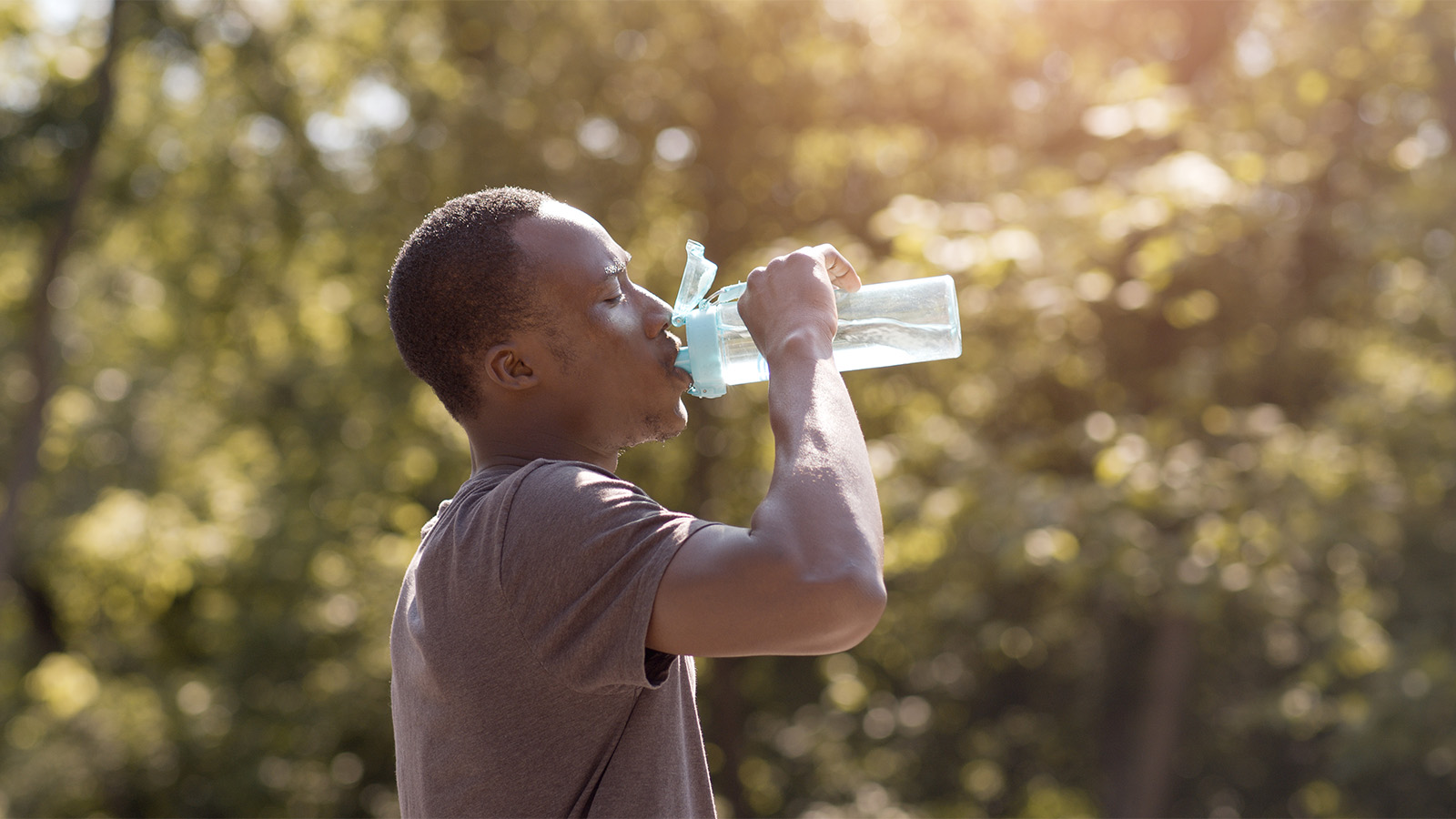
Staying hydrated.
Try to drink at least half an ounce of water for each pound you weigh. If you weigh 150 pounds, you should aim to drink a minimum of 75 ounces of fluids per day. -
Avoiding tight or restrictive clothing.
-
Wearing compression stockings.
Before moving on to other treatments, try wearing compression stockings all day first. Compression stockings steadily squeeze your legs, helping veins and leg muscles move blood more efficiently. The amount of compression varies by type and brand.
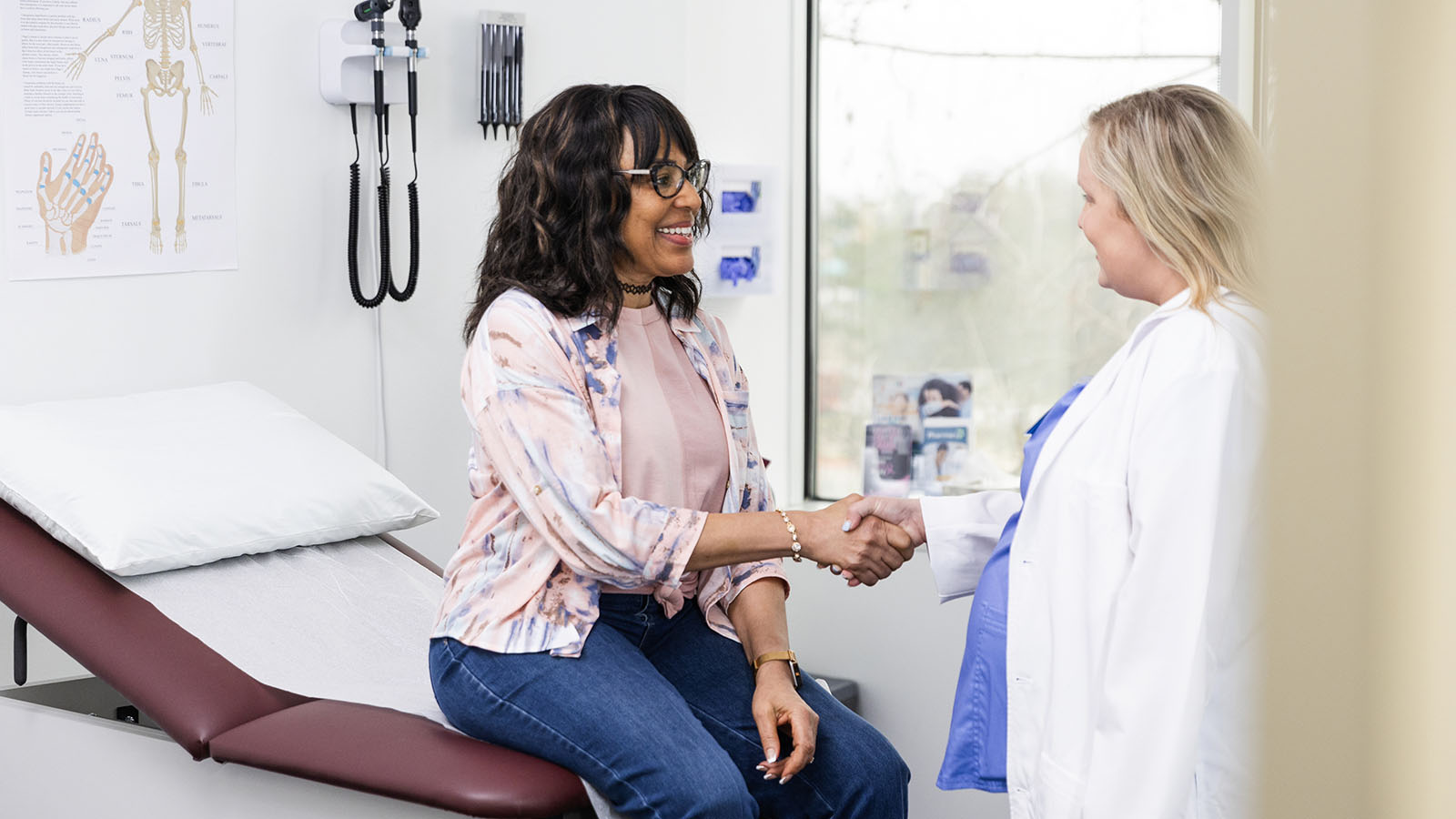
If you require additional relief, medical treatments may be the most effective option.
They include:
- Laser/radiofrequency ablation: Radio waves or thermal energy seal and collapse the vein.
- Sclerotherapy: A chemical injected into the vein causes it to fade away.
- Microphlebectomy: Veins are removed through tiny incisions.
Why Should I Schedule My Vein Treatment Now?
If you’re already looking ahead to spring and summer adventures, here’s why fall and winter are a great opportunity to consider varicose vein treatment:
There’s more time to hibernate.
Varicose vein treatments have advanced greatly in recent years, but even minimally invasive procedures like endovenous laser treatment (EVLT) and radiofrequency ablation (RFA) can cause some swelling and bruising that you may not want to reveal in public. It can take several weeks to a few months following these therapies to get your legs back to looking their best.
You can stay covered.
Skin discoloration, or hyperpigmentation, occurs when blood trapped in a treated vein is slowly reabsorbed by the body. This can leave a darkened area on the skin along the vein. Colder temperatures ensure your legs remain covered as the discoloration fades.
In addition, excessive sun exposure can lead to inflammation and skin damage, potentially prolonging your recovery time. By undergoing treatment during the fall and winter months, you’ll avoid UV rays and reduce the chance of complications.
You can be comfortable under pressure.
Compression stockings steadily squeeze your legs, helping veins and leg muscles move blood more efficiently, and are typically worn before and after a procedure. They can be uncomfortable during hot weather, so people avoid wearing them when they are needed. With colder temperatures, they are far more comfortable—and fashionable—to wear throughout the day.
Make Your Varicose Veins Disappear!
Virtua specialists provide the most advanced treatments for varicose and spider veins. Call 888-847-8823 to make an appointment.
There's So Much More to Explore