The Best and Worst Foods for Acid Reflux
Discover the best and worst foods for acid reflux. Learn which meals trigger heartburn, which soothe it, and get tips to keep reflux at bay without giving up flavor.

By: Shikha Talwar, MD, Virtua GI & Digestive Health
Picture your stomach as a party. The lower esophageal sphincter (LES)—a small muscle at the bottom of your esophagus—is the bouncer. When it’s working right, it keeps food and acid in the stomach where they belong. But if that bouncer gets too relaxed or weak, stomach acid can sneak back up and irritate the lining of your esophagus. That’s acid reflux, a.k.a. GERD.
The result? That burning feeling in your chest we call heartburn. It’s common, it’s uncomfortable, and certain foods can make it worse—either by loosening the “bouncer” or directly irritating your esophagus.
But here’s the tricky part: what triggers it for one person might not for another. That’s why it helps to know the usual suspects and the surprising safe bets—so you can build your own menu that’s delicious and free of burning.
The Worst Foods for Acid Reflux
When it comes to heartburn, these foods tend to pour gasoline on the flames:
-
Spicy foods:
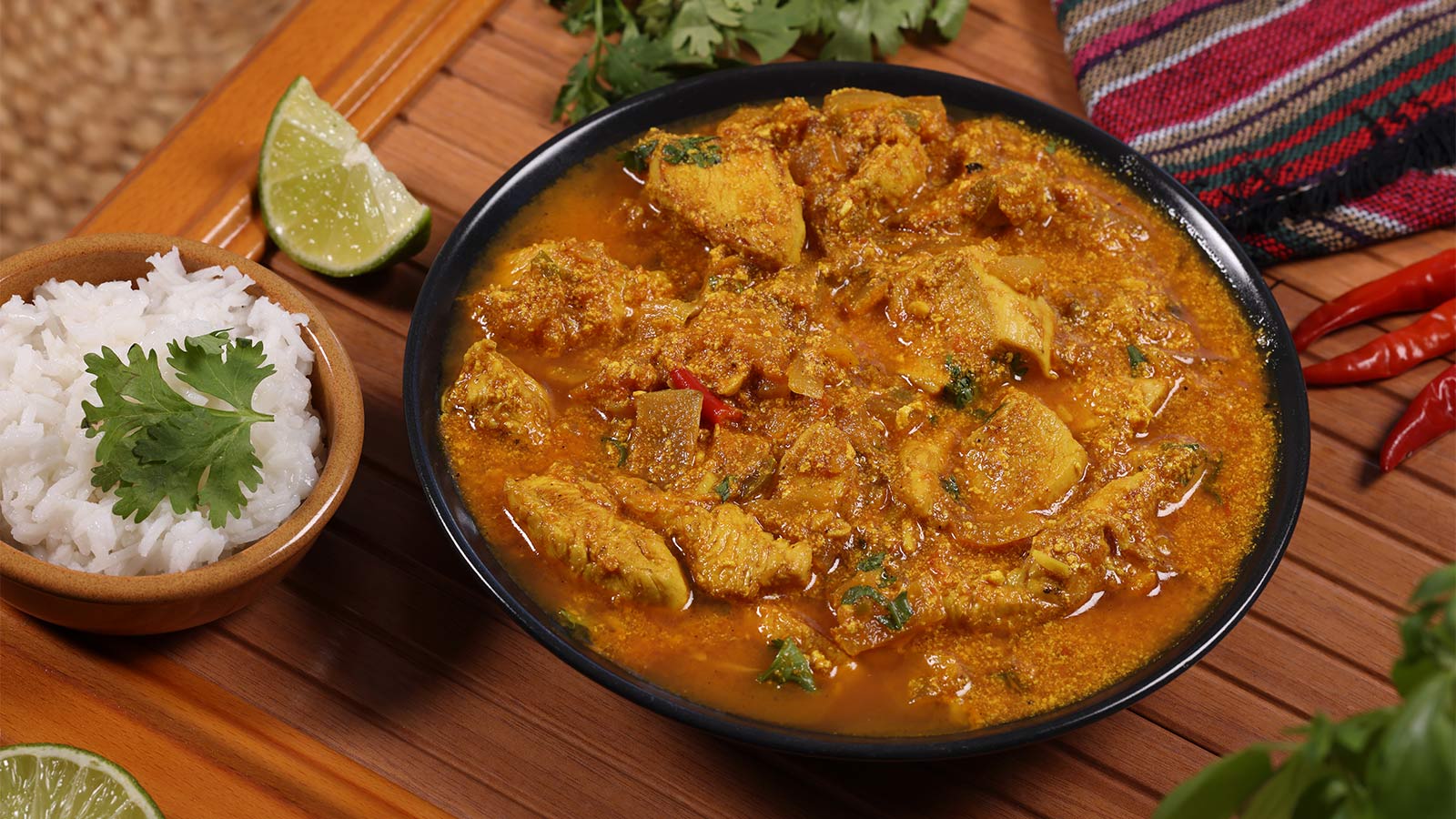
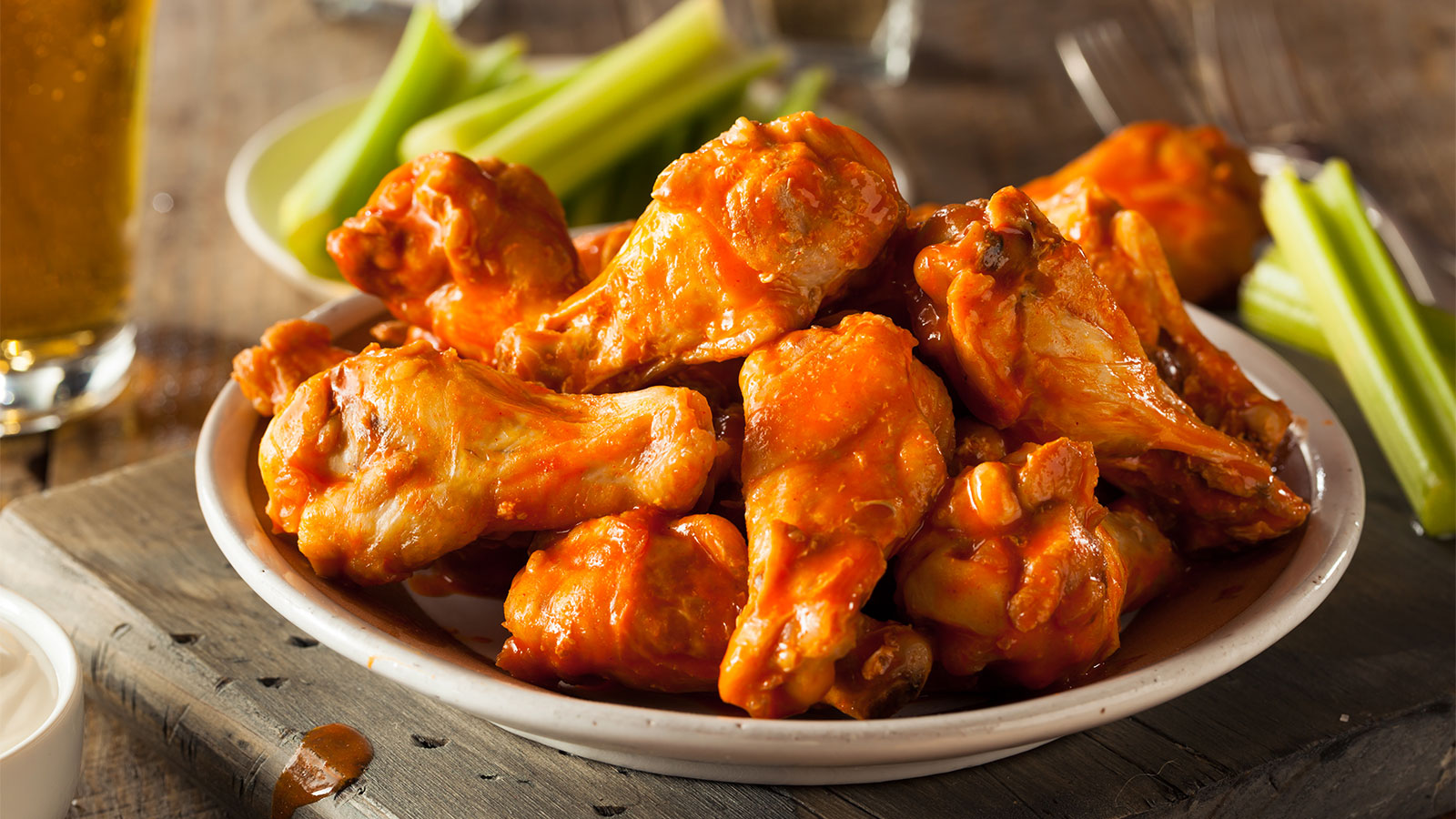
Delicious going down, not so fun on the way back up. Chili peppers, hot sauce, and even extra-spicy curry can irritate your esophagus and trigger reflux. -
Fried and fatty foods:
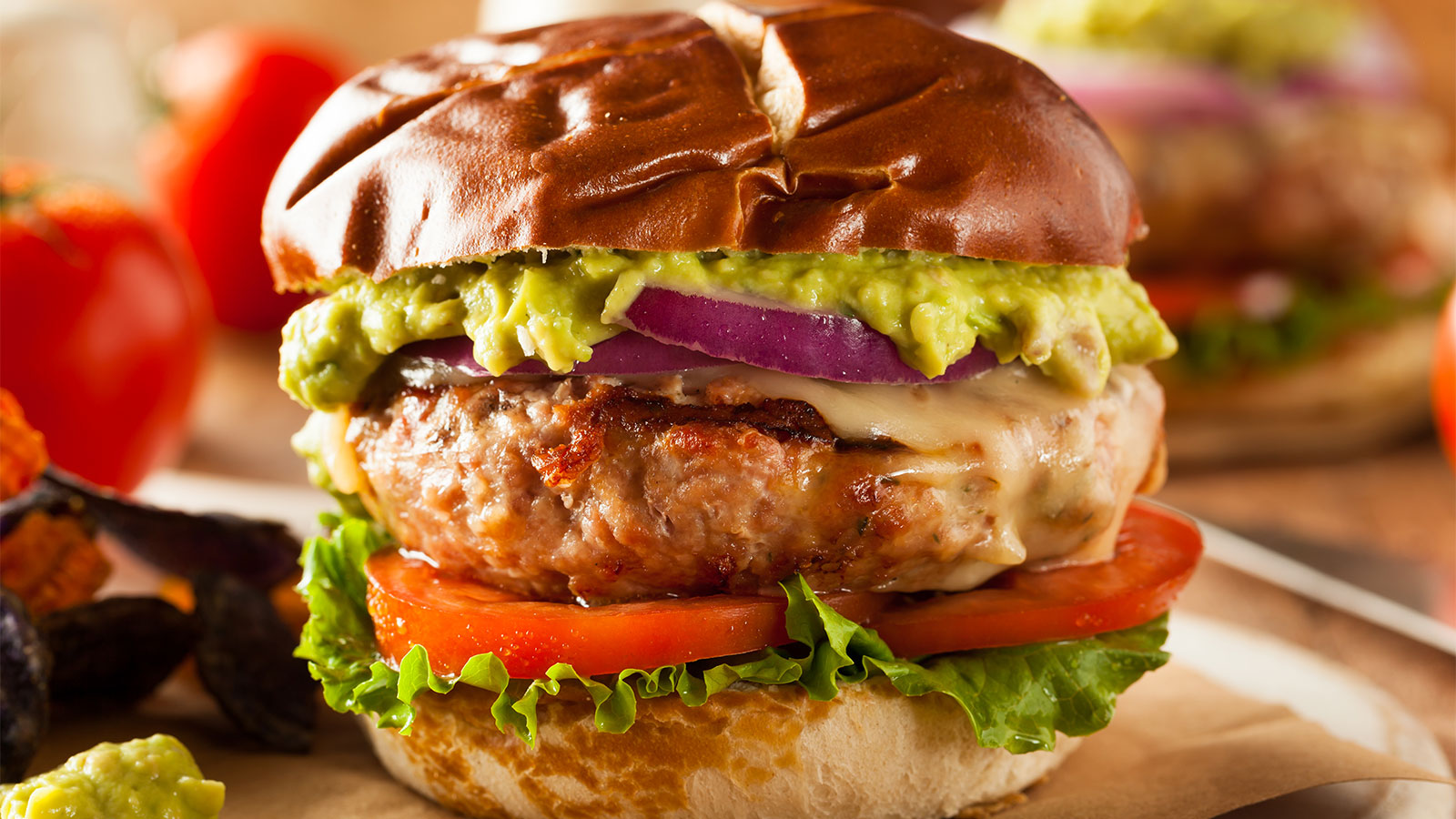
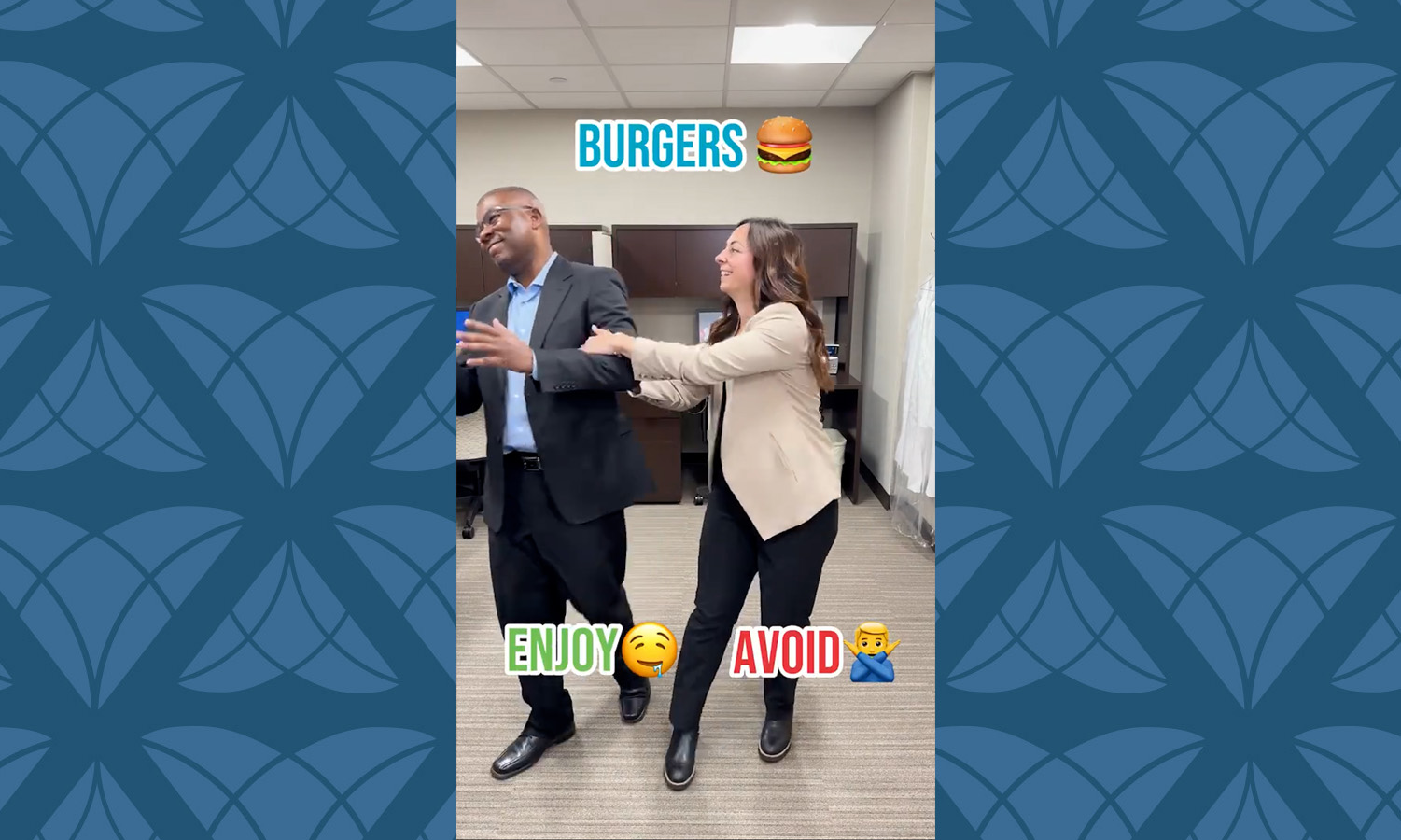
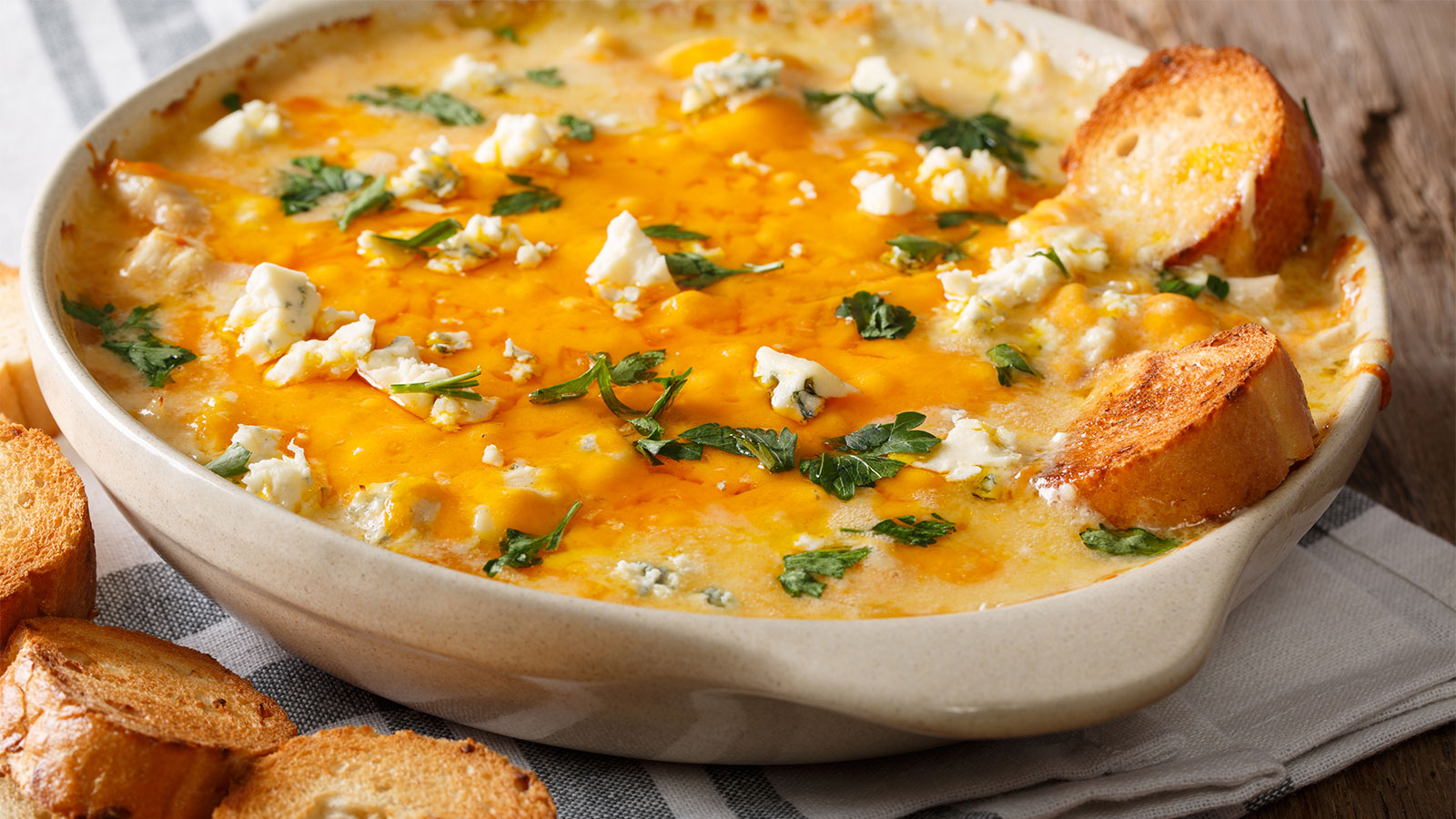
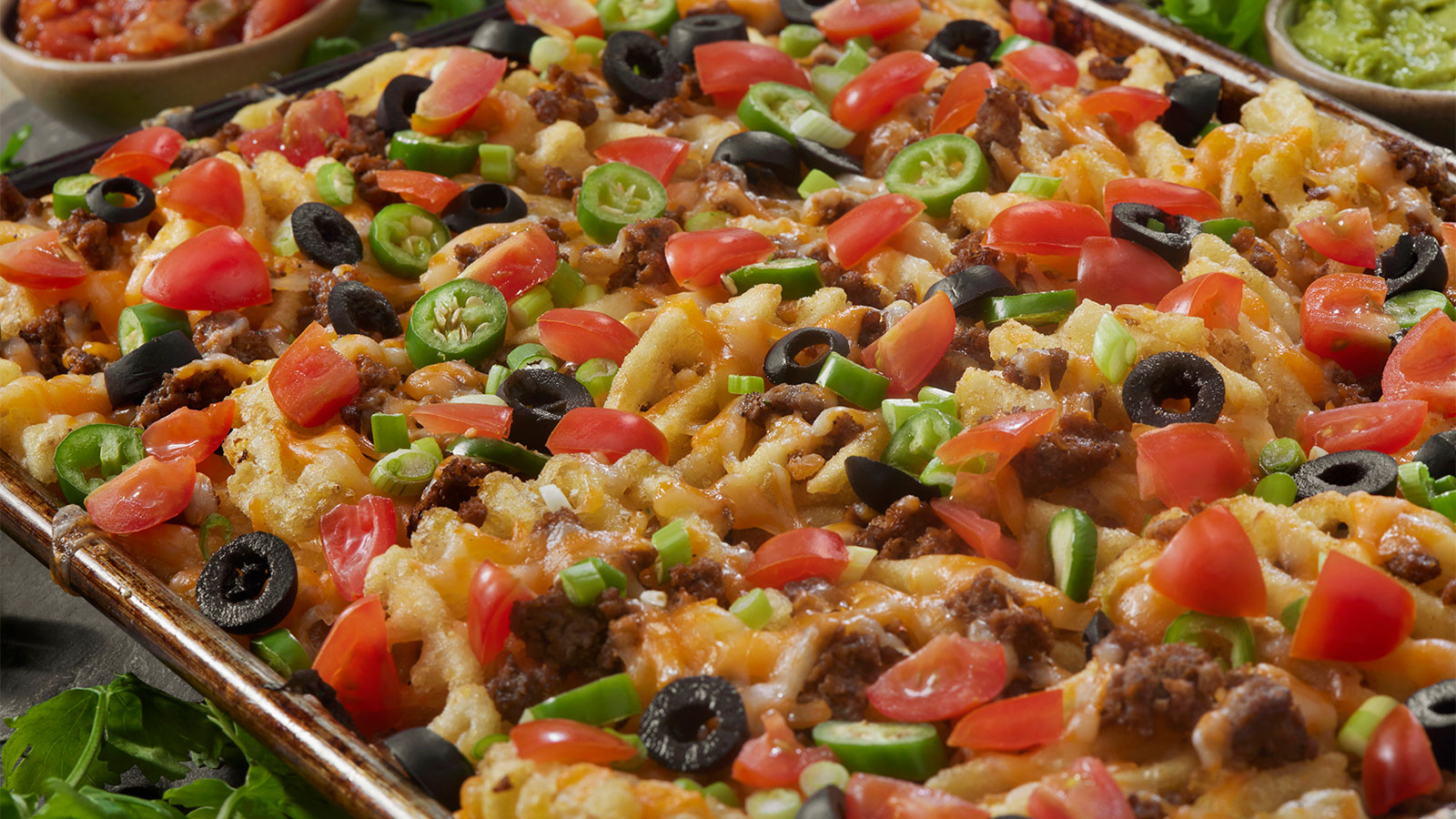
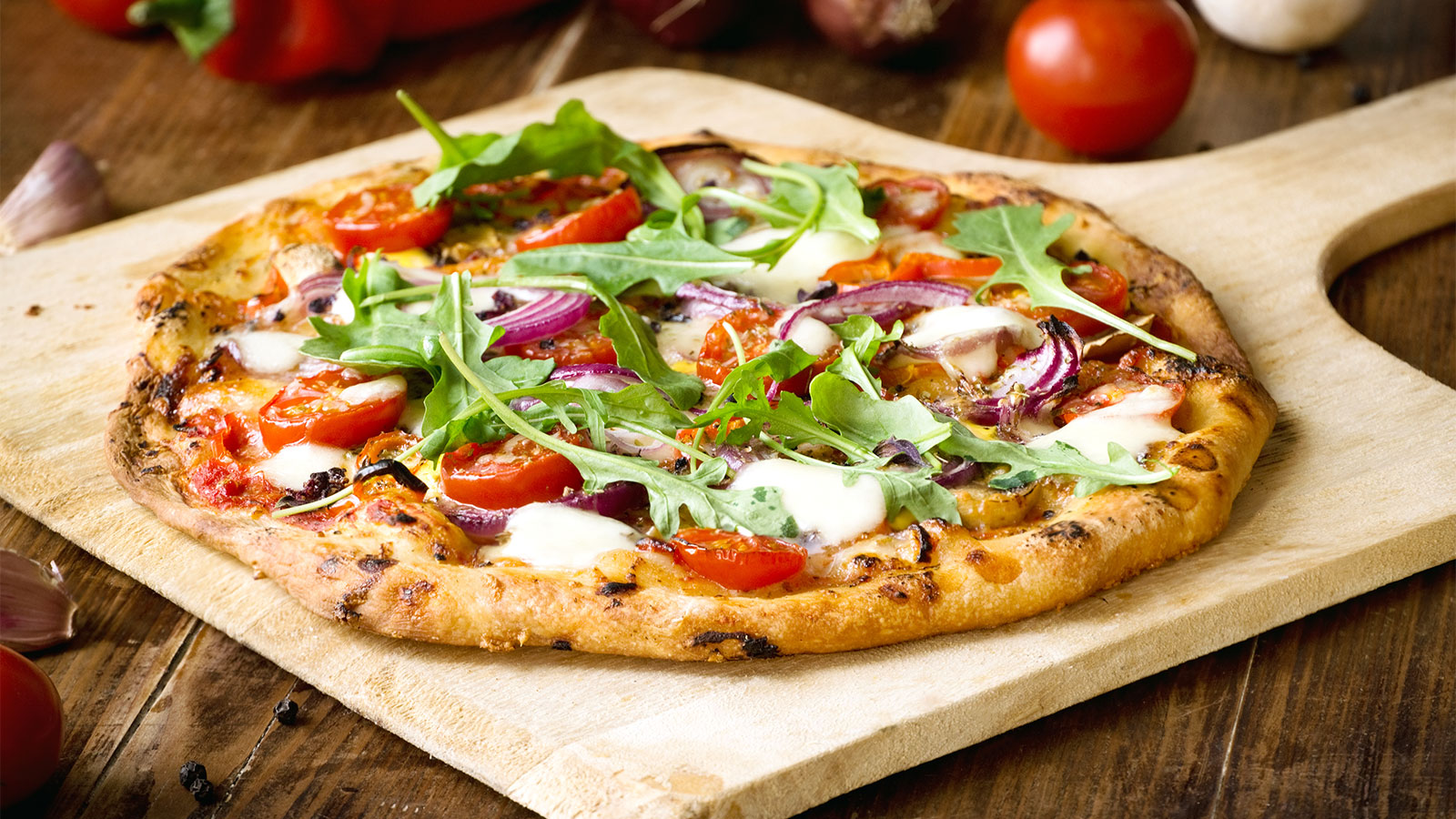
Burgers, fries, pizza & all our favorite greasy comfort foods can relax our lower esophageal sphincter. These foods also cause our stomach to expand more and can delay emptying in your stomach which can also increase your risk of reflux. -
Citrus fruits and juices:
Oranges, lemons, limes, and grapefruit may taste bright and refreshing, but their acidity can dial up the burn by causing irritation to your esophagus.Tomatoes and tomato products: - From pasta sauce to salsa, tomatoes are sneaky heartburn culprits by causing irritation to the esophagus.
-
Chocolate:
Sad but true. Chocolate contains caffeine and theobromine, both of which can loosen that esophageal valve. -
Carbonated beverages:
Soda and sparkling water can also lead to reflux since the bubbles in these drinks create extra gas in your stomach. This gas can make your stomach expand and put pressure on the lower esophageal sphincter. -
Caffeine & alcohol:
Caffeine can lead to an overstimulation of acid production in the stomach while alcohol can cause more relaxation of the lower esophageal sphincter. -
Tobacco:
Avoidance & cessation of tobacco products including smoking and chewable tobacco have been shown to improve reflux symptoms
The Best Foods for Acid Reflux
Call these the peacekeepers: they calm irritation and help restore balance in your digestive tract.
-
Bananas:
Low-acid and high in potassium, bananas can help coat the stomach lining and are usually reflux-friendly. -
Oatmeal:
A hearty, high-fiber breakfast that keeps you full without causing flare-ups. -
Melons:
Cantaloupe and honeydew are naturally low acid. Watermelon is usually well-tolerated, too. -
Green veggies:
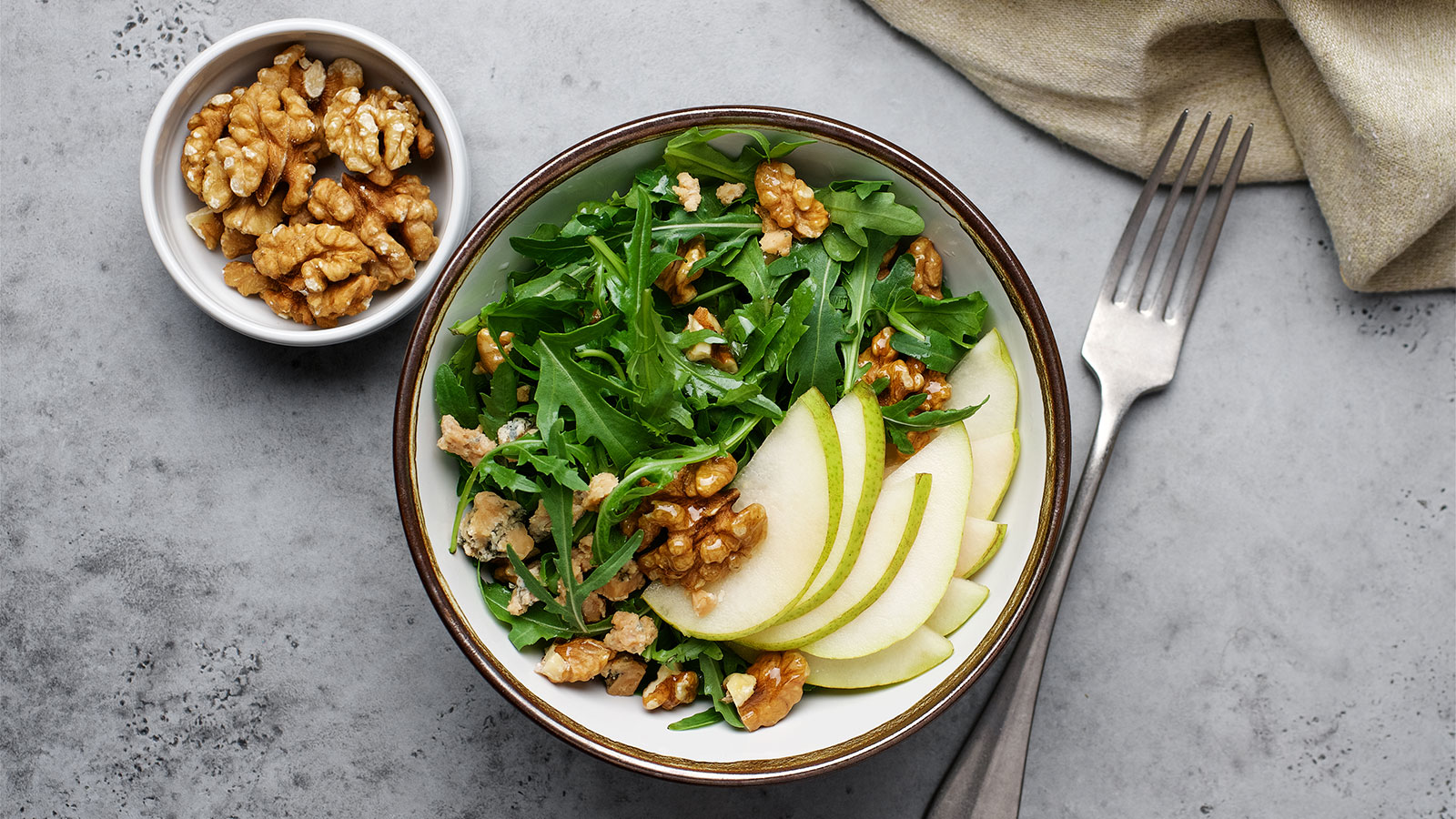
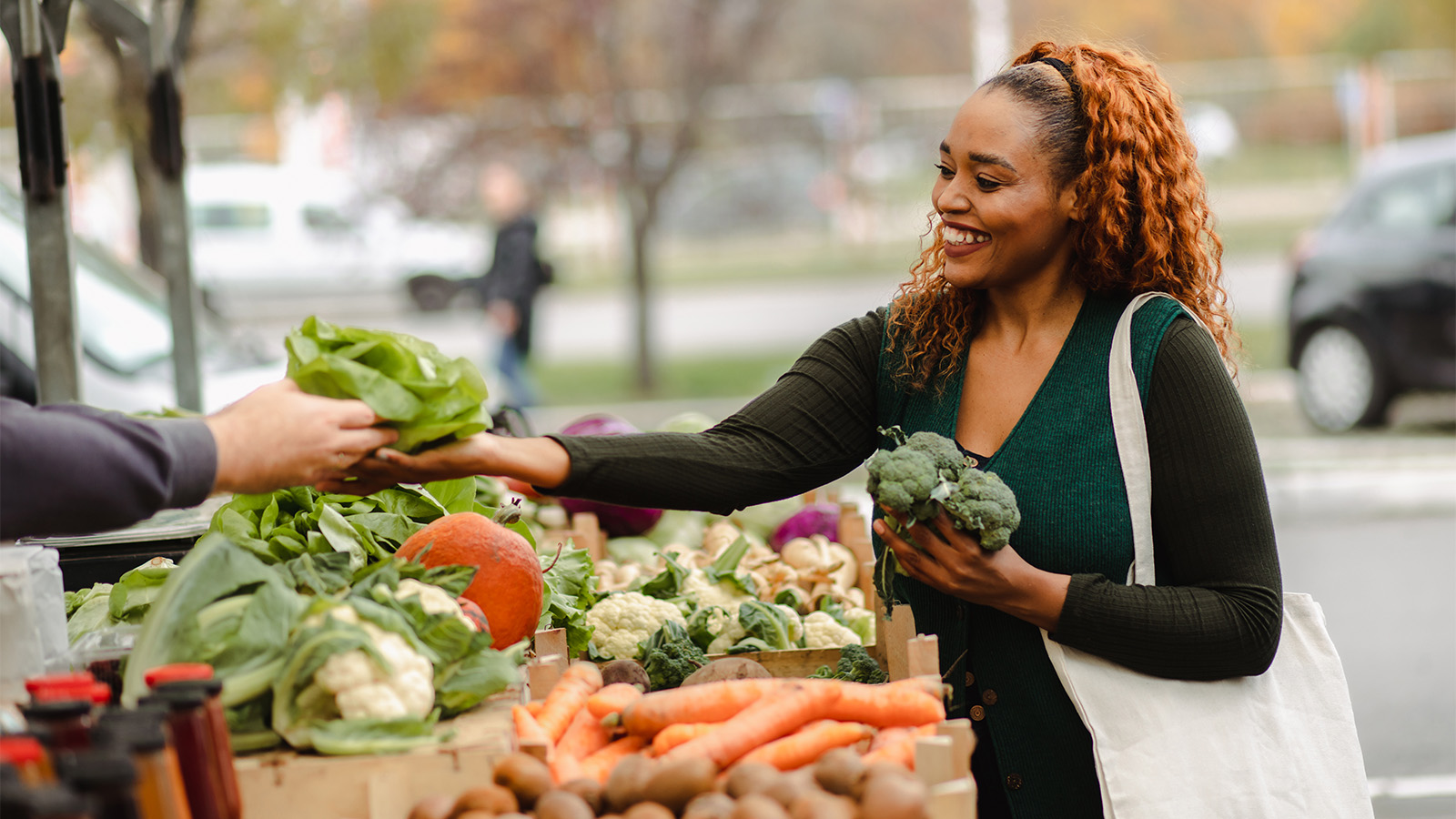
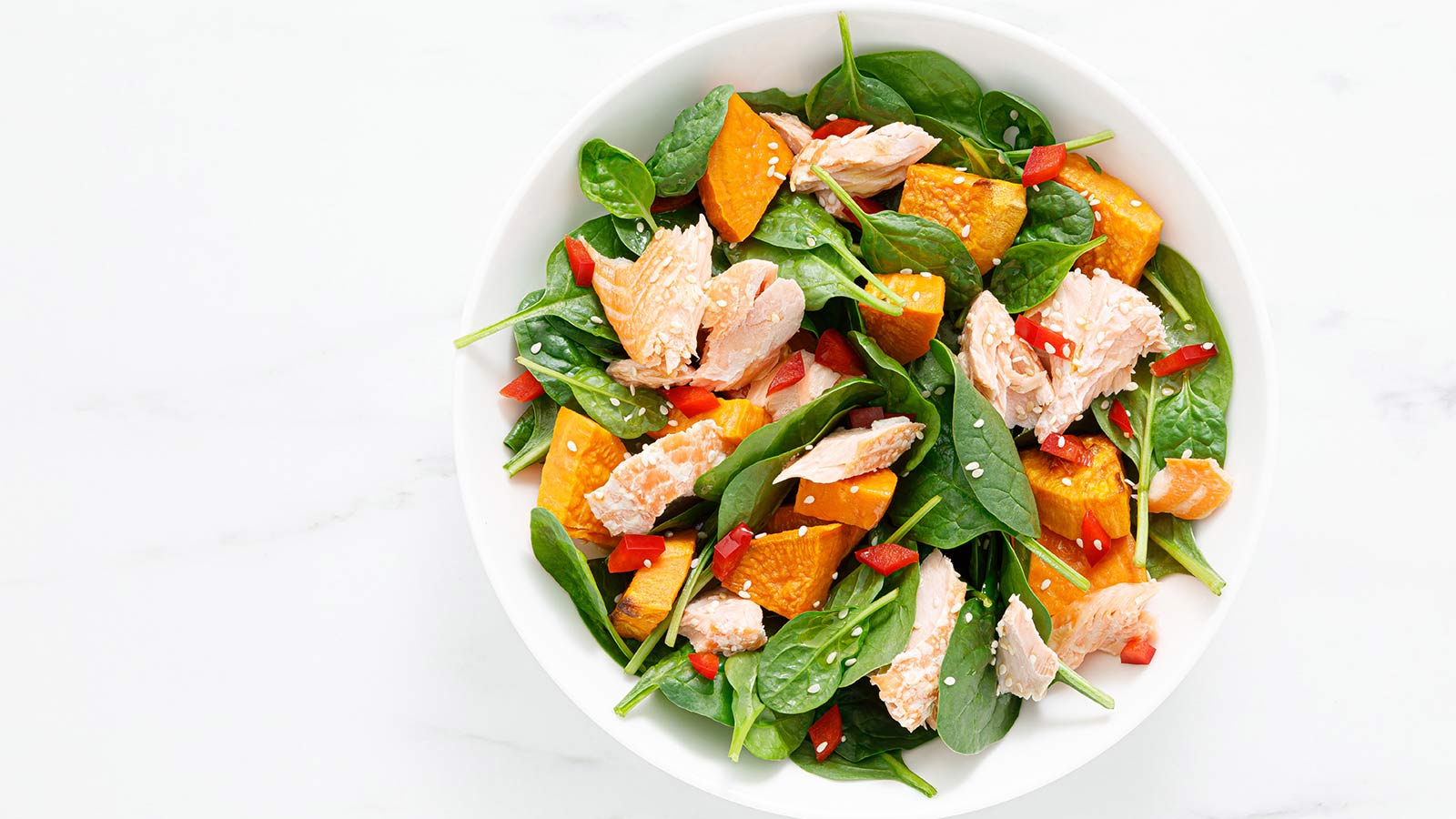
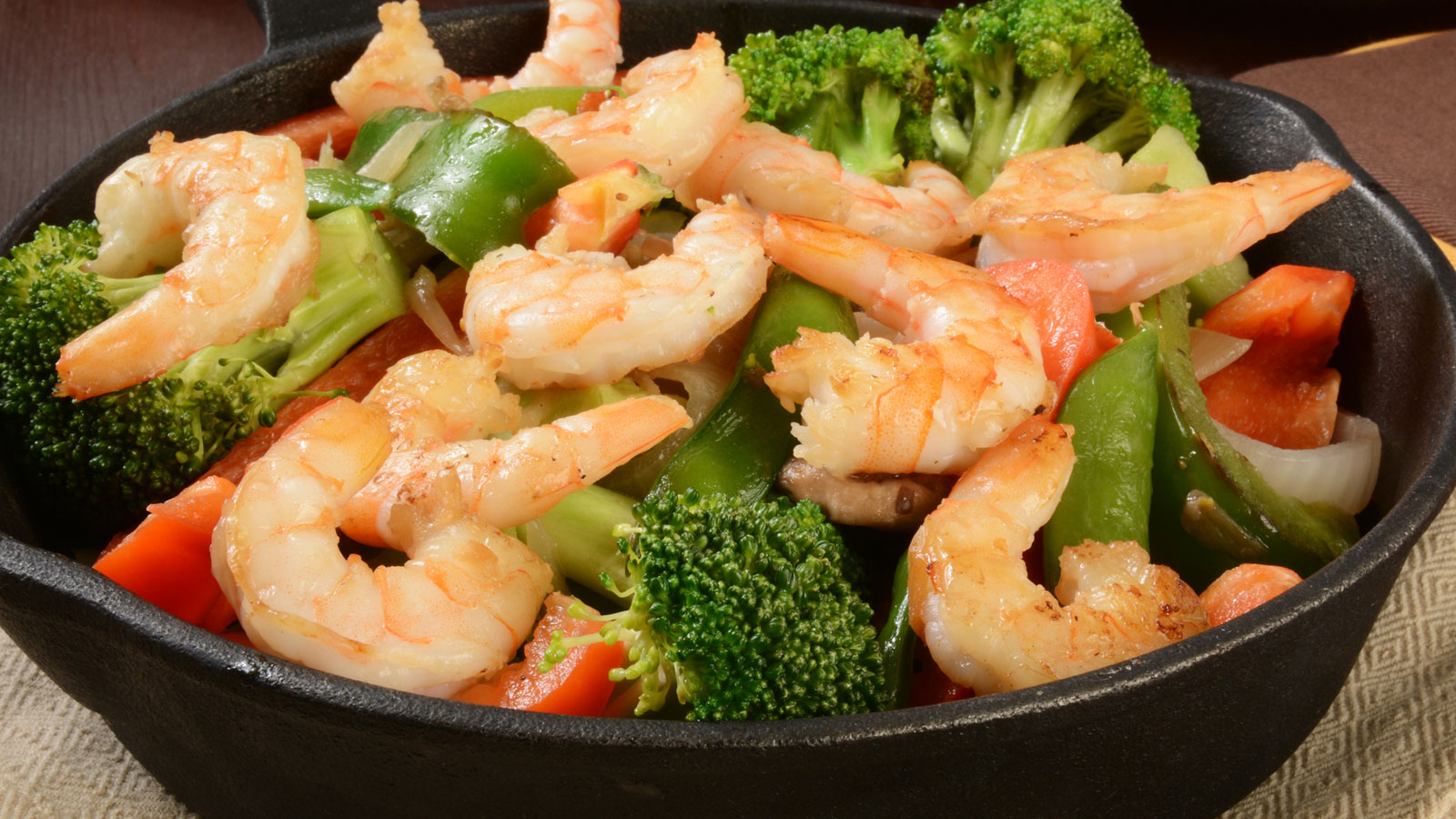
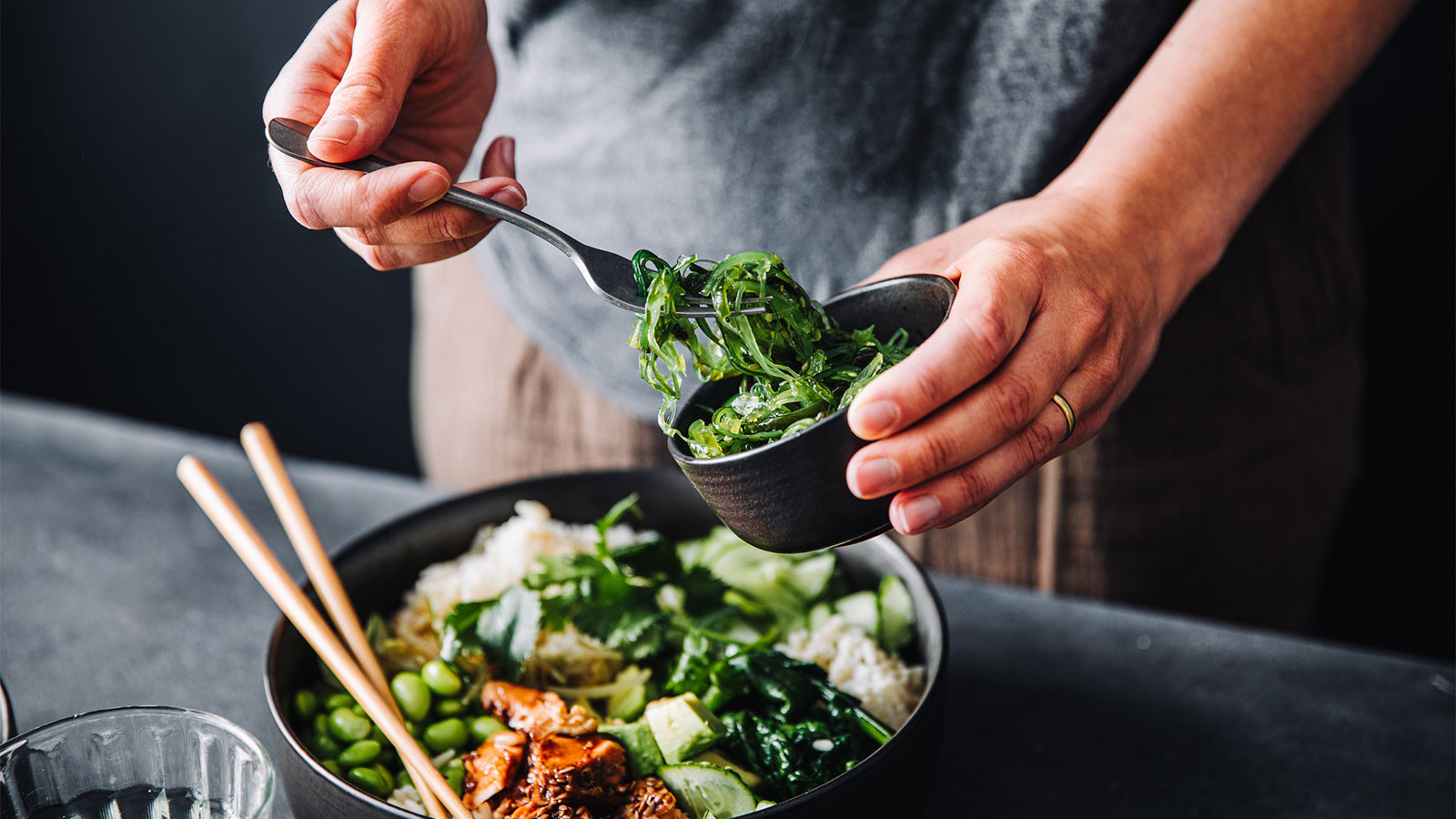
Spinach, broccoli, kale, green beans — nutrient-dense and reflux-safe, if tolerated. -
Lean proteins:
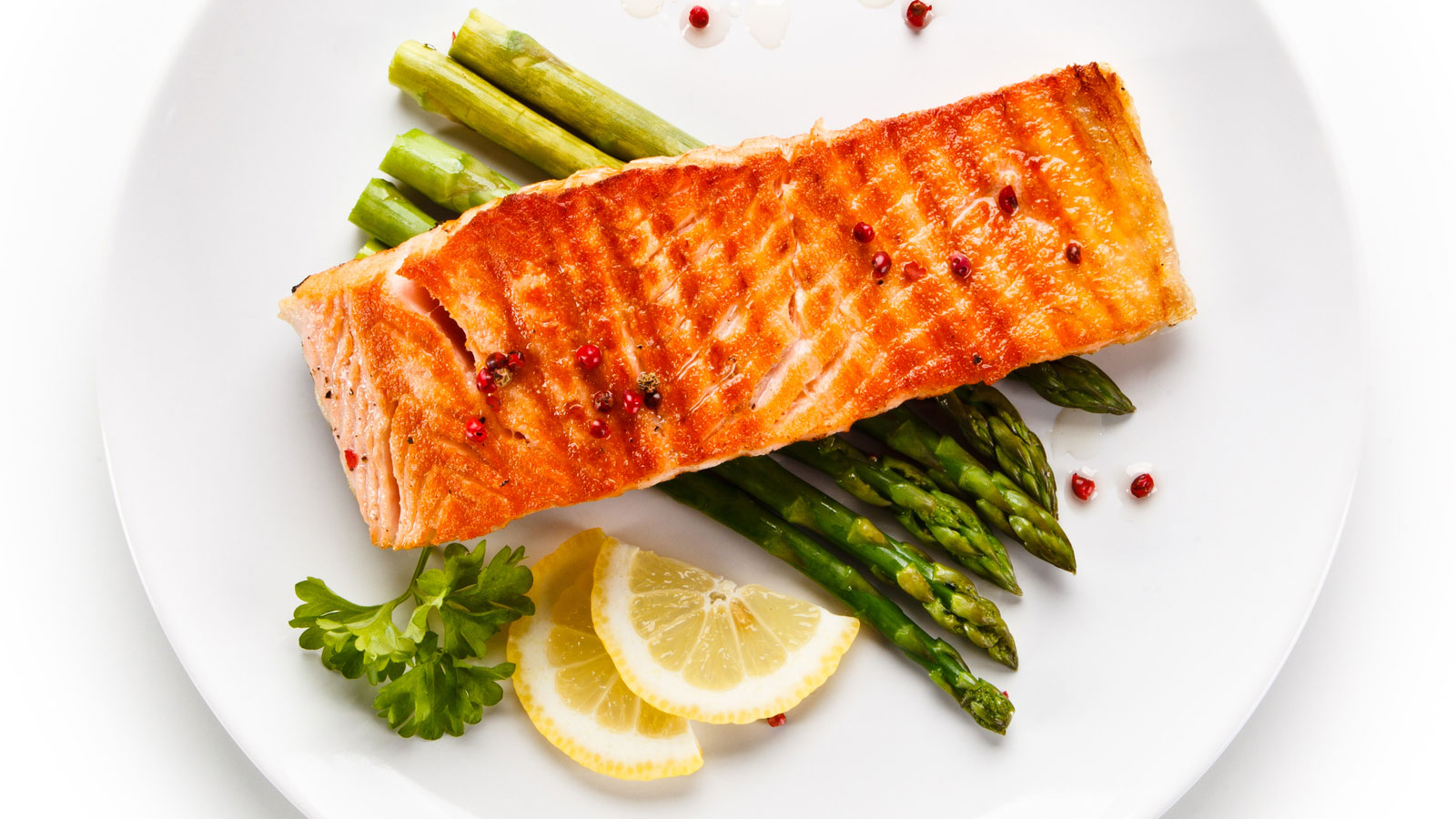
Grilled chicken, fish, turkey, and plant-based proteins like lentils and beans (if tolerated) are gentler than fatty meats. -
Ginger:
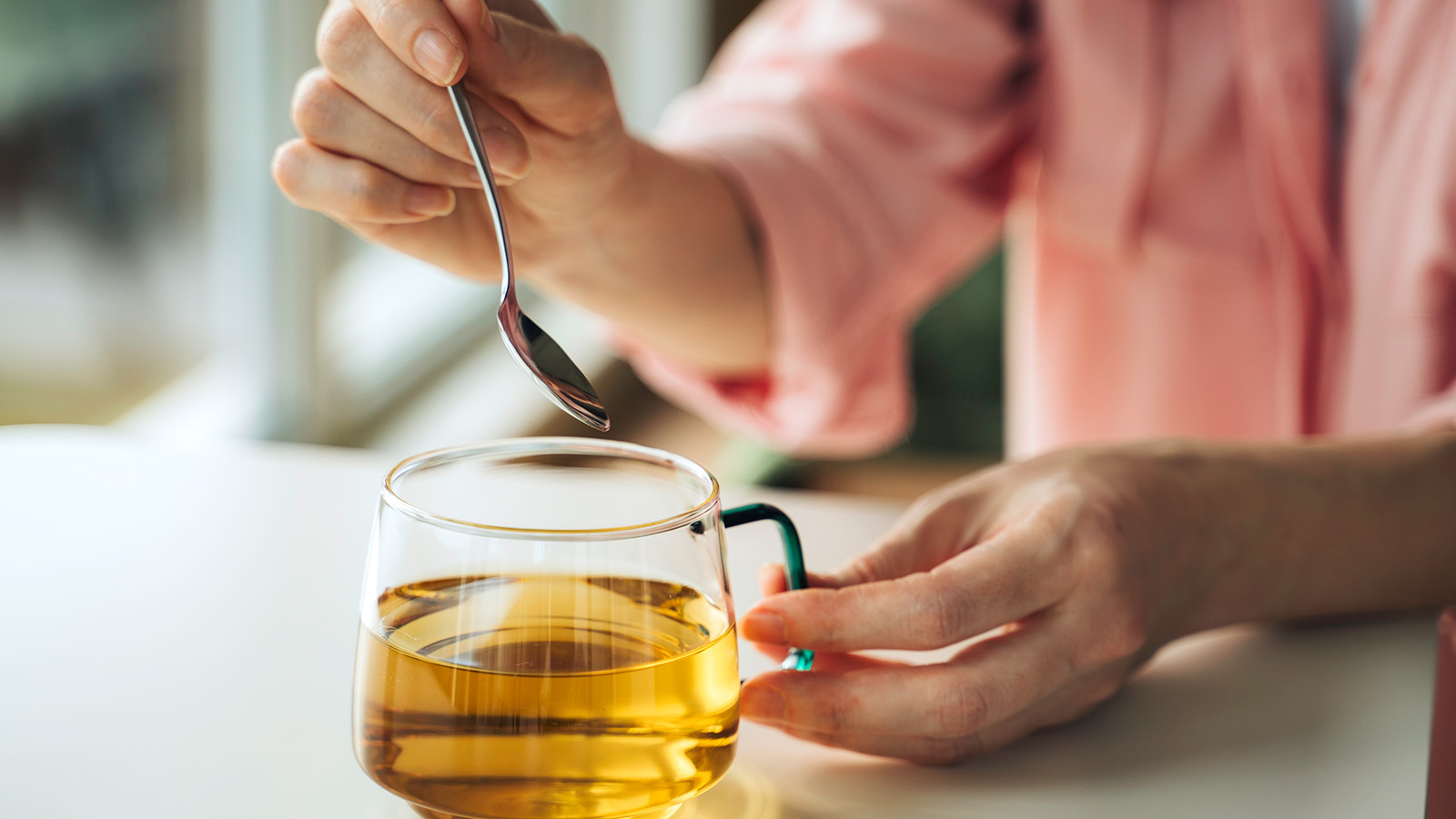
A natural anti-inflammatory that's been used for centuries to ease stomach troubles. Sip ginger tea or add fresh ginger to meals. -
Whole grains:
Brown rice, couscous, and whole-grain bread are filling and gentle on your stomach. -
Low fat dairy:
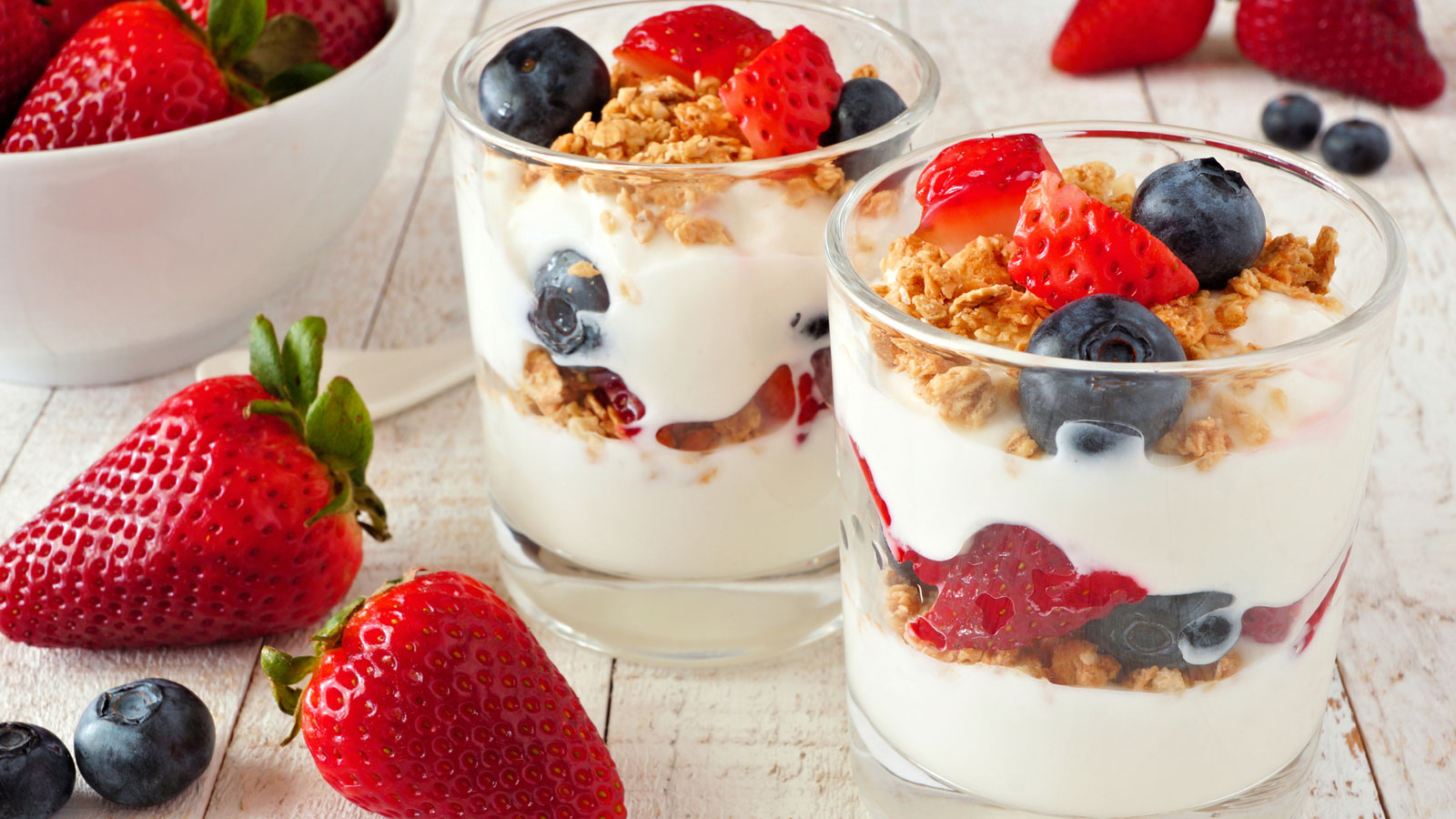
Skim-milk, & low-fat yogurt are less likely to cause problems than full fat versions. -
Mediterranean diet:
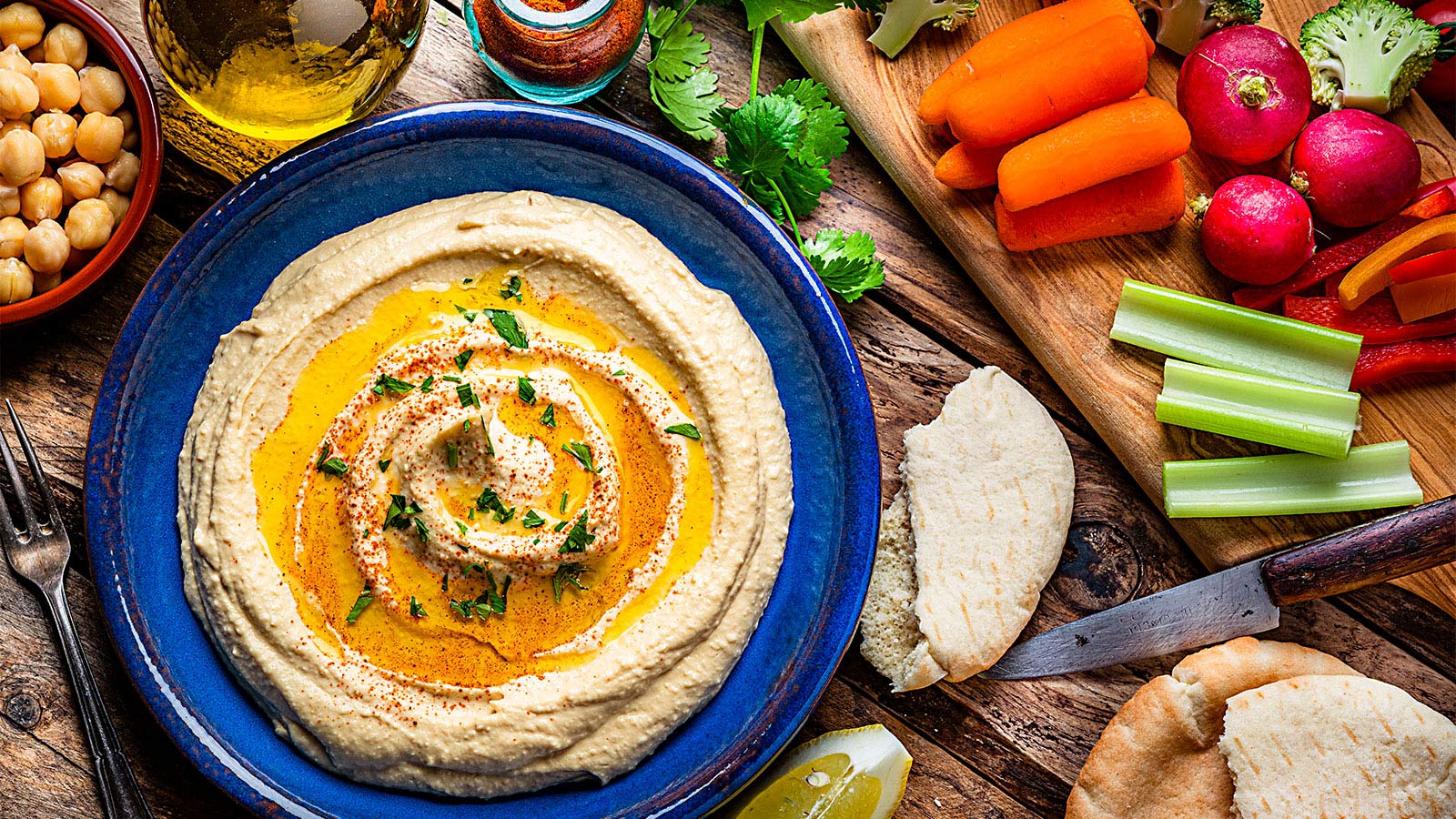
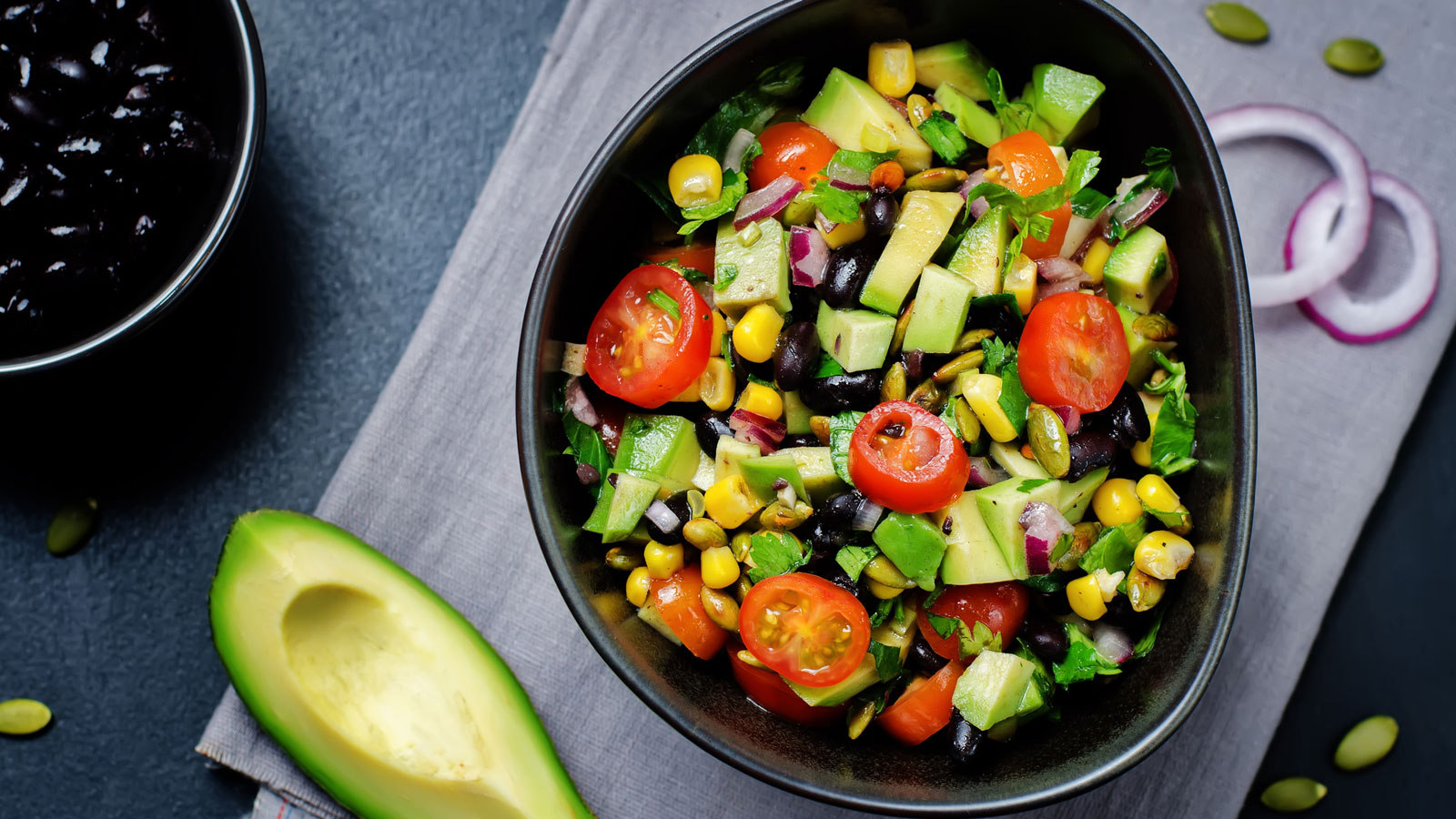
As a whole diet for GERD, we recommend this diet which is a diet high in vegetables, whole grains, fruits and healthy fats
Pro Tips for Conquering Acid Reflux
Dodging reflux isn’t just about what’s on your plate—it’s also about what you do before and after meals. Try these lifestyle tweaks for extra relief.
- Eat smaller meals — large meals can increase pressure in your stomach. Try eating 4-5 small meals instead of 3 big ones.
- Stay upright for at least 30-60 minutes after eating. Try not to eat within 2-3 hours of lying down or going to bed.
- Elevate your head when sleeping.
- Studies have also shown that if you are overweight, losing weight can improve symptoms.
- Loosen up your wardrobe. Tight belts and snug waistbands put extra pressure on your stomach, making reflux more likely.
- Chew sugar-free gum, it boosts saliva production, which can help neutralize stomach acid.
- Most importantly - keep a "food diary" to identify your personal food and lifestyle triggers. Every person is different!
Here to Get Your Digestive Health Back on Tract.
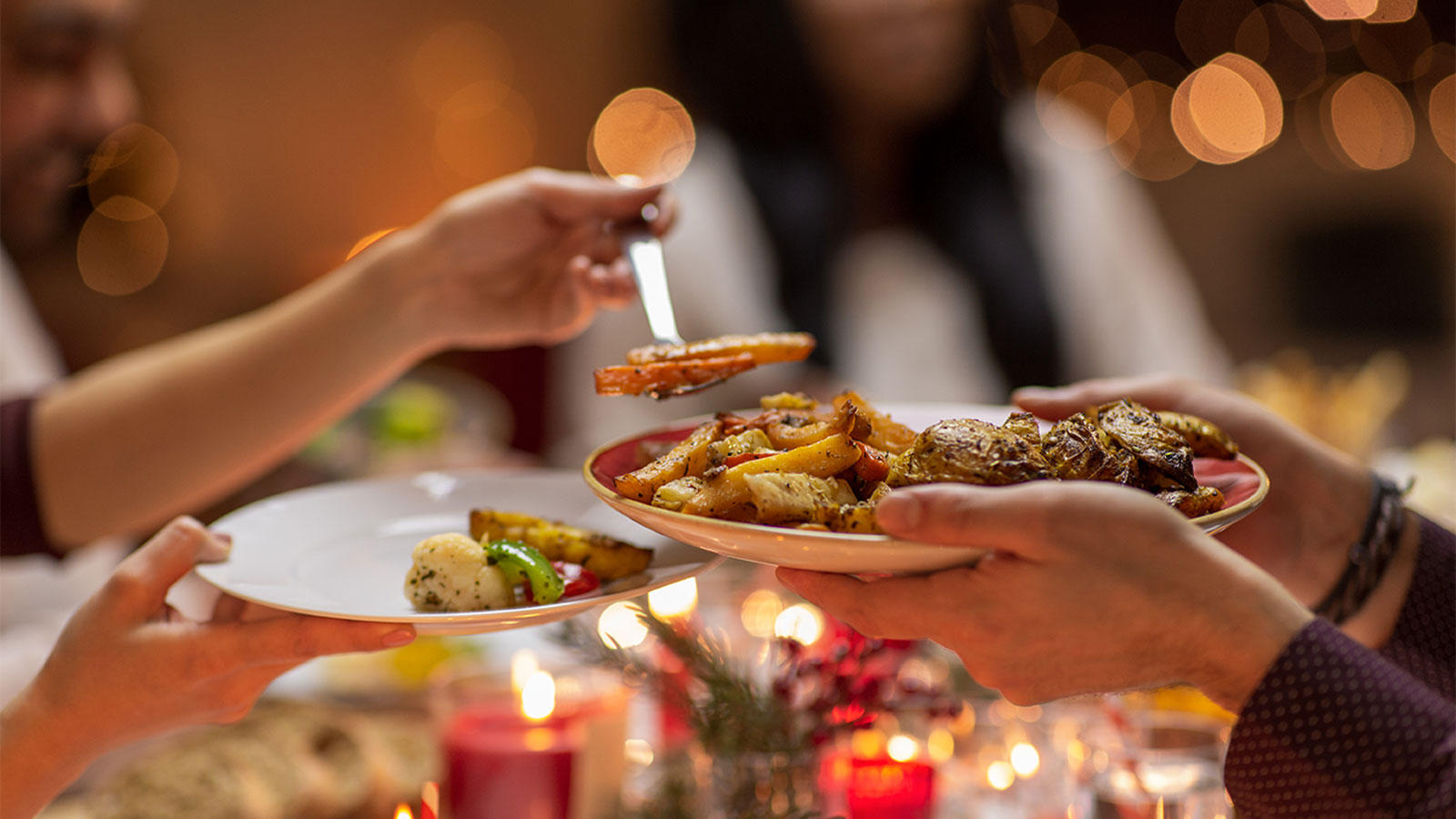
Managing acid reflux isn’t about giving up everything you love — it’s about knowing which foods are your friends and which are likely to stir up trouble. With a little experimenting, you can keep the burn at bay and still enjoy delicious meals.
And if reflux is interfering with your daily life, you don’t have to manage it alone. The specialists at Virtua GI & Digestive Health are here to help with expert guidance, advanced testing, and treatment options tailored to you. Schedule an appointment today!
There's So Much More to Explore