6 Tips for an Easier Colonoscopy Prep
What people dread most about a colonoscopy is the preparation (or "prep") you must do beforehand. These tips take the angst out of the prep and ensure an effective screening.
By Nishi Pandey, DO, Gastroenterologist, Virtua Gastroenterology
Around your 45th birthday, your doctor will recommend that you have a colonoscopy, which is the best test to screen for and prevent colorectal cancer. A colonoscopy allows your doctor to examine your entire colon and remove pre-cancerous polyps before they develop into cancer. While it’s often met with some understandable nerves, a colonoscopy is a quick 20- to 30-minute procedure that’s performed while you’re under anesthesia. Most people don’t remember a thing about the procedure, aside from enjoying a really good nap.
What people tend to dread most about a colonoscopy is the preparation (or “prep”) that you do beforehand. While it can be inconvenient, it’s an essential step to ensure a clear, accurate, and successful exam.
The good news is there are several things you can do to make your prep more effective, so you get the maximum benefit from your colonoscopy. Here’s what you need to know.
What is a colonoscopy?
A colonoscopy is a procedure that allows a doctor to examine the entire colon for signs of colorectal cancer and colon polyps, which are growths that can turn into cancer in 5-10 years if left untreated. A colonoscopy is the best colorectal cancer screening because it's the only screening test that can actually prevent cancer.
During a colonoscopy, the doctor inserts a thin, flexible tube with a tiny camera called a colonoscope through the rectum and into the colon. The camera on the colonoscope transmits an image of the inside of the colon to a screen. The doctor can examine the entire colon using the image on the screen.
If the doctor finds a colon polyp, he or she removes it before it has a chance to turn into cancer. Colonoscopies are so effective at preventing colorectal cancer that some people only need to have one every 10 years.
At Virtua, we utilize AI technology with GI Genius™ that serves as an extra set of eyes for your doctor, providing real-time alerts, to improve the detection of precancerous polyps.
What is colonoscopy prep?
To prepare, or "prep", for a colonoscopy, your bowels need to be emptied so your doctor can get a clear view of the colon. The day before the procedure, you'll take a prescribed laxative and drink a large amount of fluids—sometimes up to 4 liters—to help empty your bowels. You'll also need to follow a clear liquid diet to keep the colon free of waste.
Why is colonoscopy prep so important?
During a colonoscopy, the doctor’s goal is to identify any signs of cancer and remove precancerous polyps. By properly emptying the colon, the doctor has the best chance of finding tumors and hard-to-see colon polyps in their earliest stages. If you don’t completely empty the colon, it makes finding some polyps more difficult and can cause a need for a repeat colonoscopy.
What are some tips to make my colonoscopy prep easier?
Colonoscopy prep can feel overwhelming—especially if it’s your first time. These simple tips can help make the process more comfortable and ensure you get the most from your exam.
Prep for your prep. Read your prep instructions thoroughly one week before your colonoscopy. This will give you time to contact your doctor’s office with any questions and arrange your schedule so you can be home on your prep day. You’ll also want to purchase the laxative medication/solution recommended by your doctor, as well as other supplies. This might include:
- Clear liquids, such as broth, coffee or tea, ice pops and gelatin (lemon, lime and orange only)
- Soft toilet paper and wipes
- Cream or ointment for anal skin irritation
Cut back on fiber. High-fiber foods such as beans, nuts, whole grains and raw fruits and vegetables can leave residue in the colon that makes it more difficult for the doctor to see colon polyps. To improve visibility of the polyps, cut back on high-fiber foods 2-3 days before your colonoscopy.
Although it may be tempting to eat a lot before you go through your colonoscopy prep, you may benefit from eating smaller meals a day or two beforehand. Taking this approach may help you empty your bowels more easily and make the prep more comfortable.
Find the right prep for you. Colonoscopy preps come in a variety of forms, flavors and liquid volumes, so you should work with your doctor to find the right prep for you.
If you’re concerned about drinking a large volume of liquid and feeling bloated or nauseous, your doctor can recommend a lower-volume prep. Or, if cost is an issue, your doctor can recommend an over-the-counter prep that costs significantly less than a prescription prep. If you have other health conditions, your doctor will consider those when making a recommendation.
Chill it, flavor it and drink it through a straw. Many people find that it’s easier to drink their prep when it’s cold. Drinking through a straw also may help. If your prep is unflavored, you can add Crystal Light, Kool-Aid powder or mix it with water and lemon. However, stick with lemon, lime and orange flavors and avoid liquids with red or purple dye as they can interfere with colonoscopy results. If you’re using a carbonated beverage to mix your prep, let it go flat before drinking it.
If your doctor asks you to do a split prep (meaning that you drink your prep in two separate doses several hours apart), it’s okay to use different flavors for each dose. After you drink your prep, you can wash it down with another clear liquid or suck on a lemon or hard candy to get rid of any aftertaste.
Stay close to the bathroom. Once you start your prep, bowel movements can happen suddenly—you’ll want to stay close to your bathroom. Wear loose-fitting, comfortable clothing and make sure you have things to help you pass the time such as books, magazines, a tablet with your favorite movies or apps or a crossword puzzle.
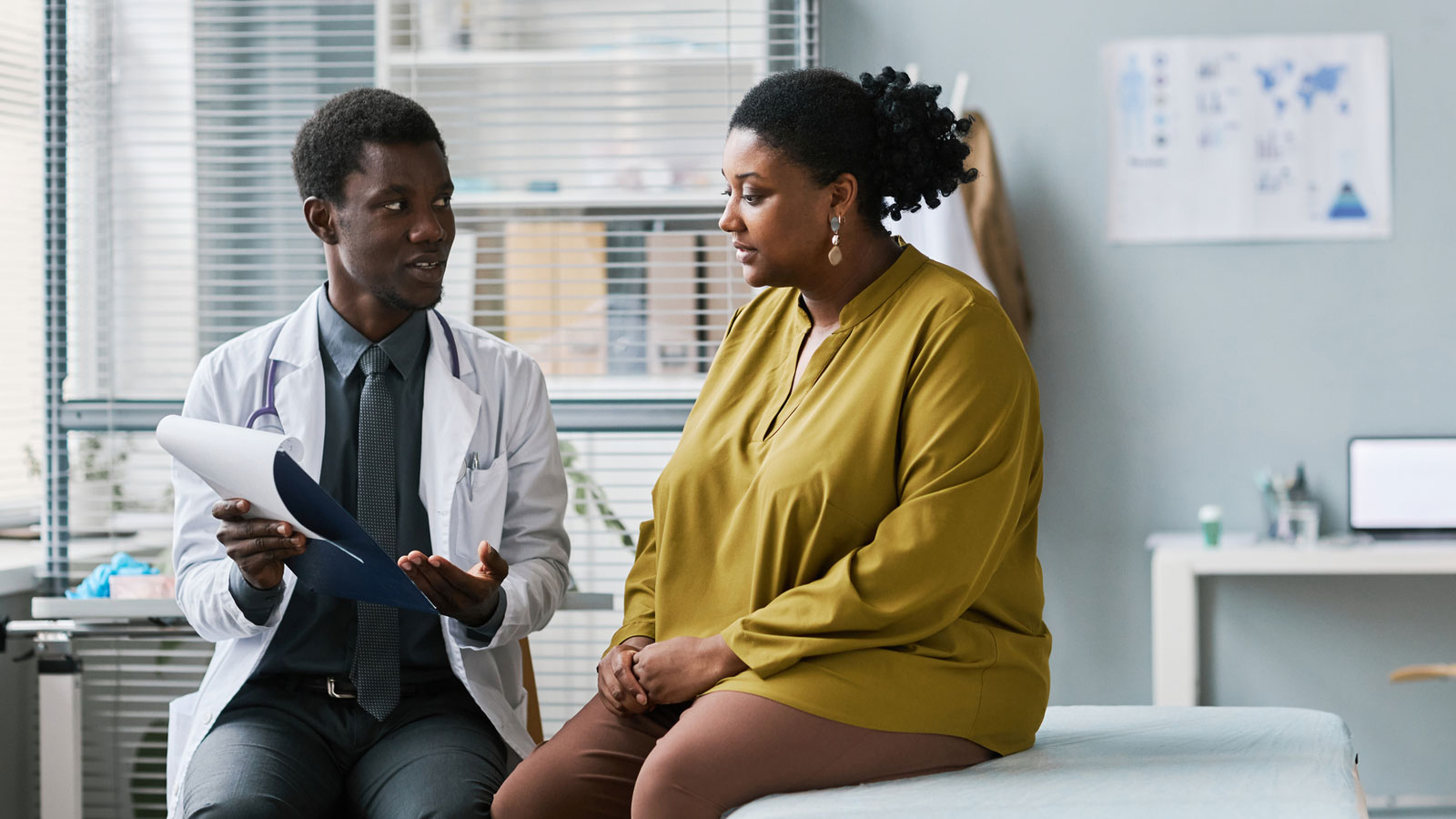
Share your concerns with your doctor. If you have any questions or concerns about your prep, share them with your doctor. In addition to discussing how a proper prep can help you to get the most benefit from your colonoscopy, your doctor can help you feel less anxious about the whole process.
For example, if you’re concerned about being hungry and not getting enough calories, your doctor can suggest clear liquids that are higher in calories to help you feel full. Or, your doctor may be able to provide tips that will help you avoid nausea, vomiting and bloating.
Ready to Take the Next Step in Your Colonoscopy Journey?
Scheduling a consultation with a Virtua gastroenterologist or colorectal surgeon is a simple first step toward peace of mind and proactive digestive health. Call 888-847-8823 to get started.
There's So Much More to Explore