Benefits of Fiber: How to Increase Fiber Intake for Better Health
Fiber is a type of carbohydrate found in plant-based foods that the body cannot digest. It supports digestion, heart health, blood sugar control, and weight management.

By Erin Wickersham, RDN, Registered Dietitian, Virtua Nutrition & Diabetes Care
The health benefits of fiber are a hot topic these days—and for good reason. Experts say most adults get a lot less than the recommended amount, which is 22 to 28 grams for women and 28 to 34 grams for men, depending on age.
But what is fiber, exactly? Which foods have it, and why is it important to add it to your snacks and meals? Here’s the scoop,
What is fiber?
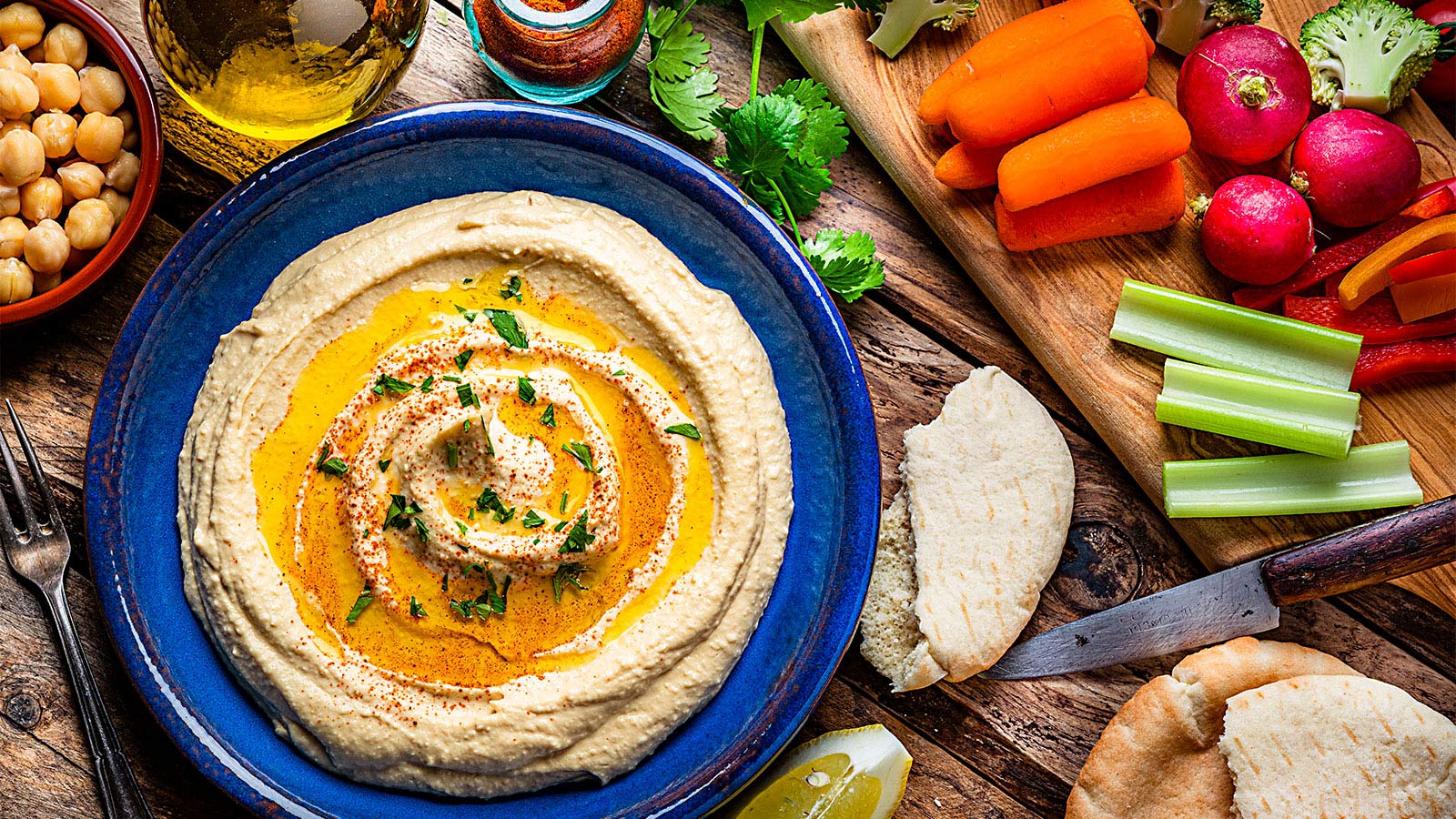
Put simply, fiber is a kind of carbohydrate that your body can’t digest. It’s found in plant-based foods such as whole grains, nuts, seeds, legumes, fruits, and vegetables.
Fiber comes in two forms: soluble and insoluble. Soluble fiber (such as oats and lentils) pulls water from your stomach and transforms the fiber into a gel. It slows down digestion, which helps you feel full after you eat.
Insoluble fiber (like leafy greens and brown rice) adds bulk to your stool, which helps you avoid getting constipated. This kind of fiber doesn’t dissolve in water. It usually stays whole as it passes through the digestive system.
Health benefits of fiber
Getting an adequate amount of fiber can lower LDL (bad) cholesterol, helping to reduce your risk for heart disease and stroke, and can make you less likely to develop serious conditions like diabetes and cancer.
Fiber can also help you manage already-existing conditions, like supporting better blood sugar levels if you have diabetes and healthy weight management by filling you up and keeping you full longer.
In addition, some studies show that fiber can also protect you against inflammation, support your immune system, and lower your risk for dementia.
How to increase fiber intake
There are plenty of easy ways to add more fiber to your snacks and meals. You can:
- Have a whole fruit instead of drinking fruit juice
- Opt for minimally processed brown rice instead of white rice
- Choose cereals with “whole grain” listed as the first ingredient
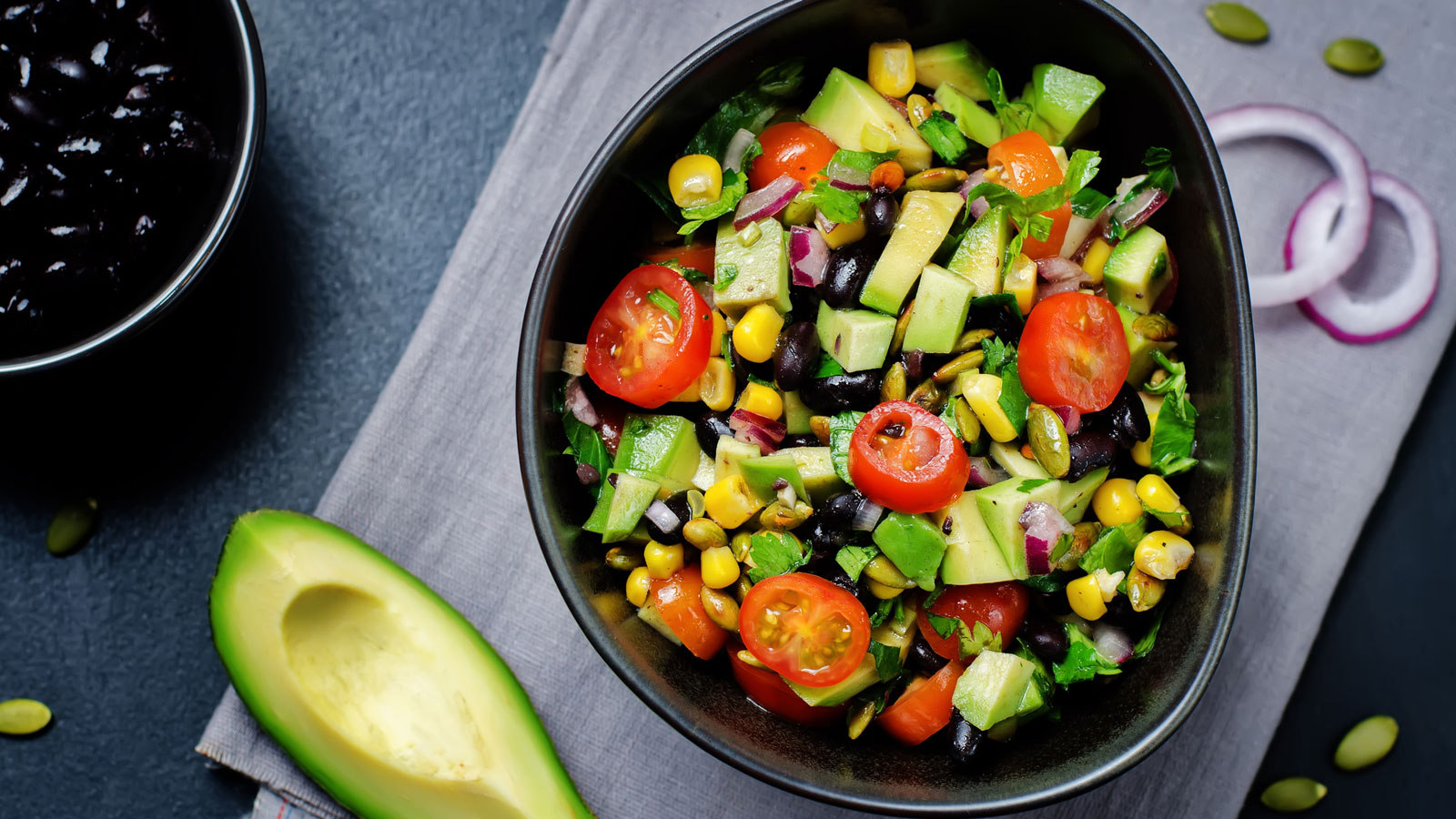
- Use legumes (think peas and lentils) or beans instead of meat in chilis and soups
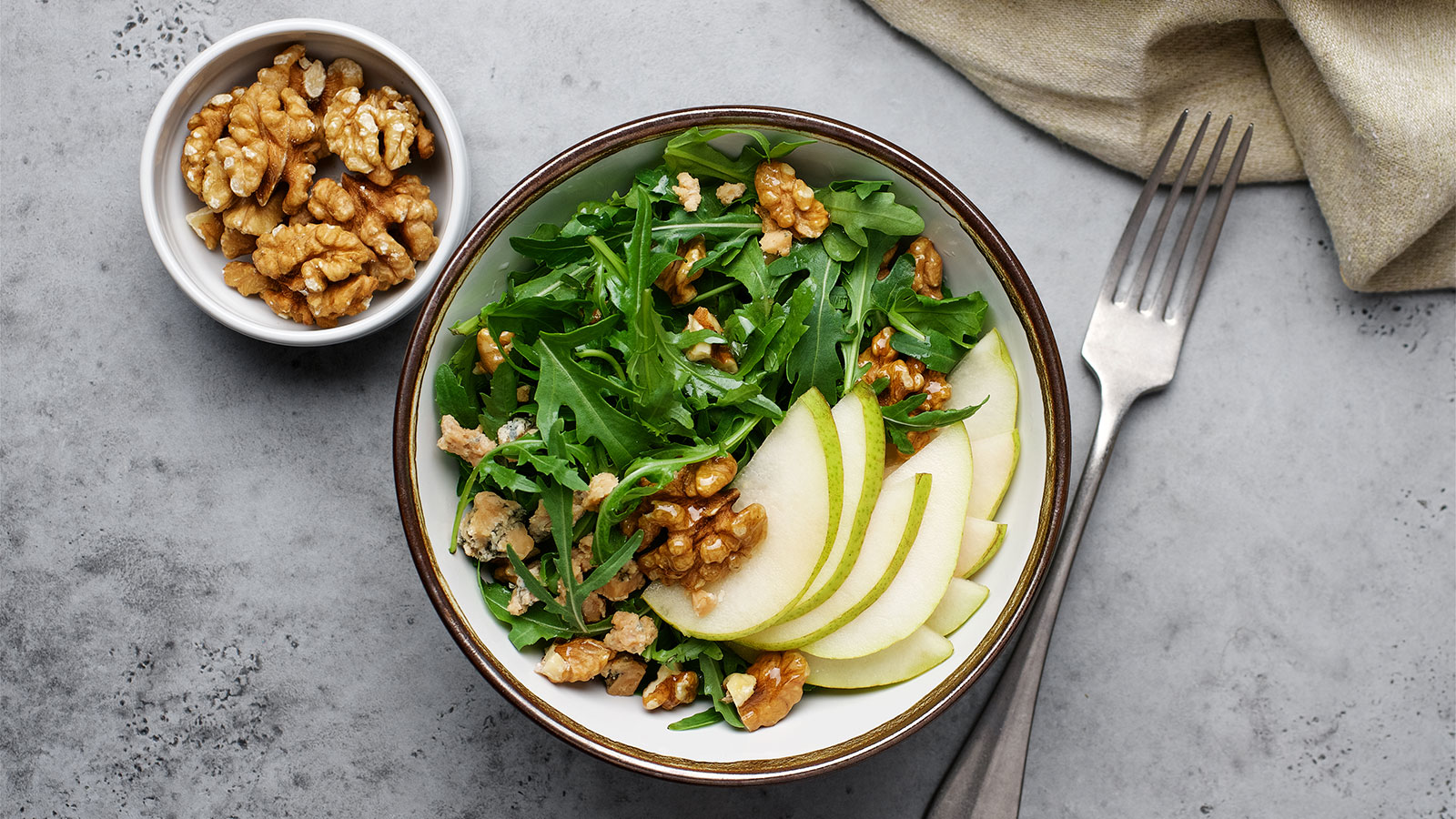
- Add a small scoop of nuts or seeds to salads
When you start eating more fiber, remember to do it gradually and make sure to increase your water intake at the same time. That way, you can avoid unpleasant side effects, like bloating and constipation. Be sure to incorporate a variety of foods to maximize your health benefits, too.
Why fiber matters for long-term health
We hear a lot about the importance of protein in our diet, but for long-term disease prevention and management, we need to give that same amount of time and energy to increasing the amount of fiber as well.
Get help with your healthy eating goals
Schedule an appointment with a Virtua registered dietitian to build a personalized, sustainable eating plan tailored to your lifestyle and goals. Virtua registered dietitians offer in-person and telehealth appointments for a range of weight-loss and nutrition services.
There's So Much More to Explore