New Technology to Light Tumors Helps Amy Overcome Lung Cancer
Amy Demurjian was surprised when a small lung nodule became cancer. Discover how new imaging technology and robotic surgery helped treat her cancer successfully.
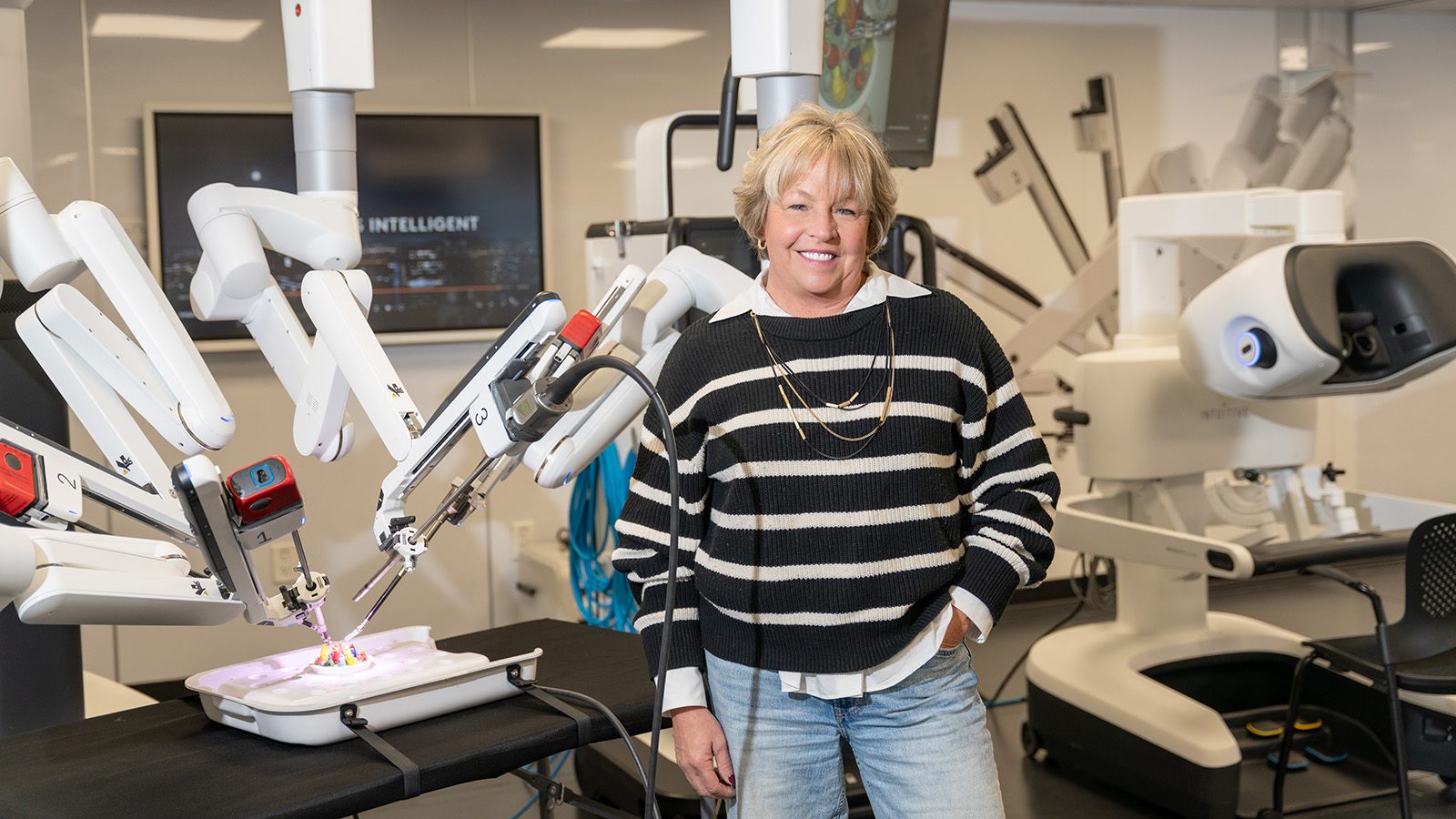
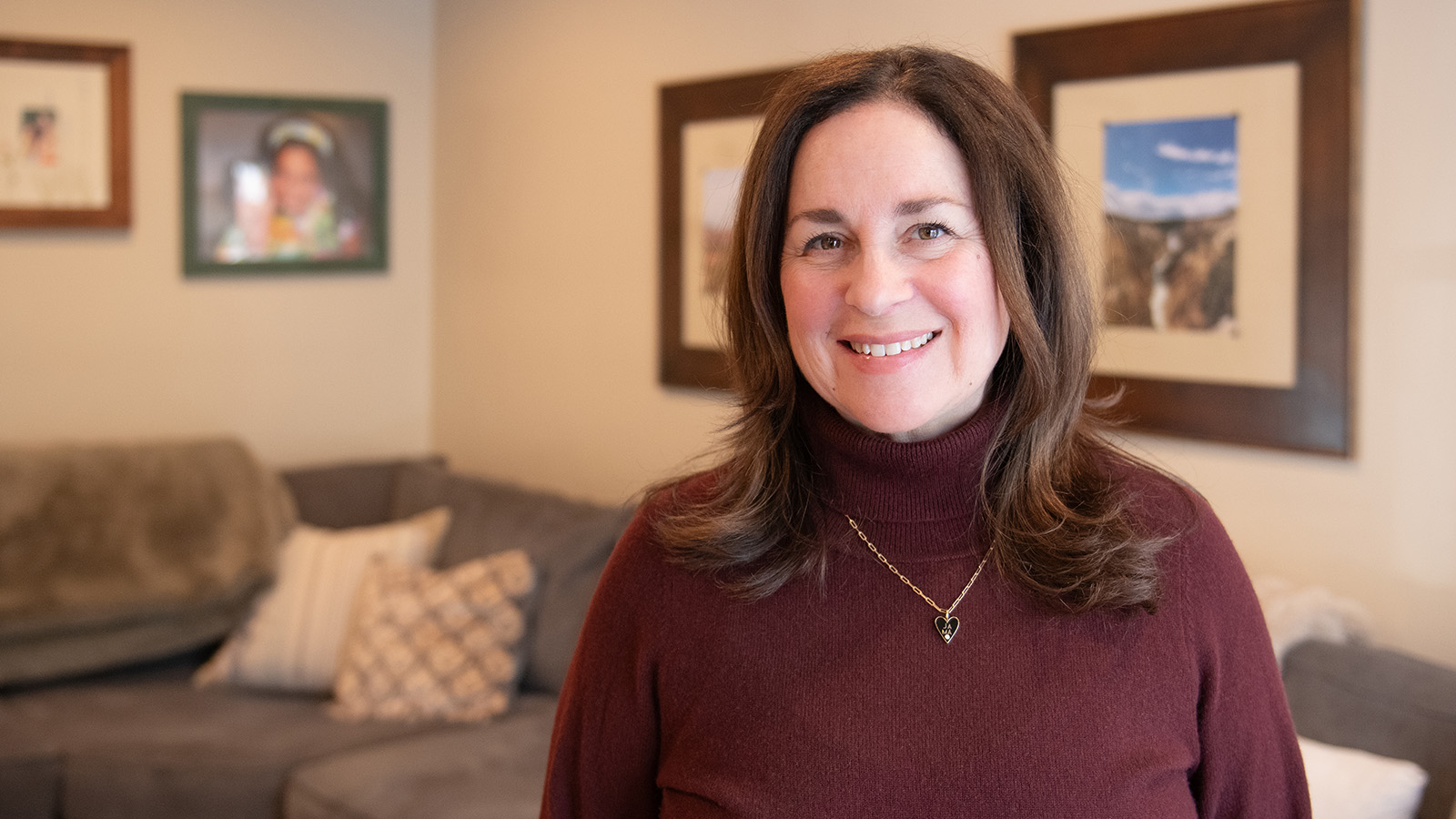
“People who’ve spent their careers in medicine aren’t always the most compliant patients,” admitted Amy Demurjian, retired assistant director of radiology at Virtua Marlton Hospital, reflecting on the persistent, hacking cough she brushed off during the winter of 2022.
At 64, living in Cherry Hill with her husband and two children, Amy finally sought help from her primary care physician after the cough lingered for over a month. She was referred to Virtua pulmonologist Angel Rodis, MD, who ordered a CT scan of her lungs. The results revealed a small, 1.4-centimeter nodule—classified as a ground-glass lesion because it visually resembles ground glass.
“I wasn’t overly concerned,” Amy said. “As a CT technician, I knew ground-glass lesions were often benign.”
A careful lung nodule watch and a surprising turn
Medical guidelines for nodules more than 1 centimeter calls for annual CT scans over three years, provided the lesion remains stable. Amy followed this regimen diligently. But after her third scan showed a persistent opacity, which could represent a slow-growing cancer, her doctors recommended a biopsy.
“I was stunned when they told me it was cancer,” she recalled. The diagnosis: non-small cell lung cancer—a slow-growing, often silent disease.
How Cytalux improved Amy’s lung surgery
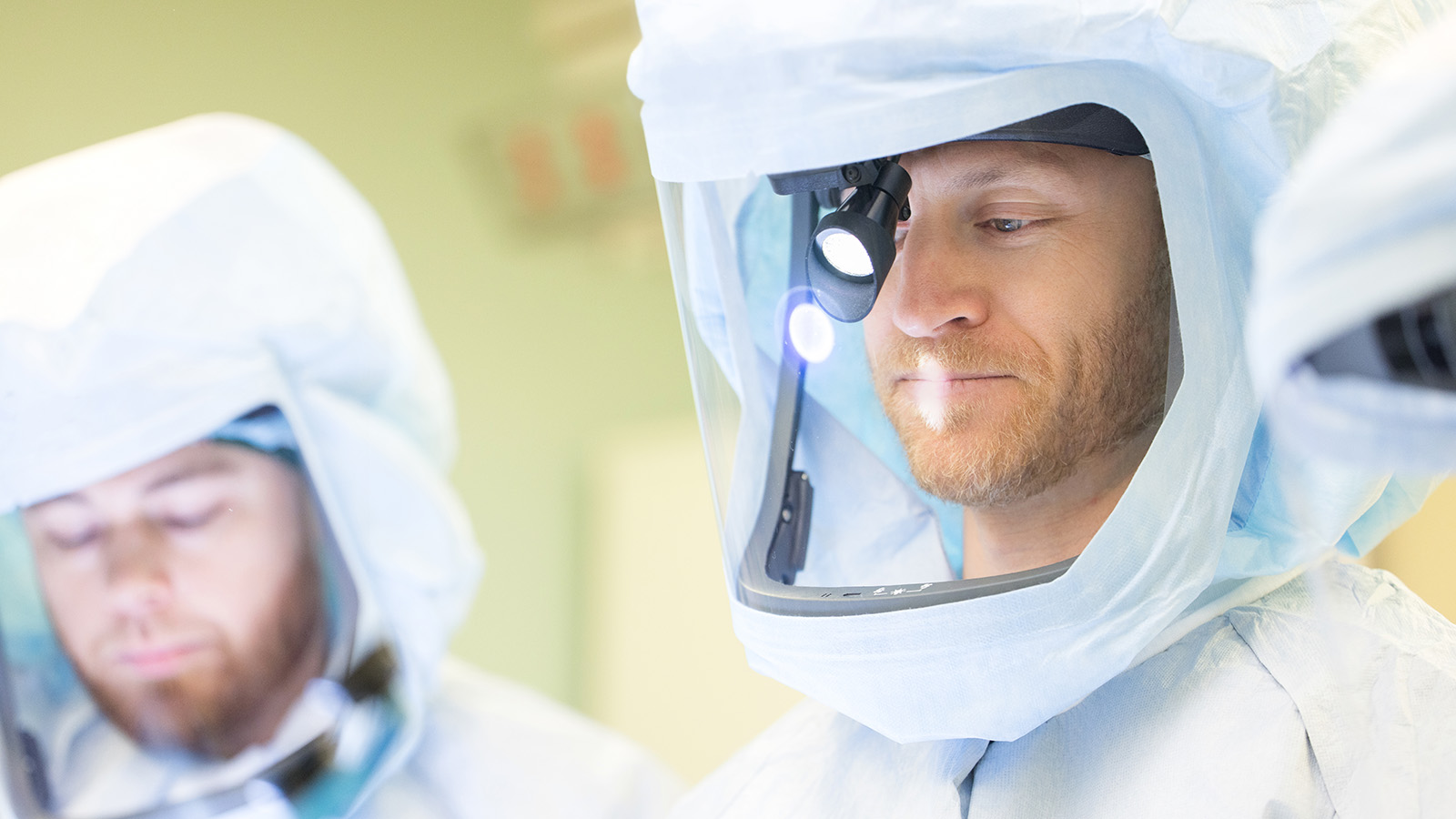
Amy was referred to Matthew Puc, MD, Virtua’s chief of thoracic surgery and director of the Penn Medicine | Virtua Health Cancer Program, who scheduled robotic surgery to remove the nodule in March 2025. Dr. Puc explained that during the procedure, he would use Cytalux, an FDA-approved imaging agent for lung and ovarian cancers. Administered intravenously before surgery, it illuminates cancerous tissue, allowing surgeons to see and remove it more precisely.
Virtua is the first health system in South Jersey to offer this advanced cancer-detecting technology.
“Cytalux lets me see the lesion and its margins clearly,” said Dr. Puc. “That means I can perform a limited resection—removing just 5 to 10% of lung tissue instead of the 25% I’d need to take without it.”
Words that changed everything
Amy remembers waking up in the recovery room to Dr. Puc standing beside her bed.
“OK, you’re cured,” he said. “We removed all of the cancer.”
“I asked, ‘Are you sure?’” she laughed, still incredulous.
Back to life, grateful and grounded
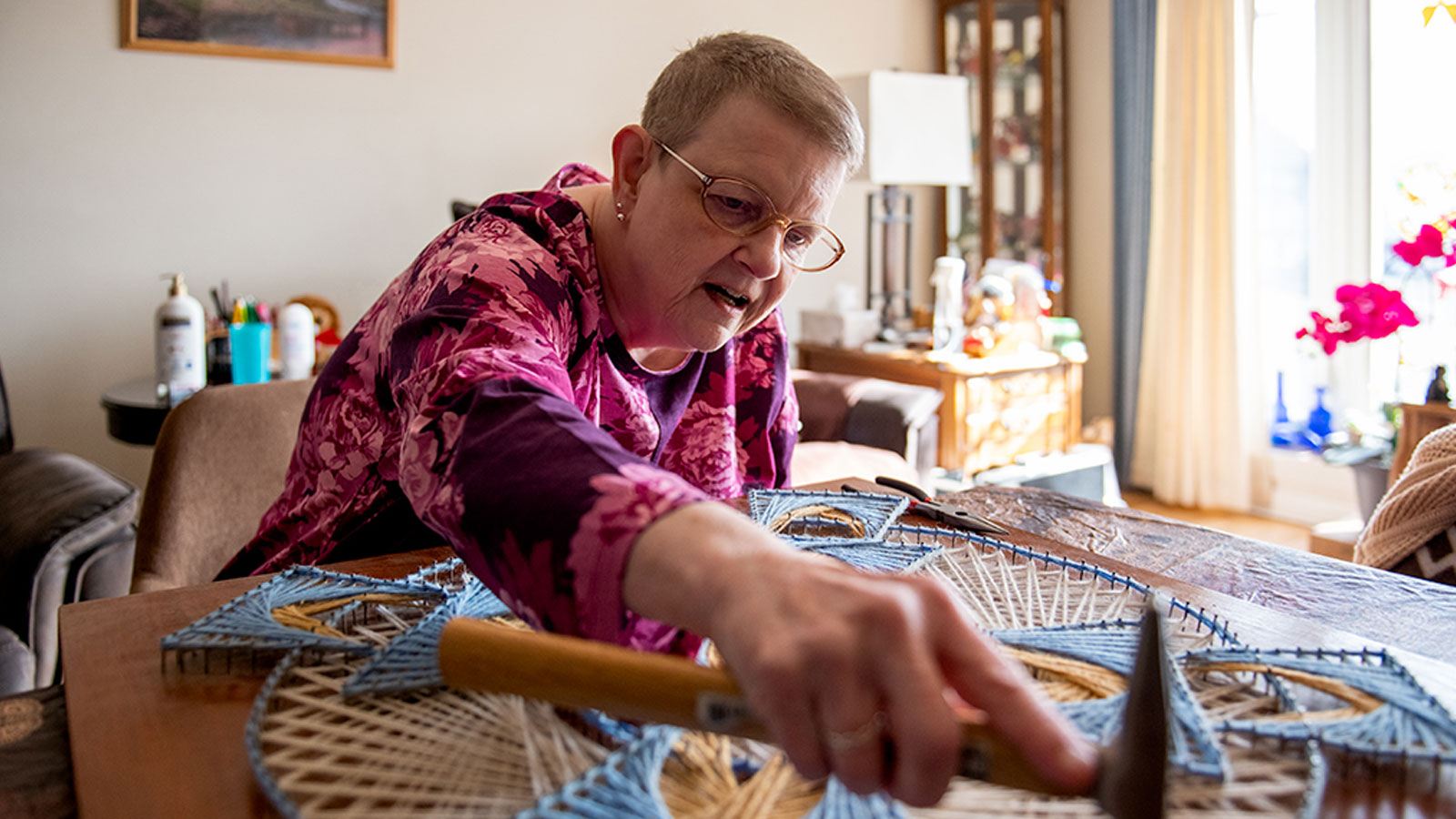
Amy has returned to her routine and will have lung CT scans every six months for three years. Her experience has left her with a renewed perspective.
“Stay on top of your health. Listen to your doctors. Take advantage of the incredible technology available. And above all—never lose hope.”
“I still can’t believe how lucky I am,” she said. “I’m deeply grateful to my doctors—and to Virtua for having the best technology to cure my cancer.”
Early lung cancer detection and screening in South Jersey
In its early stages, lung cancer often has no symptoms. But when detected early, it’s highly treatable. If you have trouble breathing, our team of highly trained pulmonologists can help. Schedule an appointment with a Virtua pulmonologist or call 888-847-8823.
There's So Much More to Explore