Early Ovarian Cancer Diagnosis: How Julie Trusted Her Instincts and Saved Her Life
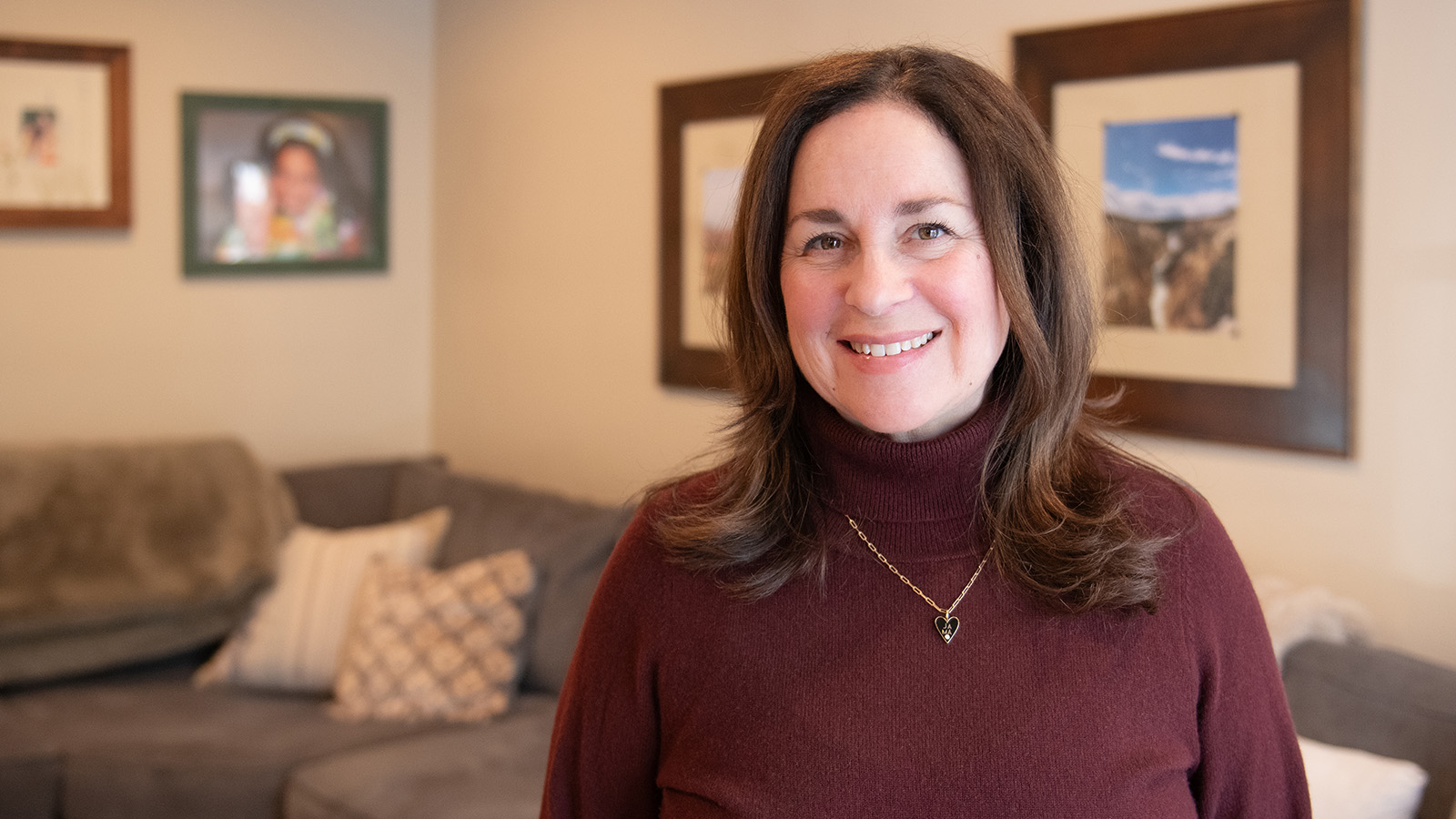
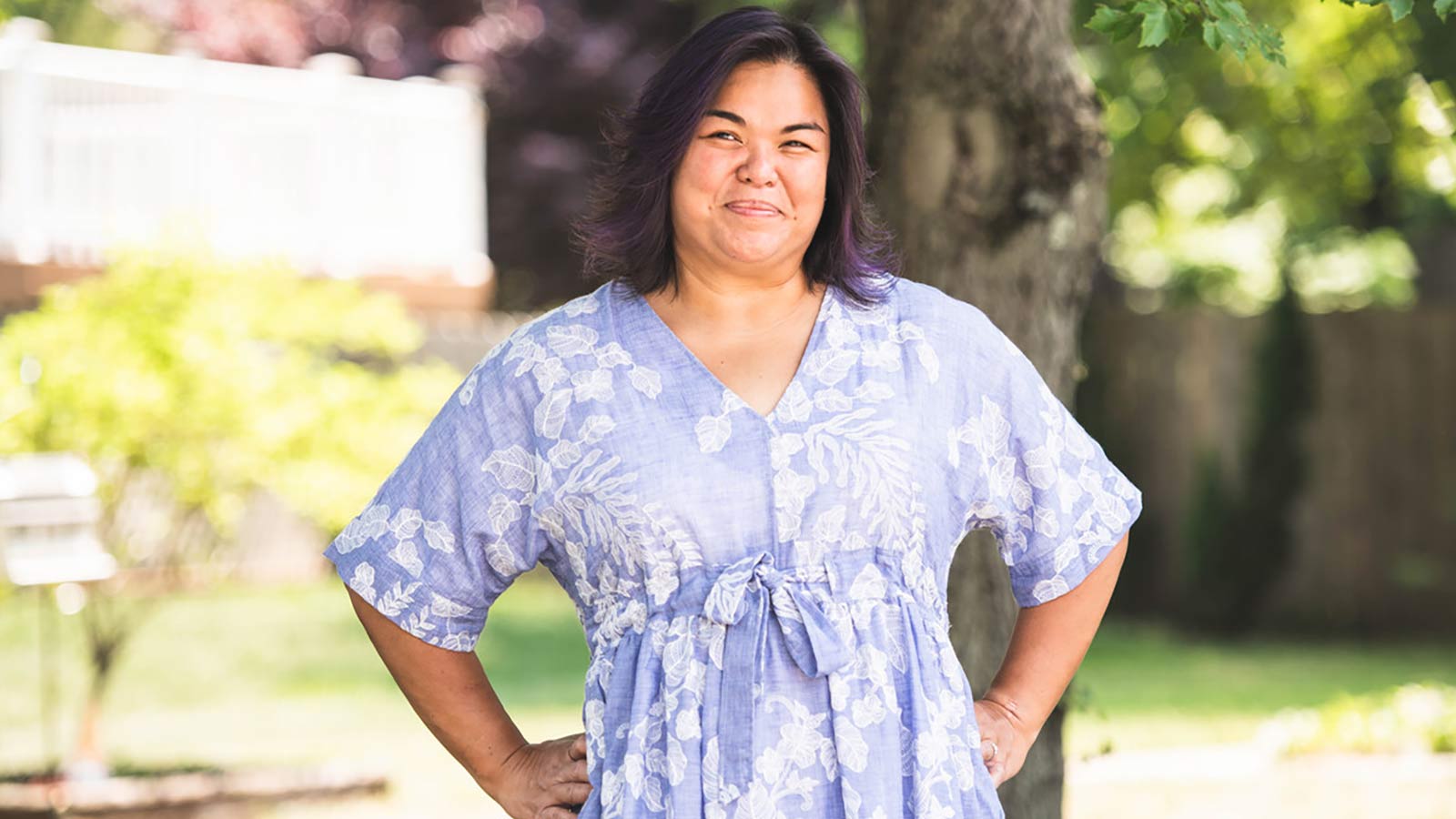
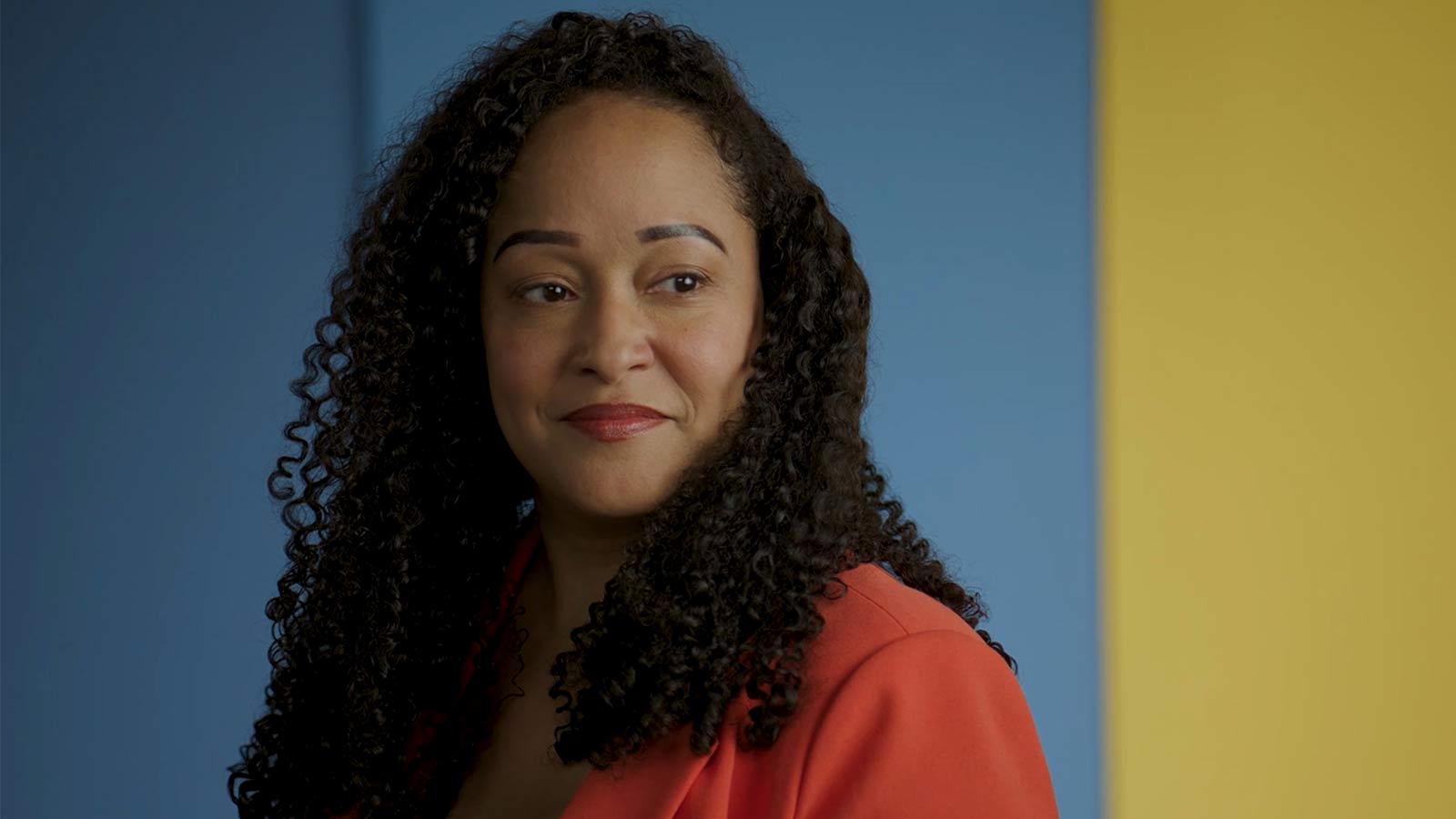
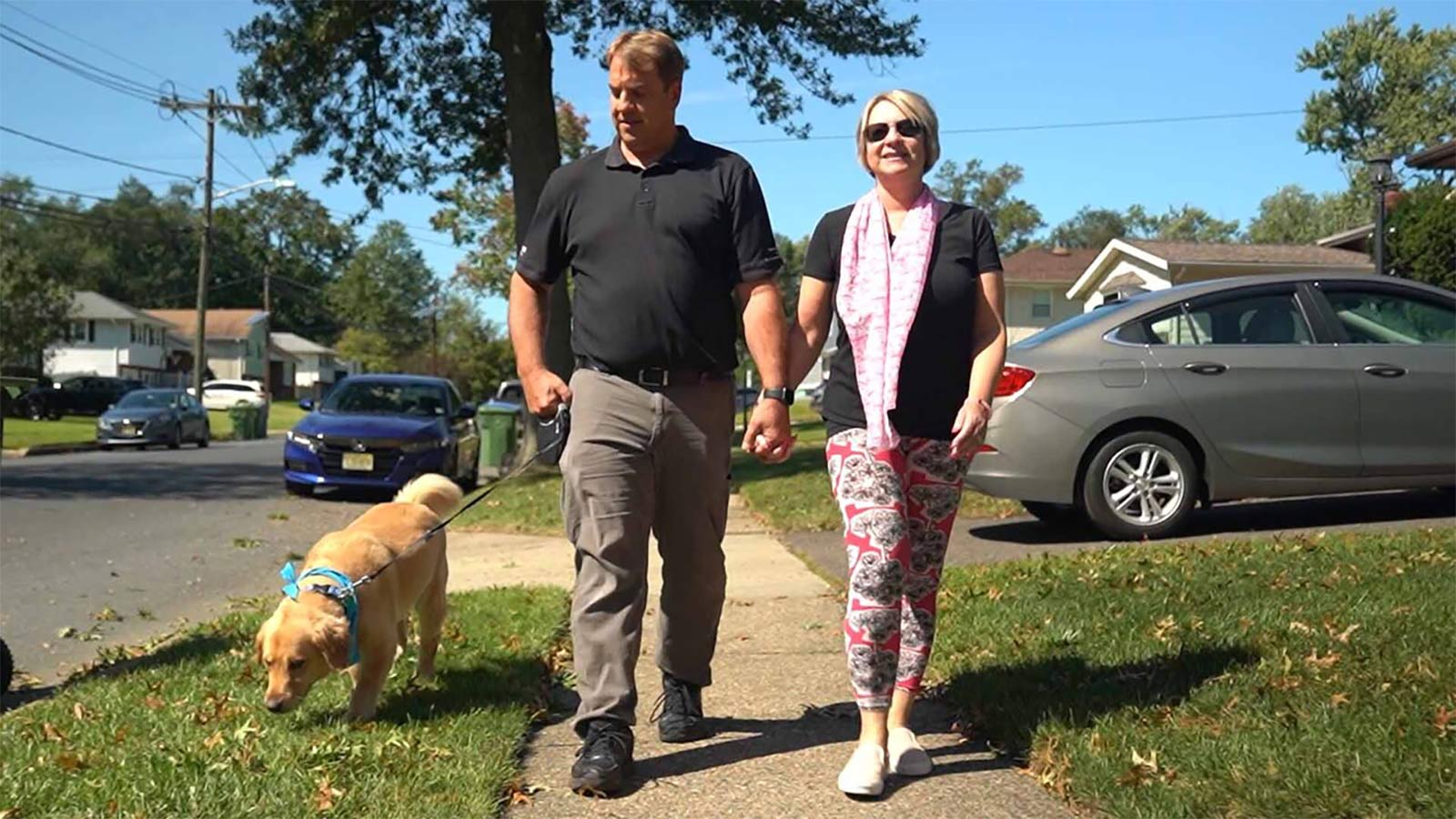
Julie Brogan couldn't shake the feeling that something was wrong. When tests confirmed ovarian cancer, she trusted the Penn Medicine | Virtua Health Cancer Program with her care.
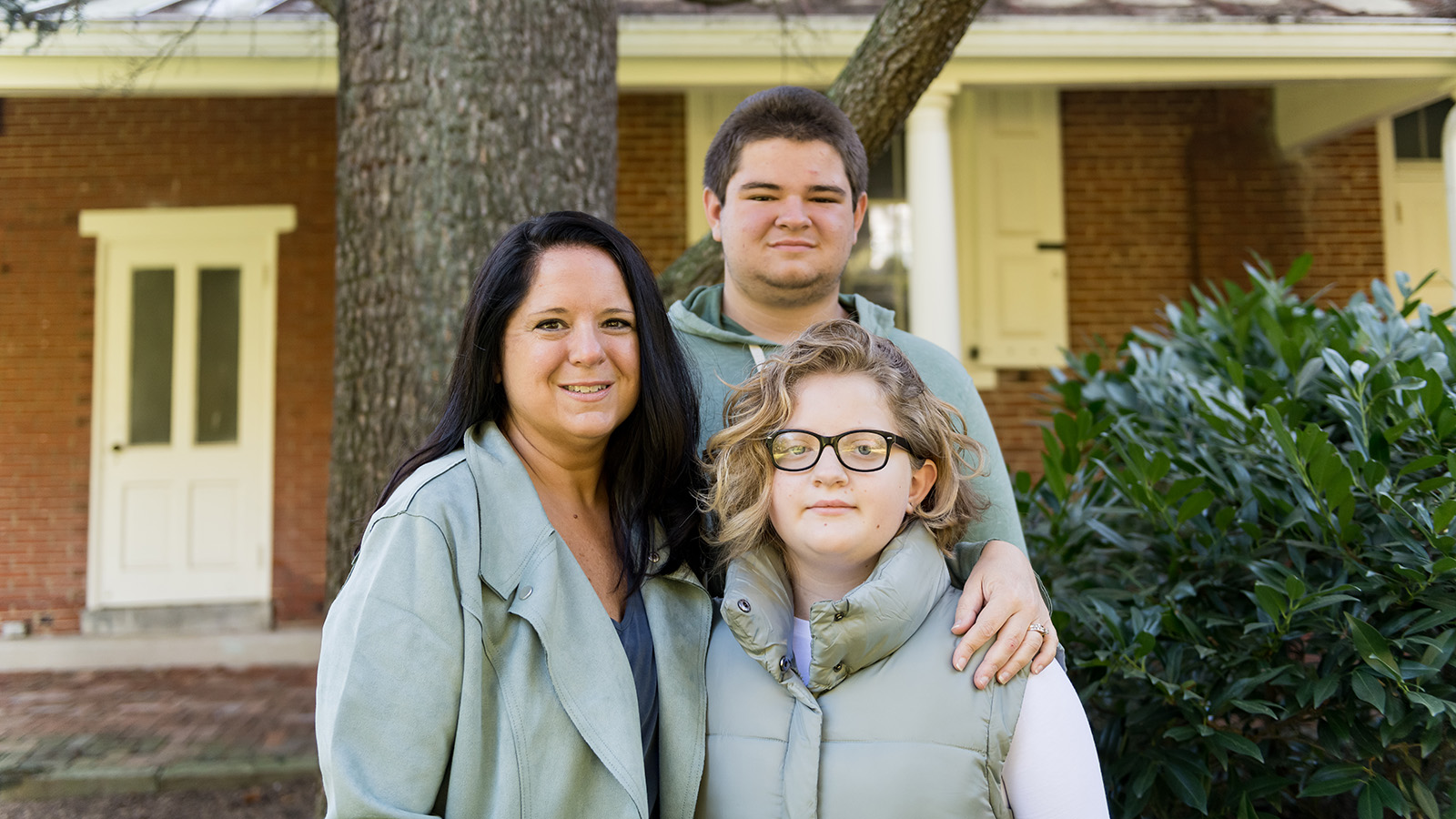
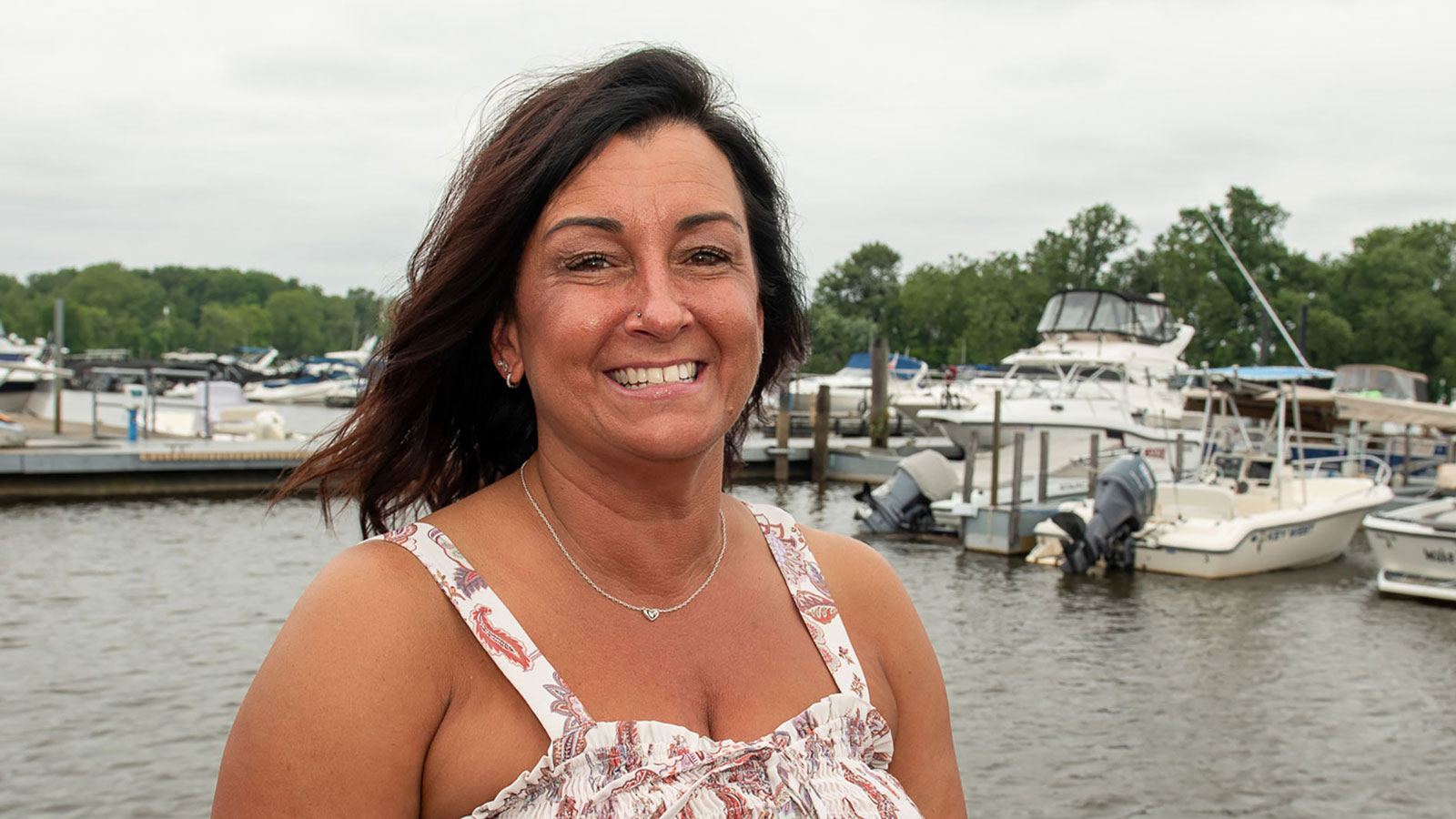
“It’s ovarian cancer.” Those three words stopped Julie Brogan in her tracks.
She’d been happily preparing for her son’s wedding. But when heartburn, difficulty swallowing, and a dull ache in her lower abdomen persisted, her gastroenterologist ordered abdominal and pelvic ultrasounds to evaluate her symptoms.
The abdominal scan looked fine. But the pelvic one raised a red flag.
“My doctor called and said they saw a lesion on my ovary,” recalled Julie, 53, of Barrington. “He ordered an MRI and suggested I follow up with my gynecologist.”
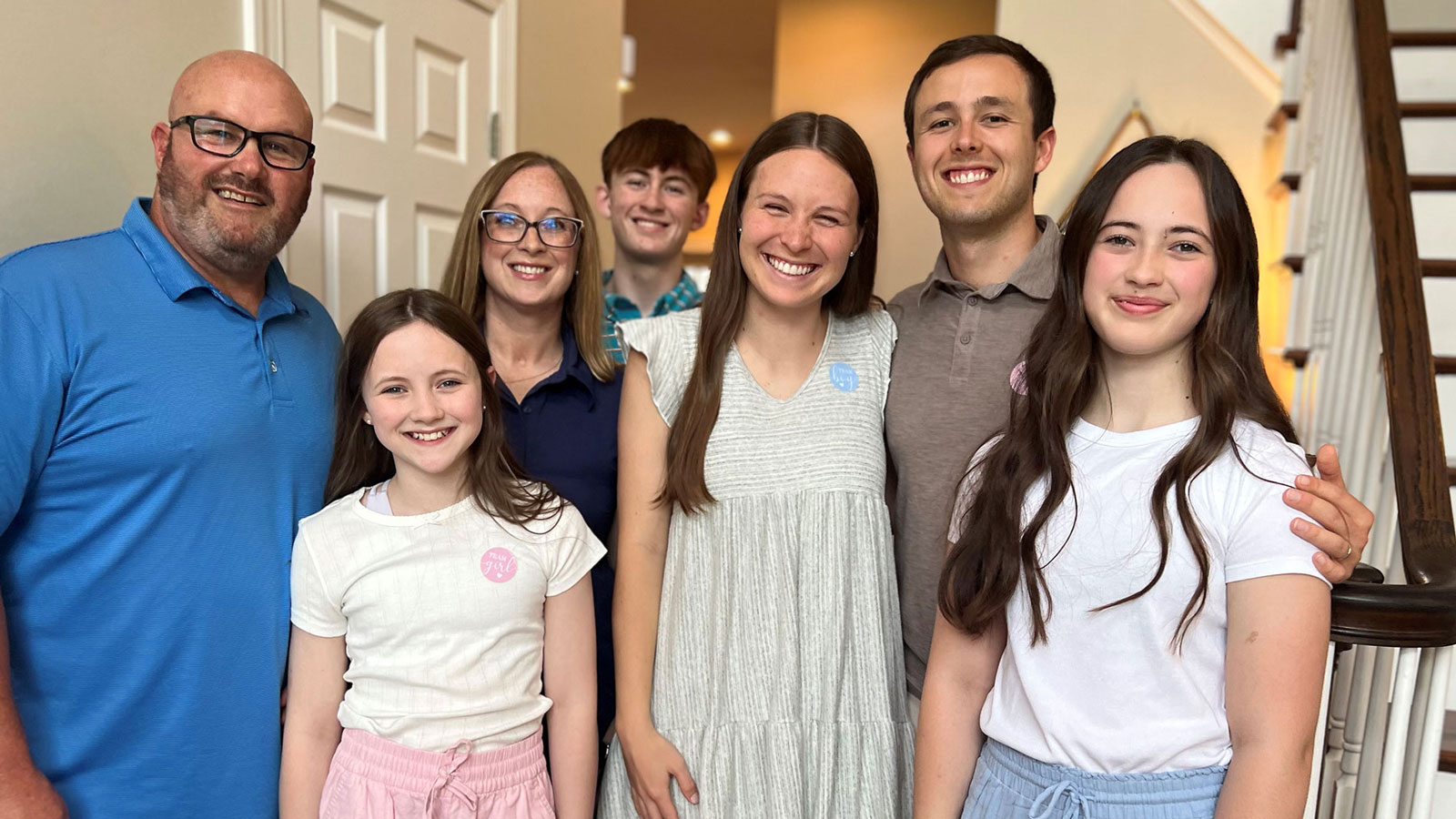
Julie tried to put her fear aside the next day as she danced tearfully with her son at his wedding. “I was so emotional,” she said. “I knew something wasn’t right.”
Seeking answers for her symptoms
After the celebration, Julie sought multiple opinions from OB/GYNs. None seemed overly concerned about the ultrasound results—but Julie couldn’t shake the feeling that something was wrong. She pushed for more answers.
Her MRI confirmed the lesion, so her OB/GYN referred her to gynecologic oncologist Emily Gleimer, DO, of the Penn Medicine | Virtua Health Cancer Program.
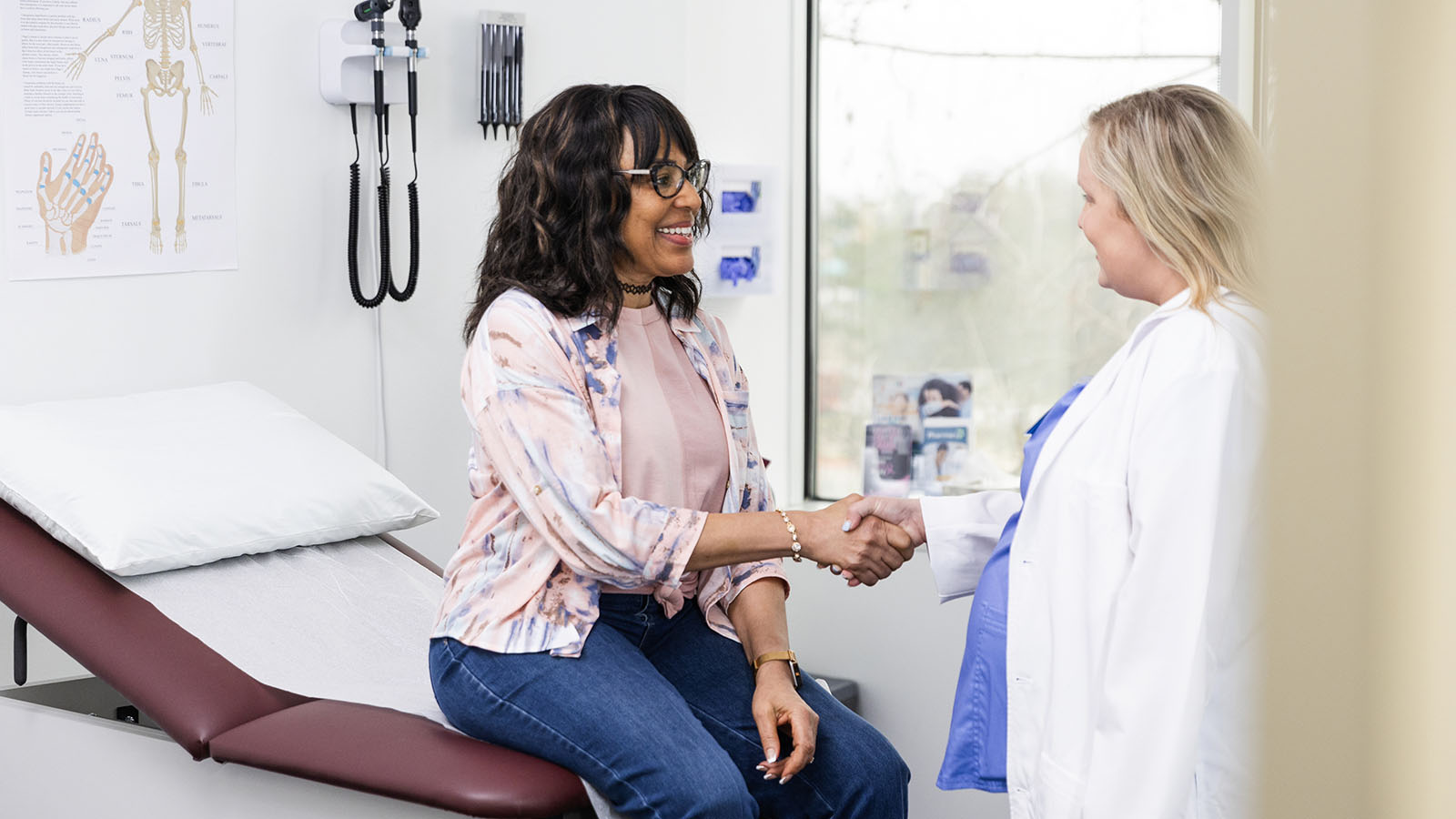
“Dr. Gleimer sat with me and just listened,” Julie said. “I told her both my parents had died from cancer, and I didn’t want my kids to go through that. She heard my concerns, discussed my options, and made me feel better.”
Robotic surgery removed cancer, provided answers
Together, Julie and Dr. Gleimer decided that surgery was the next best step.
Julie had a robotic partial hysterectomy to remove her uterus years earlier due to heavy bleeding.
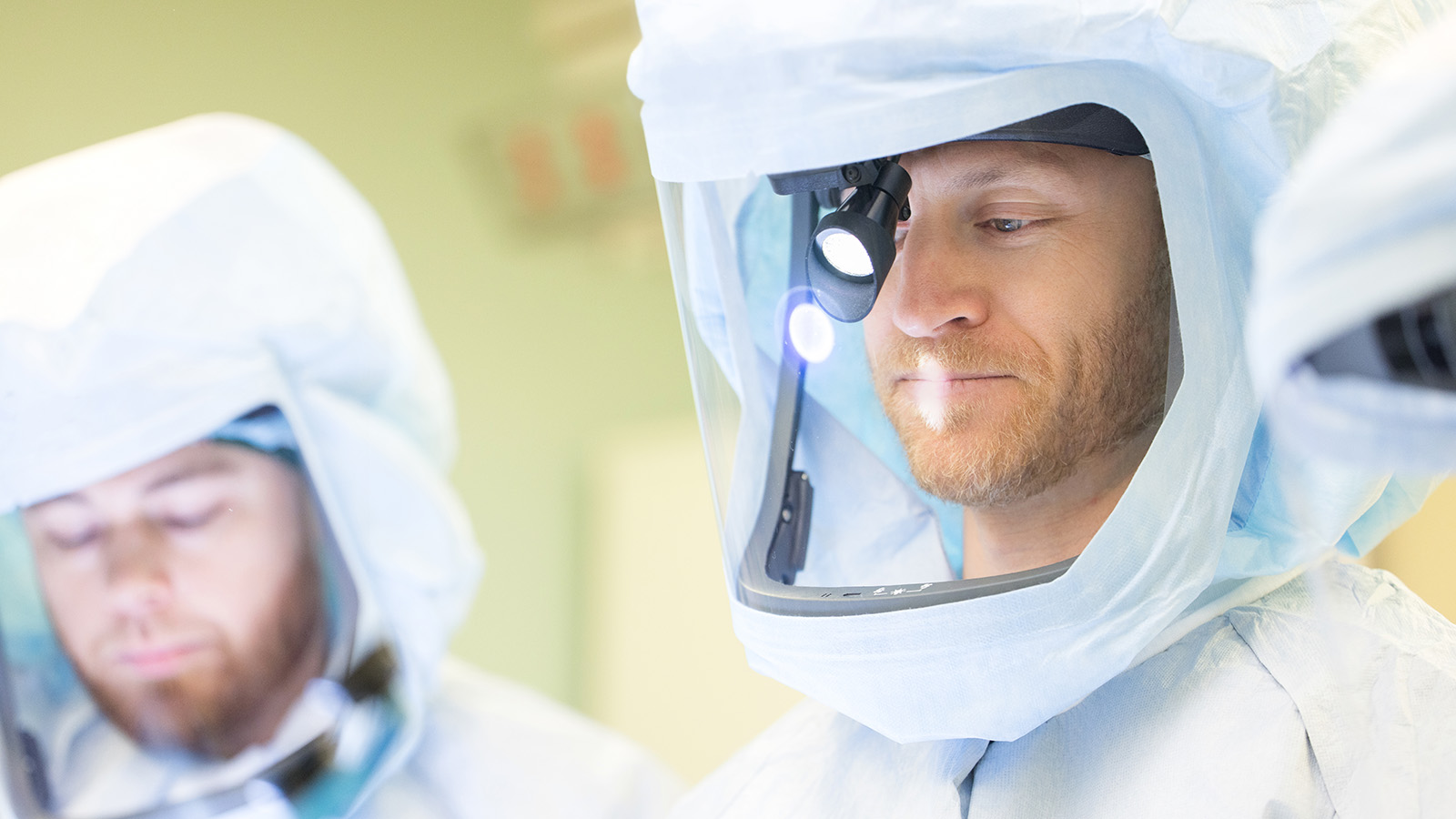
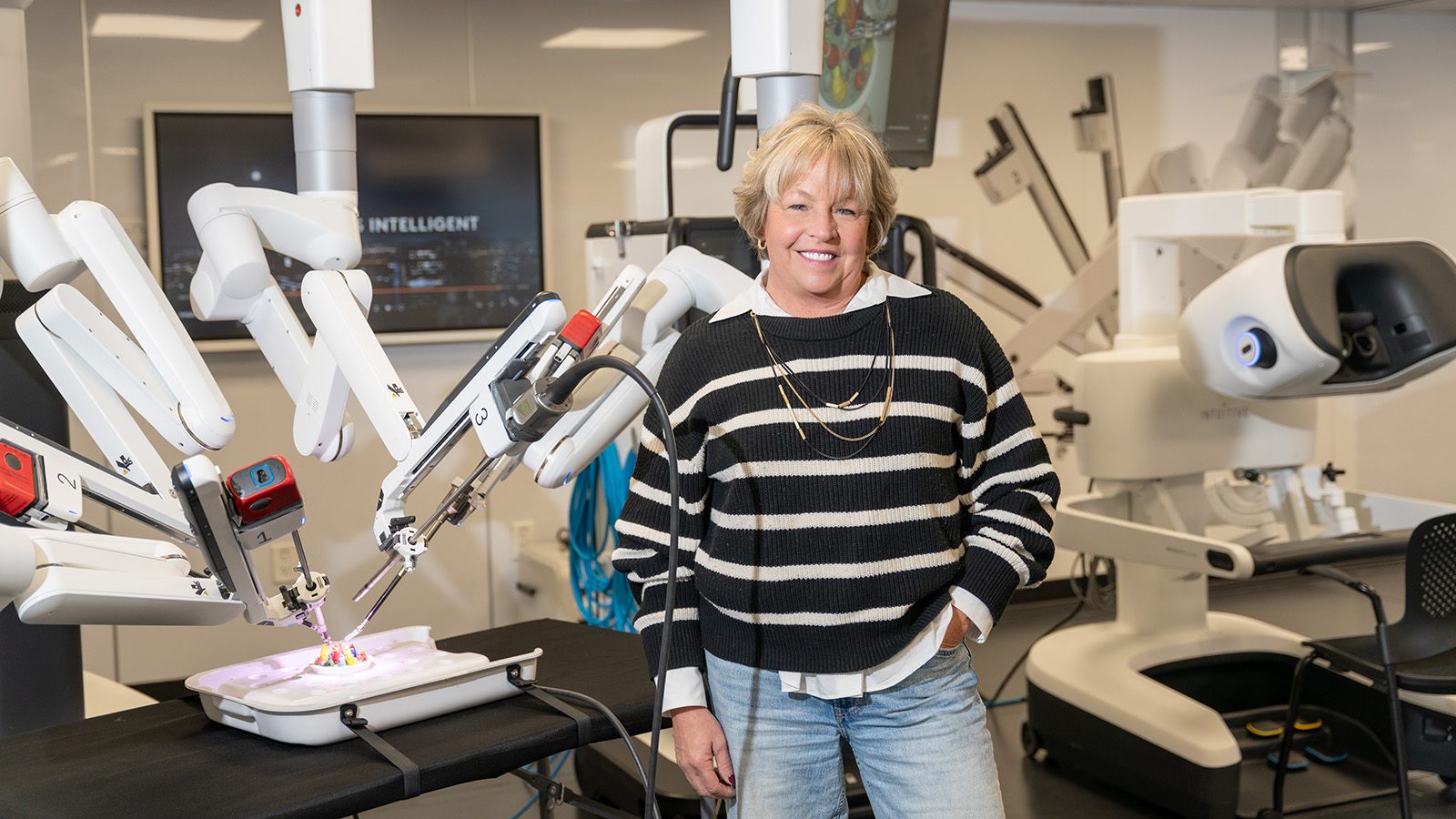
In 2019, Dr. Gleimer performed robotic surgery to assess the lesion and remove Julie's ovaries and fallopian tubes. Testing in the operating room revealed the lesion was cancerous. In the weeks after the surgery, doctors studied the tumor, identifying it as an endometrioid ovarian tumor, which can spread quickly if not caught early.
“It was great that Julie knew her body so well and advocated for herself,” said Dr. Gleimer. “Ovarian cancer is often diagnosed late, so finding it early was both unusual and fortunate.”
Dr. Gleimer performed a second staging surgery to remove lymph nodes and abdominal tissue to ensure no microscopic cancer cells remained. “I wanted to rule out any potential spread of disease and minimize the risk of cancer coming back,” she said.
Gratefully, 6 years cancer-free
Julie’s surgeries were successful. She didn’t need chemotherapy or radiation, and genetic testing ruled out inherited cancer risks.
“Initially, I saw Dr. Gleimer every few months, then every six months, and now annually,” Julie shared. “I’m six years past my diagnosis—and I'm cancer-free.”
Why early detection of ovarian cancer matters
Julie views Dr. Gleimer as a true blessing. “She listens, cares about my health and remembers my family,” Julie said. “If she hadn’t listened to me that day in her office, my life could be very different.”
Dr. Gleimer hopes Julie’s story empowers others. “Listen to your body. Trust your instincts. And schedule your annual GYN exam and cancer screenings. Early detection truly saves lives.”
Expert ovarian cancer diagnosis and treatment in South Jersey
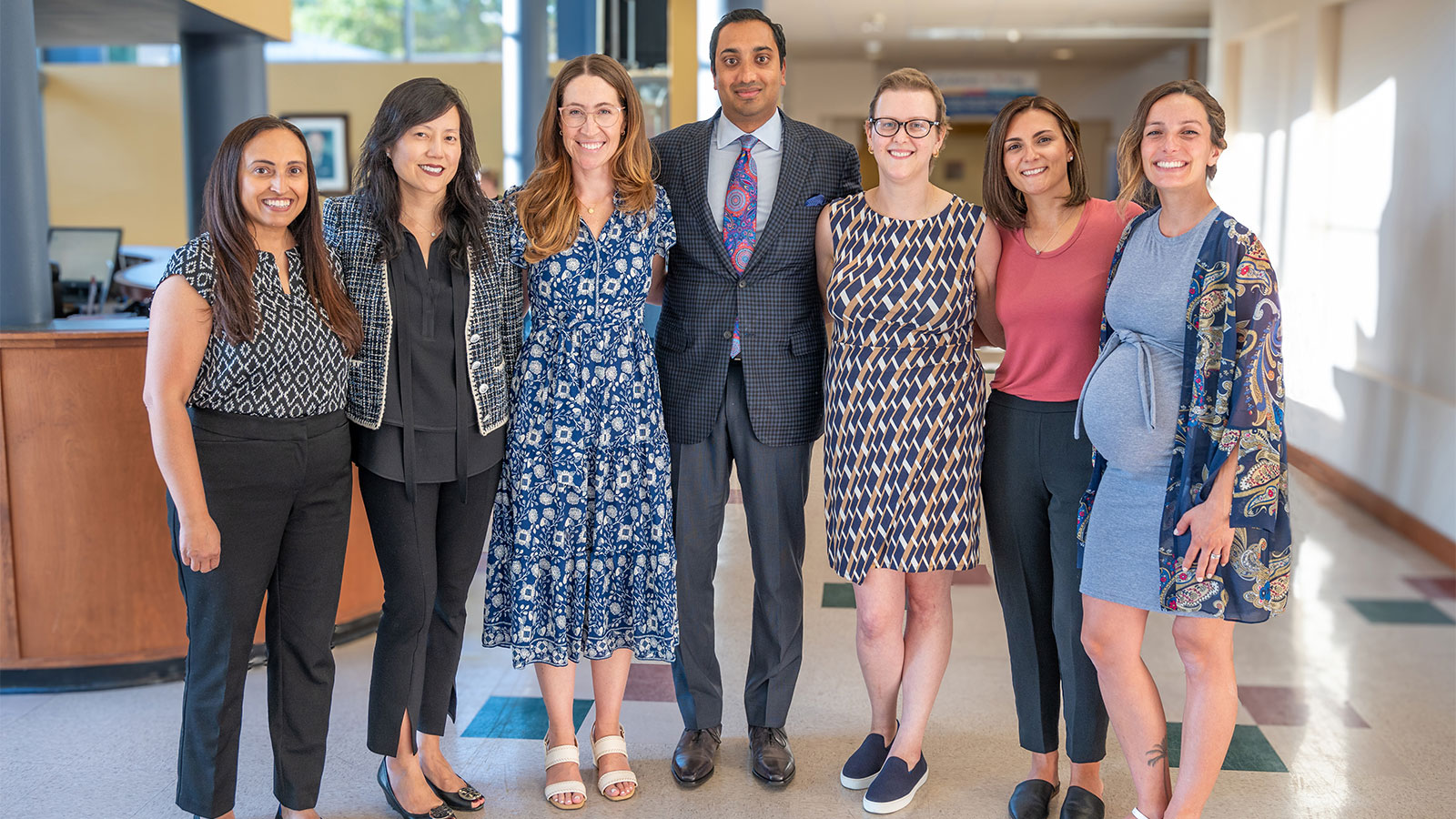
Virtua’s gynecologic oncologists are skilled in diagnosing and treating GYN cancers and providing reassuring support. Learn more about our approach to GYN oncology and meet our GYN oncologists or call 856-247-7310.
There's So Much More to Explore