Managing an IBD Flare: Diet Tips to Reduce Irritation and Support Healing
Navigating a Crohn's or colitis flare? Learn which low-fiber foods ease symptoms, what to avoid, and how the experts at Virtua Crohn's and Colitis Center can help you heal.

By Edward Kaminski, RD, and Madeline Holt, RD, Registered Dietitians – Virtua Crohn's and Colitis Center
Inflammatory bowel disease (IBD), including Crohn's disease and ulcerative colitis, is an autoimmune disorder that causes chronic inflammation in the digestive tract. When symptoms worsen—known as a flare—your nutritional needs change. During this time, how you prepare your food and how it feels in your gut can be just as important as what you eat.
Managing an IBD flare takes a team approach. A gastroenterologist manages your medical treatment, while a registered dietitian helps tailor your eating plan to reduce irritation, support your gut health, and help you maintain your strength, hydration, and weight.
What are the symptoms of an IBD flare?
Recognizing a flare early can help you adjust your diet as soon as possible. Common symptoms include:
- Abdominal pain and cramping
- Urgent and/or more frequent bowel movements
- Loose, watery, or bloody stools
- Unexplained weight loss and fatigue
Calm an IBD flare with a modified-texture diet
During an active IBD flare, the primary goal is to minimize bowel irritation while also supporting your hydration and nutrition.
Following a short-term eating pattern that emphasizes soft textures, well-cooked foods, and fruits and vegetables with very little skins and seeds can reduce the amount of undigested material passing through the bowel. This gives the inflamed tissues a chance to rest.
Foods that are better tolerated during a flare
Focus on foods that are well-cooked, smooth, soft, and easy to digest, including:
- Eggs
- Tofu
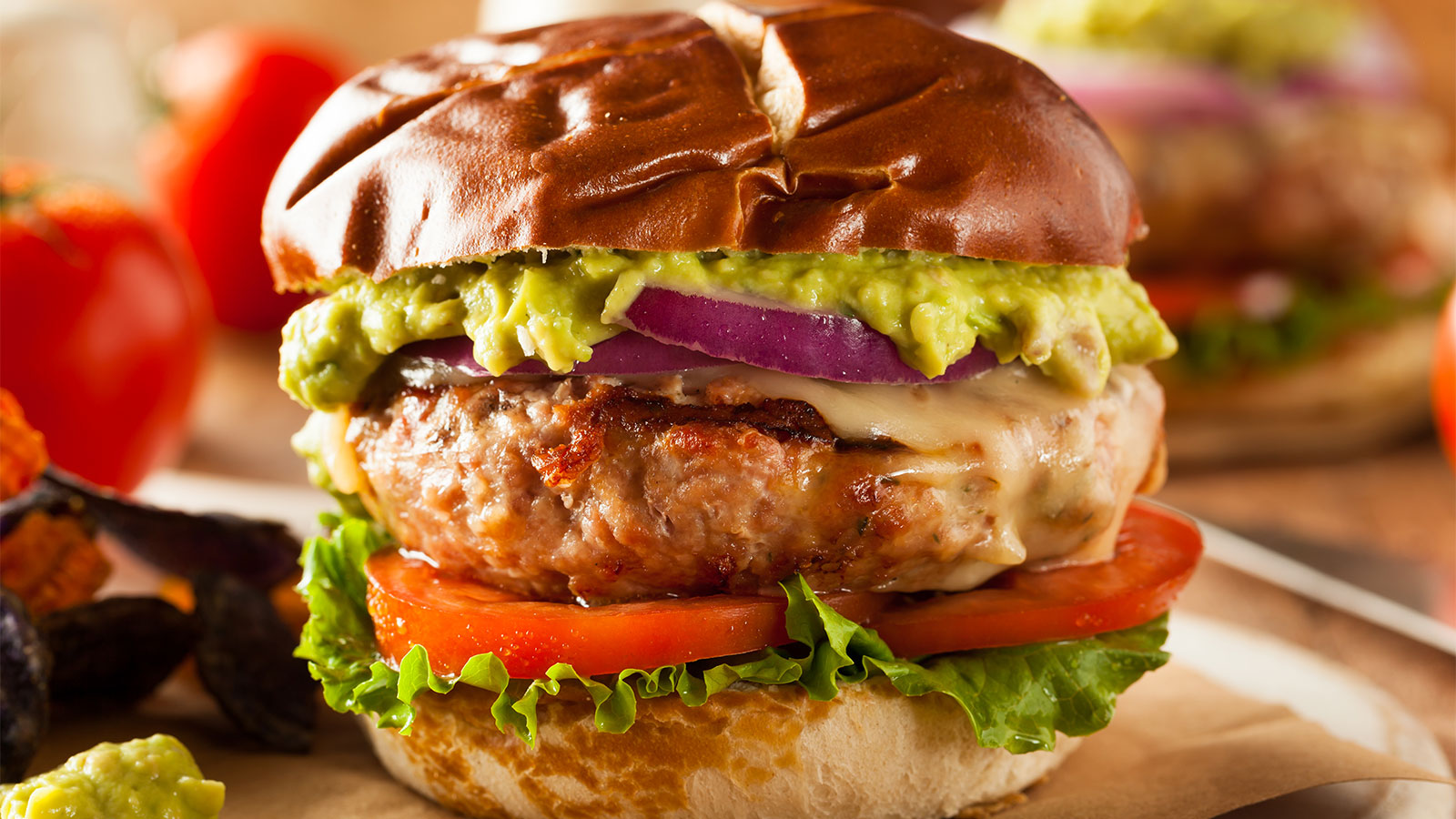
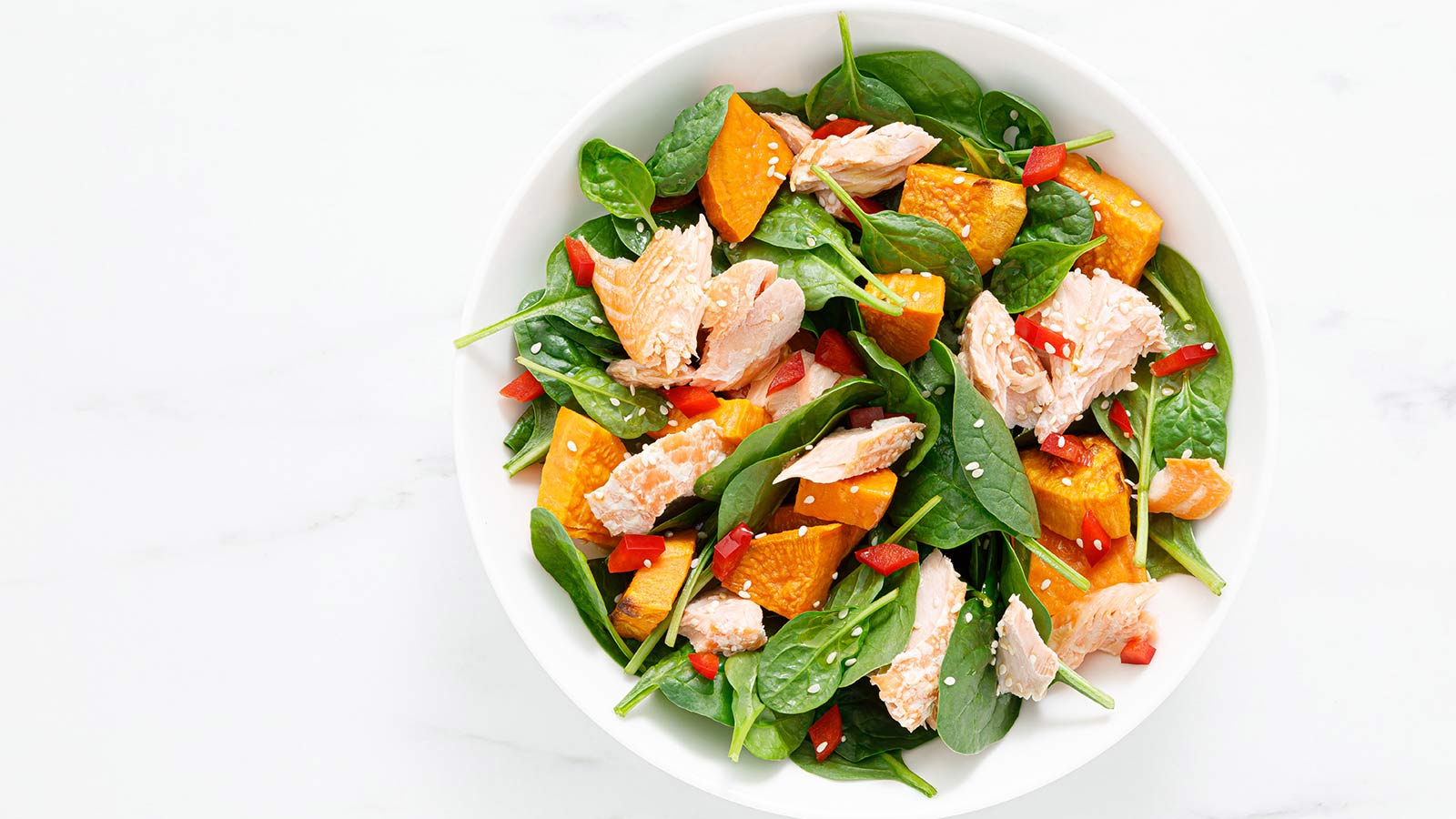
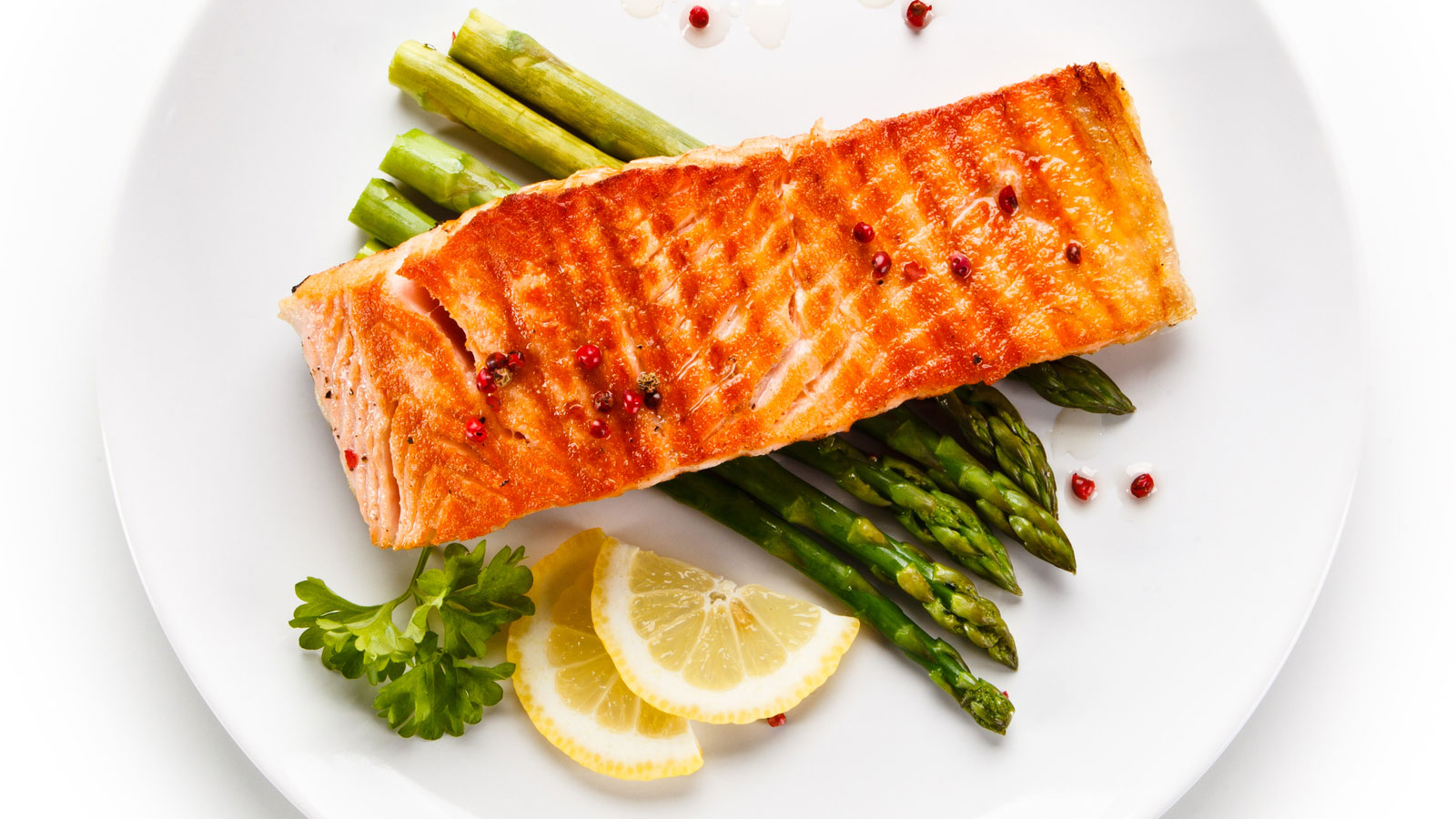
- Chicken, turkey, or fish (baked, poached, or well‑cooked and tender)
- Cooked, skinless, seedless vegetables
- Softer fruits like bananas or melons, or prepared fruits with a softer texture like applesauce
- White rice, pasta, or white bread, and well-cooked oatmeal
- Lactose-free milk or Greek yogurt (if tolerated)
Foods that may increase irritation during a flare
Some foods are more difficult to digest during active inflammation, especially those with rough textures or high fat or sugar. You may benefit from temporarily limiting the following:
- Raw vegetables and fruits with tough skins or seeds
- Coarse or dense grain products
- Greasy, fried, or very fatty foods
- High-sugar beverages, desserts, or foods containing sugar alcohols
- Highly processed foods with multiple additives or preservatives
Some of these foods may be more tolerable when cooked, peeled, blended, or pureed.
How long do IBD flare diet modifications typically last?
Taking a modified‑texture approach to eating is meant to be temporary until your symptoms improve. The duration of an IBD flare varies widely depending on disease type, severity, and treatment response.
Your care team may monitor nutritional markers such as vitamin D, vitamin B12, and iron to prevent deficiencies in vital micronutrients.
As your flare eases, your dietitian will help you reintroduce more texture and variety to your diet, while optimizing your nutrition.
Eating when you're not in a flare
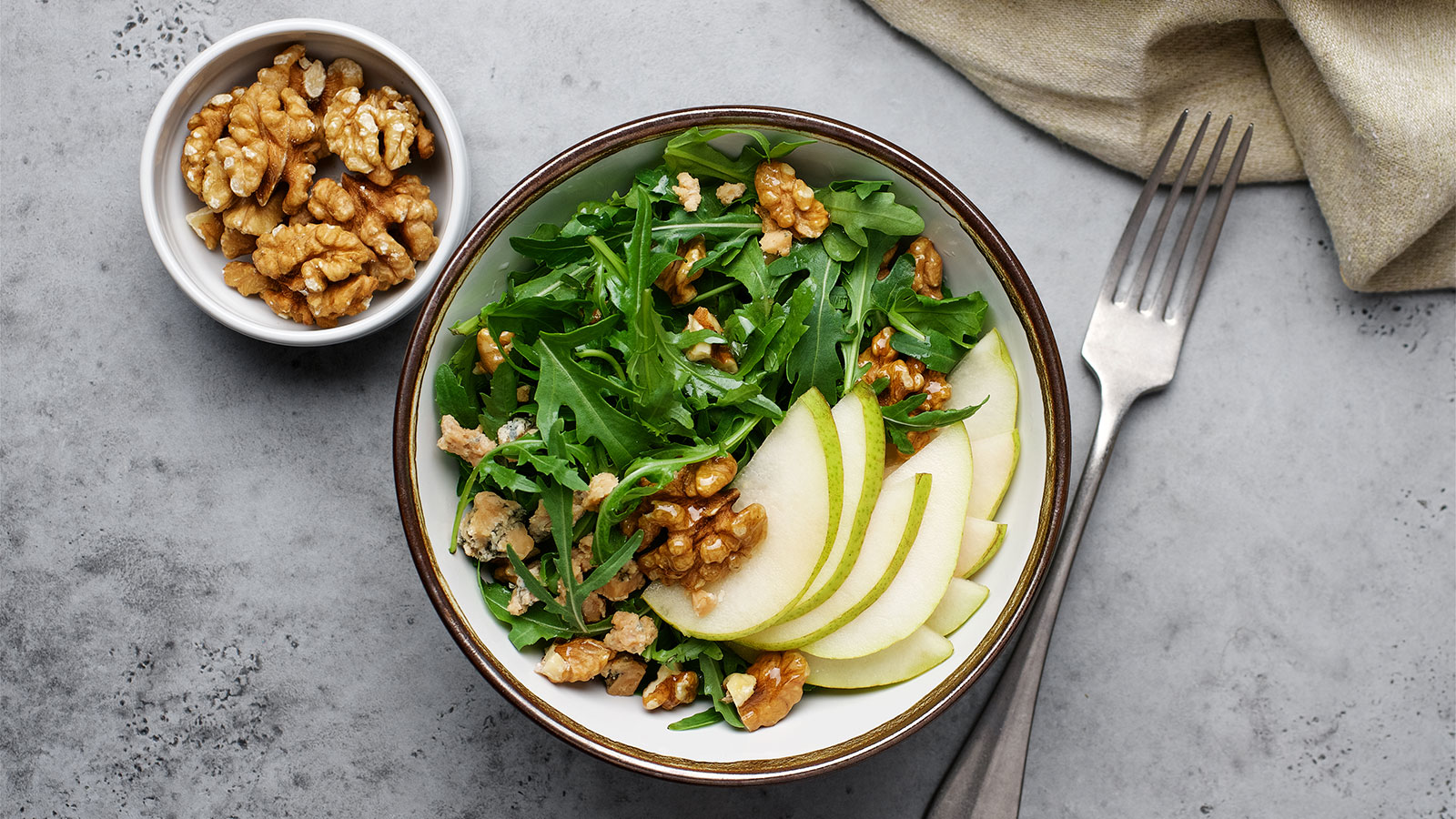
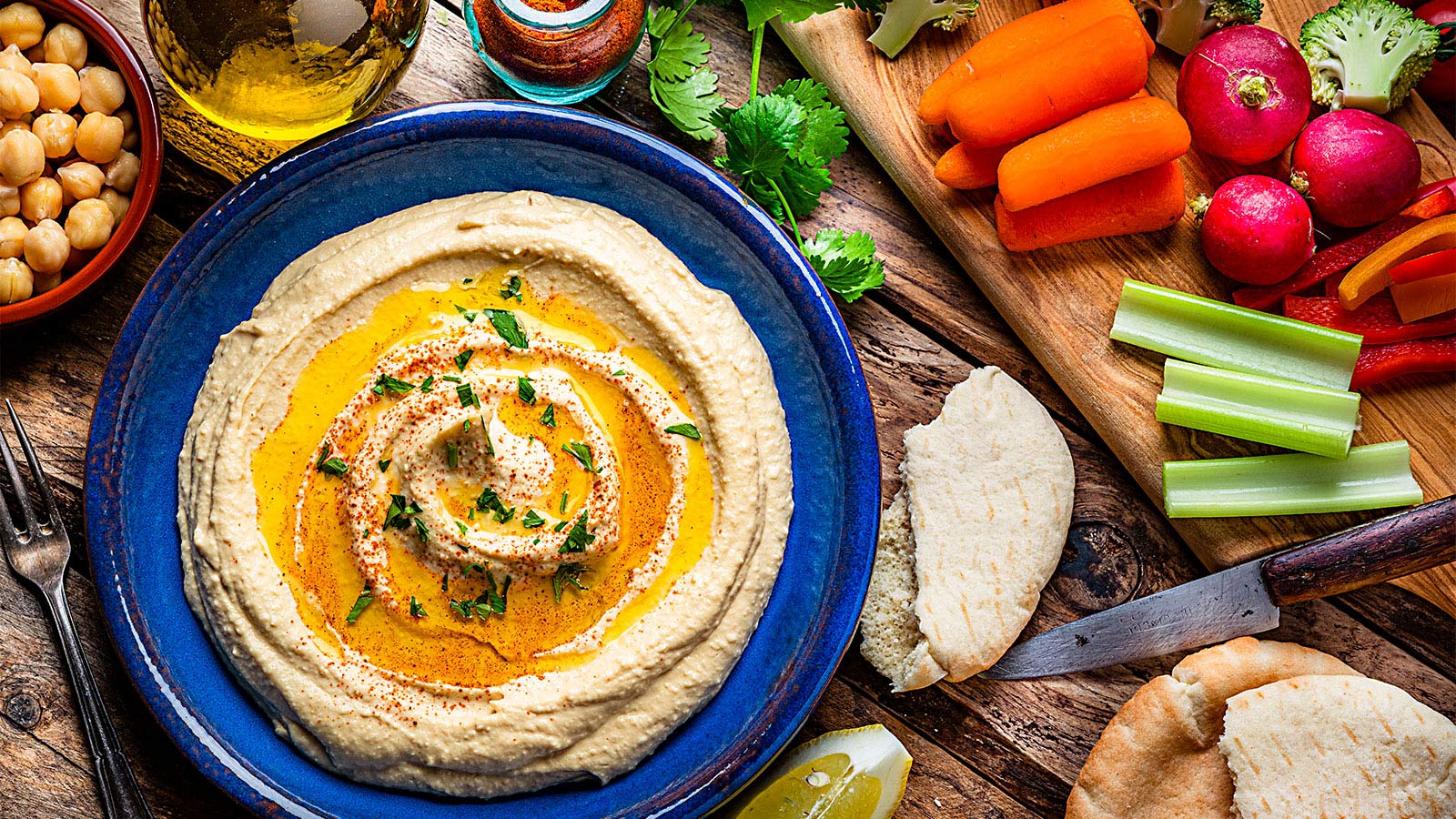
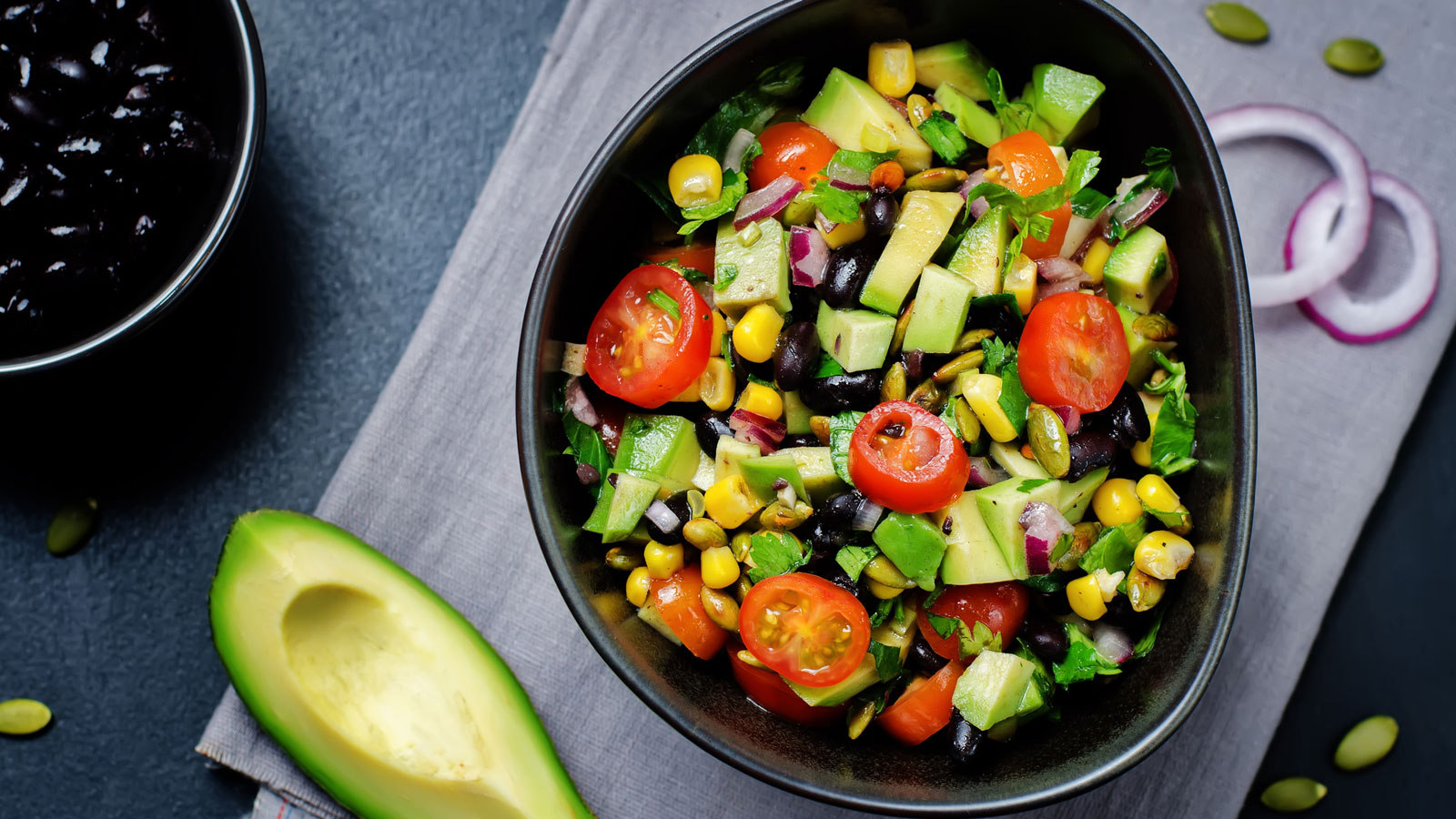
When your inflammation is under control, you may be encouraged to return to a balanced, Mediterranean‑style eating pattern, which emphasizes:
- A wide variety of fruits and vegetables
- Whole grains
- Nuts and seeds
- Lean poultry, eggs, or dairy
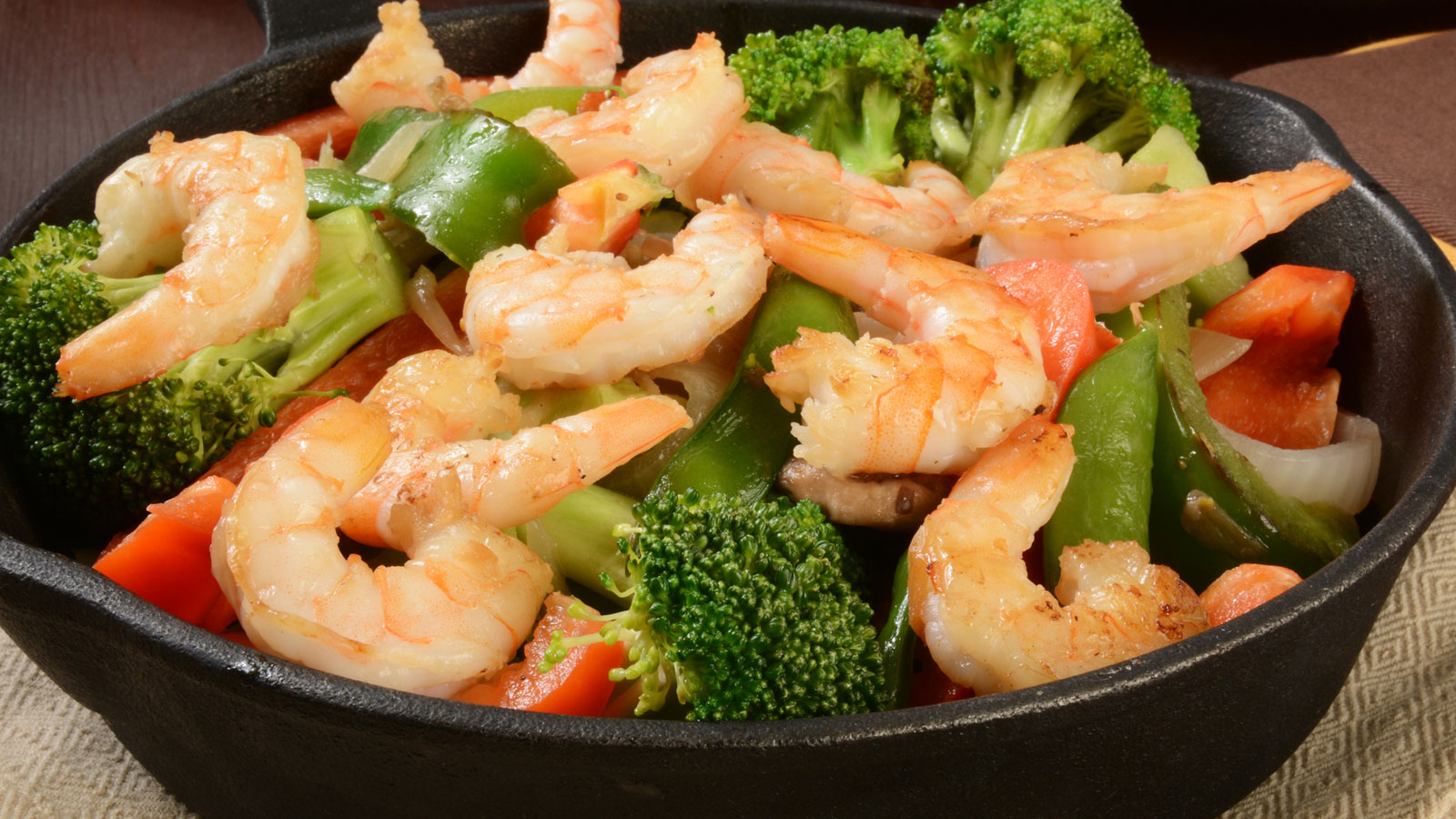
- Fish and seafood
This pattern supports long‑term nutrition and overall gut health.
When to call your doctor
Contact your care team immediately if you experience:
- High fever
- Severe or worsening abdominal pain
- Significant rectal bleeding
- Continued or rapid weight loss
These symptoms may signal complications that require medical evaluation beyond dietary changes.
Discover exclusive IBD care at Virtua Crohn's and Colitis Center
Virtua's Crohn's and Colitis Center is a specialized team led by fellowship-trained gastroenterologists who are experts in the advanced treatment of inflammatory bowel disease. Our center is the first in the region to offer intestinal ultrasound, a noninvasive office-based procedure that helps inform IBD management in real time. Our multidisciplinary team understands what you’re going through and offers the latest medical therapies, nutrition strategies, emotional support, and minimally invasive procedures to help you heal and feel like yourself again.
To schedule an appointment, call 856-291-8680.
There's So Much More to Explore