Renal Denervation Provides Pierre Hope for Long-Term Lower Blood Pressure
Despite diet, exercise, and multiple medications, Pierre Scott struggled with hypertension. Learn how renal denervation helped lower his blood pressure and improve his health.
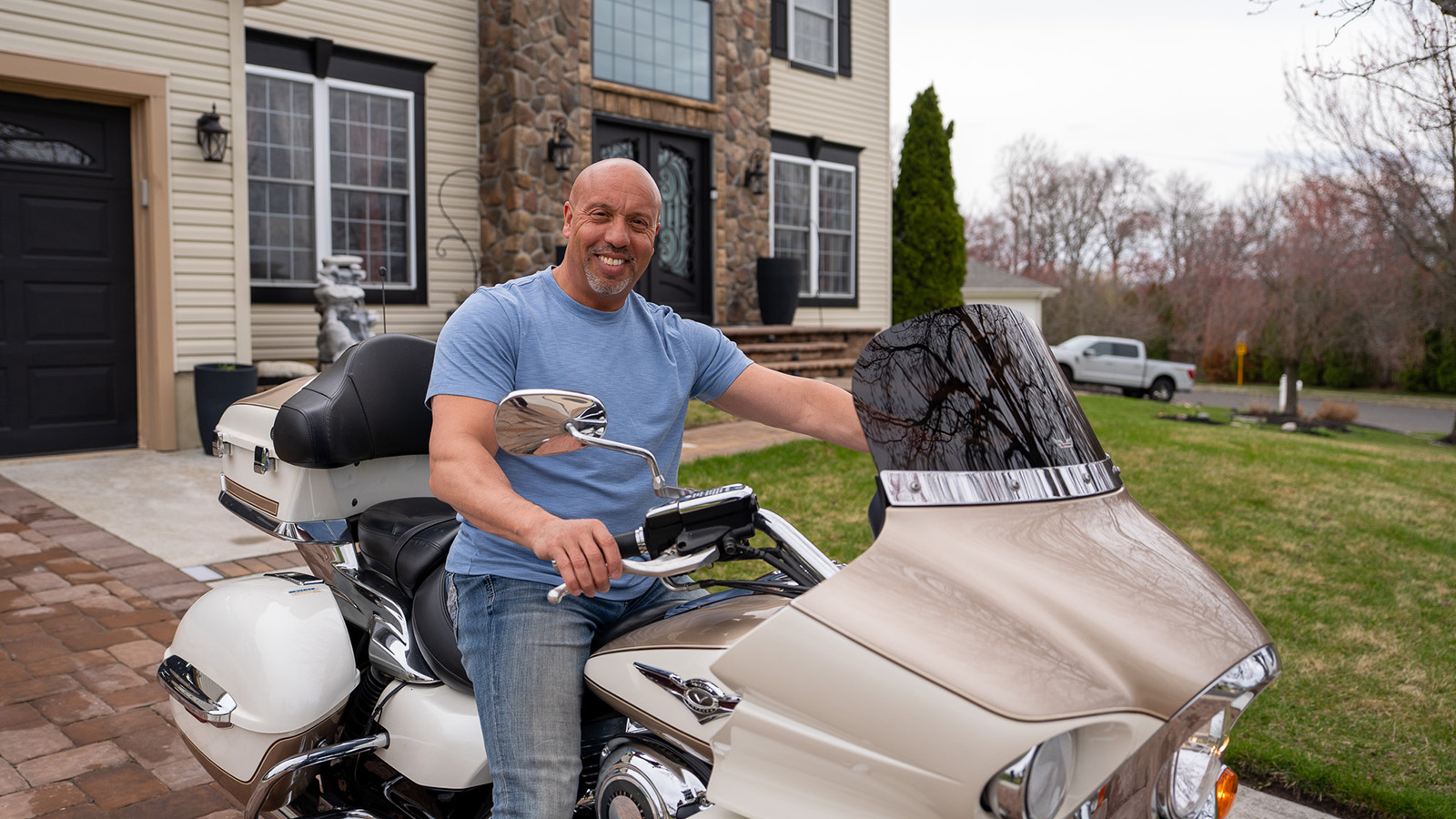
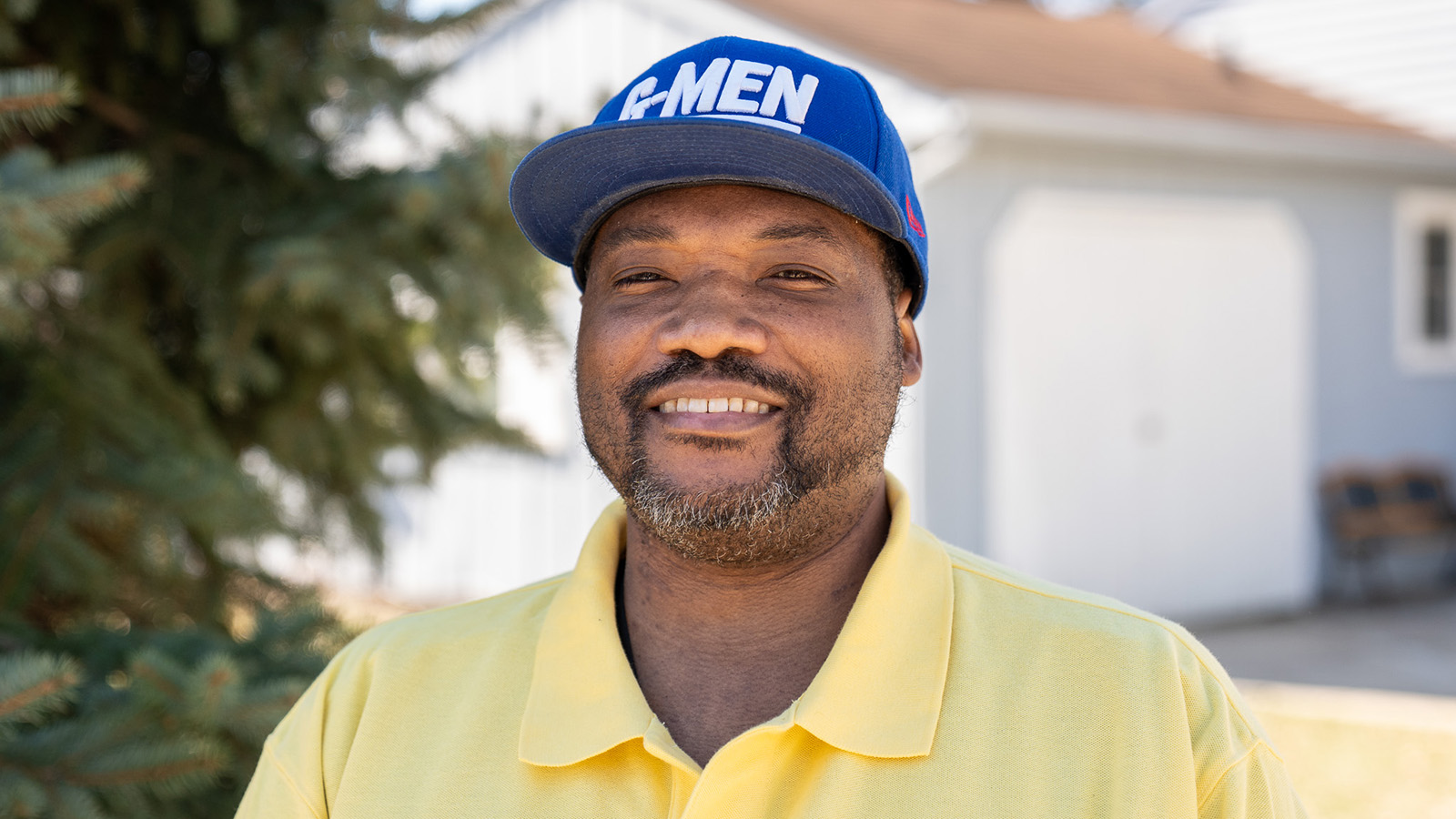
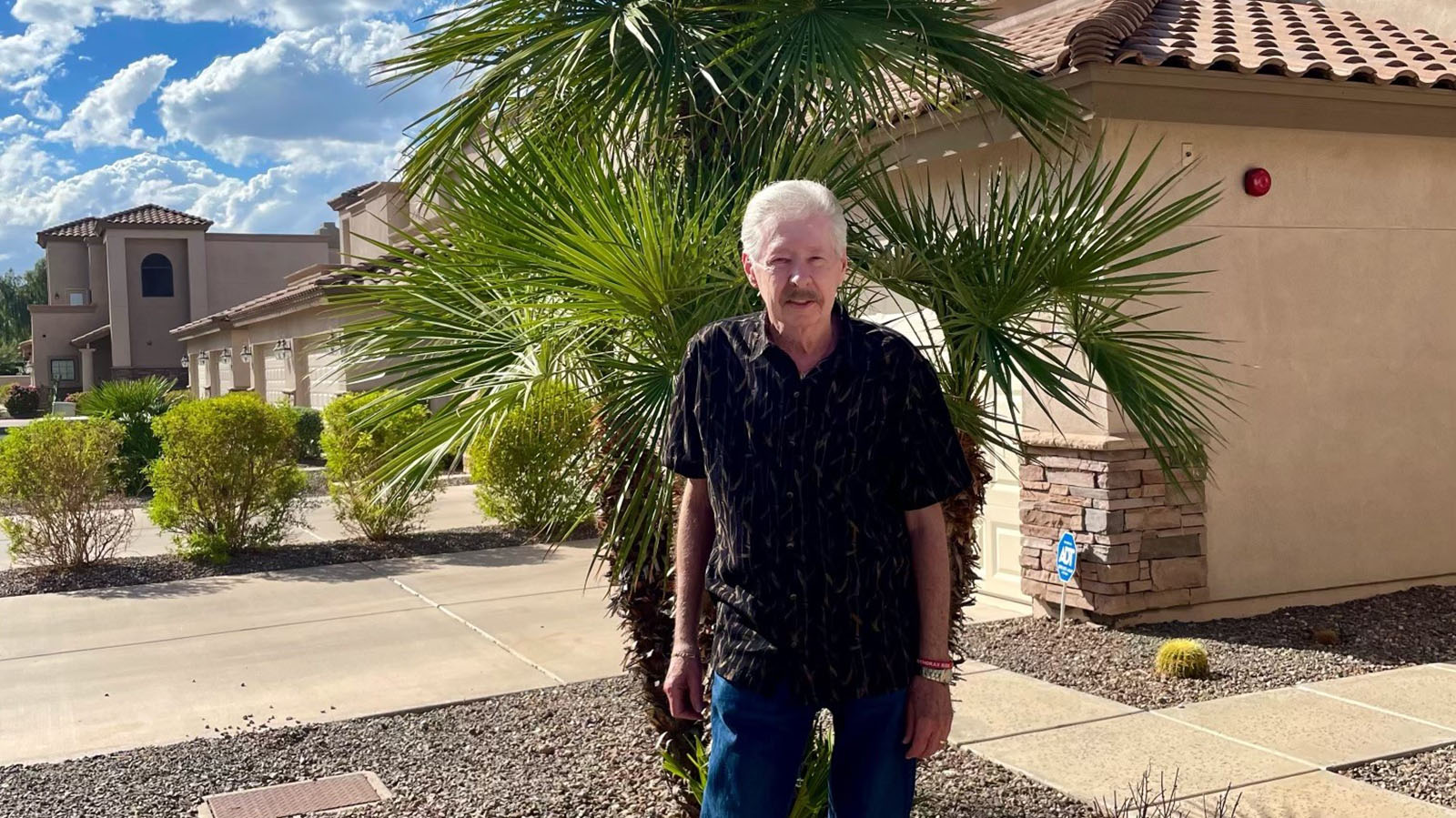
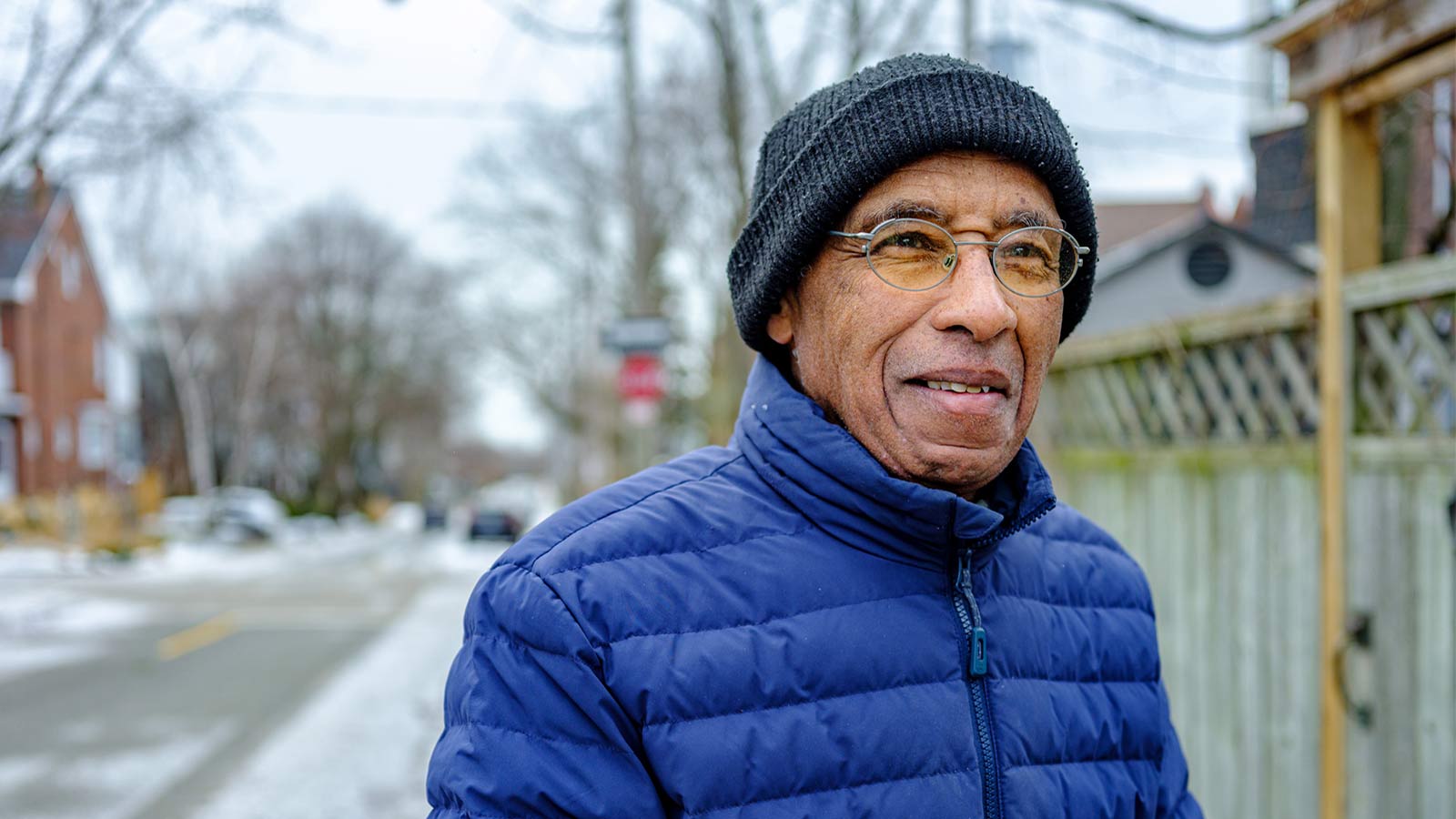
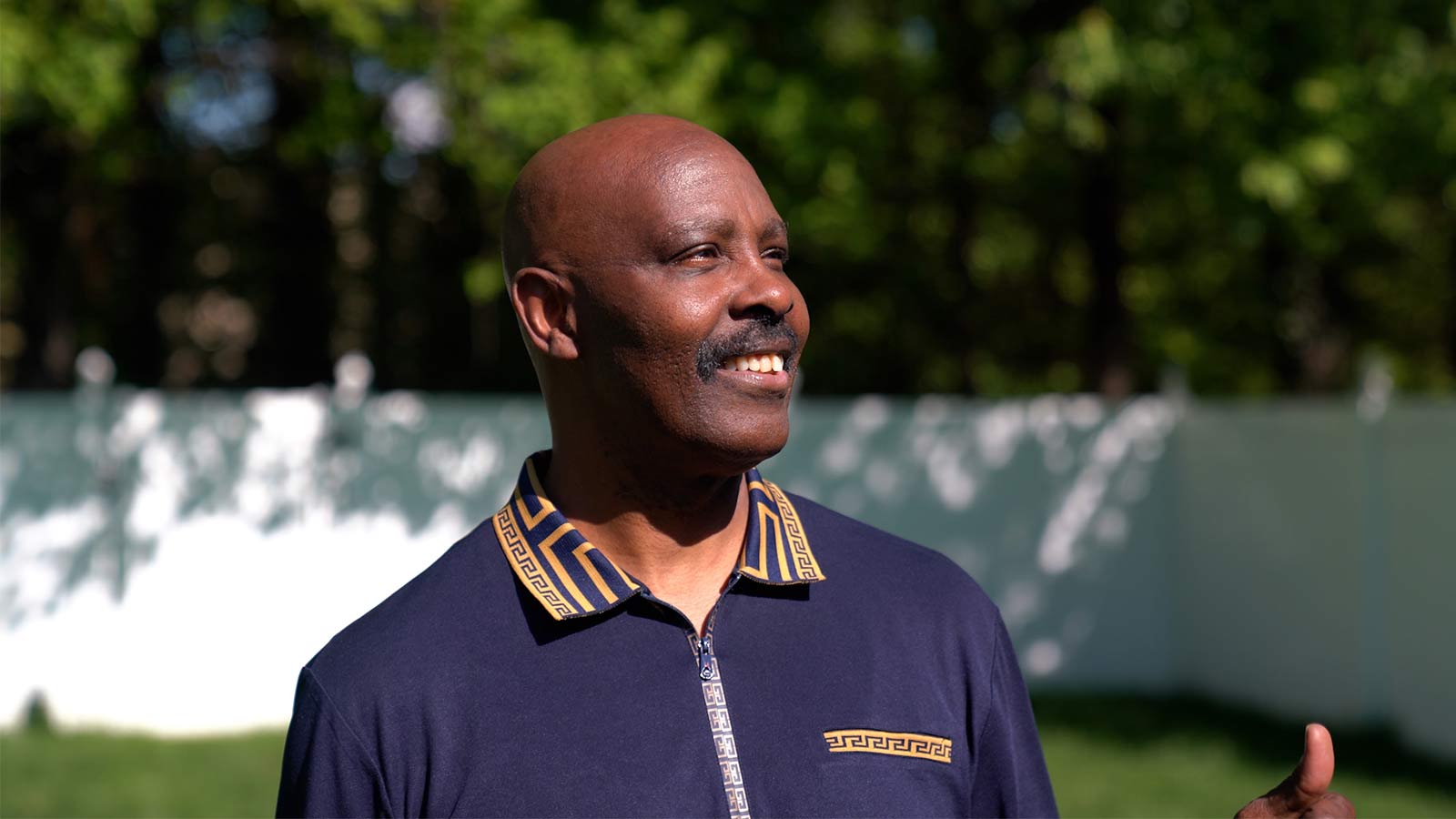
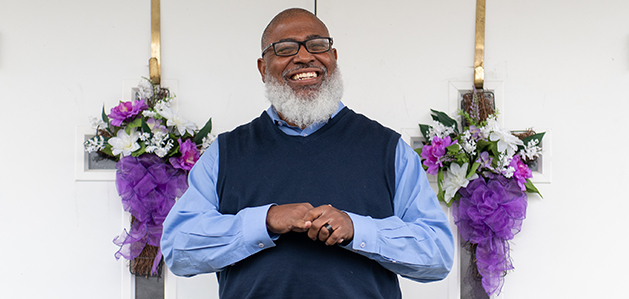
Pierre Scott did all the right things to lower his blood pressure. He exercised, ate a heart-healthy diet and even drank beet juice and spent time in the sauna. But even with those lifestyle efforts and taking four medications, he couldn’t make much of a dent.
“At times I was lethargic; the medications often upset my stomach. Some days when I needed to travel to East Windsor for work, I would have to shake my head to make sure I didn’t nod off while driving due to the impact of being on multiple medications,” said the 59-year-old health care executive from Sicklerville. “I began to get very frustrated and asked my doctor about any potential alternative next steps regarding my blood pressure challenges. That’s when my cardiologist mentioned a new procedure and the possibility that I could participate in a study.”
“Even with taking his medicines religiously, he continued to have high blood pressure,” said Nasser Chaudhry, MD, Pierre’s longtime Virtua cardiologist. “We looked at other causes, like sleep apnea and his diet. I recommended he consider renal denervation.”
What is renal denervation and how does it work?
Approved by the FDA in late 2023, renal denervation works by toning down the sympathetic nerves that run along the kidney arteries.
In part, overactive kidney artery nerves prevent the body from filtering sodium and water from the bloodstream and increase a hormone linked to high blood pressure.
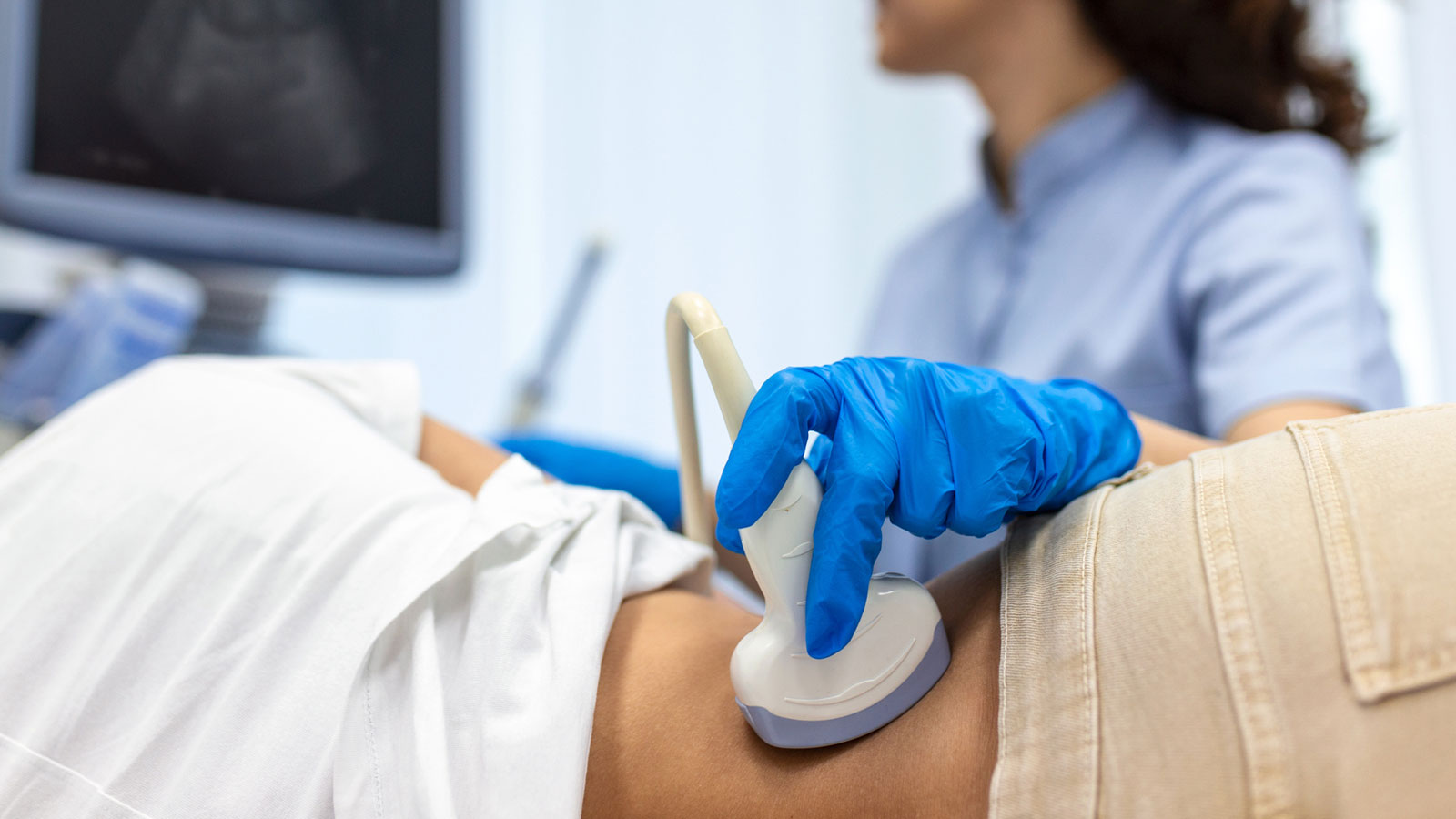
During the procedure, a wire and catheter are threaded from a groin artery to the kidney arteries. The catheter emits short bursts of energy that disrupt the nerves, gradually lowering the individual’s blood pressure.
Pierre underwent renal denervation as part of a trial at Virtua Mount Holly Hospital in October 2024.
“Pierre was very cognizant of his health. He was taking multiple medications, struggling with side effects, and still not able to control his blood pressure,” said Kintur Sanghvi, MD, FACC, FSCAI, Virtua chief of interventional cardiology who participated in clinical trials for the procedure. “He was an ideal candidate for renal denervation.”
“It was completely different from anything I had heard about,” said Pierre. “I was a little nervous, but my daughter was getting married and I would do whatever I could to see her down the aisle.”
Can renal denervation reduce blood pressure and medication use?
Most people begin to see results within several months of the procedure and get their blood pressure under control—at times with the same number of medications, at times with less and in some cases with none at all, said Dr. Sanghvi.
“Hypertension is a highly prevalent and complex disease,” he said. “This procedure gives people hope of needing fewer medications to control their blood pressure.”
It took about six months for Pierre’s blood pressure to gradually drop from a high of 190/110 to a healthier average of 124/84. He’s also been able to reduce the number of blood pressure medicines he takes to two.
“I feel amazing, but more importantly, I don’t think about my high blood pressure as much,” said Pierre. “I’m still super-conscious about my health, but the procedure has provided hope for a real solution to a problem the best minds have tried to figure out. I encourage more people to take advantage of it.”
Are you a candidate for renal denervation?
Tried everything to control your blood pressure but aren’t seeing the desired results? Renal denervation is a game-changing procedure that can positively affect your health. Call 888-847-8823 to connect with a Virtua health navigator.
There's So Much More to Explore