9 Tips for Managing Heart Failure and Living a Healthier Life
Living with heart failure? Discover 9 doctor-recommended tips to manage symptoms, stay active, and improve your quality of life.

By Juan Ortega-Legaspi, MD, PhD, FACC, Cardiologist, Virtua Cardiology
Heart failure is a condition that occurs when the heart cannot pump blood as effectively as it should. But just because you have heart failure doesn’t mean you are unable to enjoy a fulfilling and productive life. Making lifestyle adjustments and closely following your health care team’s treatment plan can help effectively manage your symptoms.
Here are tips that are gentle on effort and big on heart health:
1. Less prep = less stress.
A low-sodium (low-salt), low-fat diet focused on fruits, vegetables, whole grains, and lean proteins can help reduce fluid retention and lower blood pressure. Simplify meals by keeping low-prep foods on hand. Prechopped or frozen produce is perfect for easy, heart-healthy cooking.
2. Use a pill organizer.
A pill box will help take the guesswork out of what to take and when. Setting an alarm or phone reminder can help, too.
3. Track symptoms the easy way.
No need for a fancy spreadsheet (unless that’s your thing). Take time to find whatever works best for you. You might try using a printed chart to track your symptoms daily.
4. Do a daily morning weigh-in.
To catch changes earlier, check your weight every day. Step on the scale after using the bathroom but before eating or drinking. Wear the same amount of clothing, or none at all, to reduce variability. Contact your doctor if you gain 2 pounds in one day, as that can be a sign of fluid buildup.
5. Move with purpose.
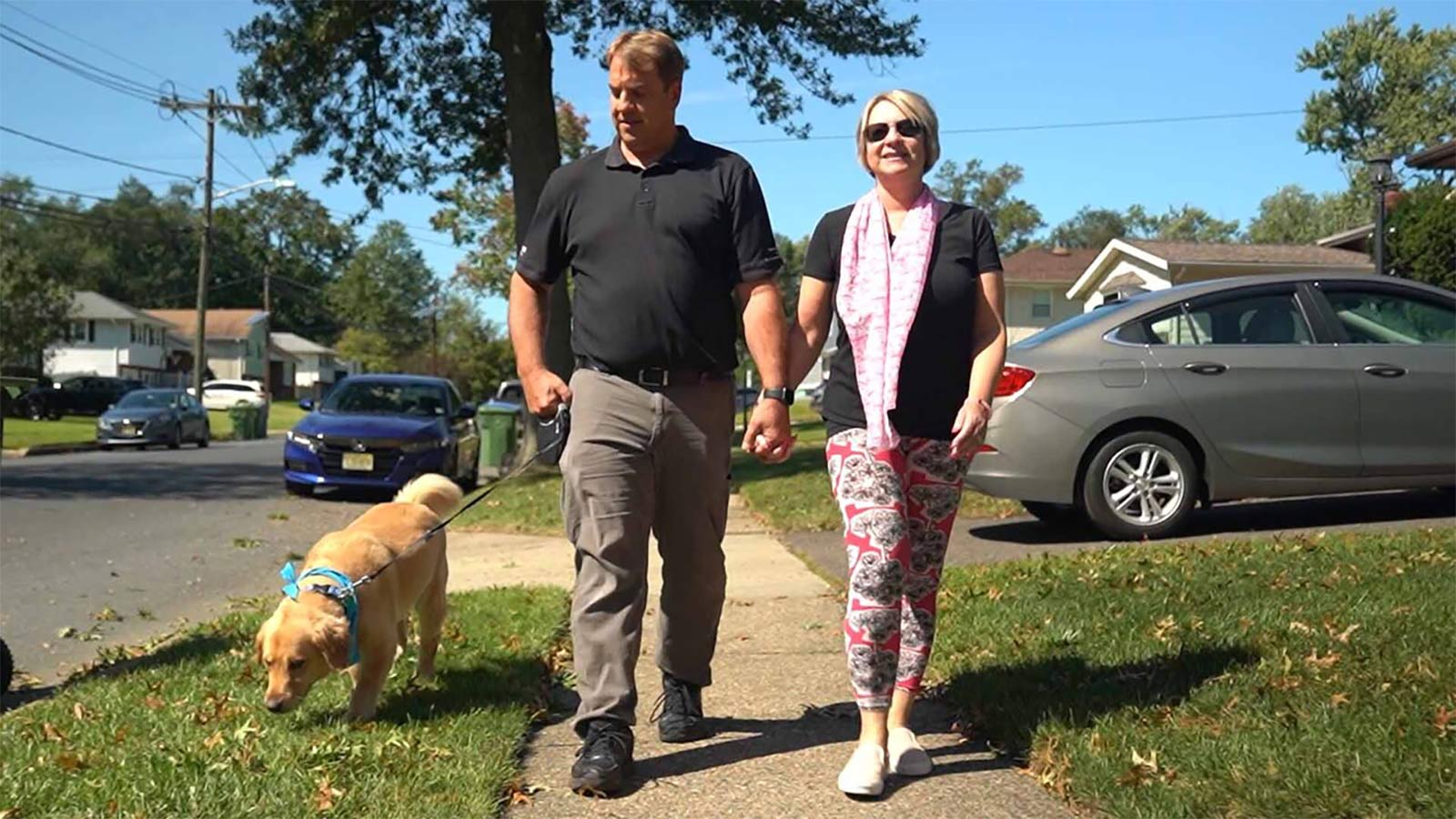
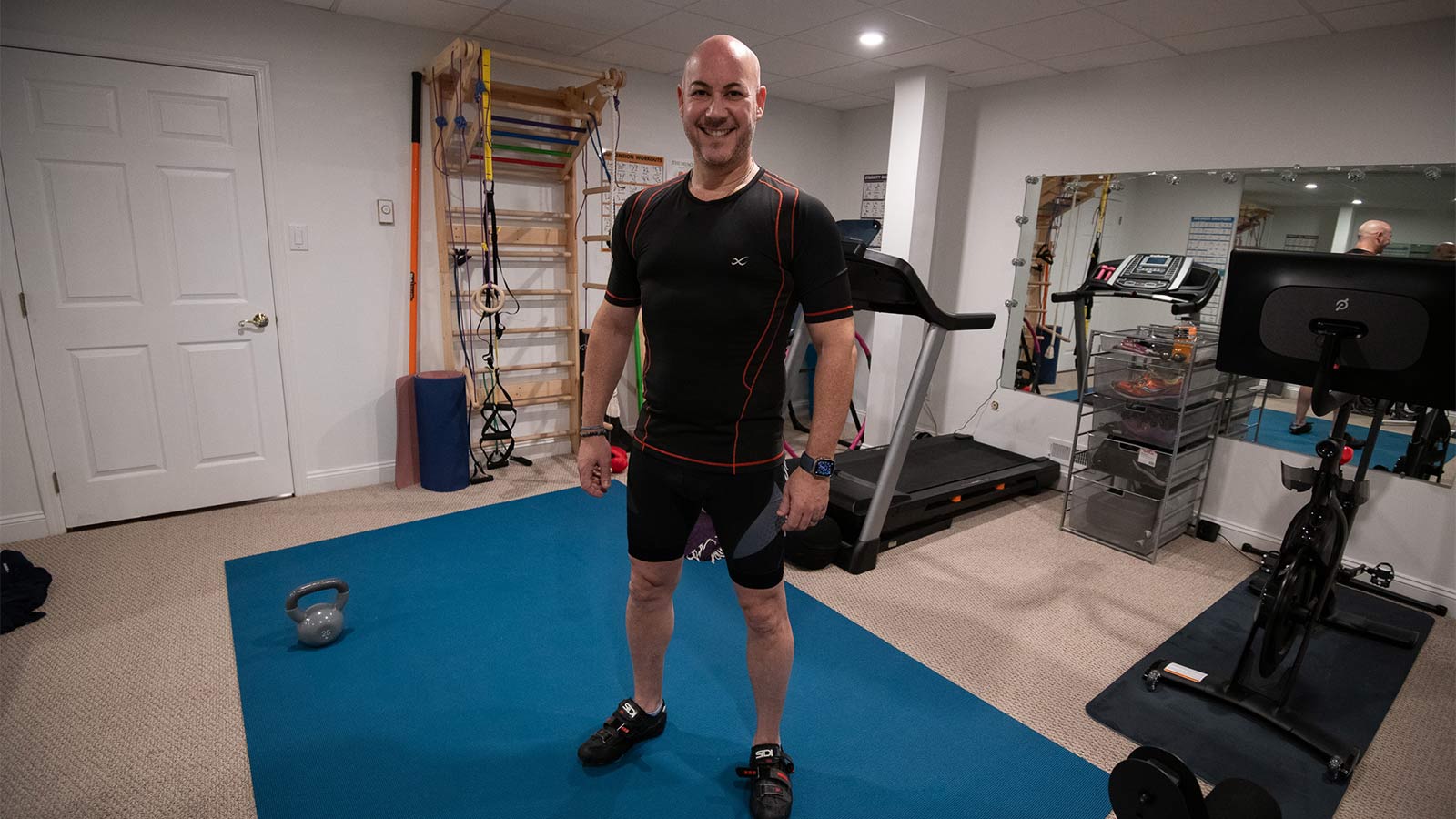
Exercise strengthens your heart and improves your overall health. Walking, swimming, stretching, strength training, yoga, and tai chi are all helpful. Check with your care team if you’re not sure which activity to choose.
6. Pace yourself.
Don’t power through task after task. Do one thing, rest, then tackle the next. You’re not slow; you’re strategic.
7. Rest and de-stress.
Stress makes your heart work harder, so it’s important to find ways to relax. Guided meditation or 15 minutes of quiet time each day could work for you.
8. Ask for help.
Managing heart failure can feel like a lot of work, and it’s normal to experience a range of emotions. Don’t hesitate to reach out to friends, family, a therapist, or a support group for help.
9. Keep your appointments.
Regular checkups are essential for monitoring your condition and adjusting your treatment plan if needed. Ask a loved one or caregiver to attend, too.
Pay attention to your body and let your team know of any challenges you may be having. They’ll address your needs and help you live more comfortably.
Make an appointment with a Virtua cardiologist.
If you're experiencing symptoms of heart failure or need help managing an existing diagnosis, a Virtua cardiologist can help develop a personalized treatment plan. Schedule an appointment with a Virtua heart specialist by calling 888-847-8823.
There's So Much More to Explore