New Barrett's Esophagus Test Lessens Steve's Risk of Esophageal Cancer
Long-term acid reflux can lead to Barrett’s esophagus, a condition that increases the risk of esophageal cancer. New advancements like TissueCypher testing are helping physicians better assess risk and guide treatment before cancer develops.
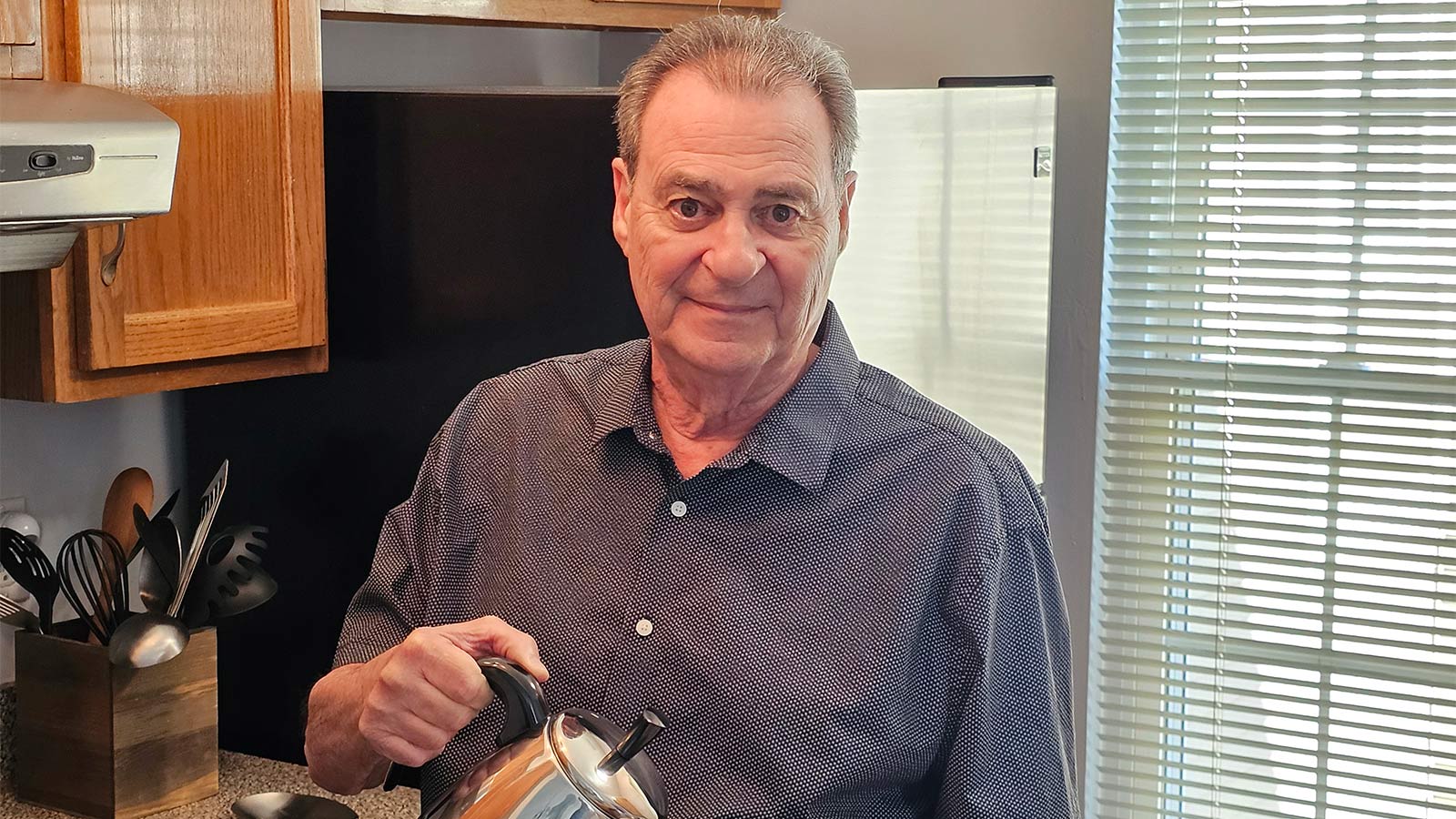
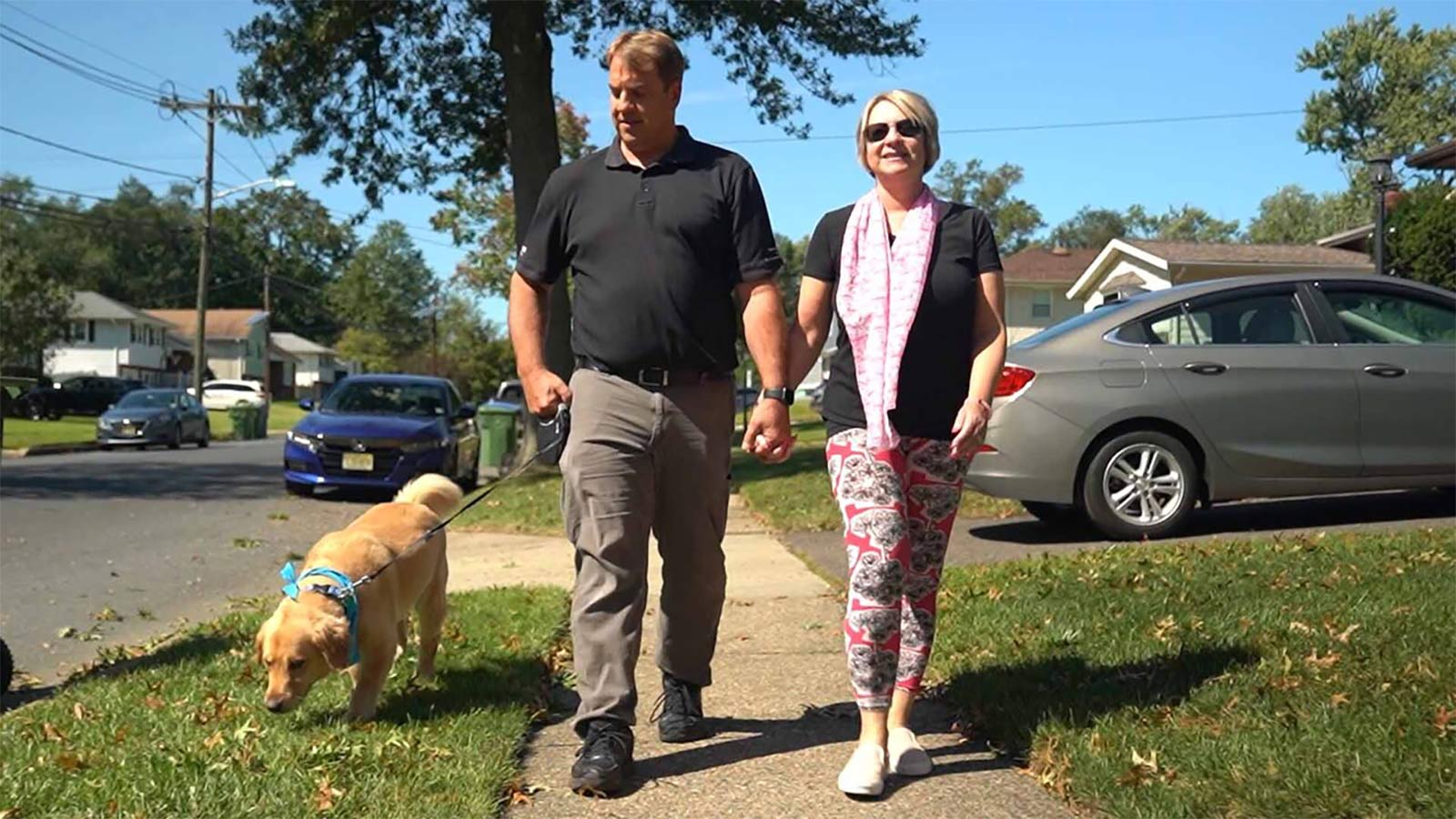
For most of his life, Steve Oakley thought his daily battle with heartburn was simply an inconvenience. The 59-year-old Maple Shade resident kept a steady supply of antacids on hand and assumed his gastrointestinal reflux was just part of his normal routine.
“I spent most of my life taking Tums to help with the heartburn I experienced almost every day,” he said. “I never knew that my heartburn could lead to cancer.”
That changed seven years ago when an upper endoscopy—a procedure that allows physicians to examine the esophagus, stomach, and upper digestive tract—revealed that Steve had Barrett’s esophagus.
The condition, often caused by long-term reflux, can increase the risk of developing esophageal cancer. Steve began taking omeprazole, a proton pump inhibitor that reduces stomach acid and helps heal irritation in the esophagus.
What is the TissueCypher test?
During a recent follow-up endoscopy, Steve’s care team added a TissueCypher® risk assessment to his evaluation. TissueCypher is an advanced diagnostic tool that analyzes tissue samples to determine a patient’s individualized risk of progression to esophageal cancer within five years.
Virtua is the first health system in the region to ensure that every patient with Barrett’s undergoing a routine endoscopy benefits from this precision medicine test, enabling more accurate staging and personalized treatment plans.
Steve’s results placed him in the high-risk category, which prompted a referral to Zubair Malik, MD, medical director of the Virtua Motility & GERD Program. Additional biopsies found abnormal cells were present—an early warning sign that cancer could develop.
How TissueCypher helped decide Steve’s treatment
To reduce that risk, Steve underwent a Barrett’s ablation, a procedure that uses radiofrequency energy to destroy abnormal cells in the esophagus. The treatment not only lowers the chance of cancer, but can also improve symptoms of reflux.
“TissueCypher is a game changer for Barrett’s esophagus patients,” said Dr. Malik. “The ability of the technology to assist in the prediction, prevention, and treatment of the disease has the potential to save lives.”
Steve recently had additional ablations, and if biopsies continue to show healthy tissue, he will transition to long-term monitoring, including an annual endoscopy. Eventually, he may undergo endoscopies less frequently.
Technology reduces the risk for esophageal cancer
Reflecting on his experience, Steve is grateful for how far diagnostic technology has come since his first endoscopy.
“It is amazing that, in the seven years since my first upper endoscopy, this technology has become available to patients like me,” he said. “I truly believe that Dr. Malik and TissueCypher saved my life.”
Make an appointment with a Virtua GI specialist
Virtua’s GI and Digestive Health’s team of more than 50 gastroenterologists provide comprehensive treatments for the issues affecting your gut. Click here to make an appointment online
There's So Much More to Explore