Over 50? Why You Should Get the Shingles Vaccine
Had chickenpox? The virus may still be in your body. Learn how the shingles vaccine can help protect your health after age 50.

By Gracy Coutinho, APN, Family Medicine Nurse Practitioner, Virtua Primary Care
If you had chickenpox, it’s hard to forget the itchy rash that spread all over your body and lasted for weeks.
While those red spots are gone, the varicella zoster virus that caused chickenpox never left you. It’s lying dormant in the nerve roots near the brain and spinal cord, ready to reemerge as shingles when you least expect it.
The good news is there’s a vaccine that is highly effective in keeping you safe from developing shingles.
What does shingles look and feel like?
Shingles affects one in three people in the United States. Most people get it only once, although it can occur multiple times, especially if you are not vaccinated.
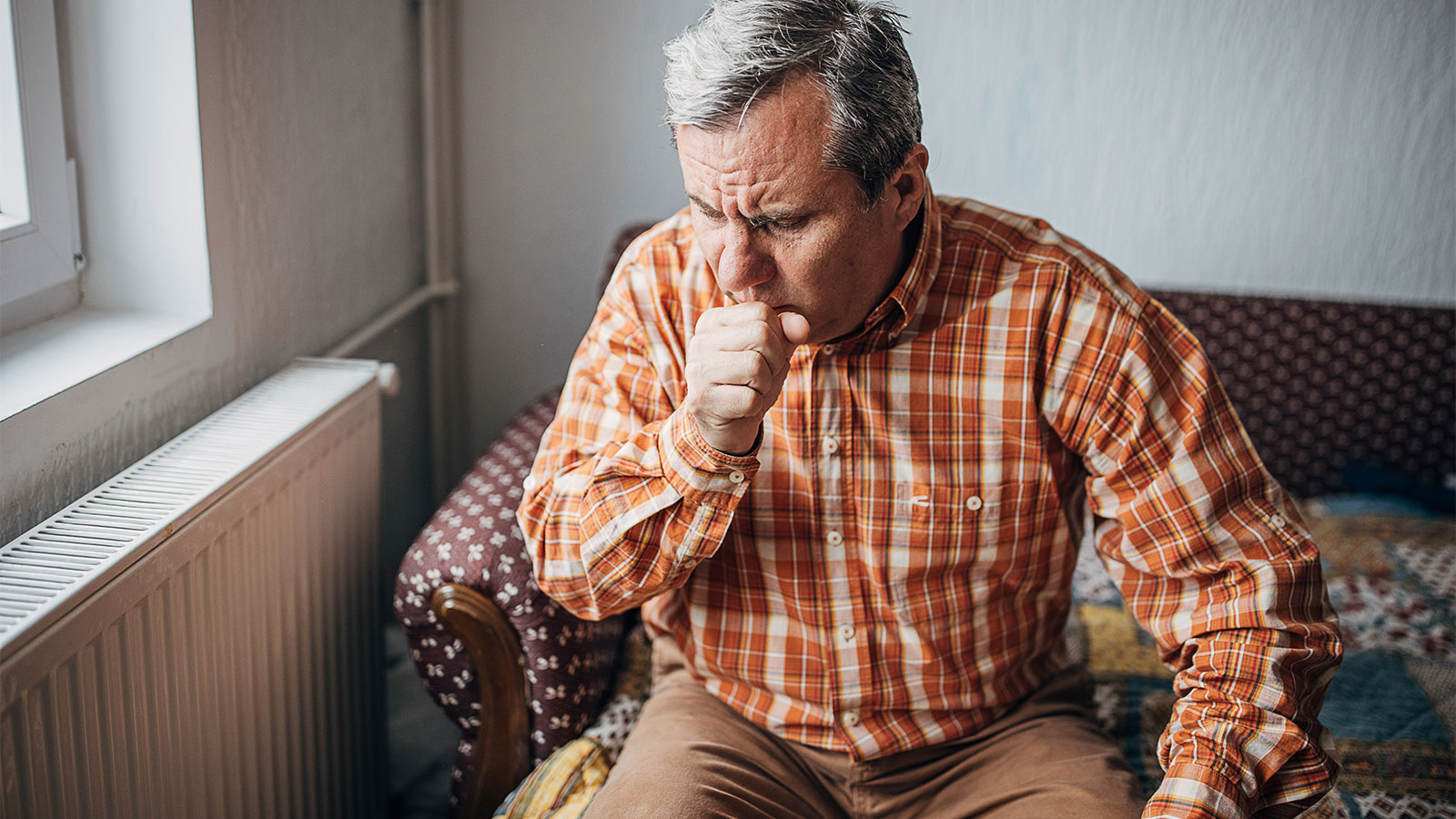
Because the virus lives in nerve tissue, when it reactivates—possibly caused by stress, aging, or a weakening of the immune system—it can feel like a knife-stabbing pain or burning sensation on your skin.
Most people experience pain before a rash appears, often causing anxiety as you try to determine what is affecting you. The rash can appear as small blisters that may be mistaken for poison ivy.
The blisters are typically limited to one side of the body, and may be a stripe that wraps around your left or right side. Until the blisters scab over in seven to 10 days, you are considered contagious and can spread the virus to others.
In addition to the rash, you also may experience fever, headache, chills, and upset stomach. The most common complication, especially for older individuals, is post-herpetic neuralgia, a long-lasting, debilitating pain.
How is shingles treated?
The rash will ultimately disappear in about a month. Antiviral and pain medicines can shorten the duration of the virus and reduce the discomfort you may experience.
You also can help relieve the itching with:
- Wet compresses
- Calamine lotion
- Baths with colloidal oatmeal
When should I get my shingles shot?
The risk of shingles rises significantly after age 50. That’s why doctors recommend everyone 50 and older receive two doses of the shingles vaccine, called Shingrix. The shots are given two to six months apart. You should be vaccinated even if you don’t remember if you had chickenpox.
Shingrix is not egg-based and does not contain the preservative thimerosal. The most common side effects are fatigue, muscle aches, fever, and tenderness at the injection site.
If you had the previously recommended Zostravax vaccine, talk to your doctor to see if you would benefit from Shingrix.
The pain from shingles can last for months, even years. And as the herpes zoster virus affects the central nervous system, you can have a blistering rash and paralysis of your face, hearing and vision loss, vertigo, tinnitus, and other long-term complications. So, if you are 50 are over, get the vaccine.
Make your vaccine appointment!
Virtua primary care clinicians care about your health and well-being as much as you do. Schedule a primary care appointment online or call 888-847-8823.
There's So Much More to Explore