Why Follow-Up Care After an Emergency Room Visit Matters
The emergency may be over, but your recovery is just beginning. Learn why following up after an emergency room visit can help ensure you're healing properly, prevent complications, and keep your health on track.
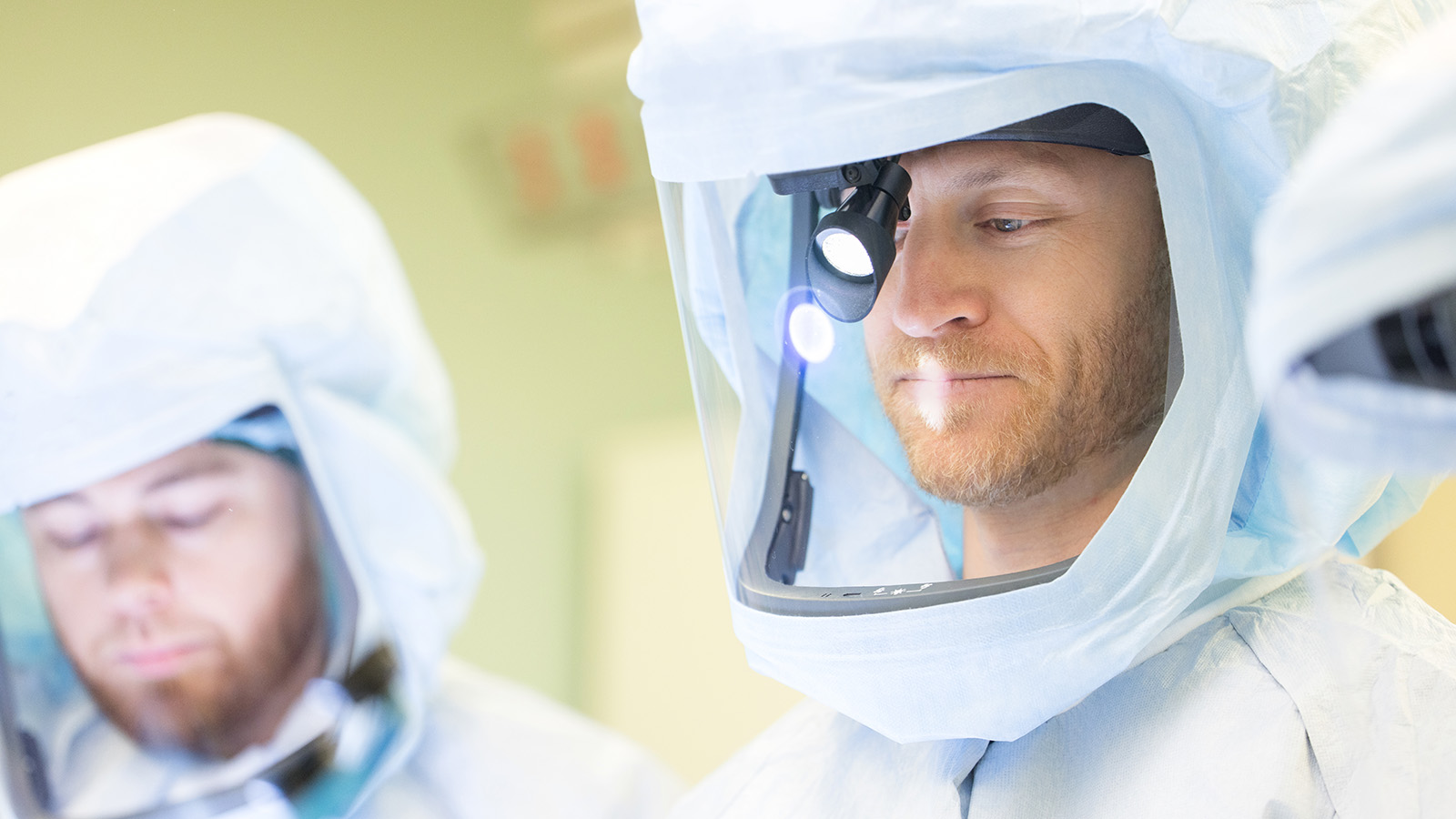
By Roy A. Shubert, MD, Emergency Medicine, Virtua Mount Holly Hospital
As an emergency physician, I've cared for people during some of life's most unexpected moments.
A fall from a ladder while cleaning the gutters. Chest pain that suddenly starts during dinner. A child with a high fever in the middle of the night. A kitchen knife that slips while making dinner. A painful kidney stone that seems to come out of nowhere.
Every day, emergency departments care for patients facing illnesses and injuries that need immediate attention. Our job is to quickly evaluate what's happening, rule out or treat life-threatening conditions, stabilize you, and help you take the next steps toward recovery.
For many patients, that next step includes following up with a primary care provider or specialist.
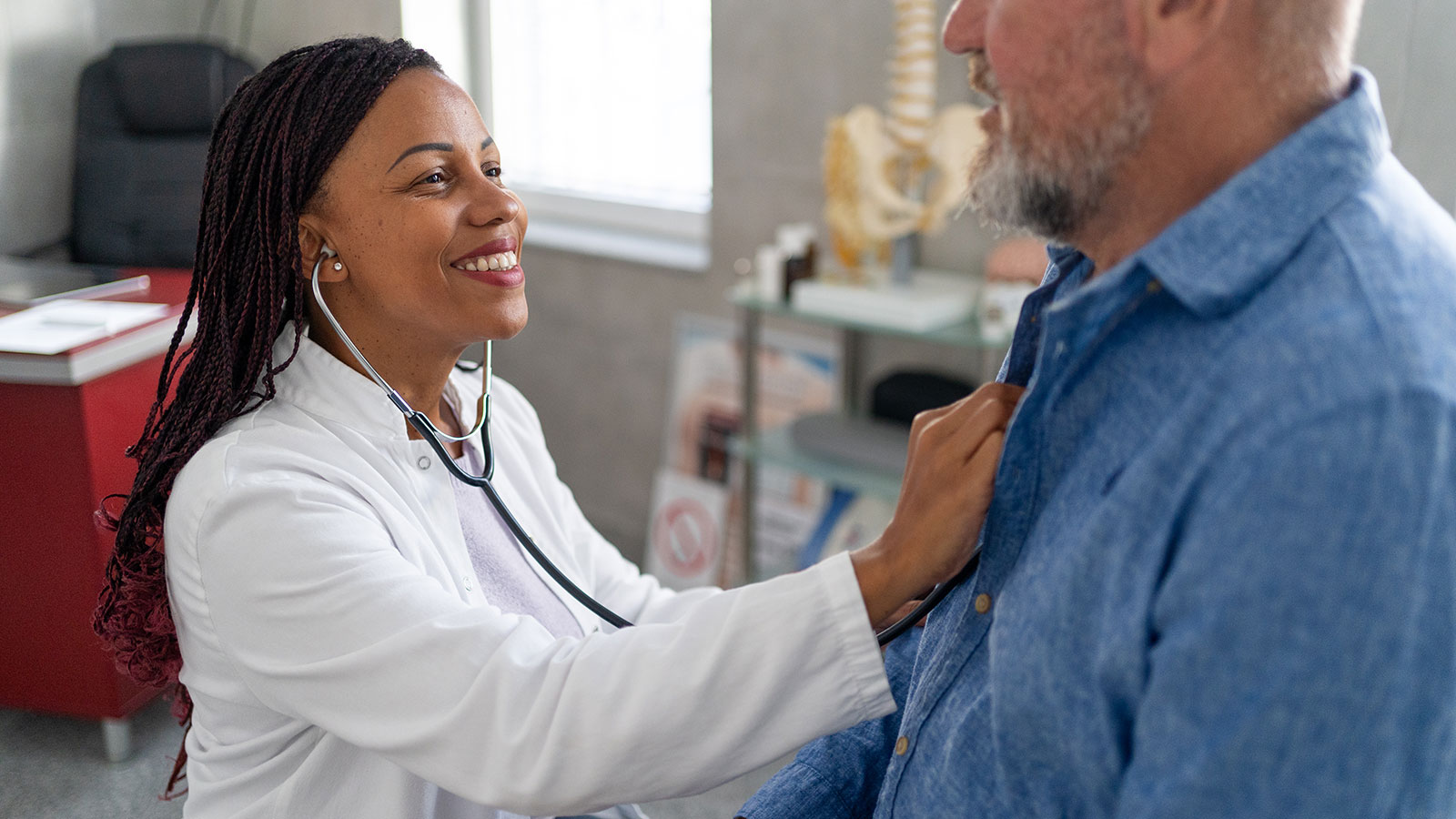
A follow-up appointment may seem like one more thing to add to your calendar, but it can make a meaningful difference in your recovery. Whether it's ensuring an injury is healing properly, reviewing an unexpected finding, or helping connect you with the right ongoing care, that next step is an important part of getting—and staying—healthy.
Healing from an ER visit takes time—even after you leave the hospital
Leaving the emergency room is often a huge relief. The emergency has been treated, you've been given a plan, and you're finally headed home.
But that doesn't always mean you're fully on the road to recovery.
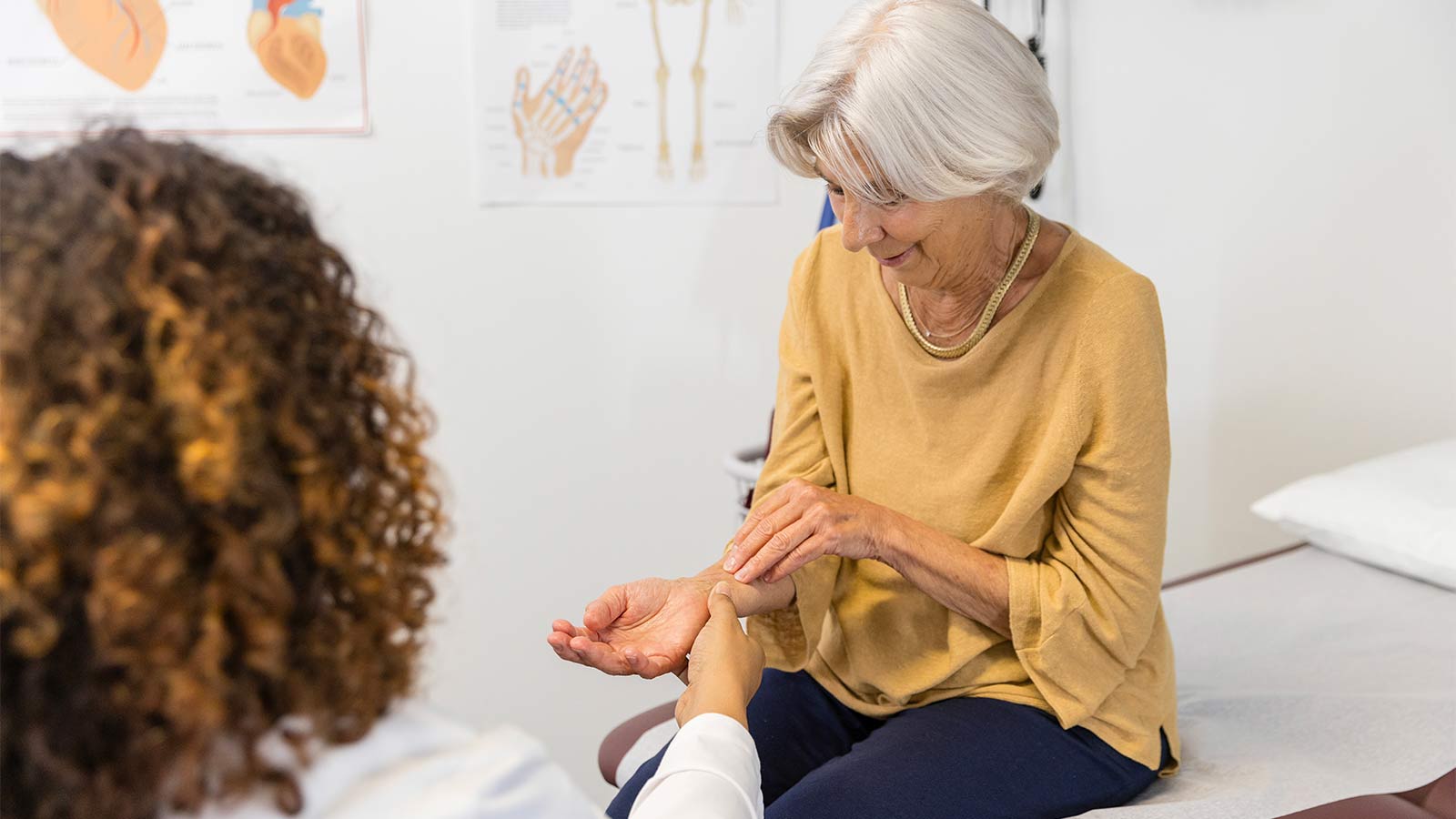
I often remind patients that healing takes time. A broken bone still needs to mend. A concussion needs to be monitored. Even a cut that required stitches or a bad sprain can change over the next few days. Follow-up care gives your primary care provider a chance to make sure everything is healing the way it should—and step in if it's not.
Depending on why you came to the emergency room, a follow-up visit might include:
- Checking that a broken bone is healing correctly
- Looking for signs of infection or delayed healing
- Ordering additional tests to determine the cause
- Referring you to physical therapy
- Referring you to a specialist for advanced treatment
- Helping you know when it's safe to get back to work, sports, or your normal routine
Most of the time, follow-up is simply a way to make sure your recovery stays on track. And if something isn't healing as expected, it's much easier to address it sooner rather than later.
Some answers can't be found in one emergency room visit
Many people expect to leave the emergency room with a clear diagnosis and all the answers. Sometimes that happens—but not always.
One of the most important jobs of the emergency department is to quickly determine whether you're experiencing a life-threatening emergency. If you come in with chest pain, we're looking for signs of a heart attack. If you've fainted, we're making sure there isn't a serious issue like a dangerous heart rhythm. If you're experiencing severe abdominal pain, we're looking for conditions that need immediate treatment or surgery.
Once those emergencies have been ruled out, the next step is often figuring out why your symptoms happened in the first place. That's where follow-up care becomes so important.
I often tell patients that the emergency room answers the most urgent question: "Is this an emergency?" Your primary care provider or specialist helps answer the next one: "What's causing this, and what do we do about it?" Working together, we can make sure you not only get through the emergency, but also understand what comes next.
In some situations, follow-up happens much sooner. If your emergency room evaluation identifies a condition that needs prompt specialty care—such as certain cancers, serious heart conditions, or other urgent diagnoses—you may meet with a specialist before you leave the hospital or have your follow-up arranged before you're discharged. Depending on your diagnosis and treatment plan, the emergency department team works closely with hospital specialists to help ensure you receive the right care as quickly as possible.
Your ER visit may reveal more than you expected
Sometimes, the most important thing we discover in the emergency room isn't the reason you came in.
Let's say you came in after a fall and a CT scan showed a small spot on your lung. Or maybe you were treated for dehydration, but your blood work revealed elevated blood sugar. These are called incidental findings—health concerns that are discovered while we're looking for something else.
While these findings usually aren't emergencies, they can be important clues about your overall health. Following up with your primary care provider gives you the opportunity to learn more, complete any recommended testing, and decide whether treatment is needed.
It's understandable to focus on the reason that brought you to the emergency room. But don't let an unexpected finding become an overlooked one. Scheduling a follow-up appointment can help ensure nothing important falls through the cracks.
Take the next step in your care
An emergency room visit is often just one chapter in your health care journey.
Following up with a primary care provider or specialist can help make sure you're healing as expected, your treatment is working, and any next steps in your care aren't overlooked.
If you already have a primary care provider, be sure to schedule the follow-up appointment recommended in your discharge instructions. If you don't have one, establishing care with a Virtua Primary Care provider is a great place to start. They can review your emergency room visit, answer your questions, and connect you with a specialist if additional care is needed.
Taking that next step can help you recover with confidence and stay healthier in the long run.
There's So Much More to Explore