How to Get More Vitamin D: Benefits, Foods and Other Sources
Getting enough vitamin D can be harder when you spend less time in the sun. Learn why vitamin D matters and simple ways to get more year-round.

By Tracie Murphy, MS, RD, Virtua Nutrition & Diabetes Care
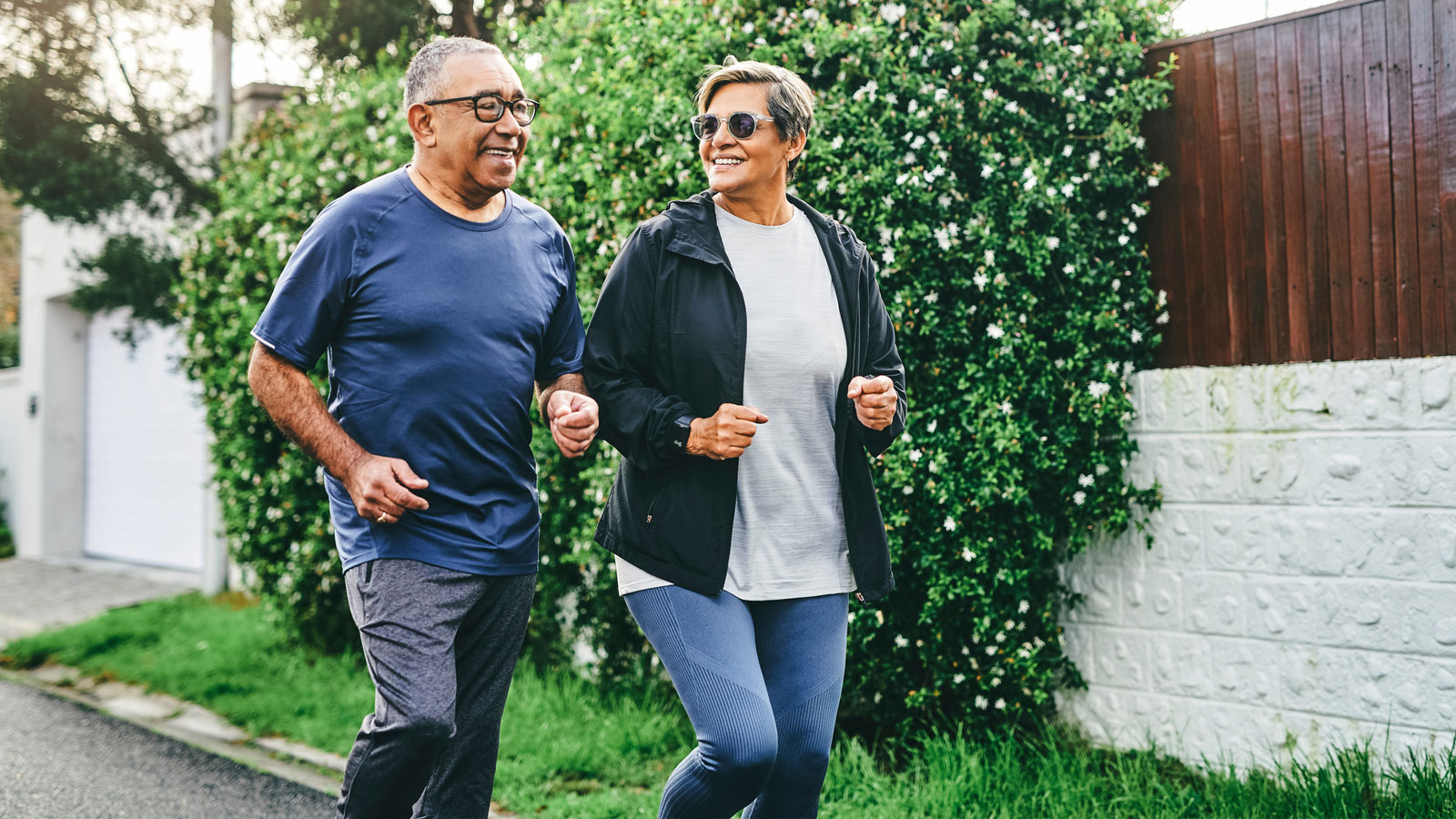
As the days get shorter and temperatures drop, you might find yourself spending a lot less time outside. After all, the couch, a warm blanket, and your latest streaming obsession can be pretty convincing reasons to stay indoors.
But there’s one thing you may be getting less of while you’re getting cozy: vitamin D.
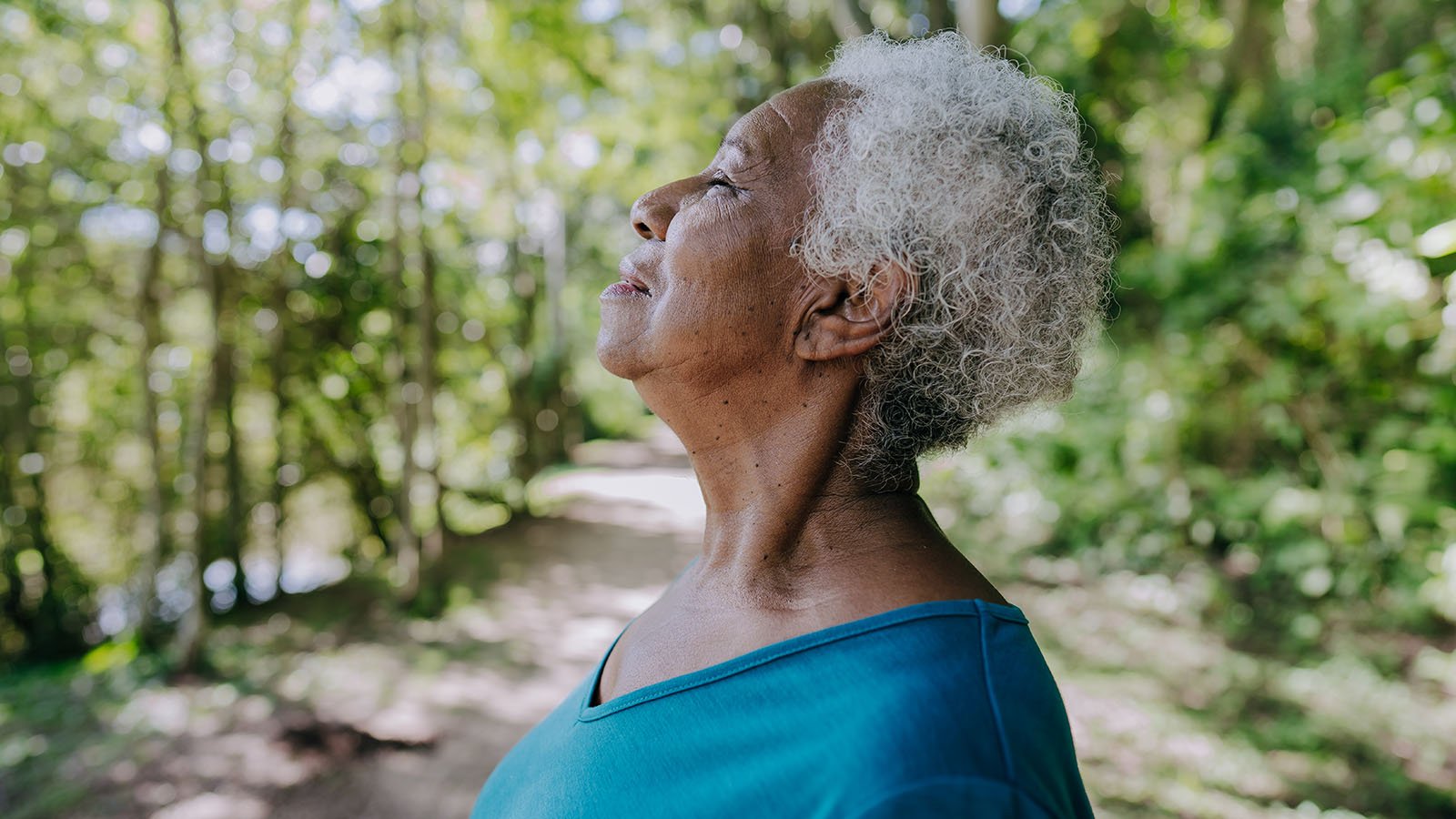
Often called the “sunshine vitamin,” vitamin D is produced by your body when your skin is exposed to sunlight. And while you may not think about it as often as other nutrients, vitamin D plays an important role in everything from keeping your bones strong to supporting your immune system.
So, what happens when sunshine is harder to come by? Fortunately, there are other ways to help your body get the vitamin D it needs.
Why is vitamin D important?
Vitamin D may be famous for its relationship with sunshine, but it does a lot more than give you an excuse to step outside.
Vitamin D helps your body absorb calcium, making it particularly important for maintaining strong bones and teeth. It also plays a role in immune function and other processes throughout the body.
Research has linked optimal vitamin D levels with several aspects of health, including:
- Strong bones and teeth
- Healthy immune function
- Heart health
- Blood sugar regulation
- Mood and cognitive function
Vitamin D comes in two main forms: vitamin D2 and vitamin D3. D2 is commonly found in fortified foods and some supplements, while D3 is produced by your skin in response to sunlight and is also found in certain animal-based foods.
Both can contribute to your vitamin D intake, although D3 may be more effective at raising and maintaining vitamin D levels in the body.
What are the signs of vitamin D deficiency?
Here’s the tricky part about vitamin D: You might not know you're running low.
Some people with vitamin D deficiency don't experience obvious symptoms. When symptoms do occur, they can be easy to brush off or blame on something else.
Signs of low vitamin D can include:
- Fatigue
- Muscle pain or weakness
- Bone pain or weakness
- Mood changes
Low vitamin D levels have also been associated with several health conditions. However, having low vitamin D doesn't necessarily mean it caused a particular condition. If you're concerned about your vitamin D levels or experiencing symptoms, talk with your health care provider. They can help determine whether testing is appropriate.
How much vitamin D do you need?
When it comes to vitamin D, more isn't necessarily better.
The amount you need can vary based on factors such as your age. Most adults should aim for 600 international units (IU) of vitamin D per day, while adults over age 70 should aim for 800 IU per day.
What foods are high in vitamin D?
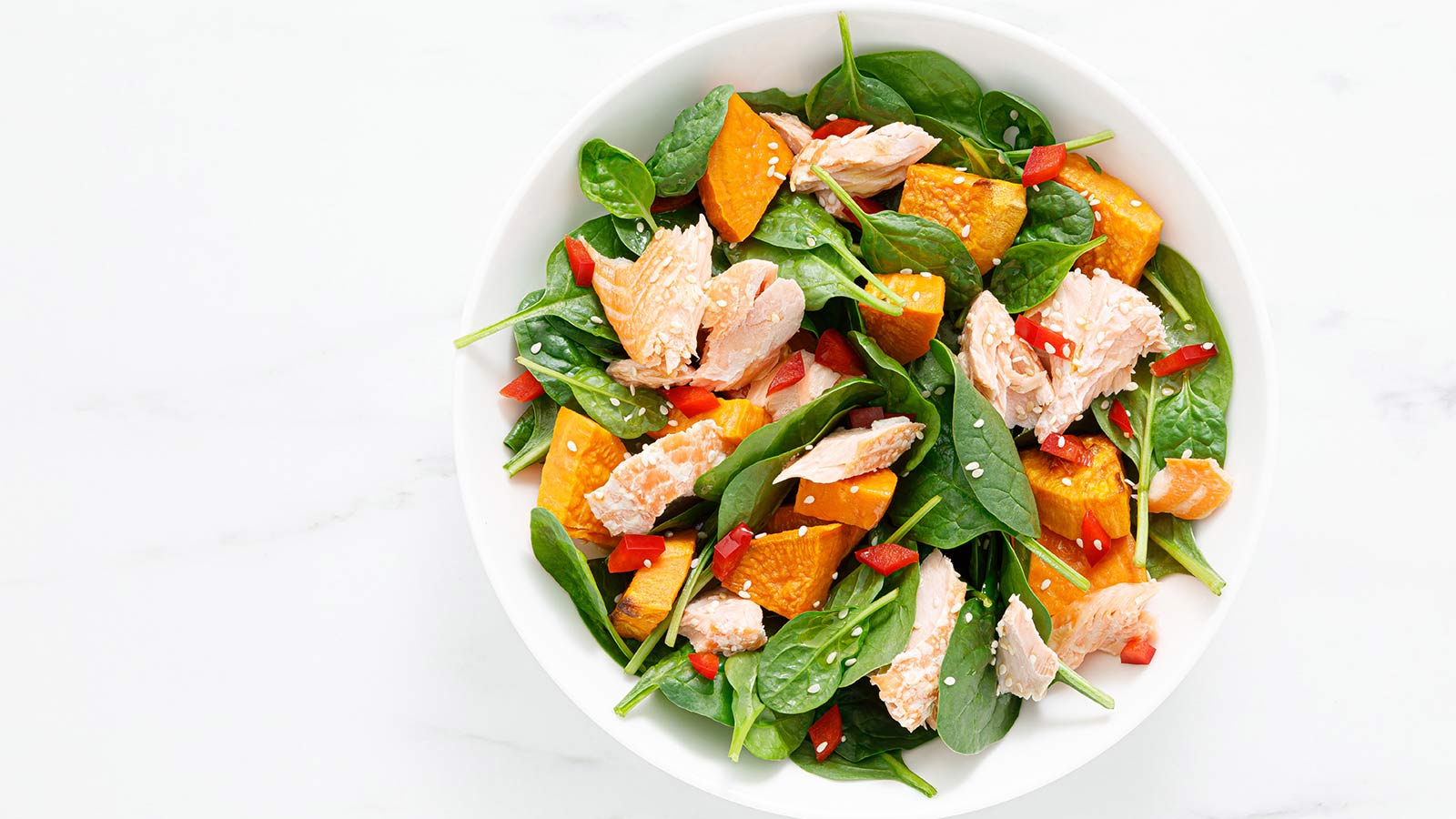
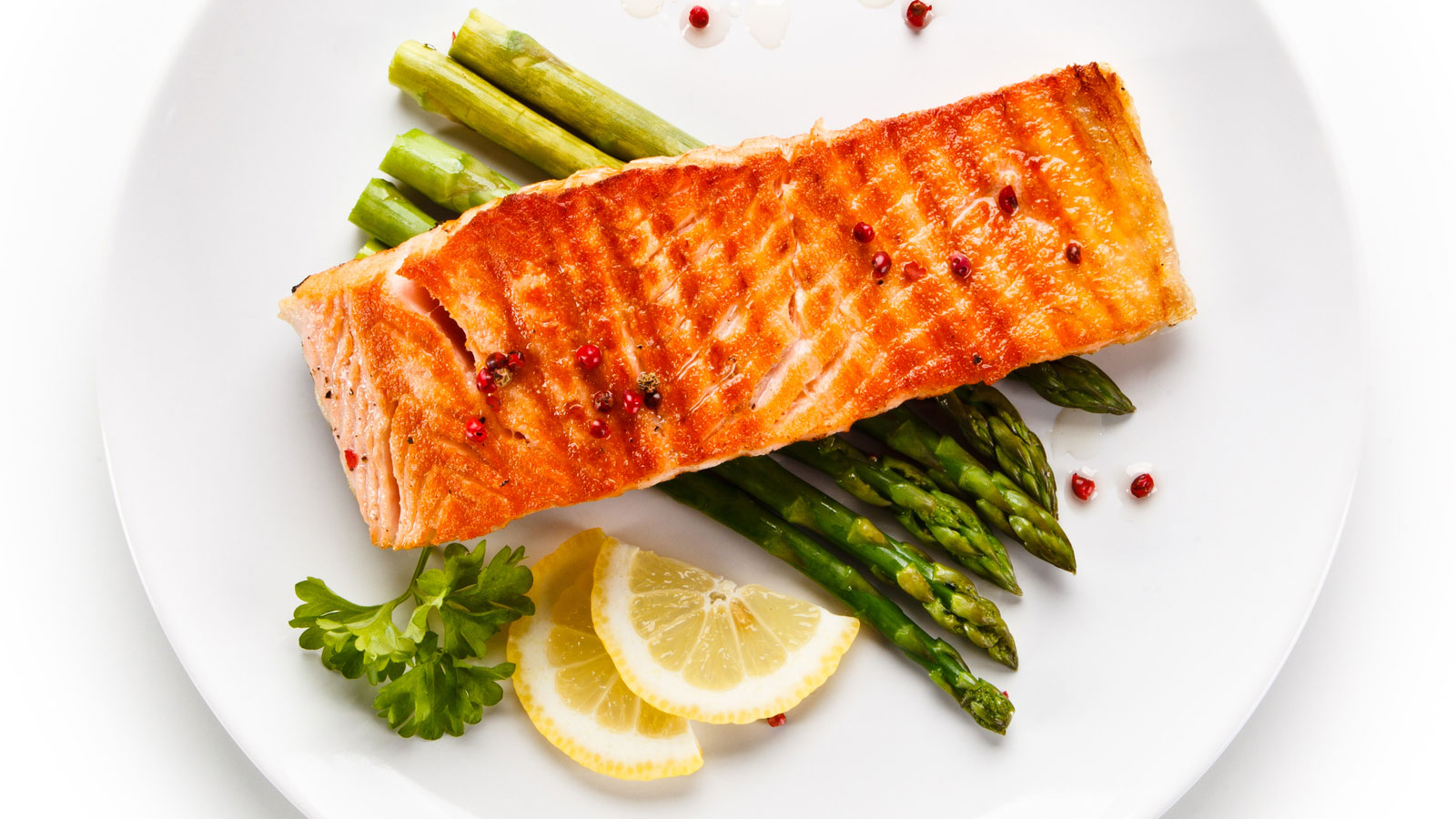
Vitamin D isn't naturally found in a variety of foods, but there are still several ways to add it to your diet. Natural food sources of vitamin D include:
- Fatty fish, such as salmon, trout, and mackerel
- Egg yolks
- Beef liver
You can also find vitamin D in many fortified foods, meaning vitamin D has been added during production. These may include:
- Milk and some plant-based milks
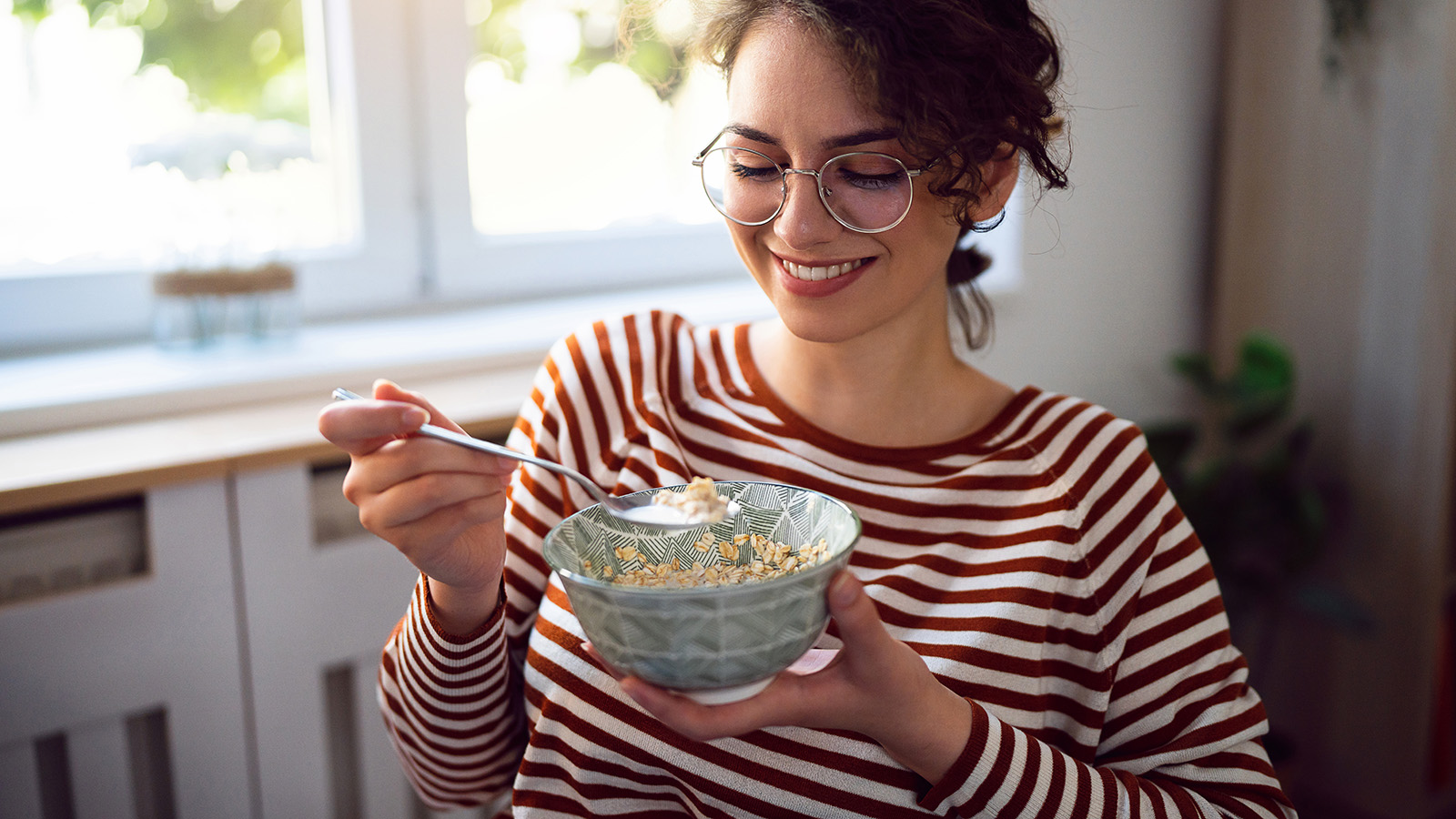
- Breakfast cereals
- Orange juice
Checking the nutrition label can help you determine whether a particular food or drink has been fortified with vitamin D.
Can you get enough vitamin D from the sun?
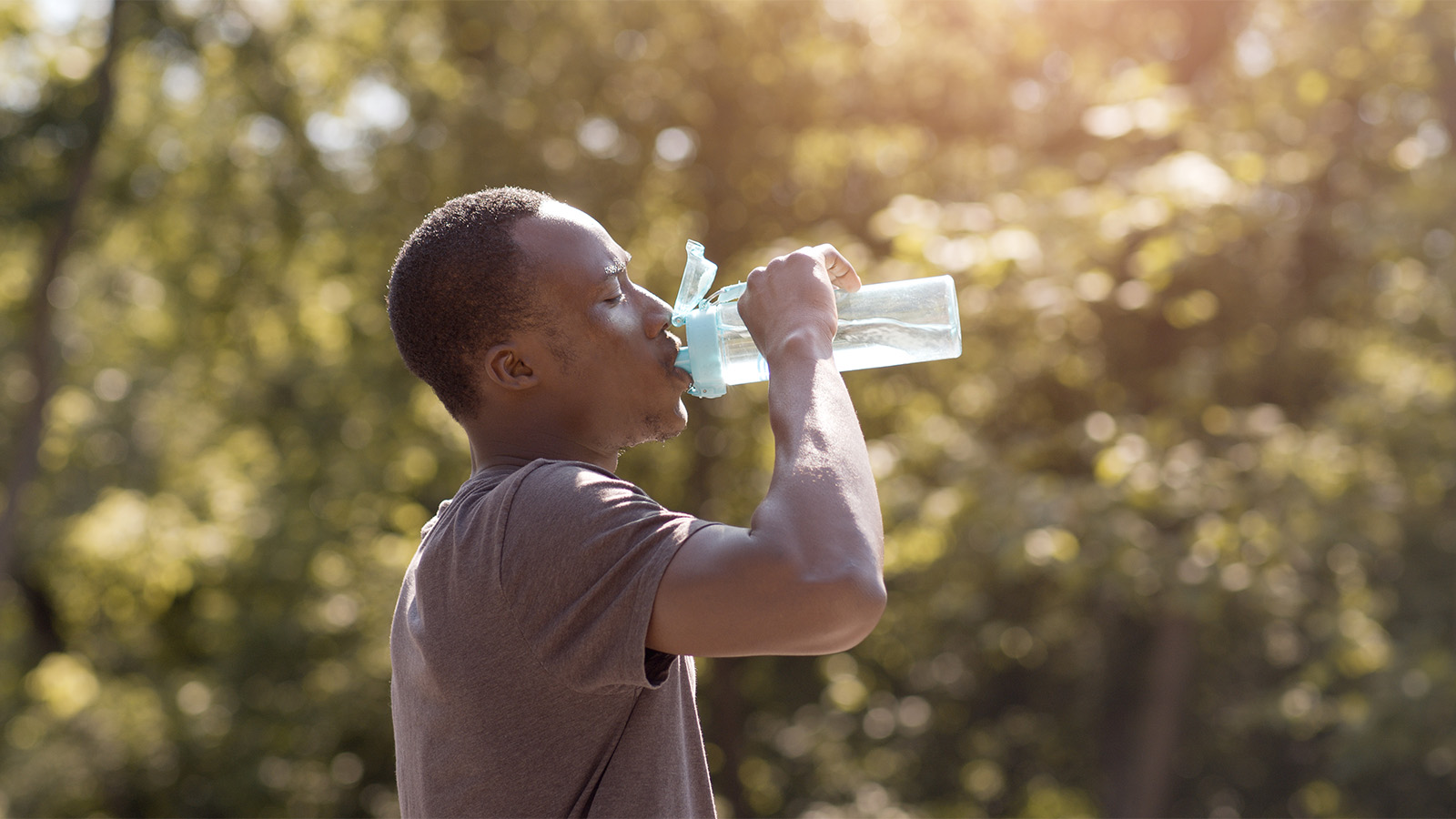
There's a reason vitamin D earned its sunny nickname. Your body can produce vitamin D when your skin is exposed to sunlight. But getting enough isn't always as simple as heading outside.
The amount of vitamin D your body produces can vary, and during the colder, darker months, you may naturally spend less time outdoors. That makes it helpful to think about vitamin D as coming from a combination of sources rather than relying on sunshine alone.
And no, this isn't permission to skip the sunscreen.
Should you take a vitamin D supplement?
If you're not getting enough vitamin D through sunlight and food, a supplement may help — but that doesn't mean everyone needs to add one to their morning routine.
Before starting a vitamin D supplement, talk with your health care provider. They can consider your diet, lifestyle, health history, and other factors to determine whether a supplement — or vitamin D testing — may be appropriate for you. The original draft also specifically recommends discussing supplementation with a health care provider.
Looking for personalized nutrition advice?
Vitamin D is important, but it's just one piece of the nutrition puzzle.
If you have questions about getting enough vitamin D, creating a balanced diet, or reaching your nutrition goals, a Virtua registered dietitian can help you create a personalized approach that fits your needs, preferences, and lifestyle.
There's So Much More to Explore
Discover expert insights, inspiring stories, health tips, and more by exploring the content below!
Healthy Halloween Tips: Smart Candy Swaps and Wellness Ideas
How to Get More Vitamin D: Benefits, Foods and Other Sources
Why Follow-Up Care After an Emergency Room Visit Matters
Is Vaping Bad for You? Understanding the Health Risks of Vaping
How Does Breast Density Affect Your Mammogram?
The High-Protein Food Trend: How Much Protein Do You Really Need?
Does Cortisol Cause Weight Gain? What You Need to Know
How Is Breast Cancer Diagnosed?
What Is Lymphedema?
Albert's Emergency Cardiac Surgery Is a 'Story of a Lifetime'
5 Ways to Stop Night Sweats and Get Better Sleep During Menopause
Organ Transplants and Alcohol Addiction Therapy Help Michael Rebuild His Life
9 Tips for Managing Heart Failure and Living a Healthier Life
The HPV Vaccine: A Powerful Shield Against Cervical Cancer
Renal Denervation Provides Pierre Hope for Long-Term Lower Blood Pressure
Over 50? Why You Should Get the Shingles Vaccine
How to Improve Gut Health: 5 Habits Your GI Doctor Wants You to Break
Got Diarrhea? Medication Side Effects to Watch for
5 Best Biking Trails In South Jersey
Tips to Help You Get a Good Night's Sleep
Meal Planning Made Easy: 3 Tips for Beginners
What Is a Medicare Annual Wellness Visit?
How to Create an Advance Care Plan Before a Medical Crisis Hits
Sunscreen FAQs: What Type of Sunscreen Should You Use?
How to Stop Your Phone From Ruining Your Sleep: 5 Expert Tips
What To Eat Before And After Your Workout
HeartTalk Magazine
4 Delicious Heart-Healthy Recipes Perfect for Summer
Heart Healthy Summer Recipe: Dessert Parfait
Heart-Healthy Summer Recipe: Pear and Walnut Salad
Heart-Healthy Summer Recipe: Terrific Turkey Burgers
Heart-Healthy Summer Recipe: Hummus and Veggies
Master 3 Men's Health Issues
How Addiction Works: Causes, Signs, and Prevention of Substance Use Disorder
The Bugs of Summer: Prevent and Treat Bites from Common Bugs in South Jersey
6 Ways to Support Healthy Blood Sugar in Teens
Managing an IBD Flare: Diet Tips to Reduce Irritation and Support Healing
Bioidentical Hormone Replacement Therapy Pellets: Relief for Menopause and Andropause Symptoms
What is the 80/20 Diet Rule? A Simple, Balanced Approach to Healthy Eating
10 Quick Ways to De-Stress
Take Pride in our Health: Must Dos for LGBTQ+ Preventative Care
Heart Tests Your Doctor May Order
Best Foods for Kidney Health
Benefits of Fiber: How to Increase Fiber Intake for Better Health
Understanding Food Addiction: Causes, Symptoms, and Recovery Strategies
10 Hand Washing Tips to Keep You Healthy All Year
How Exercise Helps Fight the Winter Blues and Improve Your Mood
8 Stretching and Balancing Exercises for Older Adults
Cervical Cancer Screening Guidelines: What You Need to Know
Healthy Snack Recipes for Kids: Fast, Fun, and Full of Flavor
How to Spot the Early Signs and Symptoms of a Stroke
Healthy Takeout Made Easy: What to Order for Better Nutrition
How Weight-Loss Surgery Can Improve Diabetes, Heart Health, and More
How to Achieve Your Health Goals This Year
Why Weight Loss Plateaus Happen (And What to Do Next)
Knee Replacement Rehab: 7 Exercises to Restore Your Strength and Range of Motion
Are You Eating Too Much Salt? High-Sodium Foods to Watch For
Caregiving During the Holidays: Ways to Manage Stress and Find Joy
COVID-19 Vaccines and Pregnancy: FAQs
How to Exercise Safely with Asthma: Tips, Triggers, and Rescue Inhaler Use
COMFORTing Tips to Avoid Holiday Heartburn
How to Tell the Difference Between Cold, Flu, and COVID-19
4 Exercise Tips to Help You Reverse High Blood Pressure
How to Bounce Back From Holiday Overeating
Daily Wellness Checklist: Simple Habits for Feeling Good Inside and Out
The Best and Worst Foods for Acid Reflux
3 Reasons Why Now's the Time to Find Relief From Varicose Veins
How to Get and Stay Healthy This Fall
How to Reverse Prediabetes and Prevent Type 2 Diabetes
4 Sweet Halloween Tricks for Grown Ups Who have Diabetes
6 Ways to Get More Out of Your Daily Walk
Is Cancer Hereditary? What You Need to Know About Your Genetic Risks
Is Your Post-Pregnancy Belly Bulge a Sign of Diastasis Recti?
Fall Vegetables: The Health Benefits and Recipes to Try This Season
Your Guide to Mammograms: When to Get Screened and What to Know
The Top 10 Foods That Boost Your Brain Health
Is It Safe to Exercise During Pregnancy?
Prevent Yard Work Injuries: Tips for Mowing, Gardening, and Raking
Healthy Weight Gain During Pregnancy: A Guide for Moms-to-Be
How to Curb Nighttime Snack Cravings
Is Your Daily Walk Making You Really Sore?
IBS and Alcohol: Can You Still Enjoy a Drink?
Focus on Mental Health Is Key Part of Andrew's Weight-Loss Journey
'Feeling Joy Again': ECT Brain Stimulation Therapy Restores Ashley's Well-Being
3 South Jersey Farmers Markets You Must Visit This Fall
Easy, Healthy Lunch Ideas for the Beach
Why Coffee Makes You Poop: A Comprehensive Guide
How to Stay Cool and Prevent Heat Illness All Summer Long
How to Have a Healthy Pregnancy if You're Overweight
Why You Get Sick on Vacation (and How to Stay Healthy While Traveling)
6 Hot Tips for a Safer Summer
4 Surprising Health Truths You Should Know
5 Interesting Facts About Your Heart
Is Low Sex Drive Normal? Revealing the Complex Causes of Low Libido in Women
5 Feel-Good Activities to Explore Around South Jersey
Stress Incontinence vs. Urge Incontinence: What's the Difference?
3 Changes You Can Make Today to Lower Your Cancer Risk
A Lung Cancer Screening Could Save Your Life
Protect Yourself From Tick Bites and Lyme Disease
5 Light and Healthy Recipes Perfect for Spring
4 Ways to Stay Fit and Healthy on a Budget
From Restless to Restful: How Movement Improves Sleep
5 Simple Ways to Spring Clean Your Wellness Routine
How Do You Manage the Side Effects of Weight-Loss Medications?
Forget Dieting: Find Your Eating Pattern
5 Essential Winter Foot Care Tips When You Have Diabetes


Your 10-Point Plan to Avoid Winter Weight Gain
Surprising Symptoms May Signal Stroke In Women
8 Key Steps to Better Blood Pressure Control
Gut-Healthy Recipe: Turmeric Chicken With Asparagus
Gut Health Recipe: Chipotle Salmon and Sweet Potato Bowl

5 Back Stretches for the Work-From-Home Workweek
How to Prevent and Treat Urinary Tract Infections
6 Numbers Key to Keeping Your Heart Healthy
4 Easy Ways to Treat and Prevent Runner's Knee
Five Mindfulness Tips That Can Help Heal Your Heart
Working from Home? Take a Quick Break to Stretch Your Wrists
Love Your Heart: Essential Care Tips for Every Stage of Life
How Do I Measure My Blood Pressure at Home?
How Do I Improve My Cholesterol Levels?
3 Ways to Reduce Your Stroke Risk
Gut-Health Recipe: Berry Yogurt Parfait
Gut-Health Recipe: Avocado and Black Bean Salad
Air Fryer Salmon with Roasted Asparagus
Healthy Gameday Snacks: Buffalo Chicken Dip
Healthy Gameday Snacks: Sheet Pan Nachos
Healthy Gameday Snacks: Healthier Homemade Pizza
Healthy Gameday Snacks: Healthier Guacamole
Healthy Gameday Snacks: Air Fryer Buffalo Wings
5 Delicious and Healthy Gameday Snacks
How Sex Keeps You Healthy as You Age
Protect Your Child From HPV and Related Cancers
Why IUDs Might Be The Most Effective Birth Control
5 Things You're Too Embarrassed to Tell Your OBGYN
4 Not-So-Crazy Questions to Ask Your Doctor