The High-Protein Food Trend: How Much Protein Do You Really Need?
Learn how much protein you really need, whether a high-protein diet can support weight loss, and what a Virtua Health dietitian says about popular protein trends.

By Erin Wickersham, Registered Dietitian, Virtua Nutrition & Diabetes Care
Scroll through TikTok or Instagram, and it seems like almost every food now has a high-protein version. From protein-packed recipes shared by influencers to snacks filling grocery store shelves, protein has become one of the biggest nutrition trends online.
As a registered dietitian, I’m often asked whether all this focus on protein is really necessary. Protein is an important nutrient that supports overall health and can play a role in weight management. But with more high-protein products and advice everywhere you look, it can be hard to know how much you actually need—or whether more is always better.
So, what’s behind the protein craze? Let’s take a closer look at why protein has become so popular, how it may support weight loss, and how to find the right balance for your health.
Why are high-protein foods everywhere right now?
Protein has always been an important part of a healthy diet, but social media has brought more attention to it than ever before.
The trend has been driven by several factors, including content creators sharing tips for building muscle, losing weight, strength training, and the increased use of GLP-1 medications.
While protein has become a major focus online, individual protein needs can vary based on factors like age, activity level, and overall health.
How does protein help with weight loss?
Protein can be a helpful tool for weight loss because it helps you feel fuller for longer, which may make it easier to manage hunger, portions, and overall calorie intake throughout the day.
Getting enough protein throughout the day may help with:
- Managing hunger
- Reducing frequent snacking
- Supporting portion control
- Maintaining muscle during weight loss
Protein is especially important during weight loss. Combining enough protein with strength training, a calorie deficit, and slow weight loss can help preserve muscle while losing body fat.
However, eating a protein cookie or drinking a protein coffee does not automatically lead to weight loss. Overall eating patterns, physical activity, sleep, and total calorie intake all play an important role in weight management.
How much protein do you actually need?
There’s no right answer. The amount of protein you need depends on your individual health and lifestyle. Protein recommendations vary based on:
- Age
- Activity level
- Muscle mass
- Medical conditions
- Weight-management goals
The Recommended Daily Allowance (RDA) for protein is .8g/kg for healthy individuals, but this is just a starting point. Many people will benefit from higher amounts, such as older adults, active individuals, and people taking GLP-1 medication.
This is one reason that nutrition advice on social media can be misleading. Protein recommendations that work well for one person may not work for someone else.
Can you eat too much protein?
Protein is just one part of a healthy diet.
Rather than focusing on maximizing protein intake, the goal should be to focus on eating balanced meals that include fruits, vegetables, healthy fats, and carbs so you can get a variety of nutrients like vitamins, minerals, and fiber.
Are protein bars and powders as healthy as whole foods?
Not all sources of protein are the same.
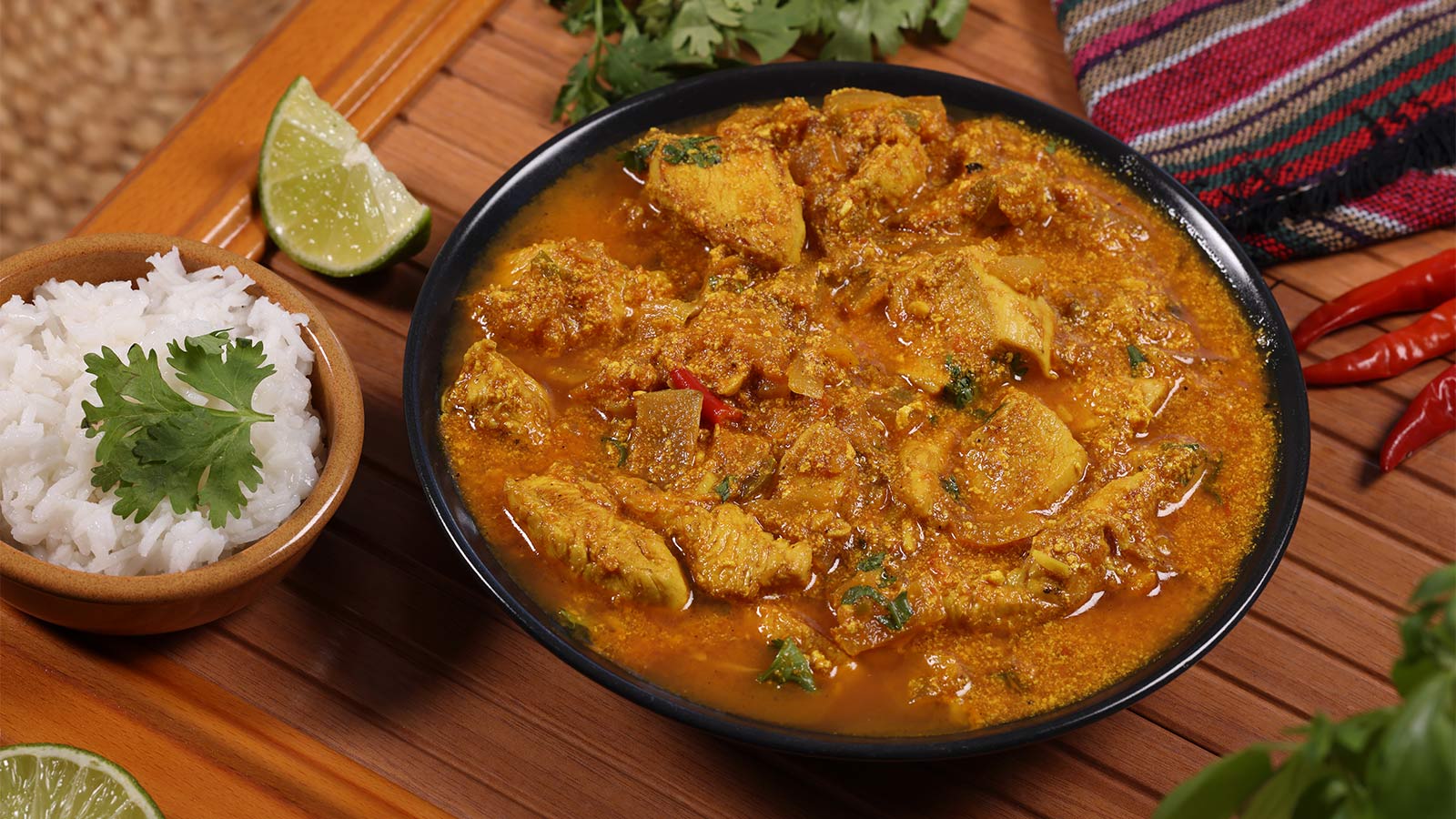
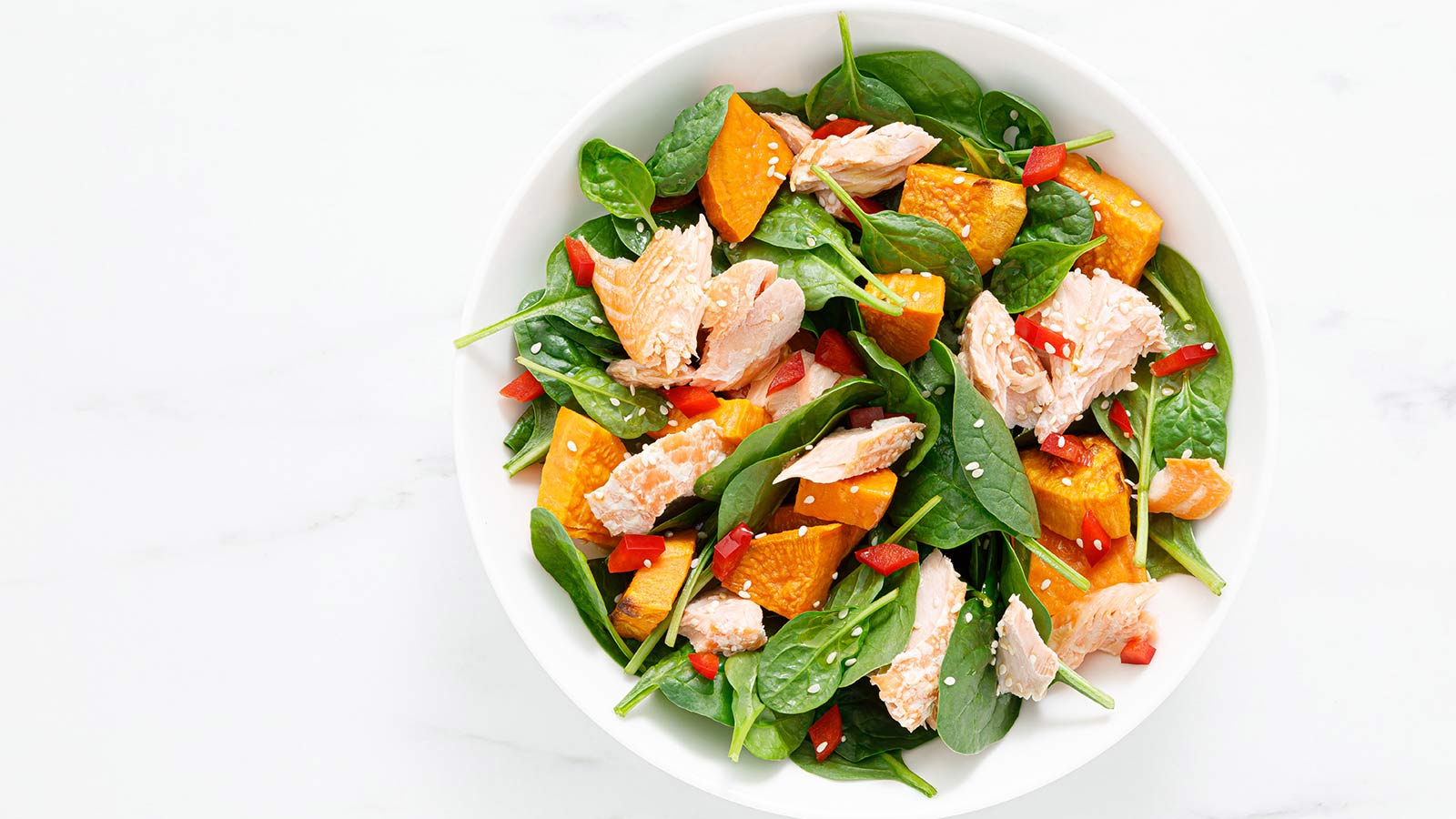
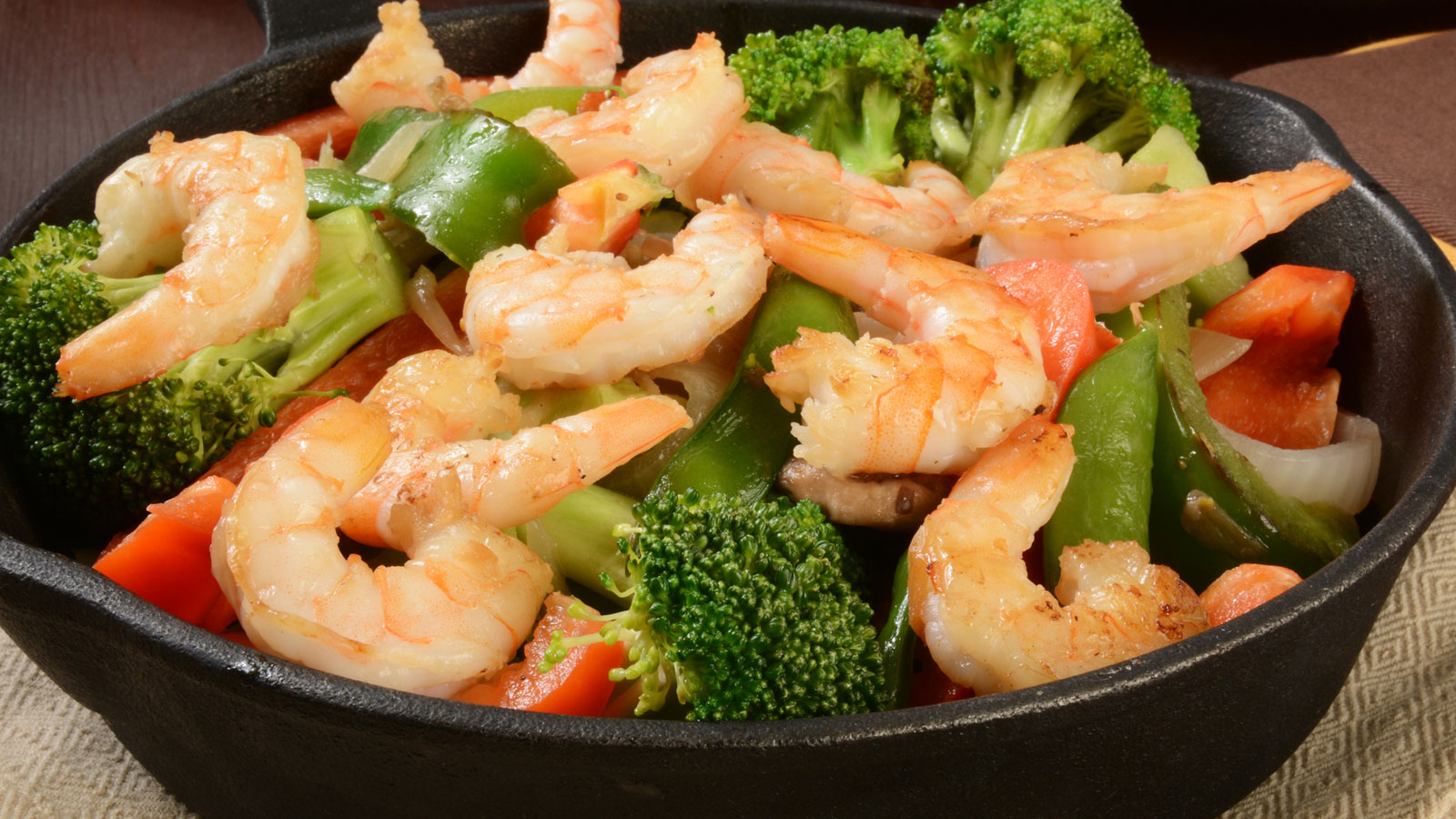
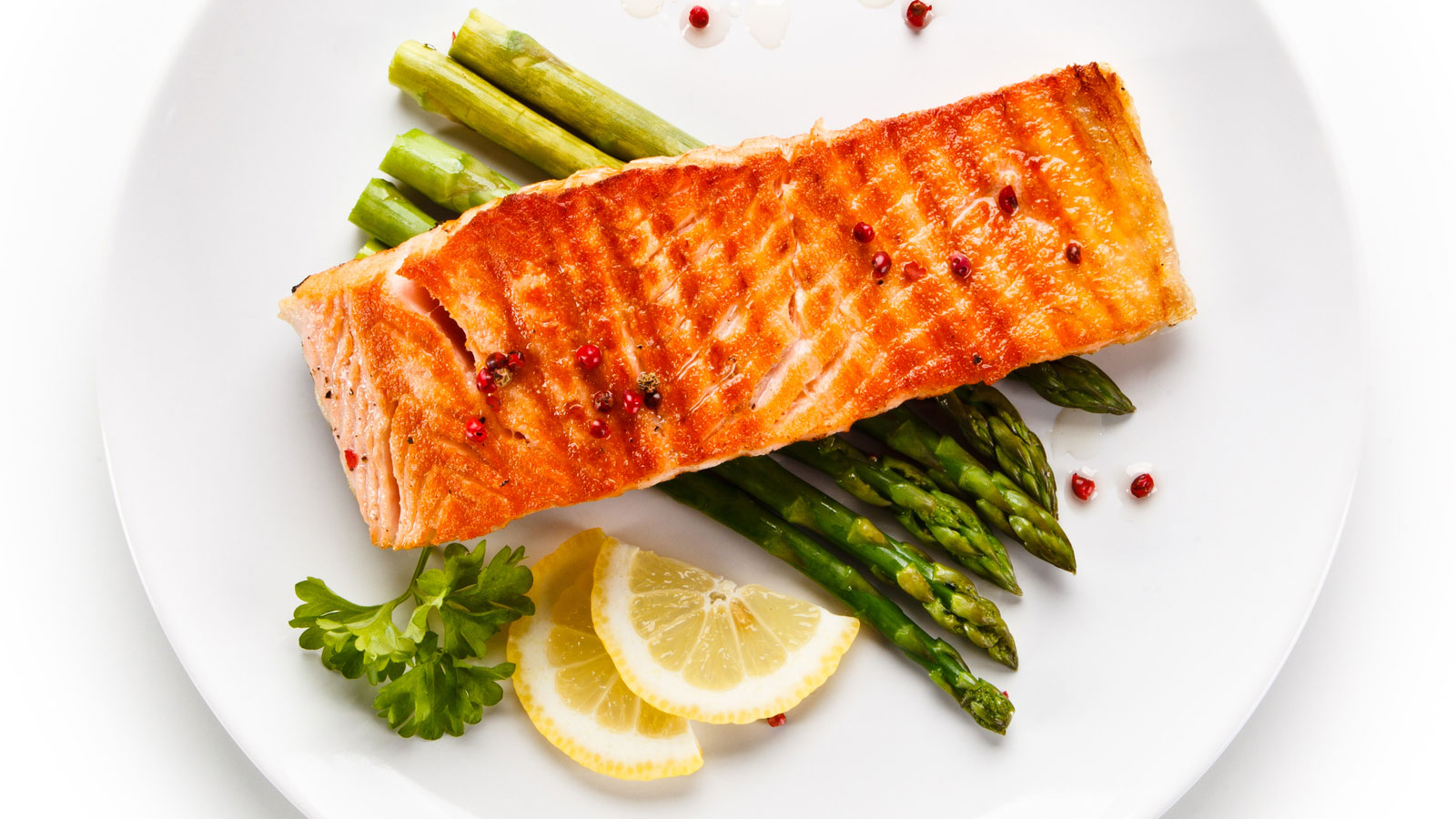
Whole-food protein sources, such as meats, fish, eggs, tofu, and quinoa, provide important nutrients along with protein.
Protein bars, powders, donuts, and packaged snacks can still find a place with your diet. But it’s important to understand the difference between a whole food protein and a food that has protein added to it.
A pop tart with added protein can still be a fun snack option, but it's nutritionally different from choosing a whole-food protein source as part of a balanced meal.
How can you build a balanced diet with protein?
A healthy approach is not to add protein to everything, but to include quality protein sources consistently throughout the day. Focus on balance by adding fruits, vegetables, and carbohydrates to meals.
A quick tip is at meals to ask yourself: “What is my protein source?”
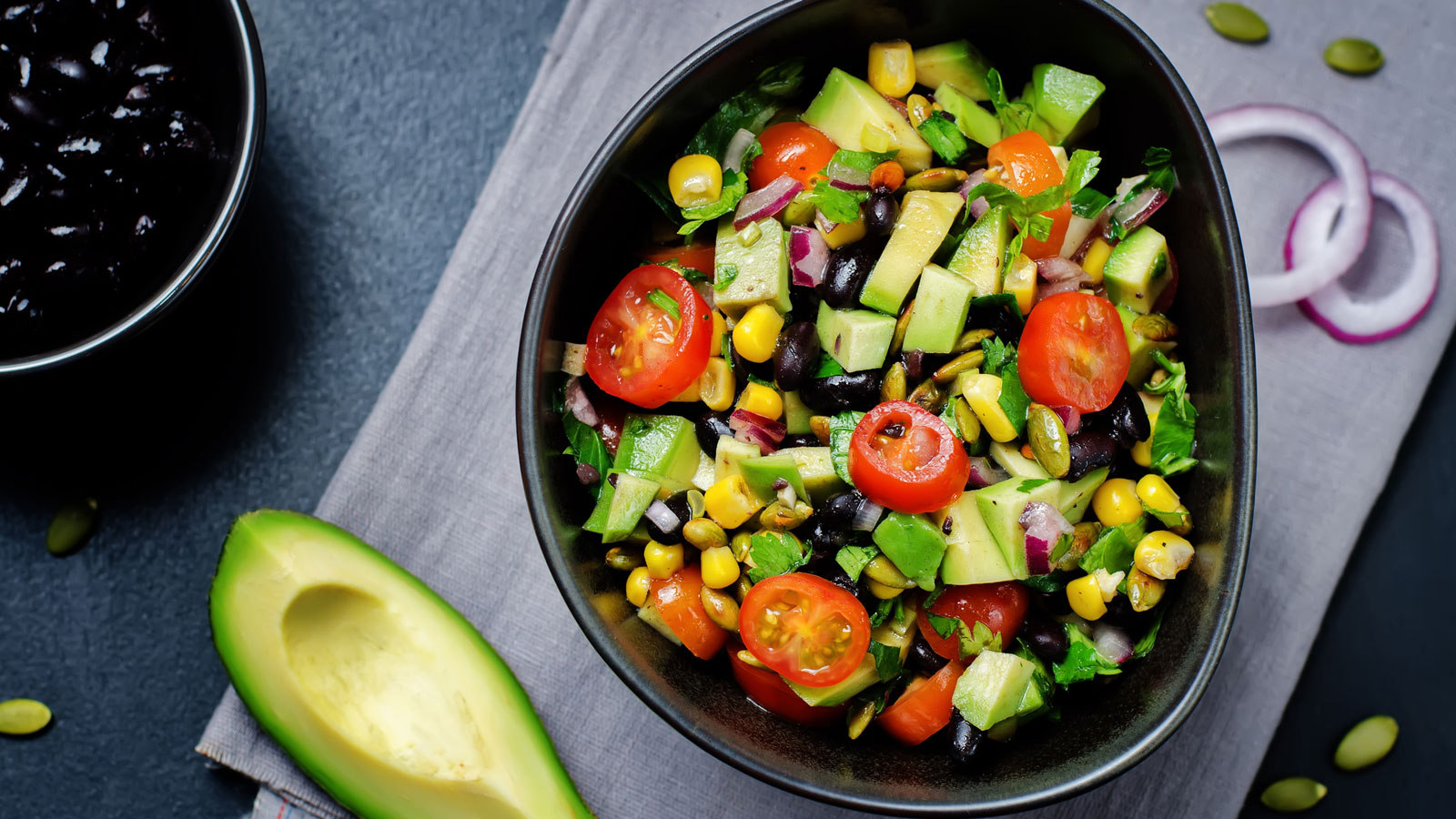
For people following vegetarian diets, complete protein sources to add to meals are different forms of soy like tofu, tempeh, and edamame. It can also be beneficial to combine different foods to meet nutrition needs.
Protein is important, but it is only one part of a healthy diet. It is important to remember that everyone’s health needs are different. Finding a balanced diet that works for your body, lifestyle, and goals matter more than the latest social media trend.
Find a nutrition plan that works for you
Not sure how much protein you need or how to build a balanced diet around your health goals? A Virtua Health registered dietitian can help you better understand your nutritional needs and create realistic, sustainable habits that fit your lifestyle.
There's So Much More to Explore