How to Improve Gut Health: 5 Habits Your GI Doctor Wants You to Break
Your daily routine could be affecting your digestion. Discover five habits to drop for a healthier, happier gut.

By Neil Nadpara, MD, Gastroenterologist, Virtua Gastroenterology
From do-it-yourself ginger shots to probiotic-infused snacks, social media is overflowing with quick fixes for better gut health. In reality, simply changing some daily habits may help your digestion run more smoothly.
Ditch these habits for a happier gut:
Skipping meals or eating at inconsistent times.
Whether you are intermittent fasting or tend to skip breakfast, going too long without food leaves you more than hangry or with a massive headache.
Your body learns to adapt, and once it has a routine, your gut recognizes when it’s time to build enzymes and acids to digest food properly. Waiting too long between meals or eating outside your routine can lead to constipation, and when you do eat, you’re so starving you overeat.
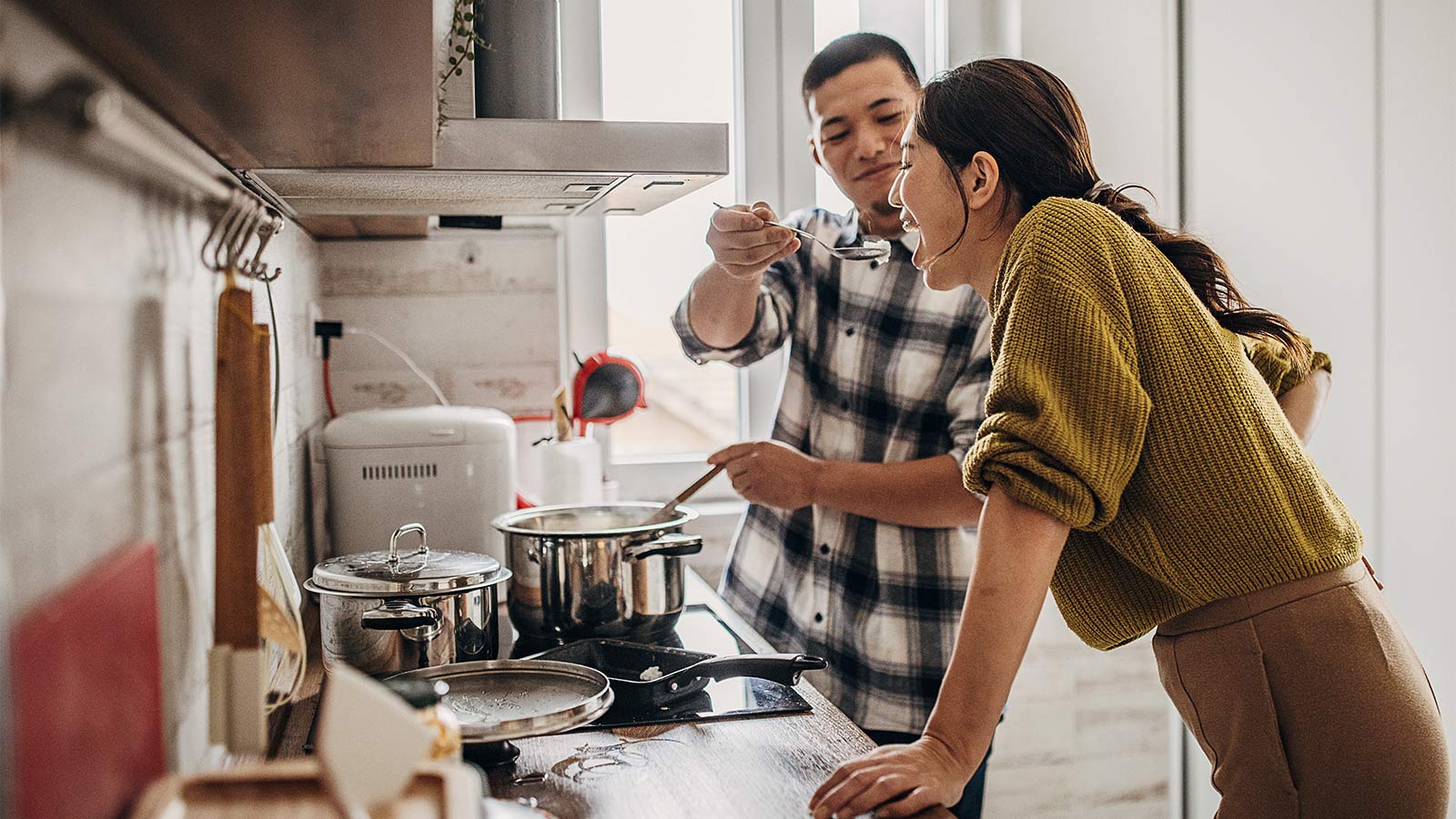
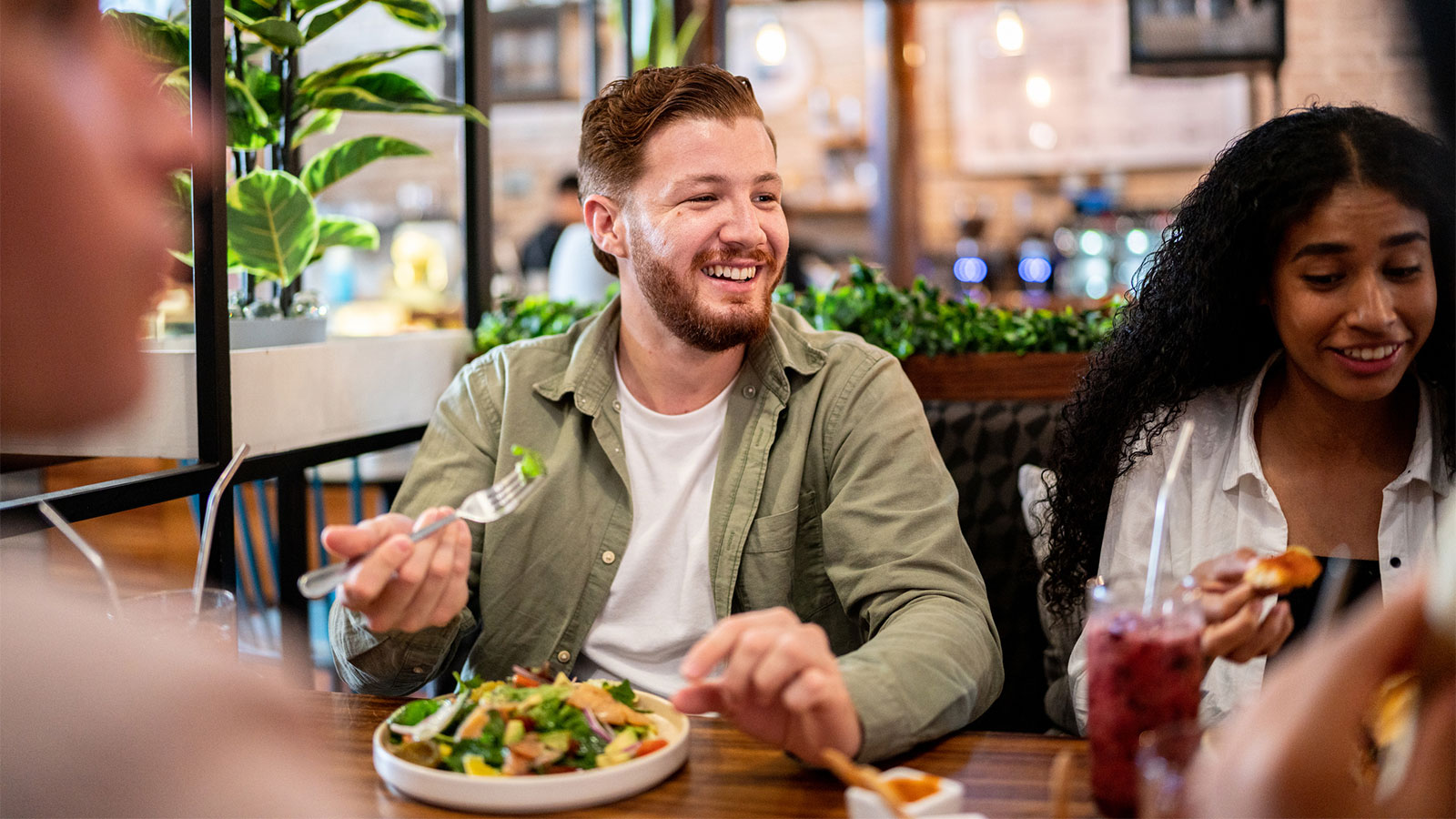
Eating while distracted.
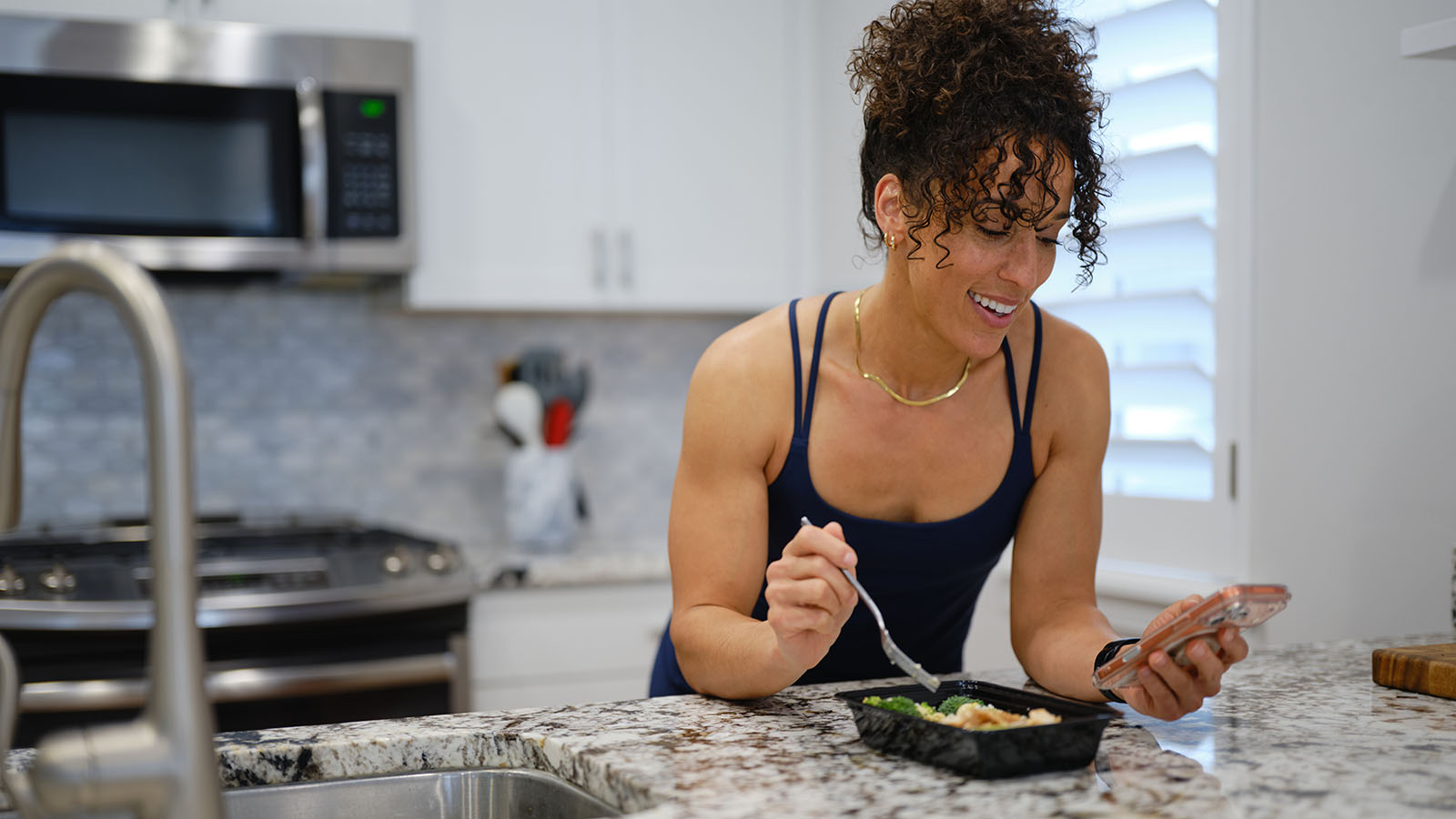
We all multitask, and eating is no different. We’re helping with homework, on our phones, or watching TV instead of focusing on the meal.
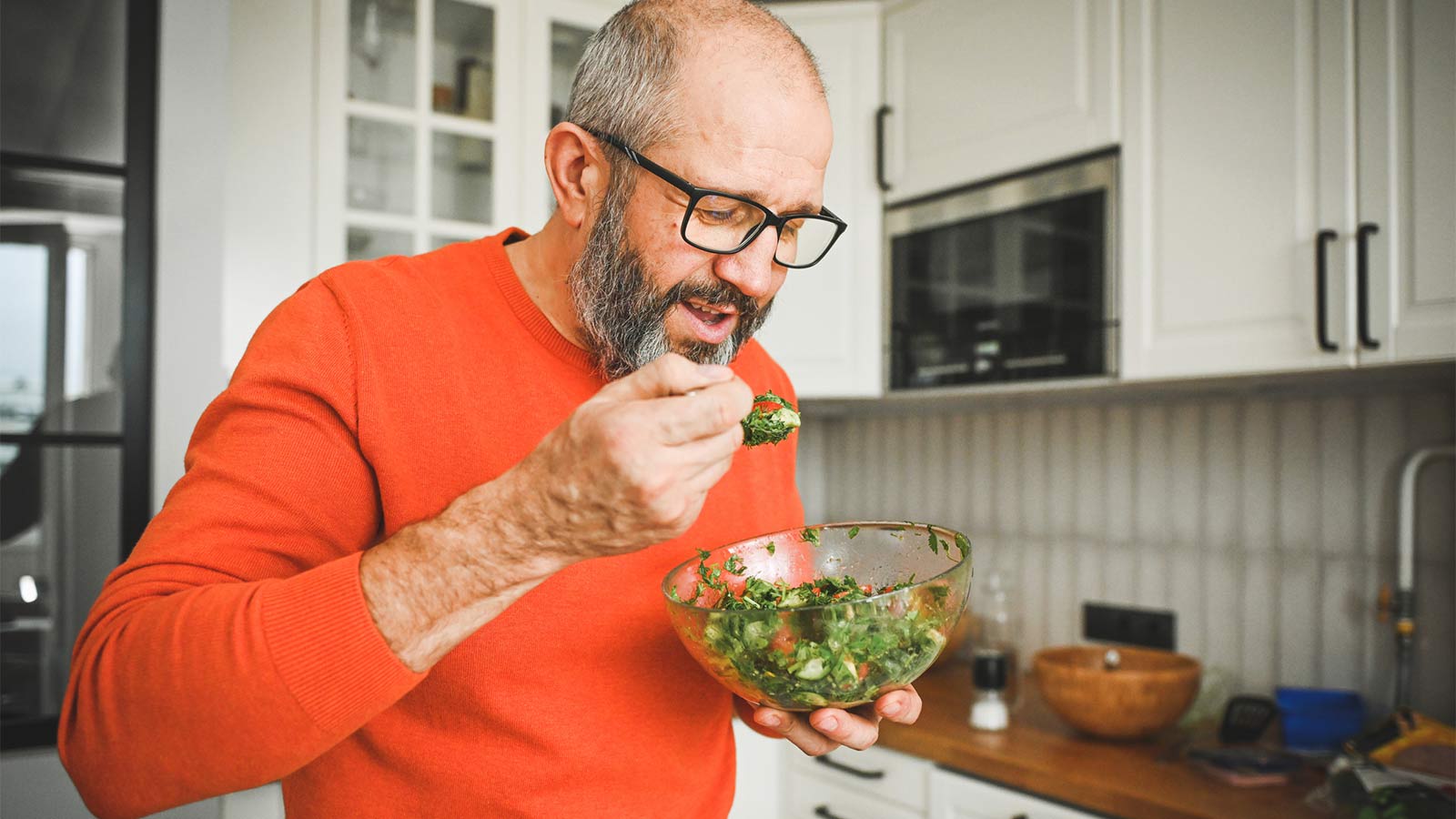
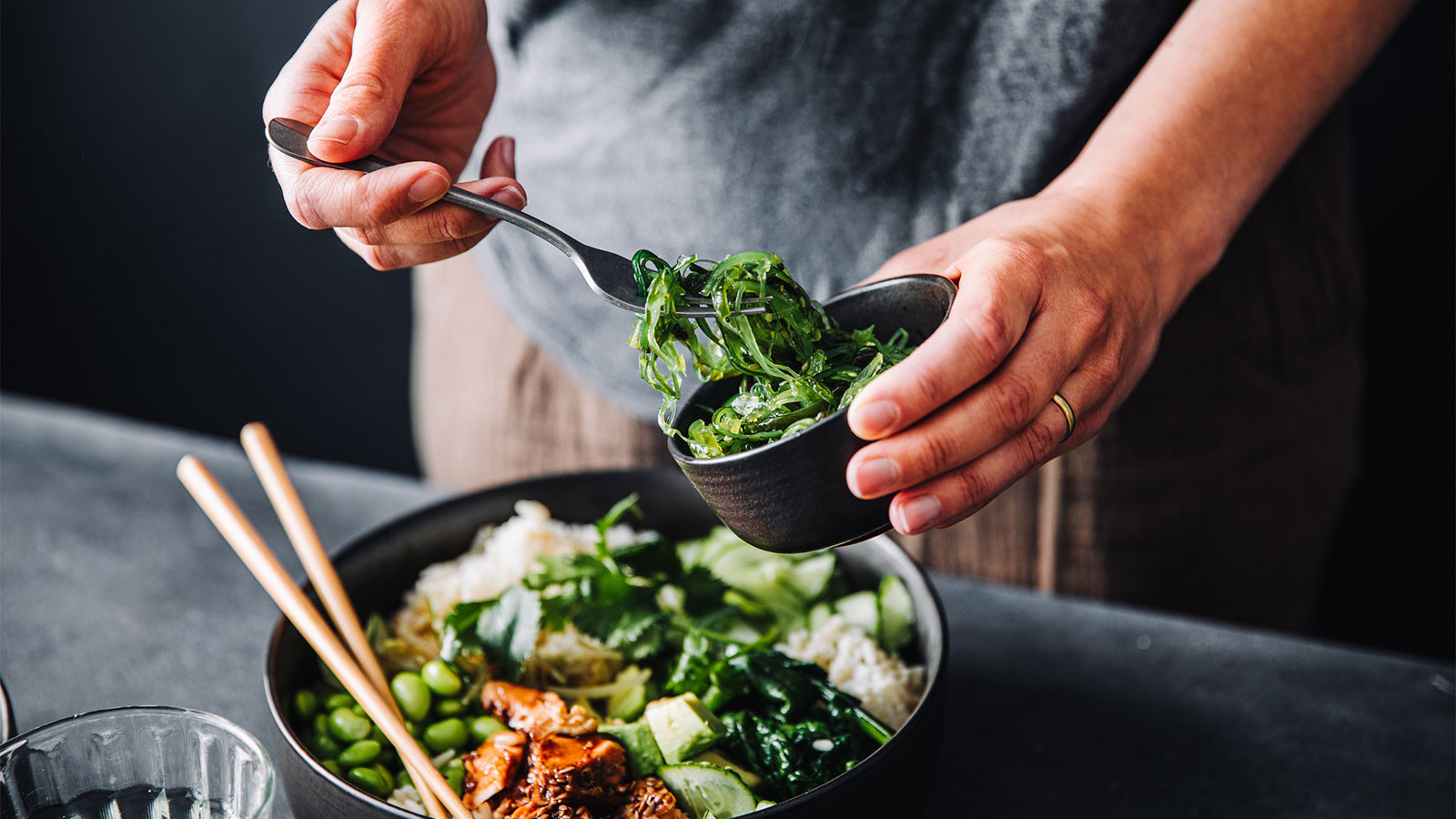
I tell my patients to practice mindful eating. That is, sitting at a table and eating slowly without distractions. Eat until you are satisfied. There is a 20- to 30-minute delay between the time your food hits your stomach to when your brain says you are full. If you eat to the point of being full, you’ve overeaten.
Spending too much time in the bathroom.
We should take our time to poop, right? Or maybe it’s the only peaceful time in your day. But bathroom trips should be brief—and done without your phone to keep you company.
You don’t want to be sitting on the toilet for too long. When you are pushing and straining and not having a bowel movement, you increase your risk of hemorrhoids. Set a time limit of five or six minutes on the toilet. If nothing comes out, leave and come back when you have the urge.
If you are regularly struggling to go, eat more fiber, incorporate a constipation remedy, and use a small stool (or Squatty Potty) to elevate your legs and increase the angle for stool to pass more easily.
Consuming too little water.
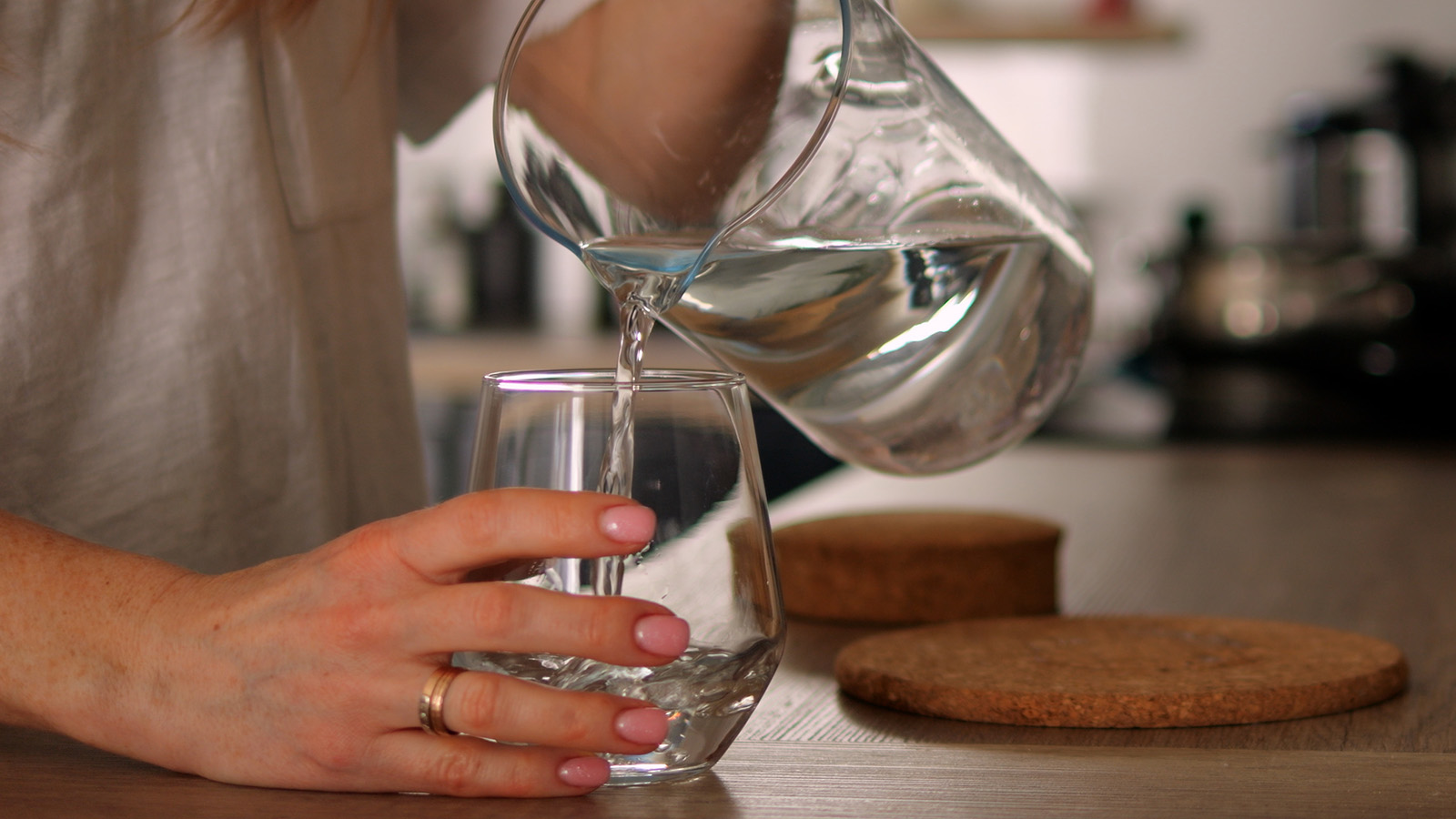
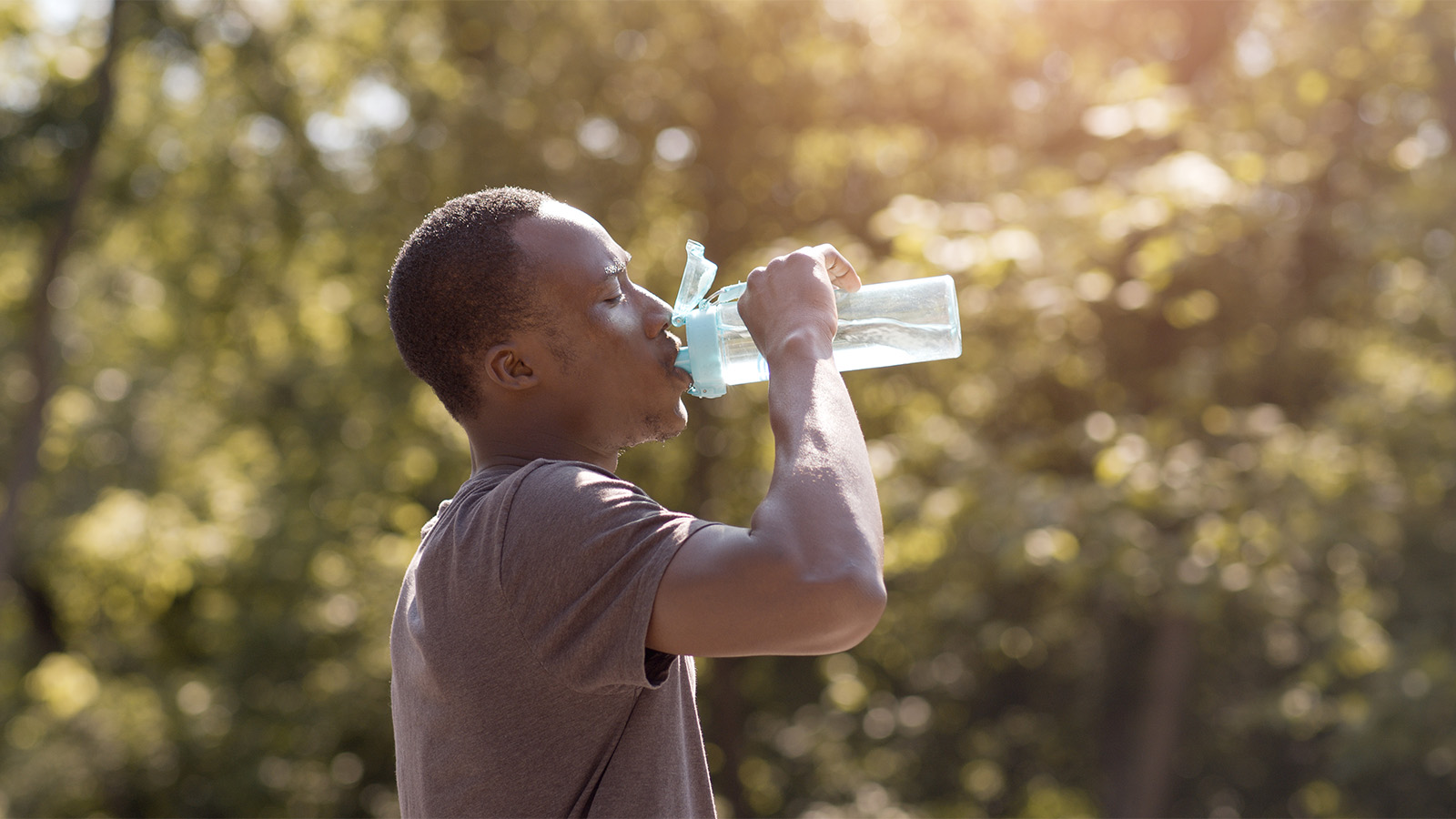
You should drink at least 12 cups (or 100 ounces) of water a day. Water is necessary for organ function and aids in digestion.
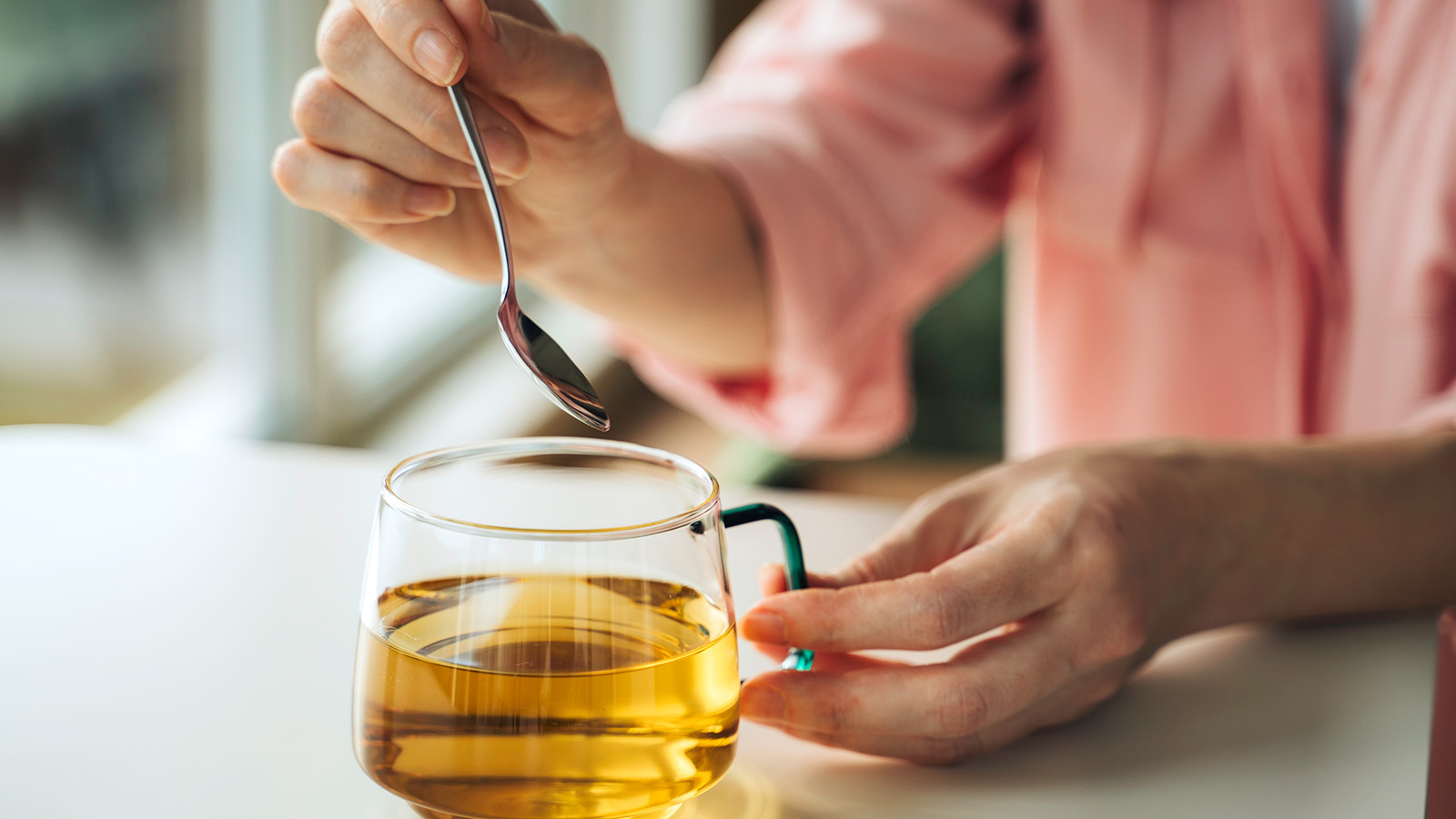
Drink warm water to start the day. The water will stimulate peristalsis, the contraction of muscles in the gut that propels food and liquids forward and will help you have a good bowel movement later.
Stop drinking water about an hour before bed. Besides lessening your need to urinate during the middle of the night, it will cut down on overnight reflux and a sour taste when you wake up the next morning.
Going to sleep after eating.
Lying down after a meal is a recipe for heartburn. When you lie down, you don’t have gravity to keep things down. Try to remain upright, or even better, walk a little after eating. Eat your last meal at least three hours before bedtime to minimize acid reflux.
Get Your Digestive System Back on Track
If you’re struggling with gut issues, connect with a gastroenterologist to help you feel your best again. Virtua has 11 GI locations throughout South Jersey, with next-day appointments available. Schedule an appointment at a Virtua GI office near you or call 888-847-8823.
There's So Much More to Explore