Meal Planning Made Easy: 3 Tips for Beginners
Learn simple meal planning strategies to save time, reduce food waste, lower grocery costs, and make healthier eating habits easier to maintain.
By Erin Alexander, Registered Dietitian, Virtua Nutrition and Diabetes Care
Meal planning doesn’t have to be complicated. It’s a great way to simplify your routine, make healthier choices, and take the stress out of deciding what to eat each day.
Whether you’re new to meal planning or looking to continue building healthier habits, starting small can help create a routine that works best for you.
Three beginner-friendly meal planning tips can make healthy eating easier and more manageable.
1. Start simple
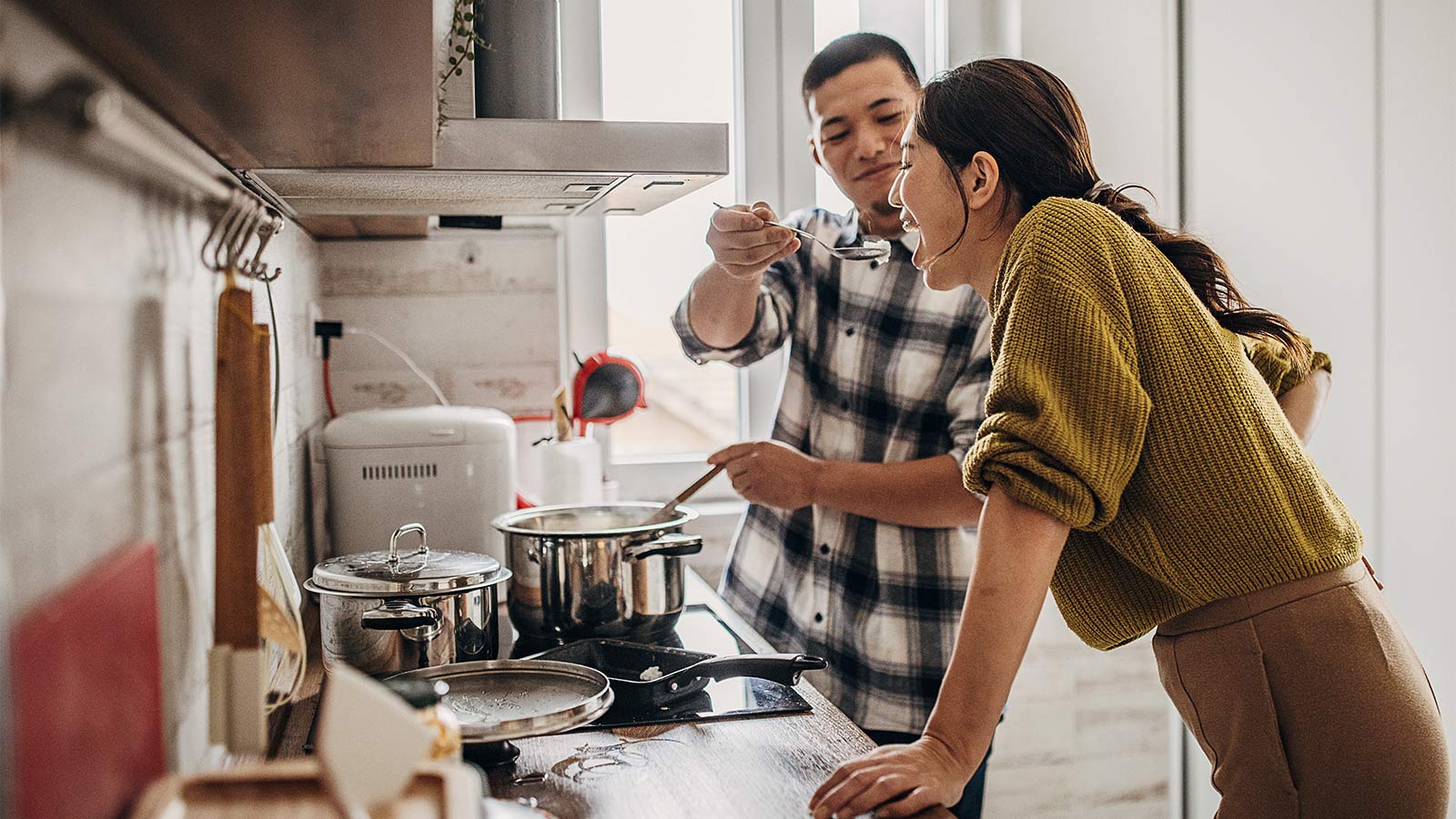
One of the biggest mistakes people make with meal planning is trying to do too much at once. Instead, choose two or three meals you already enjoy and know how to prepare. Then, create your grocery list based on the ingredients you need.
Starting with well-known recipes makes meal planning easier to maintain long term.
2. Prep ingredients, not full meals
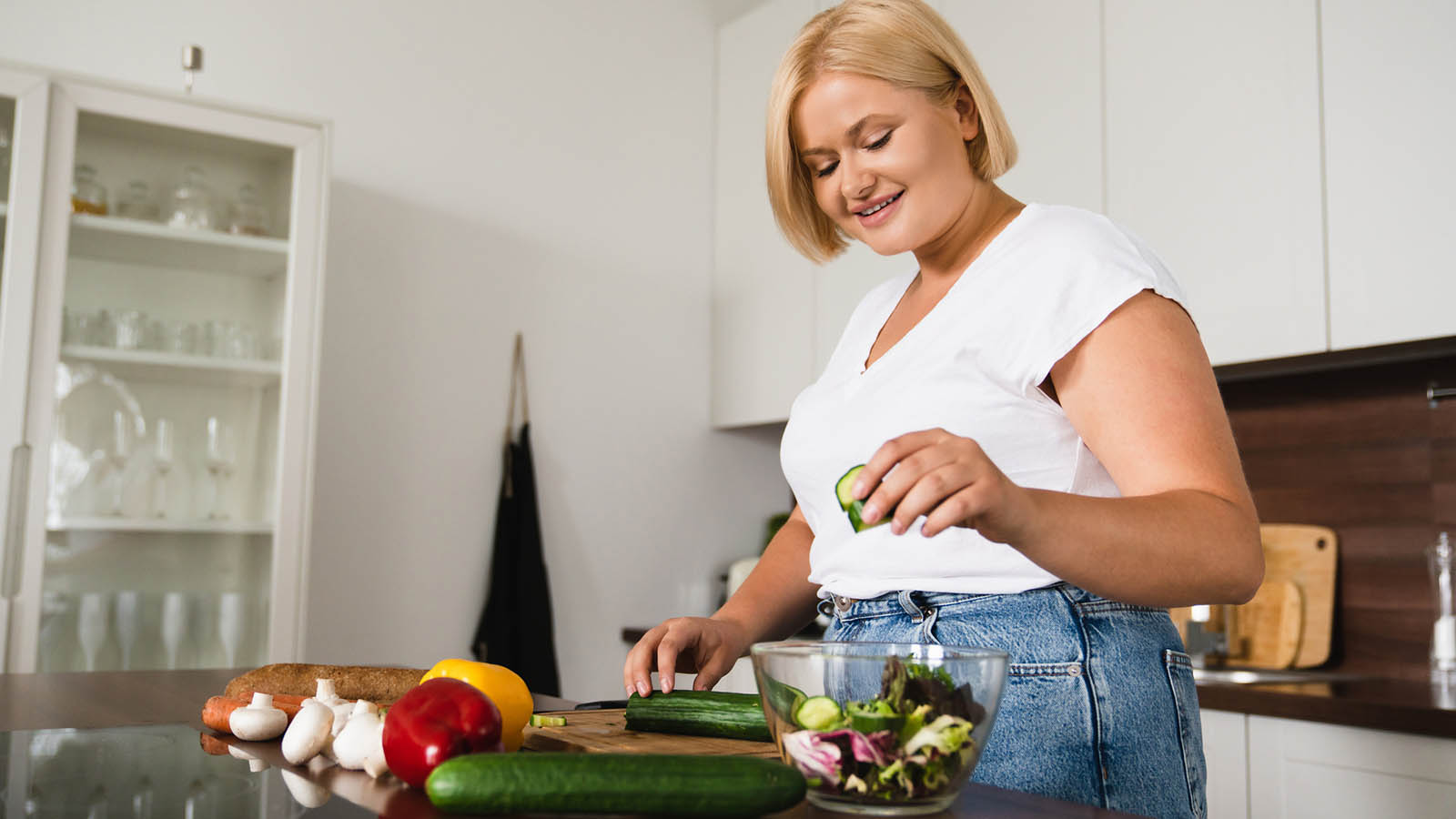
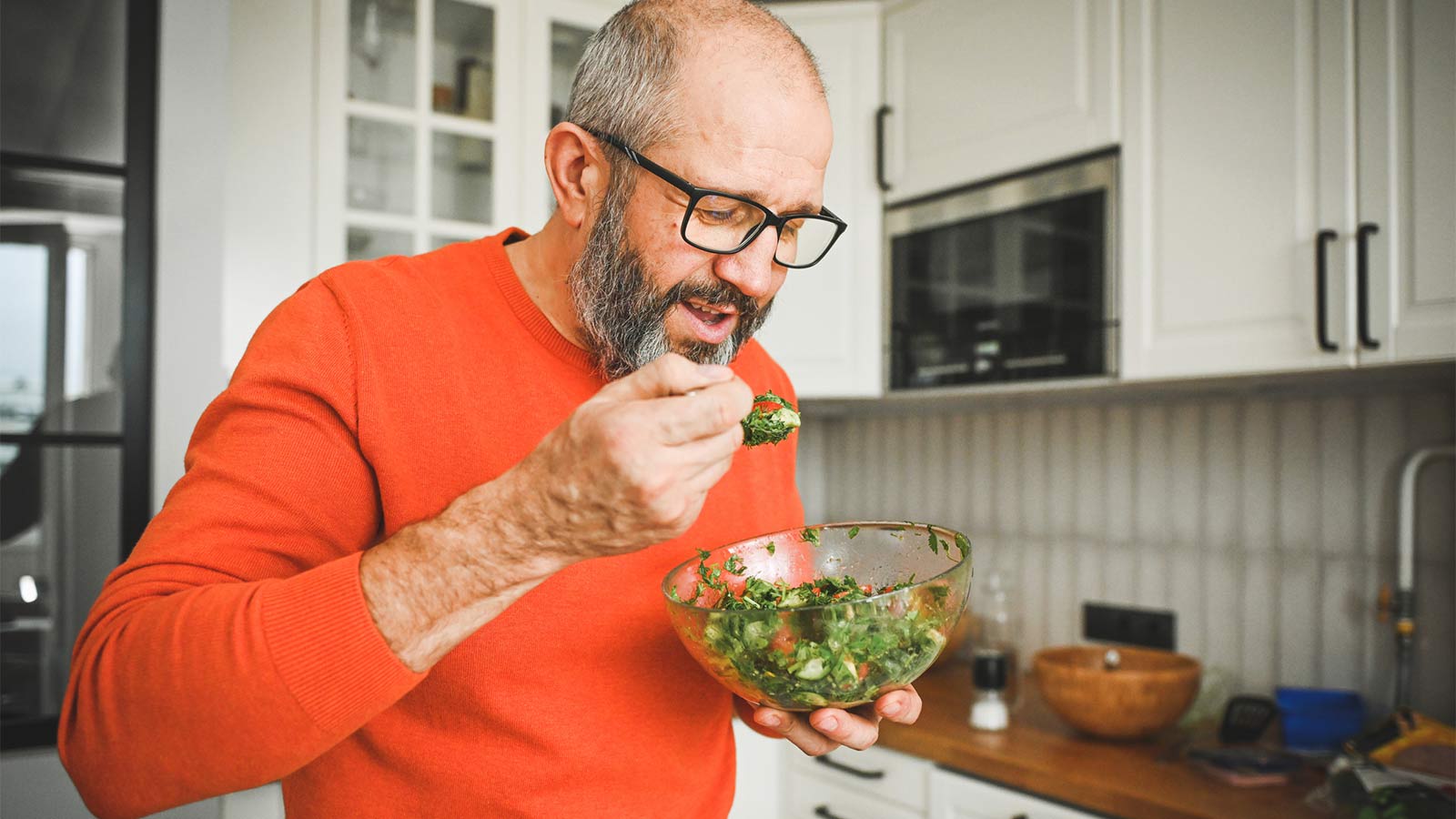
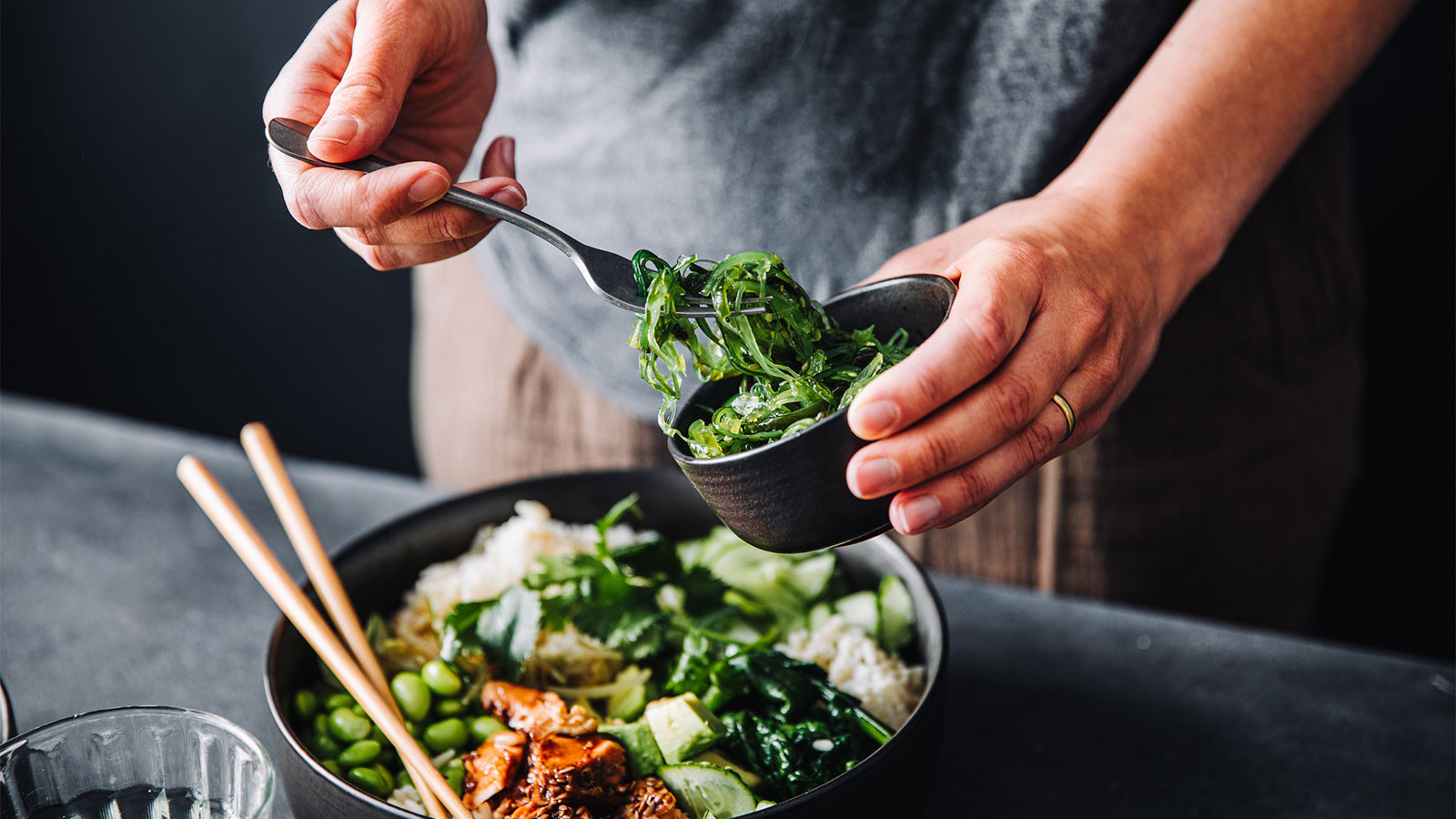
Meal preparation doesn’t have to mean spending hours cooking meals in advance. Instead, washing and chopping ingredients like fruits and vegetables ahead of time makes it easier to put together quick meals throughout the week.
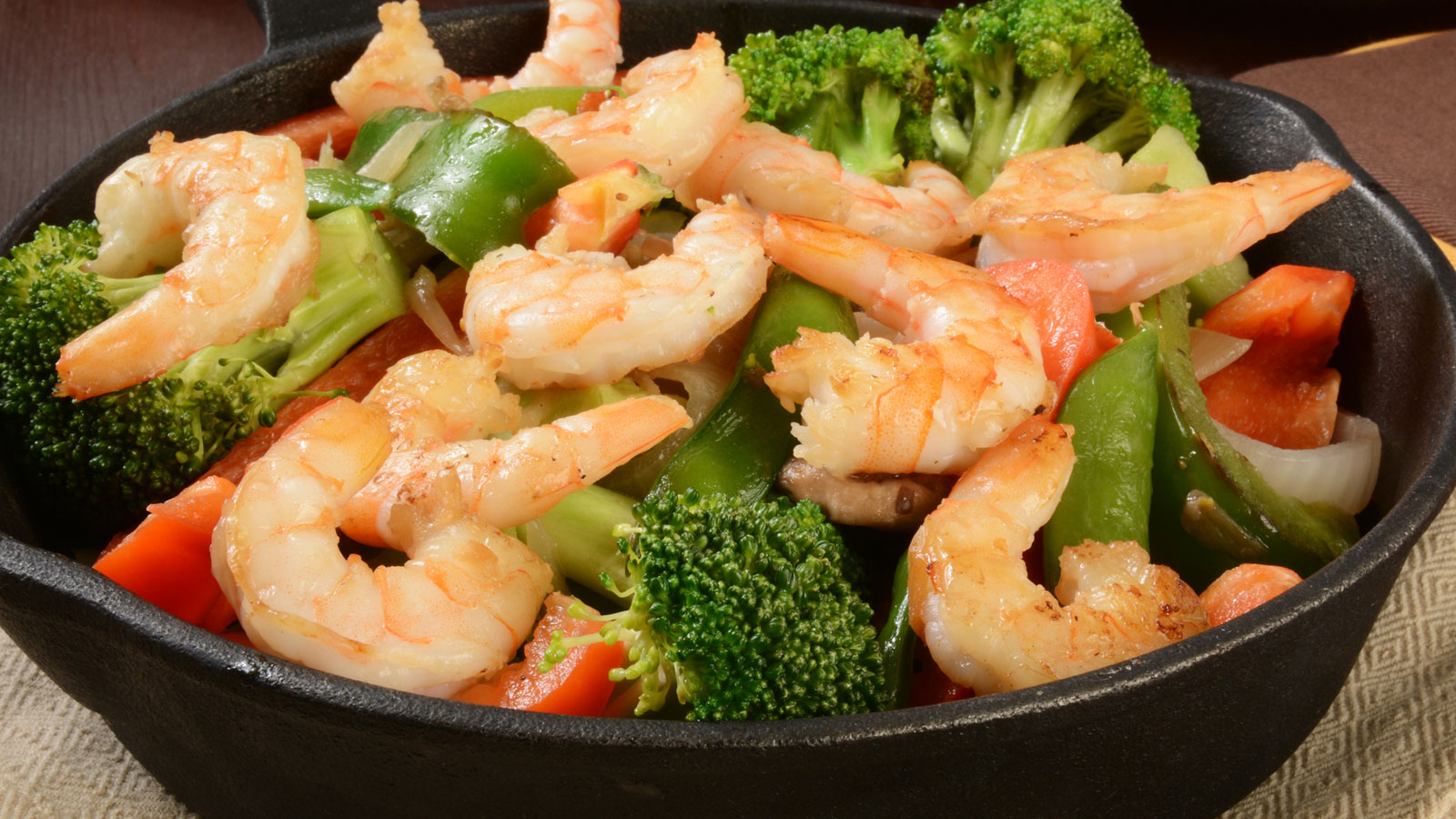
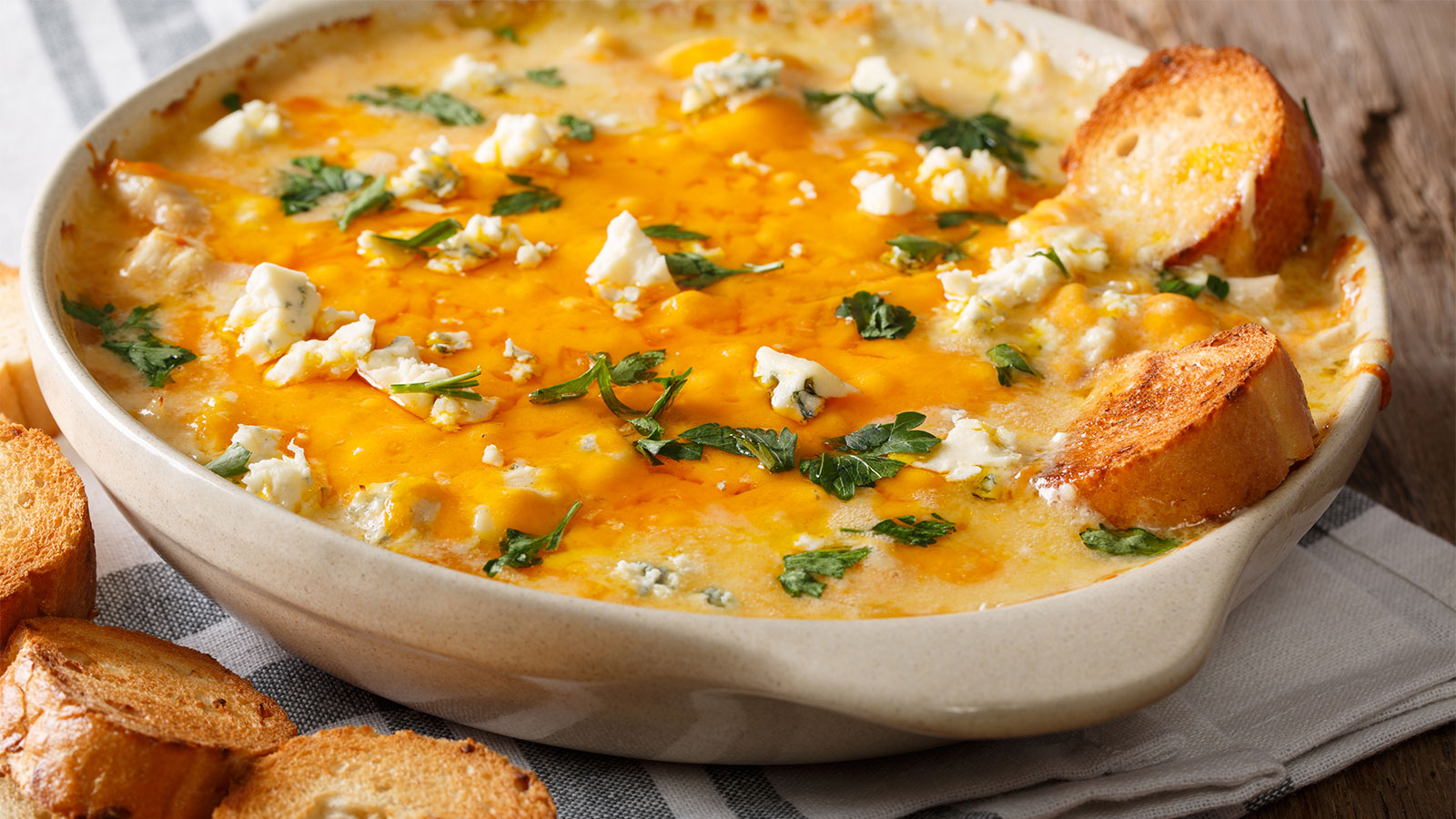
Having ingredients ready makes it easy to quickly prepare a dish such as stir-fries and casseroles.
3. Create a grocery list before you shop
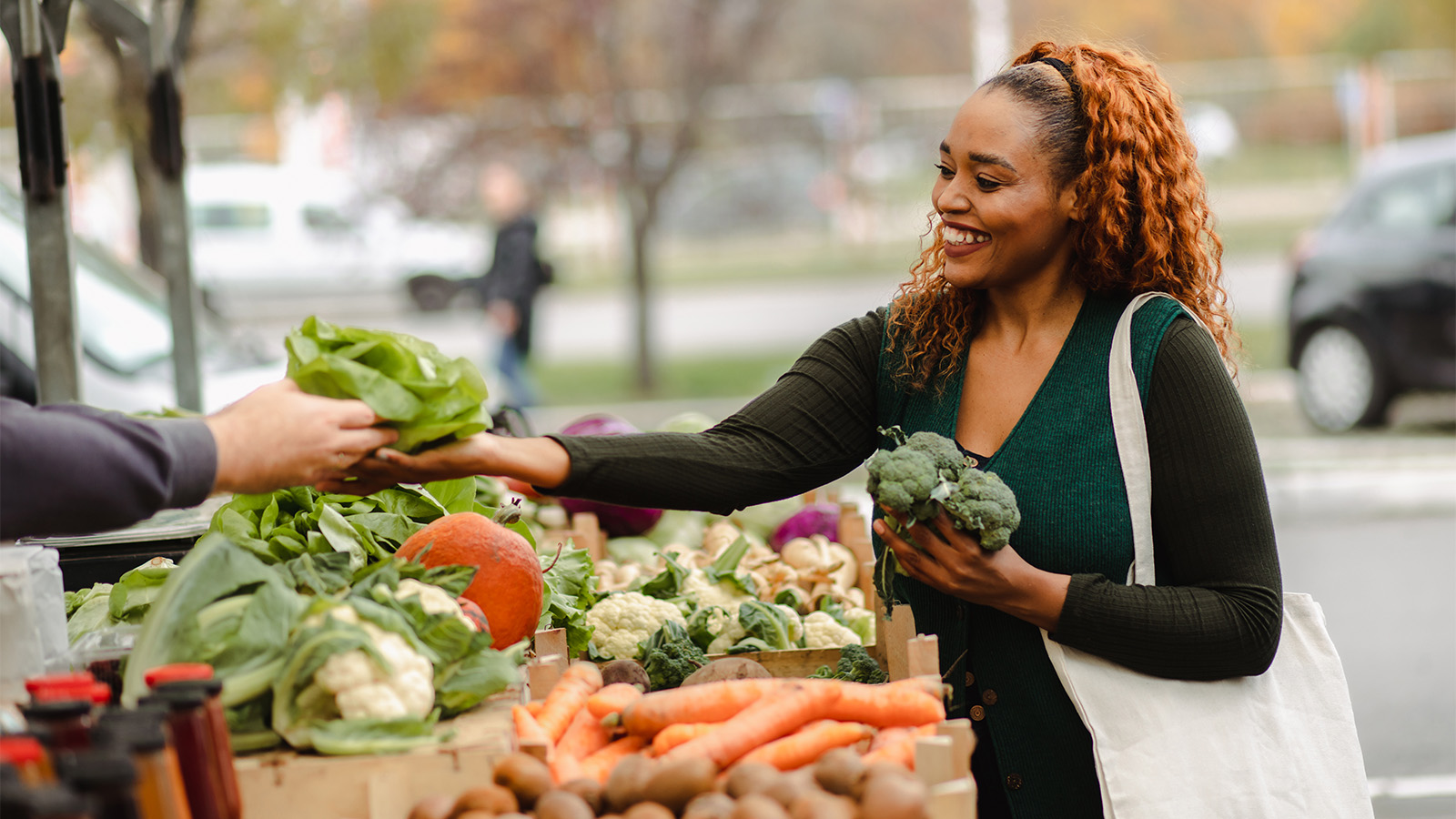
Keeping a list of items you need can help you save time, stay organized, and make grocery shopping easier.
As you run low of ingredients or think of items you need throughout the week, add them to your list. This simple habit can help reduce stress, save time while shopping, and avoid unnecessary purchases.
Benefits of meal planning
Meal planning can help simplify your routine and make healthy eating more manageable. By taking some time to plan, you can experience benefits such as:
- Saving money: Planning meals ahead of time helps reduce unnecessary purchases and allows you to be more intentional with the items you buy.
- Reducing food waste: Preparing ingredients ahead of time and planning how you will use them can help prevent food from going unused. Leftovers can also be repurposed into new meals throughout the week.
- Supporting healthier choices: Meal prepping allows you to be more intentional about the ingredients you use and the portions you prepare. Having a plan can make it easier to choose balanced meals.
Meal prepping doesn’t need to feel stressful or time-consuming. It’s important to start small, focus on simple habits, and gradually build a routine that works for your individual lifestyle. With consistency, meal planning will help support your long-term health goals.
Get more clarity on your nutrition journey
Ready to take the next step? Explore Virtua Health's nutrition resources for practical tips, meal planning ideas, and healthy habits that last.
There's So Much More to Explore